
Vintage Sub Dial Watch
A vintage sub dial watch brings mechanical precision to the wrist or pocket, offering a distinct secondary register for tracking seconds.
Vintage Sub Dial Watch
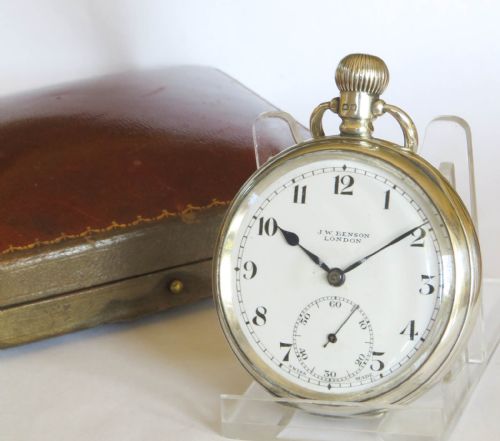
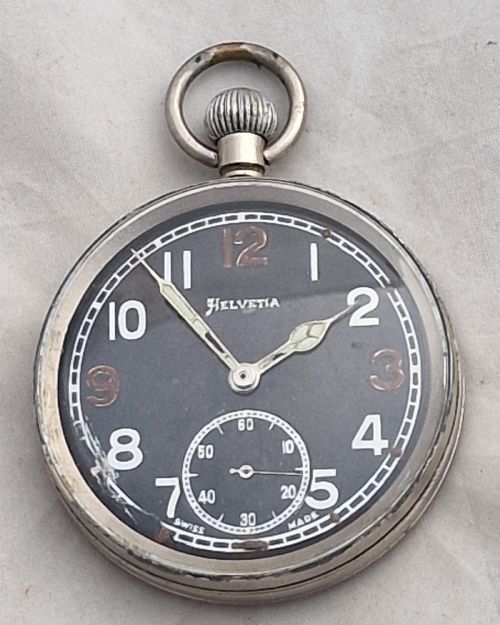
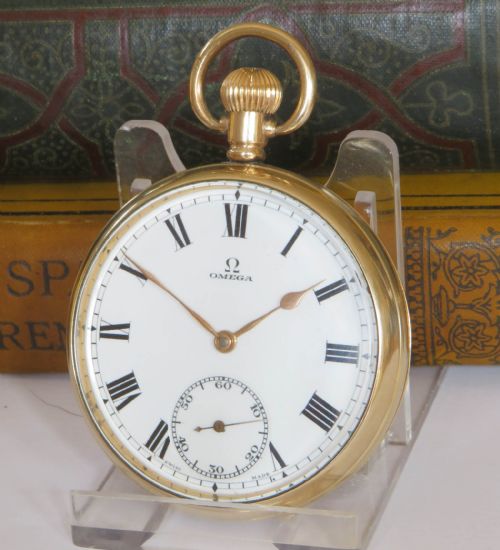
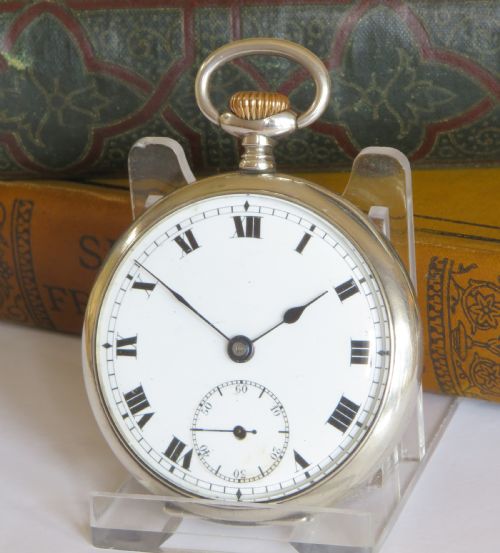
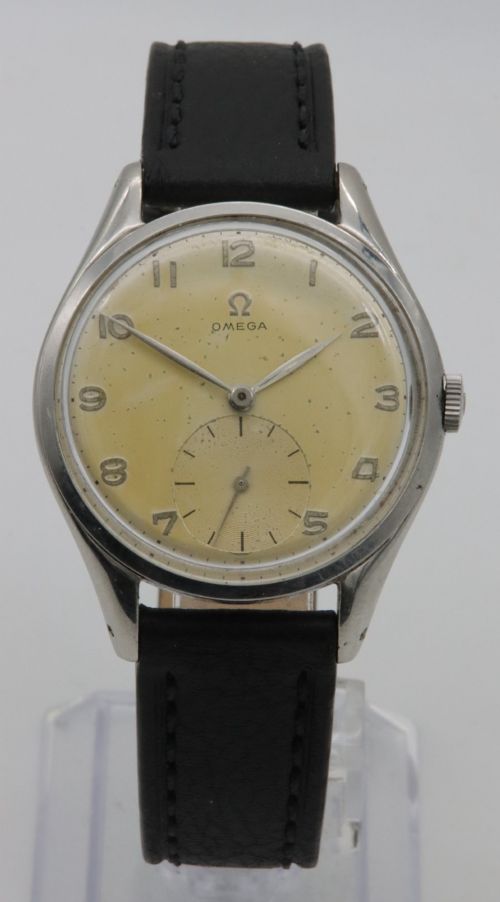
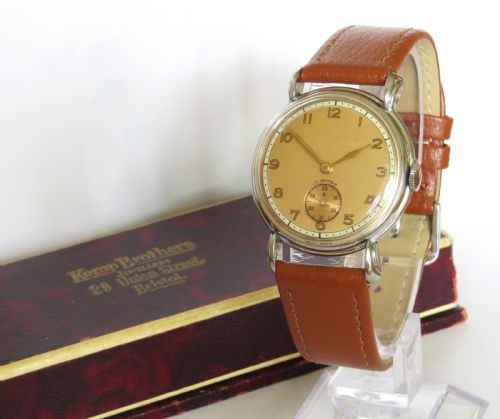
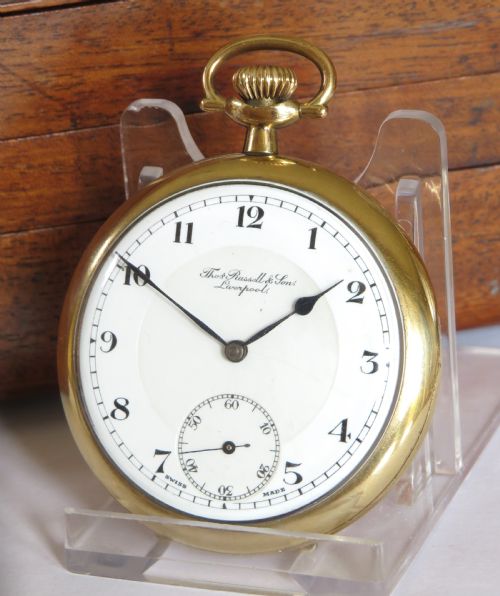
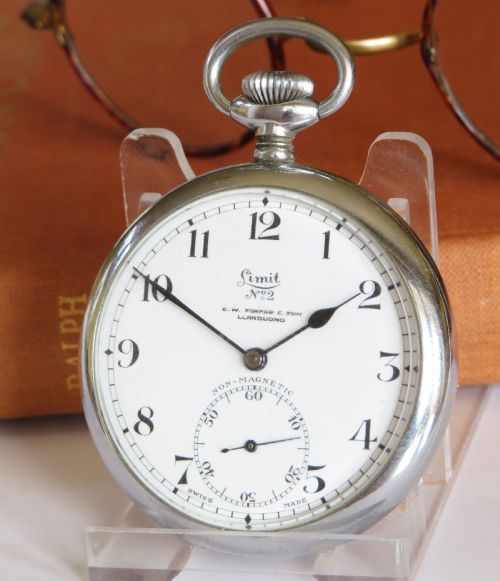
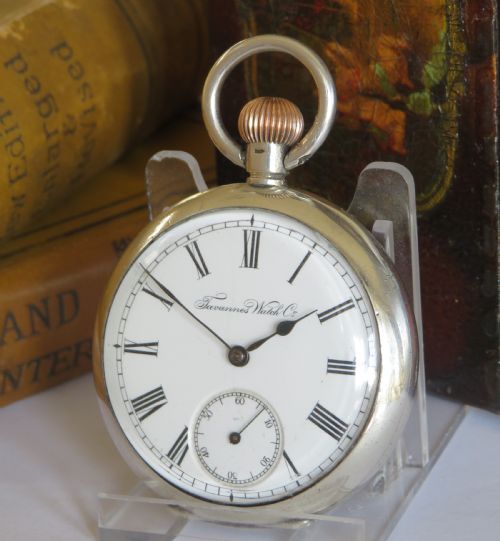
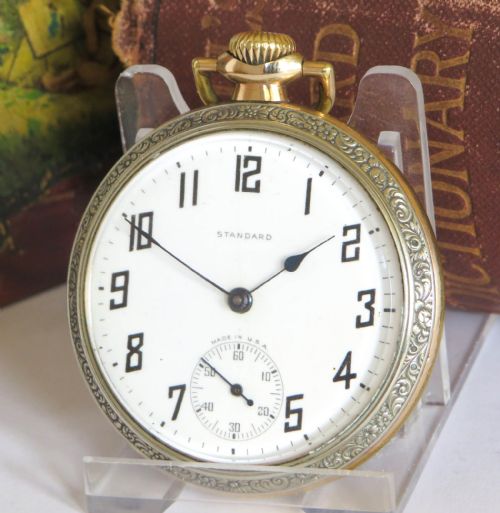
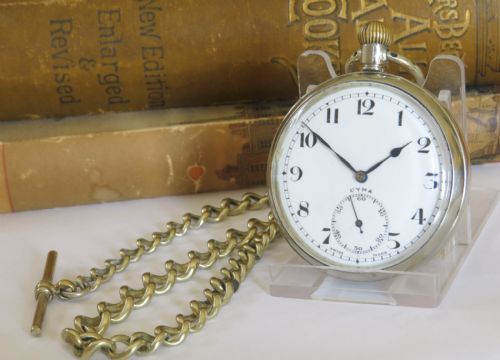
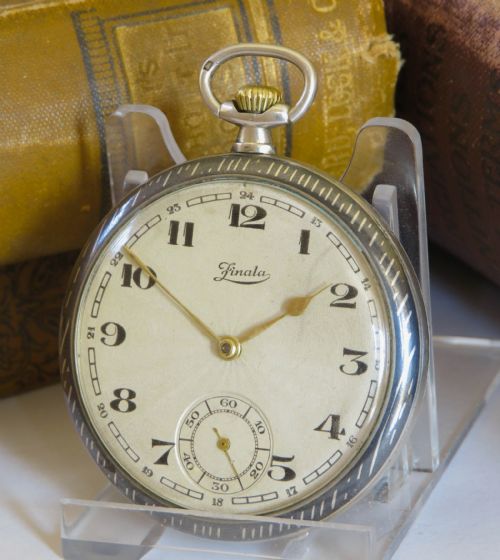
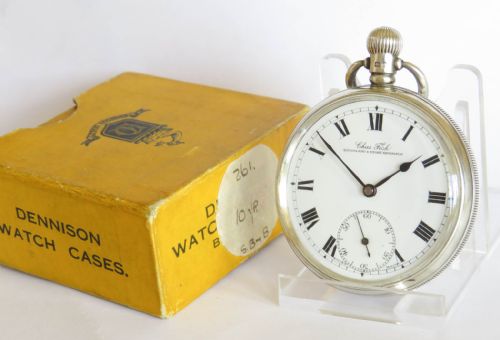
A vintage sub dial watch encompasses mechanical wristwatches and pocket watches spanning from the Victorian era through the mid-twentieth century. These instruments showcase traditional timekeeping where the seconds function sits in a smaller auxiliary circle, typically positioned above the six o'clock marker.
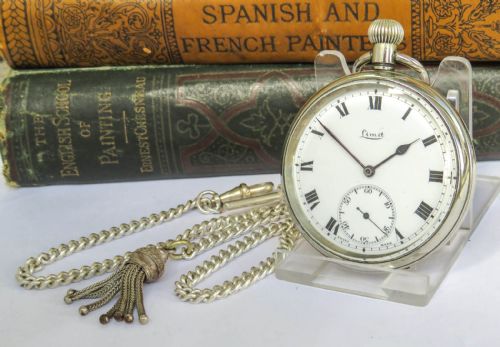
The selection here draws primarily from decades such as the nineteen-twenties, thirties, and forties, alongside pieces originating from the nineteen-tens and fifties. Pocket watches and wristwatches dominate the forms available, often paired with chains or original boxes.
Materials and construction methods
Cases utilise metals such as stainless steel, solid silver, brass, gold plate, and gun metal, frequently protecting delicate internal movements behind glass crystals. Enamel dials provide a crisp surface for numerals and subsidiary seconds tracks, while leather straps secure wrist-worn variations.
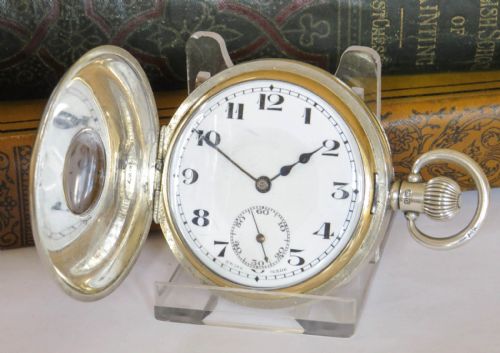
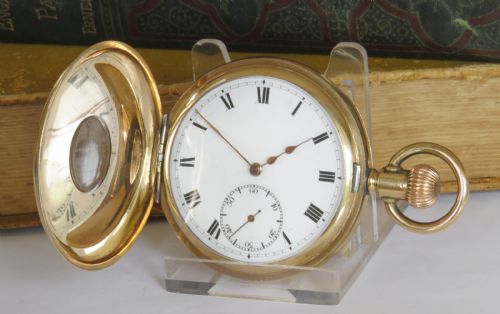
Casing techniques vary from half hunter designs with protective covers to open-face layouts. Internal mechanical calibres rely on manual wind mechanisms, assembled by makers using durable steel and brass components.
Several pocket watches bear unusual bravery awards and local town inscriptions, whispering tales of long-forgotten heroics across municipal districts.
Distinctions in craftsmanship
The calibre of a movement dictates the overall standard, with renowned watchmakers employing superior finishing on gears and escapements. Cases made from solid precious metals or robust stainless steel command higher regard than plated alternatives.
Originality of dial components and the inclusion of period-correct chains or boxes elevate the integrity of a piece. Condition of the enamel dial and clarity of the glass also separate standard items from superior examples.
The Vintage Sub Dial Watch Glossary
- Sub dial
- A secondary circular register on the watch face used independently to track seconds or minutes. It sits separately from the main hour and minute hands.
- Hunter
- A pocket watch style featuring a spring-loaded metal cover that protects the glass dial. Half hunter variations include a small glass aperture in the cover to read the time without opening.
- Calibre
- The specific internal movement designation or model created by a watch manufacturer. It defines the technical layout and dimensions of the mechanism.
- Enamel
- A fused glassy substance applied to metal dial blanks and kiln-fired to create a smooth, durable surface. It provides the white or coloured background for printed numerals.
- Manual wind
- A mechanical movement powered by hand rotation of the crown rather than an automatic rotor or battery. The mainspring stores tension to drive the gear train.
Vintage Sub Dial Watch: Frequently Asked Questions
How do I wind a mechanical watch?
Rotate the crown between your thumb and forefinger clockwise until you feel light resistance. Stop immediately at this point to avoid overwinding and damaging the internal mainspring.
Perform this action at a consistent time each day if you wear the piece regularly. Keeping a routine helps maintain steady tension within the movement for accurate timekeeping.
What is a subsidiary seconds dial?
A subsidiary seconds dial is a small circular track placed on the lower half of the watch face. It uses a dedicated hand to count seconds independently from the main time display.
This layout allows the primary dial to remain uncluttered for hours and minutes. It stands as a defining characteristic of vintage mechanical timepieces.
How do I date an antique watch?
Inspect the inner case back for hallmarks, serial numbers, or engraved presentation dates. British silver cases often feature assay office marks and date letters that pinpoint the exact year of manufacture.
Matching the movement serial number against maker records yields a reliable production year. Dial styling and typography offer further clues regarding the active era.
Can I wear a vintage watch daily?
Daily wear is possible provided you take precautions against physical impacts and moisture. These pieces lack modern shock absorption and waterproof seals found in contemporary watches.
Remove the watch before vigorous activity or swimming. Regular servicing by a professional horologist ensures the internal lubricants remain fresh and gears turn smoothly.