
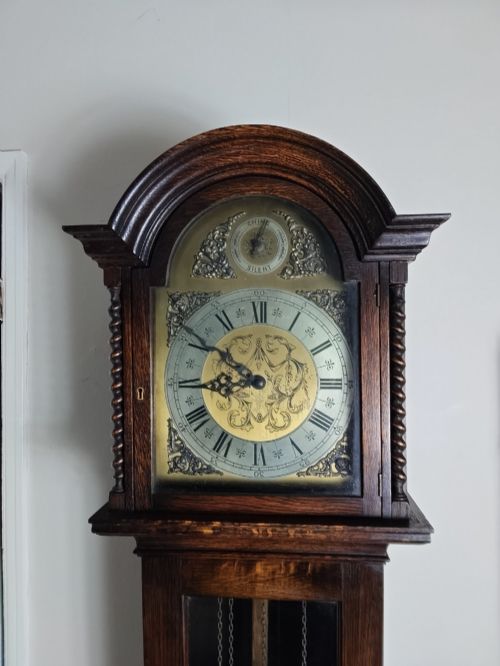
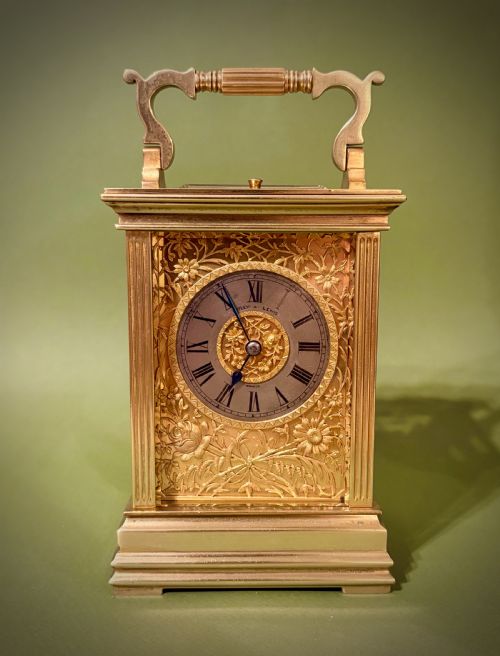
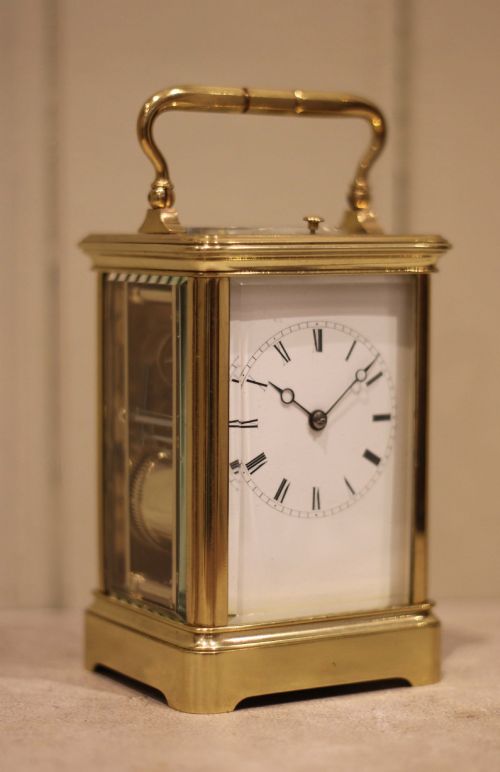


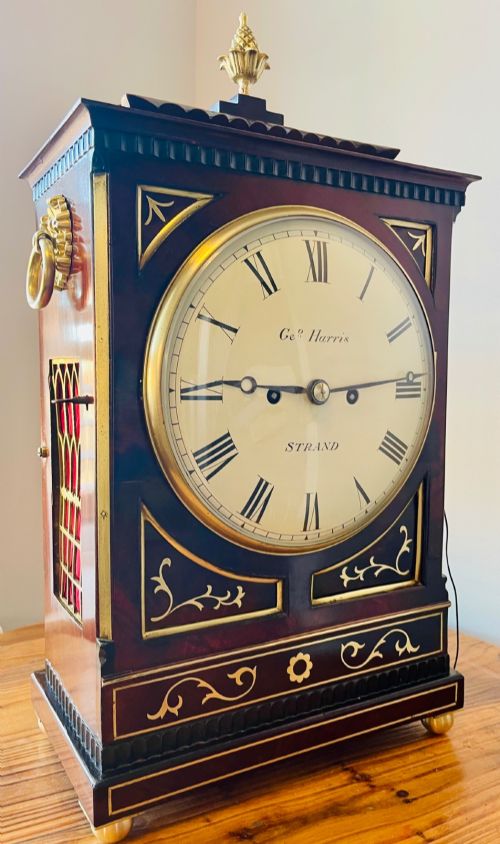



Vintage Striking Clock
A vintage striking clock brings movement and sound into a room, marking the hours with the resonance of a bell or gong.
Vintage Striking Clock
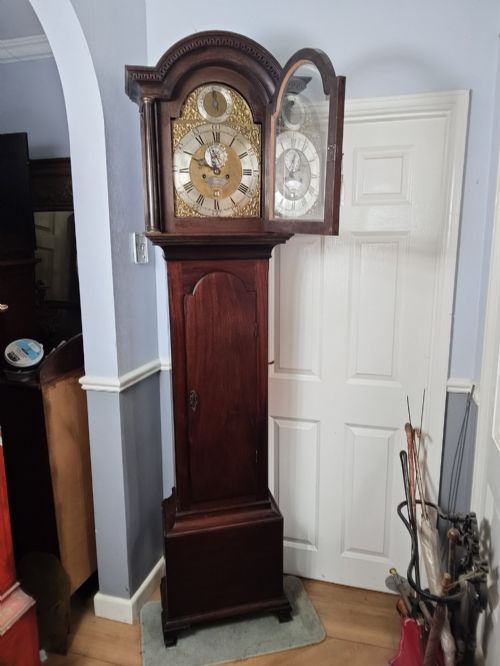
When buyers search for a vintage striking clock, they encounter an array of timepieces designed to sound the hours and fractions thereof. These objects span periods from the Georgian and Regency eras through the Victorian age and into the early twentieth century.
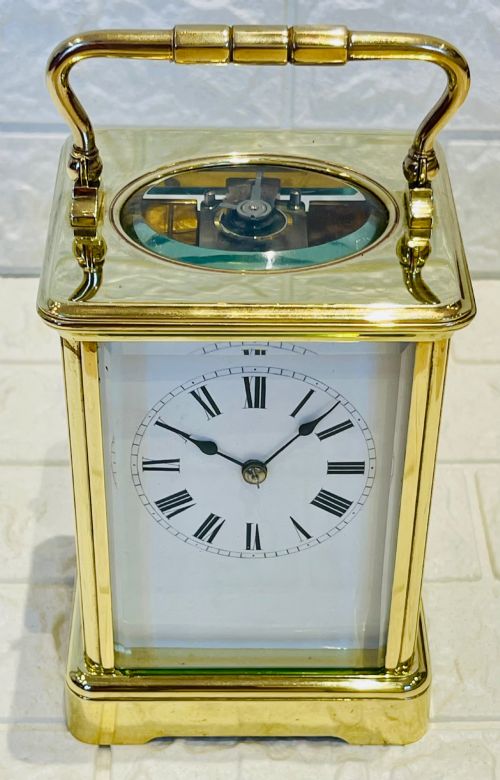
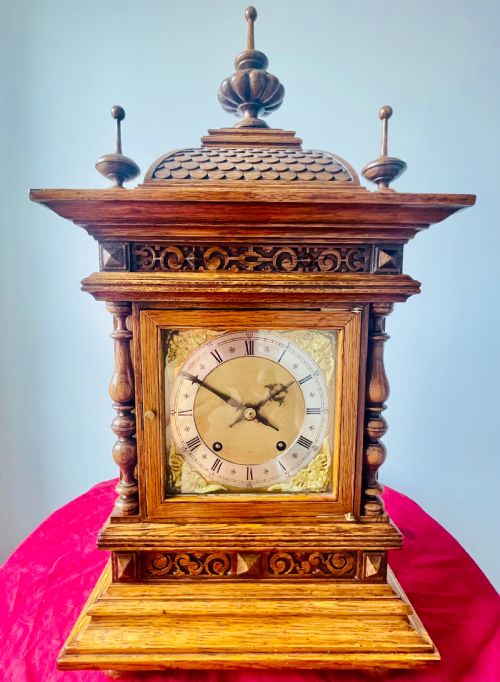
The selection on this page centres heavily upon carriage clocks, mantel clocks, and wall clocks, alongside grander longcase and bracket pieces. French carriage clocks and British or German bracket and wall clocks form the core of what is available.
Materials range from rich timbers like mahogany, walnut, and oak to polished brass, gilt brass, and glass. Dial surrounds often incorporate enamel, while cases display styles from traditional British and Victorian to Art Deco and Gothic.
How they were made
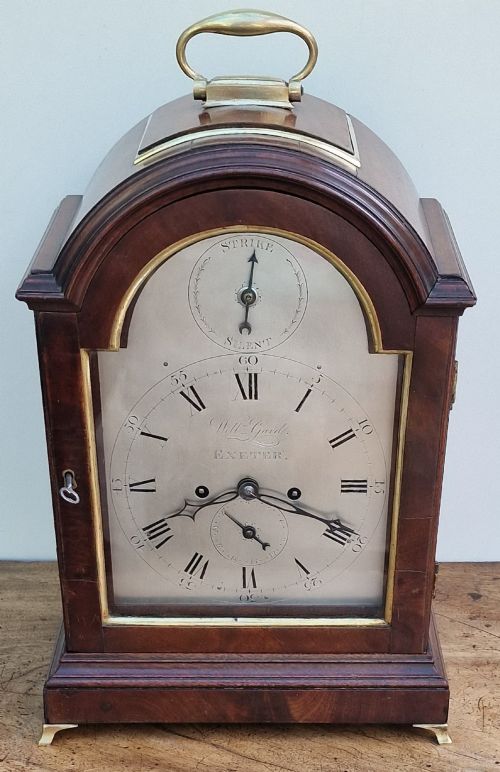
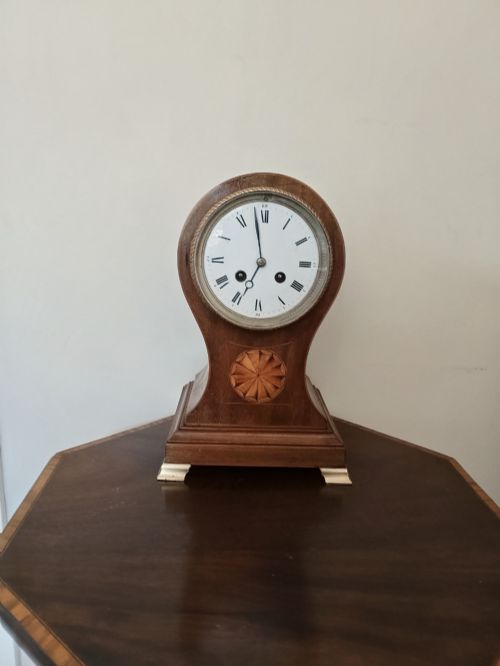
Maker workshops utilised dense hardwoods such as mahogany, walnut, and oak to construct sturdy, resonant cases for wall, mantel, and longcase clocks. These timbers were frequently polished or inlaid to accentuate the grain.
Metalwork played an essential structural and decorative role, employing brass, gilt brass, and steel within both the visible case details and the intricate internal gear trains. Enamel was applied to dials for clear legibility of numerals.
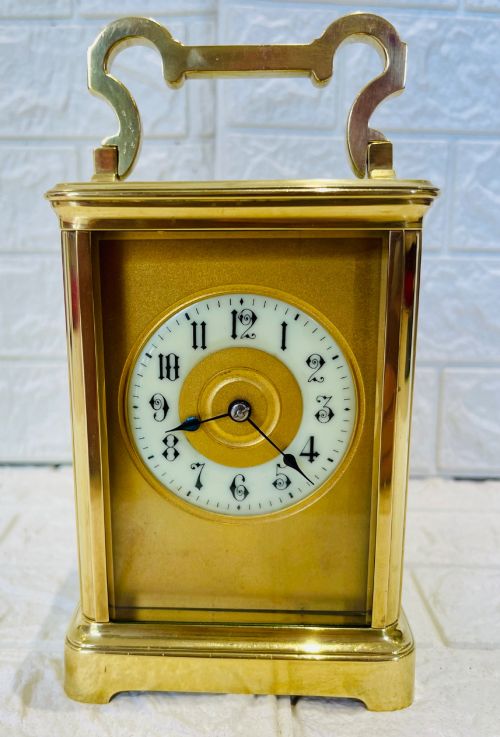
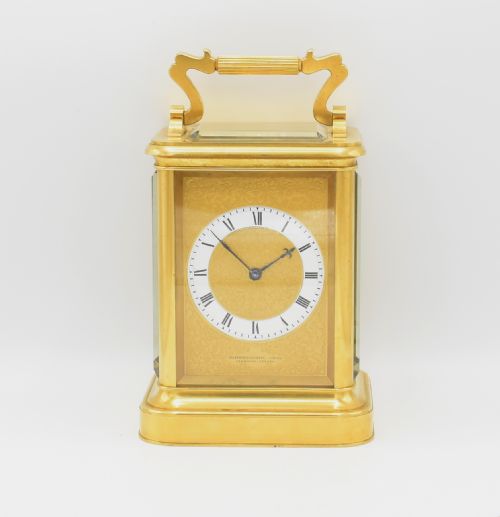
Glass panels were fitted into brass carriage clock frames, known as gorge or doucine cases, to display the mechanical movement. Movements themselves incorporated specialised striking mechanisms, from simple bell strikes to twin fusee and ting tang systems.
Listings feature clocks from the Georgian, Regency, and Victorian periods, alongside Edwardian and Art Deco examples in mahogany, walnut, oak, and brass.
What varies in quality
The caliber of a striking clock rests upon the refinement of its movement and the integrity of its housing. Finely engineered mechanisms by recognised makers command attention for their precision and complex striking capabilities.
Case construction separates standard production pieces from superior examples. Solid timbers with precise joinery, finely chased gilt brass, and unblemished enamel dials indicate a higher standard of original manufacture.
William Gard·Mappin and Webb·Barwise London·Henri Jacot Paris·Winterhalder·William Moon London
The Vintage Striking Clock Glossary
- Fusee
- A conical pulley used in clock movements to maintain an even pull as the mainspring unwinds.
- Carriage clock
- A small, portable spring-driven clock originally designed for travel, typically housed in a brass and glass case.
- Striking clock
- A timepiece that sounds the hours audibly via a bell, gong, or chime.
- Bracket clock
- A portable table clock traditionally placed on a shelf or bracket, often featuring a handle.
- Longcase clock
- A tall pendulum clock enclosed in a wooden case, commonly known as a grandfather clock.
Vintage Striking Clock: Frequently Asked Questions
What is a carriage clock?
Carriage clocks are portable timepieces housed in brass frames with glass panels on all sides. They usually feature a swinging handle on top for transport.
Nineteenth-century travellers used them on journeys, setting them on hotel furniture to keep accurate time away from home.
How do I identify a Victorian clock?
Victorian clocks often display characteristic nineteenth-century revival styles, incorporating heavy mahogany, walnut, or ornate gilt brass. Maker signatures or patent marks on the movement plate frequently help confirm the period.
Case designs range from classical architectural forms to Gothic and French carriage styles popular during the reign.
Where should I place a bracket clock?
Bracket clocks suit flat, sturdy surfaces such as mantelpieces, sideboards, or dedicated wall brackets at eye level. Their portable nature allows them to move between rooms easily.
Ensure the surface is level so the pendulum or escapement maintains an even beat and accurate timekeeping.