
Vintage Storage Sideboard
A vintage storage sideboard gives your room grounded presence while keeping clutter completely out of sight.
Vintage Storage Sideboard
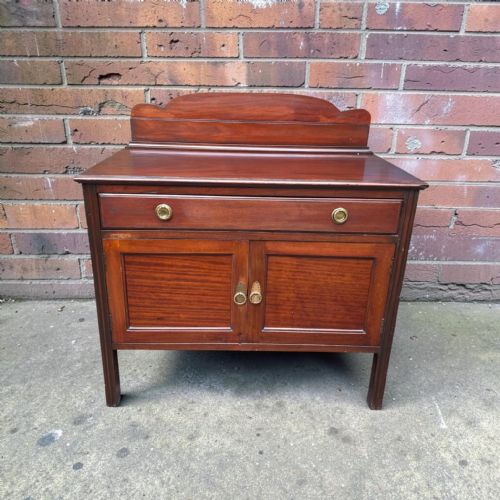
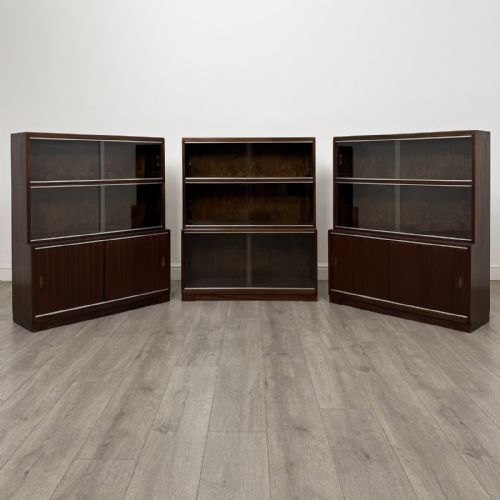
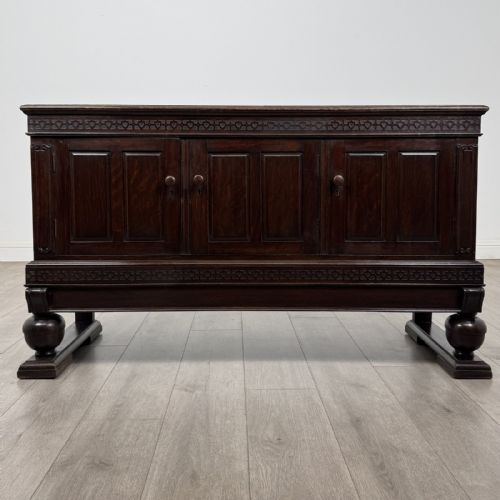
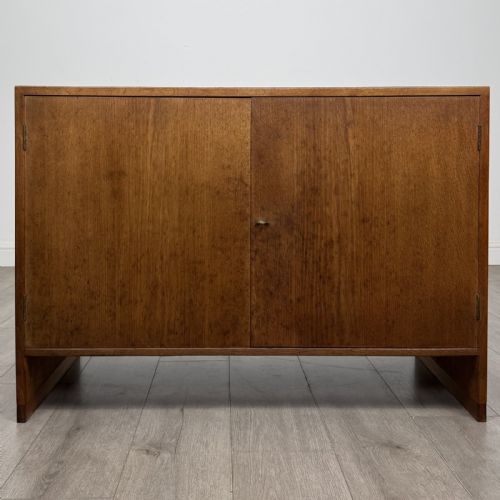
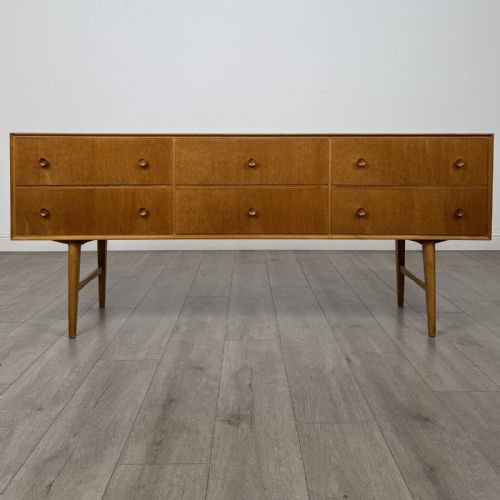
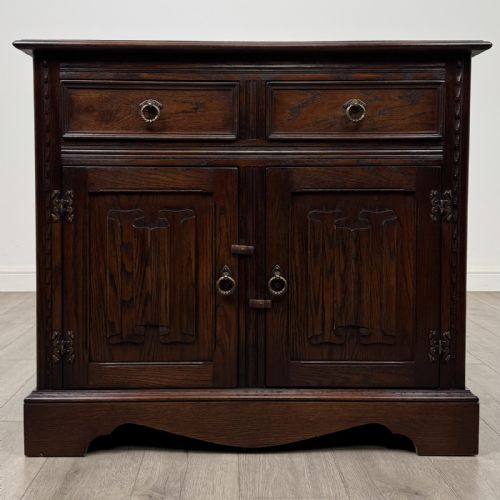
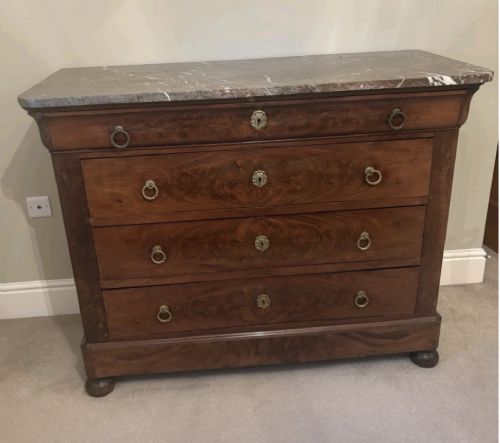
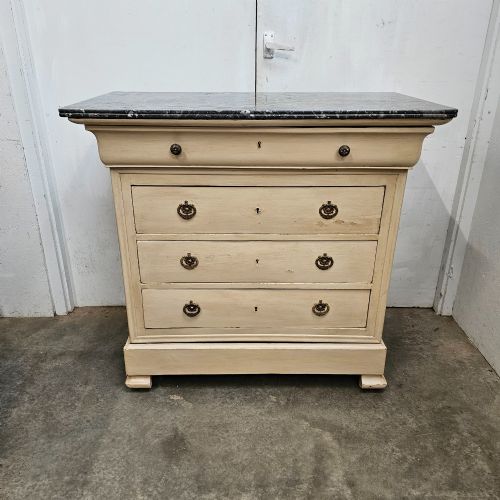
When you search for a vintage storage sideboard, you are looking at substantial timber furniture designed to organise and conceal household belongings. These pieces span centuries, encompassing heavy 19th Century oak and mahogany forms through to streamlined 1930s Art Deco designs.
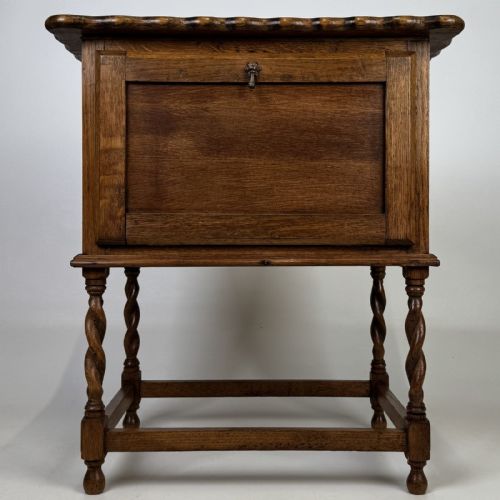
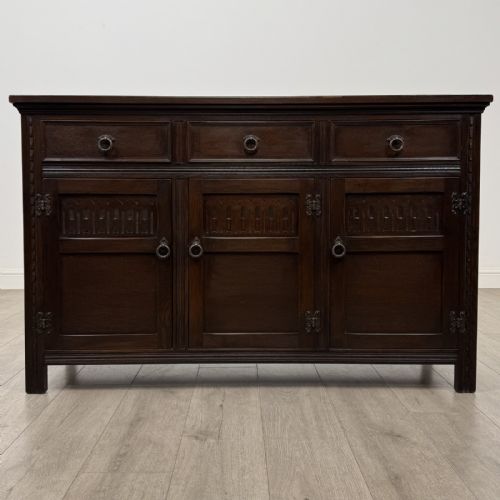
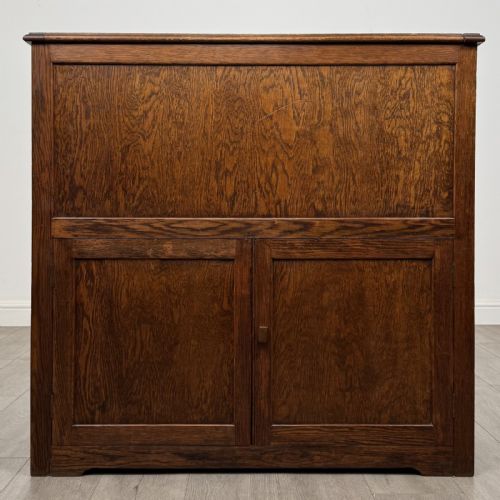
The versions you meet most frequently on this page date from the Edwardian period and the early 20th century. These are predominantly constructed from oak or mahogany, offering deep cupboards, wide drawers and robust shelving suited to modern living.
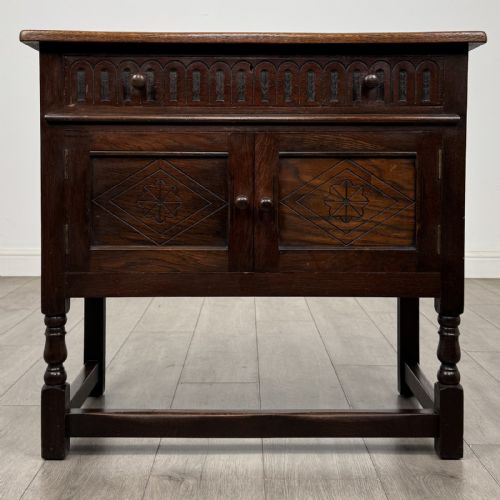
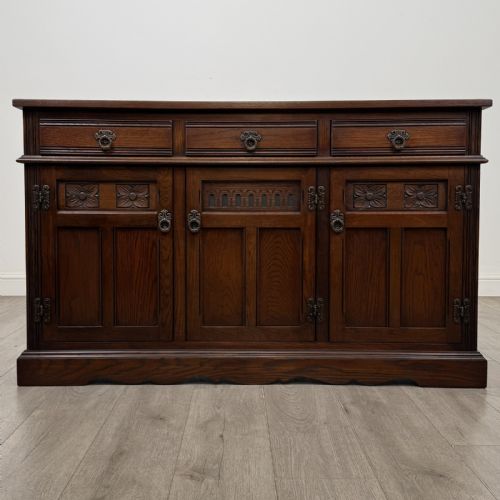
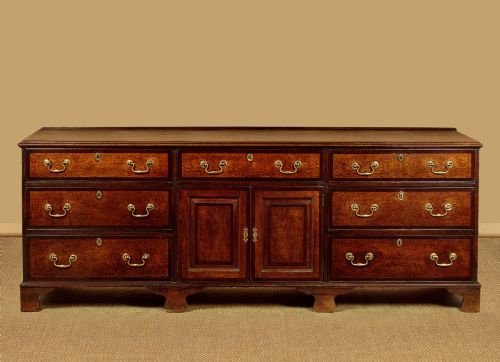
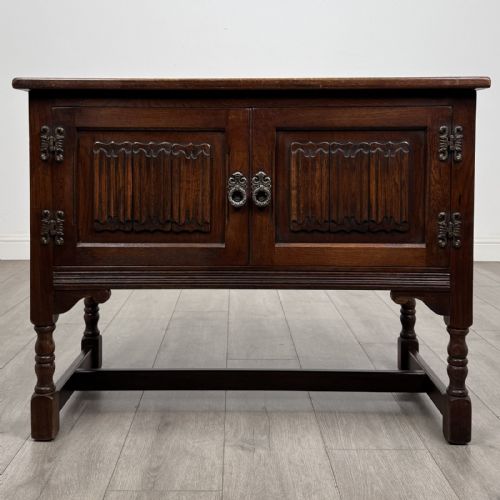
Beyond traditional sideboards, the selection includes related storage forms such as dressers, chiffoniers, low cupboards and breakfront cabinets. Each piece combines functional capacity with period character, whether carved in the Jacobean revival style or polished to a golden sheen.
How they were made
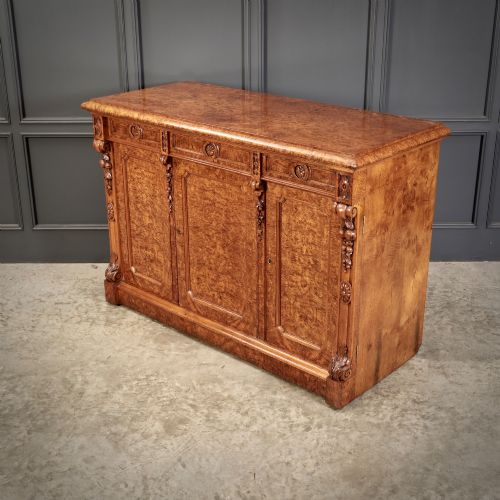
Makers relied primarily on solid timbers like oak, mahogany and walnut, often enhanced with figured veneers such as burr walnut or satin birch. Iron and brass hardware - including drop handles, escutcheons and hinges - secured doors and drawers while adding metallic contrast to the timber.
Construction techniques balanced structural rigidity with decorative surface work. Carved mouldings, serpentine fronts and inlaid rosewood or satinwood demonstrated cabinet-making skill, while waxed or polished finishes protected the wood and highlighted its natural grain.
The selection encompasses diverse regional forms, including English country dressers, Swedish inlaid cabinets and continental buffets.
What varies in quality
The distinction between ordinary storage and exceptional craftsmanship lies in the selection of timber and the precision of the joinery. Pieces featuring figured burr walnut, matched veneers or serpentine shapes demand a higher level of cabinet-making skill than flat-fronted pine or basic oak variants.
Proportion and decorative restraint also separate the finer examples from standard production. Carved details, integrated marble tops and refined hardware elevate a utilitarian cupboard into a striking focal point.
Harry and Lou Epstein·Gomme
The Vintage Storage Sideboard Glossary
- Serpentine
- A curved front shape with a convex centre flanked by concave curves, typical of finer cabinet work.
- Chiffonier
- A compact sideboard or low cupboard, often fitted with drawers and doors, popular during the 19th century.
- Breakfront
- A cabinet or sideboard whose central section projects forward from the flanking outer sections.
- Court cupboard
- A heavy, traditional cupboard featuring recessed upper tiers supported by pillars, frequently carved in oak.
- Dresser base
- A low, robust storage unit fitted with drawers and cupboards beneath a flat top surface, originating from farmhouse kitchens.
Vintage Storage Sideboard: Frequently Asked Questions
How do I choose the right size?
Measure your available floor space carefully, accounting for the swing of cupboard doors and pulled-out drawers. Consider the visual weight of the piece in relation to your room's proportions.
Larger breakfront sideboards and carved court cupboards require substantial wall space, while low oak cupboards and small mahogany bowed sideboards fit comfortably into narrower or more compact rooms.
Can I use one in a dining room?
These pieces were built specifically to store dining essentials like tableware, linen and glassware. Their wide tops also provide a practical surface for serving food or displaying decorative objects during gatherings.
Many styles, from Regency mahogany cabinets to Edwardian oak sideboards, bring both traditional utility and architectural elegance to a modern dining space.
How do I care for the wood finish?
Dust regularly with a soft, dry cloth and nourish the wood periodically with a quality beeswax to maintain its lustre. Avoid placing timber furniture in direct sunlight or near heat sources to prevent warping or fading.
Most antique pieces feature traditional waxed or polished finishes that respond well to gentle, natural treatments rather than modern chemical sprays.
How do I distinguish Edwardian from Victorian pieces?
Victorian furniture tends to be heavier, darker and more robustly carved, often utilising dense mahogany or walnut with elaborate detailing. Edwardian pieces, dating from the early 20th century, frequently exhibit lighter golden oak tones and simpler, refined proportions.
Examining the internal construction, drawer linings and secondary woods often reveals the manufacturing period when stylistic cues overlap.