

Vintage Storage Press
These vintage storage press pieces offer robust timber storage for textiles and garments across periods from the Georgian era to the 1930s.
Vintage Storage Press
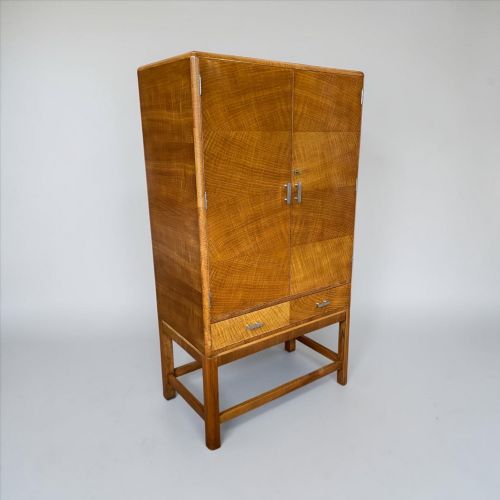
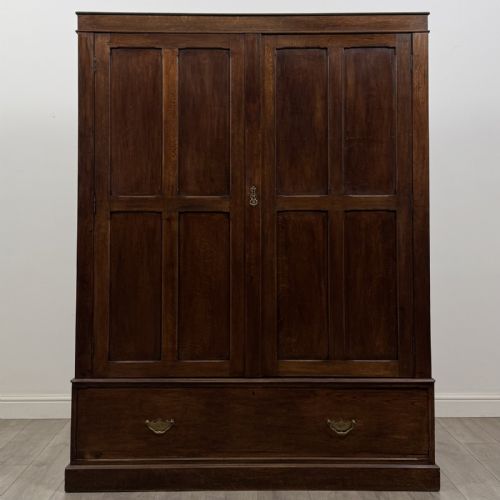
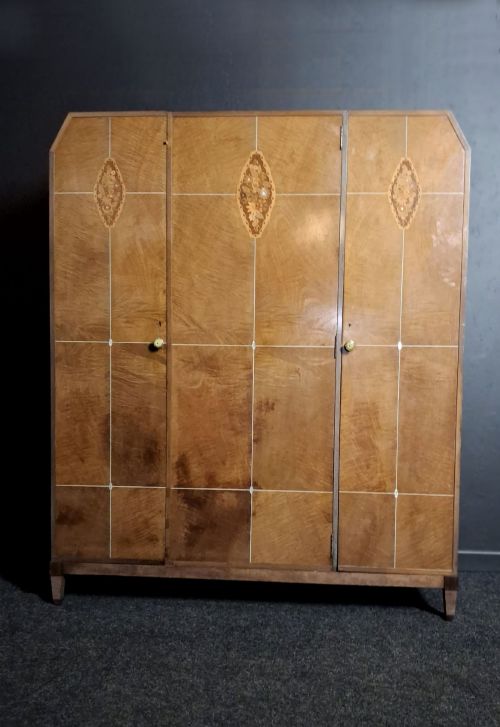
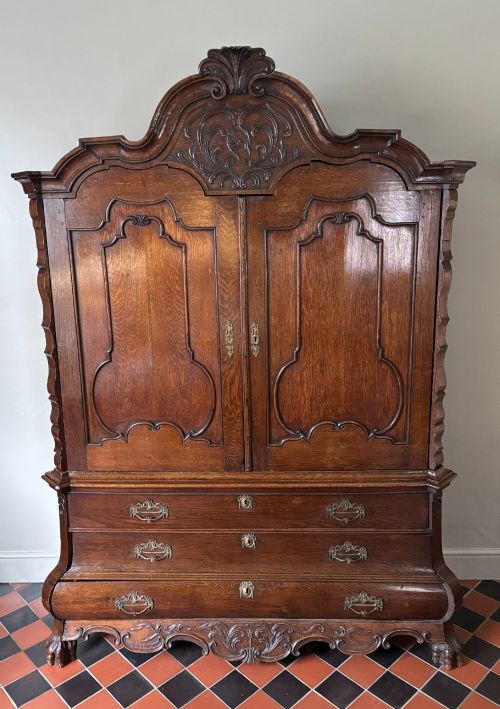
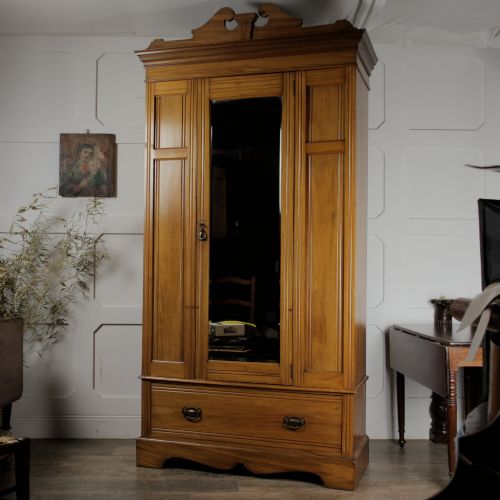
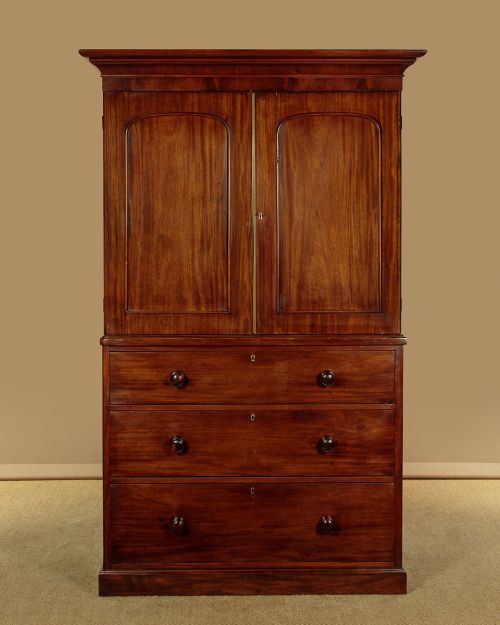
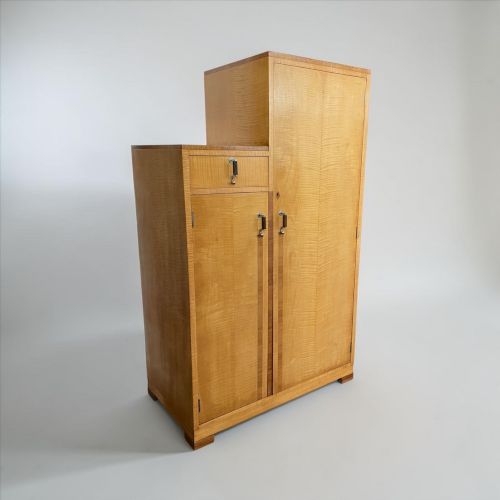
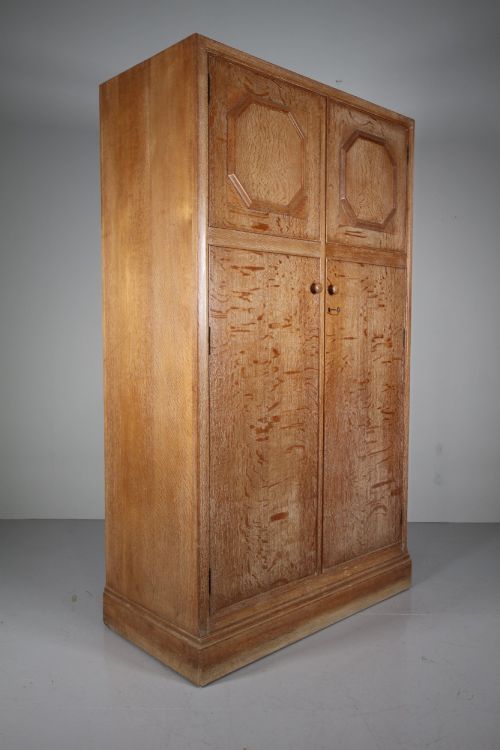
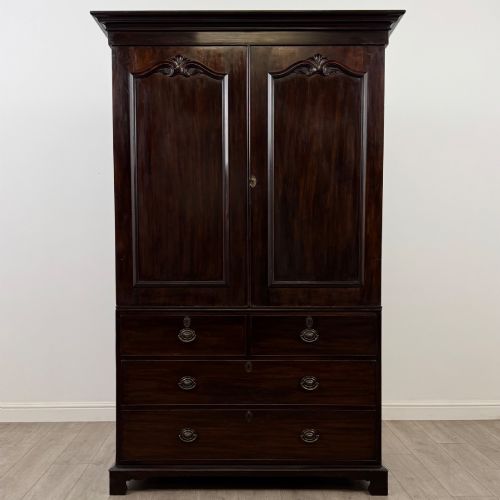
A vintage storage press encompasses large domestic timber furniture designed to hold linen, clothing and household goods. The selection on this page bridges several centuries of cabinet-making, ranging from Georgian and Regency formal presses to Victorian painted housekeeper cupboards and 1920s burr walnut wardrobes.
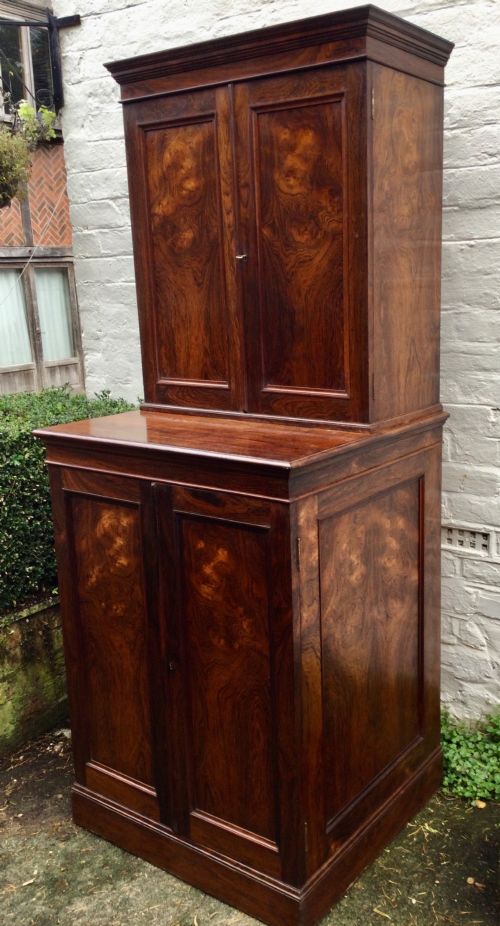
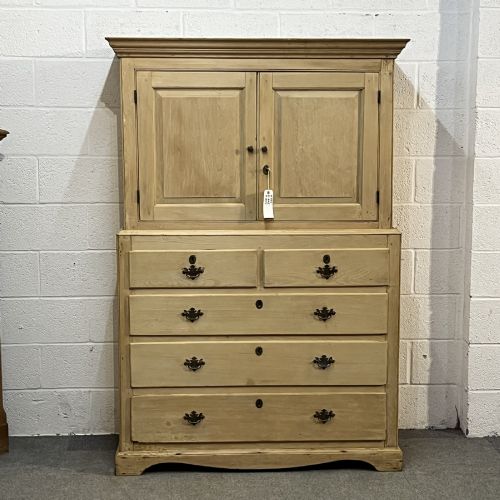
Buyers meet varying forms within this grouping, including linen presses with sliding trays above drawer bases, tallboys, housekeeper cupboards and fitted wardrobes. Mahogany, pine and oak dominate the domestic output, supplemented by decorative surfaces in burr walnut and paint.
Origin spans English country houses, French provincial workshops and London cabinet-makers such as Heal's. Pieces reflect the domestic requirements of their respective decades, shifting from deep Georgian linen storage to early twentieth-century hanging spaces and fitted interiors.
How they were made
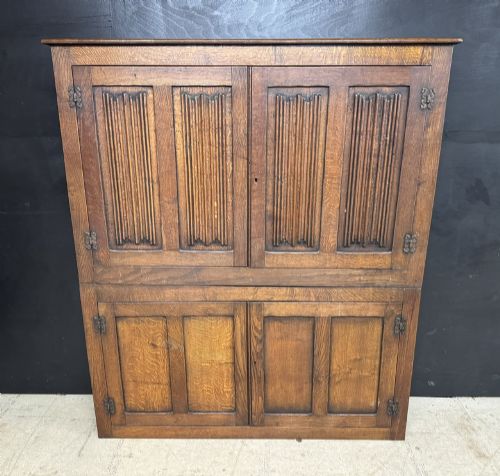
Construction relies primarily on native and imported timbers, utilising solid oak, pine and mahogany alongside decorative veneers like burr walnut and flame mahogany. Cabinet-makers joined panels with traditional joints, incorporating crossbanding, satinwood inlay and carved pillar panels to enrich the surfaces.
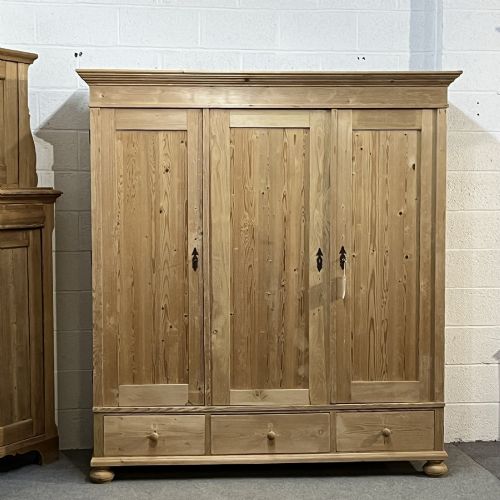
Secondary techniques involve hand-mixed paint finishes, ebonisation and iron or brass hardware. Many larger items, such as Victorian pine knockdown wardrobes, were engineered for transport and assembly within domestic bedrooms.
Vintage Storage Press Retail Price Guide 2026
Typical asking prices for vintage storage press among the pieces listed under this phrase on Sellingantiques today, from the lower quarter to the upper quarter. They describe what is for sale here now, not the wider market.
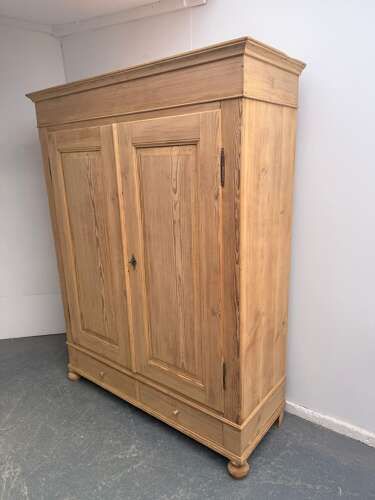
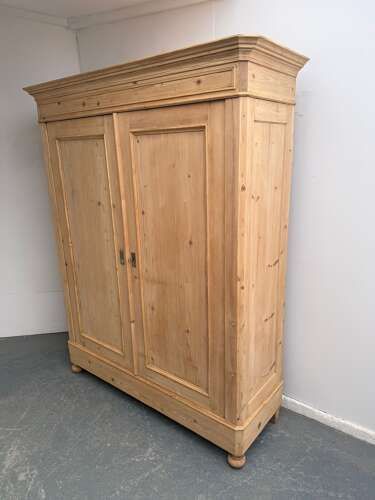
A massive Victorian pine wardrobe on this page arrives with the helpful option to either wax it or paint it.
What varies in quality
The standard of timber selection and veneer matching defines the upper tier of these pieces. Higher-grade examples employ symmetrical flame mahogany or burr walnut across large expanses, whereas utilitarian pine or stained secondary woods serve more functional domestic storage.
Joinery detail and internal configuration separate workshops. Finely articulated blind fretwork cornices, original brass fittings, and intact internal linen slides demonstrate superior construction compared to simpler carcases.
Heals Of London·Crown Furniture
The Vintage Storage Press Glossary
- Linen press
- A tall piece of furniture featuring upper sliding trays or shelves enclosed by doors, positioned above a chest of base drawers. This form was traditionally used to store folded linen and household textiles.
- Tallboy
- A tall chest of drawers standing upon another chest or a low base frame. These pieces maximise vertical storage space in bedrooms.
- Housekeeper cupboard
- A large storage cabinet originating in large country houses for domestic provisions and household linens. They frequently display utilitarian painted or panelled pine construction.
- Crossbanding
- A decorative border technique where thin strips of veneer are laid around the perimeter of a panel with the grain running perpendicular to the central field. It frames the primary wood surface on drawer fronts and cabinet doors.
- Blind fretwork
- Carved ornamentation applied to a solid background so that it appears pierced or openwork without actually cutting through the timber. This detail frequently decorates the cornices of 18th-century furniture.
Vintage Storage Press: Frequently Asked Questions
What is a vintage storage press used for?
These pieces provide deep shelving, sliding trays and hanging space for garments, bedding and household linens. Their substantial internal volume suits modern bedroom and hallway storage needs.
Many examples combine drawers and cupboards within a single carcase, allowing mixed storage for folded textiles and longer garments.
How do I date an antique wooden cupboard?
Dating relies on timber choice, construction methods, hardware and stylistic details. Georgian pieces often feature solid mahogany and hand-cut dovetails, while Edwardian and 1920s examples show factory-standardised joints and machine veneers.
Secondary woods and backboards also indicate period, with hand-sawn pine panels giving way to circular-sawn boards in the later nineteenth century.
Will a large linen press dismantle for moving?
Many larger wardrobes and presses, particularly Victorian pine knockdown examples, were constructed to dismantle into sections for transport. Georgian and Regency formal pieces frequently separate into a cornice, upper cupboard section and lower chest base.
Buyers should check carcase construction before purchase to confirm whether a piece separates into manageable parts for staircases and tight doorways.
How should I care for antique timber furniture?
Maintain stable indoor humidity levels and keep wooden presses away from direct heat sources and strong sunlight to prevent veneer cracking and timber shrinkage. Regular dusting with a dry lint-free cloth preserves the wax or polish finish.
Occasional application of traditional beeswax feeds the timber without building up artificial silicones or heavy residues on the surface.