
Vintage Still Life Canvas
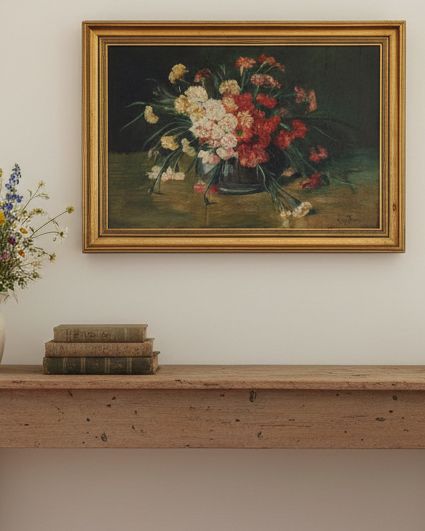
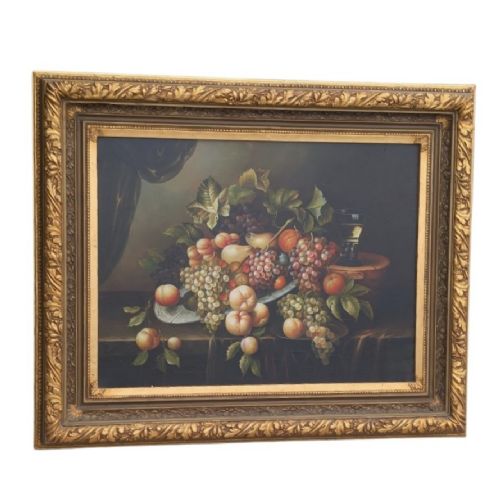
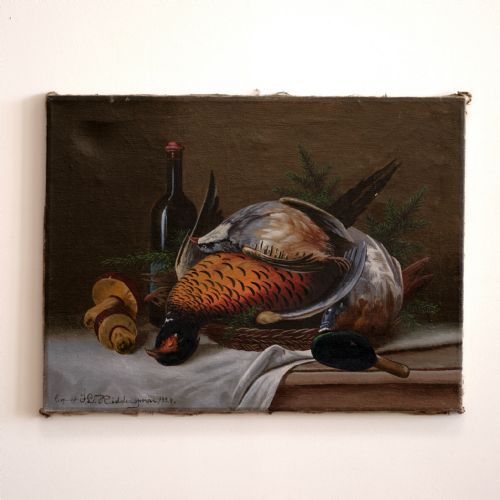
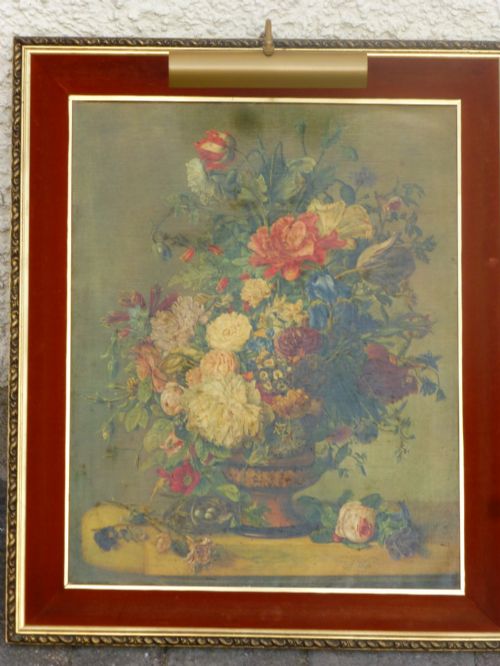
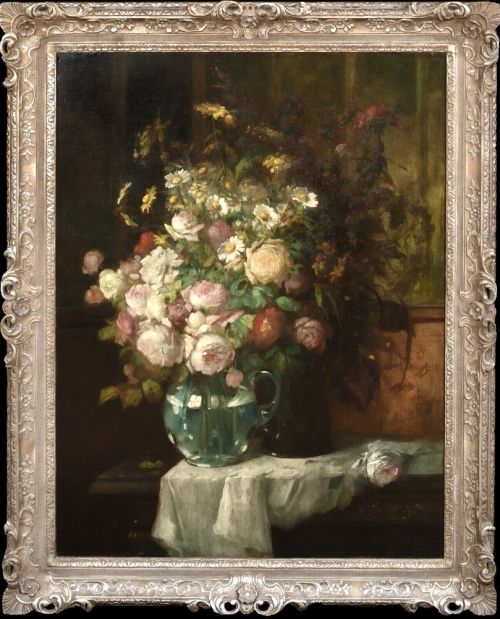
A vintage still life canvas brings home the quiet geometry of fruit, flowers, and everyday objects rendered in oil.
Vintage Still Life Canvas
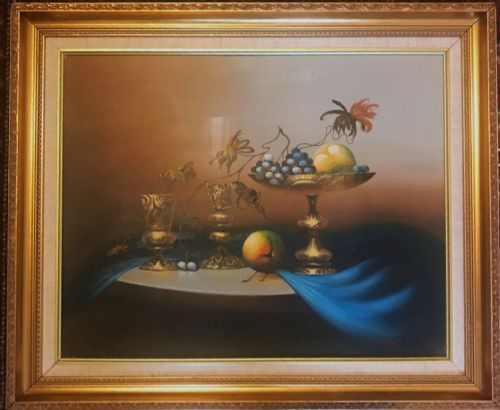
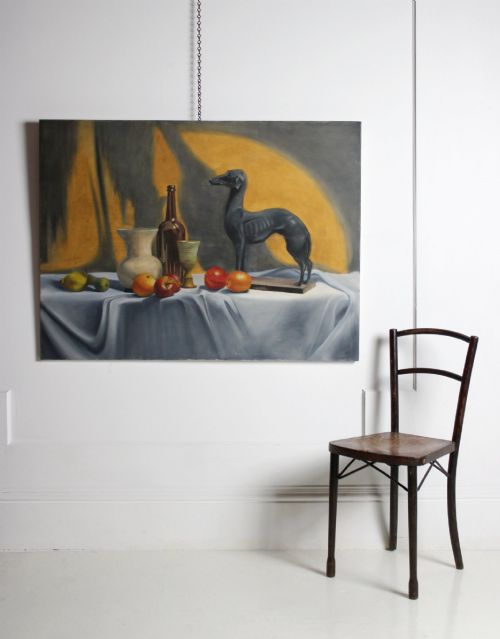
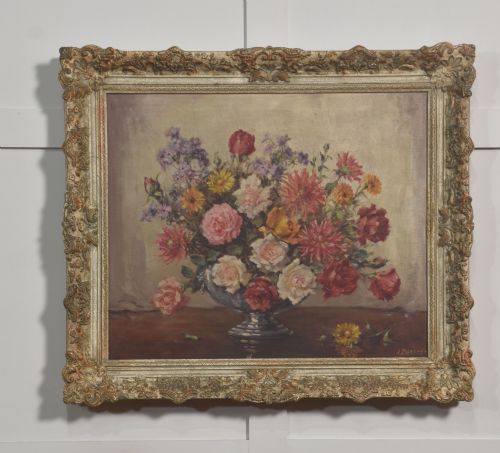
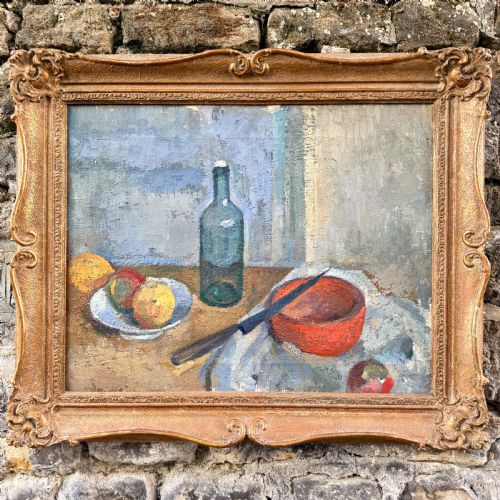
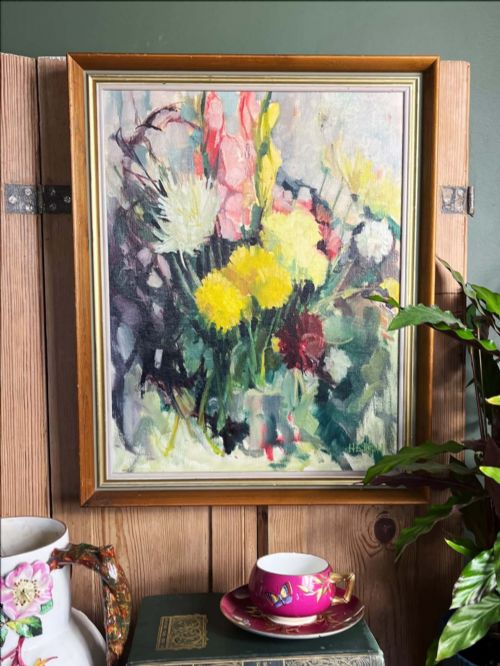
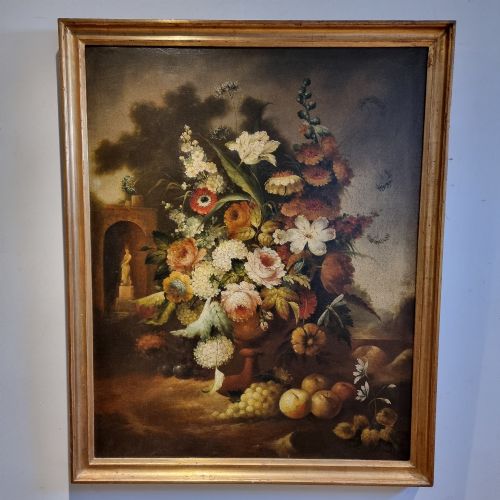
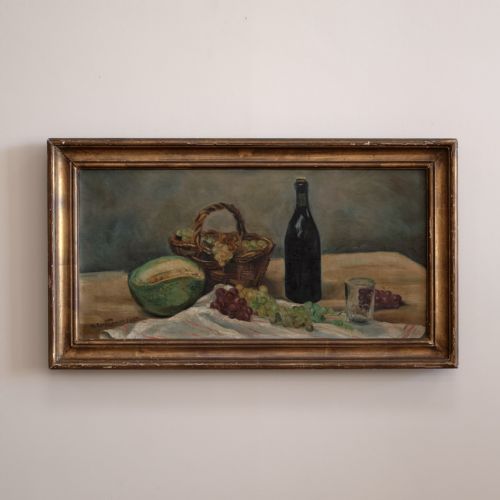
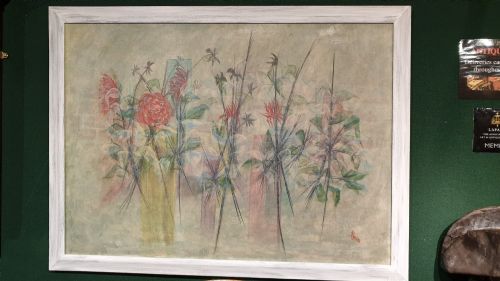
A vintage still life canvas presents carefully arranged subjects such as flowers, fruit, and larder items captured in oil paint. These works span from the Edwardian era through the mid-20th century, encompassing styles like Impressionism, Post-Impressionism, and Mid-Century Modern.
The most common pieces on this page originate from the early decades of the twentieth century up to the 1960s. They appear in various forms, including framed wall art, fine art paintings, and occasionally folding screens.
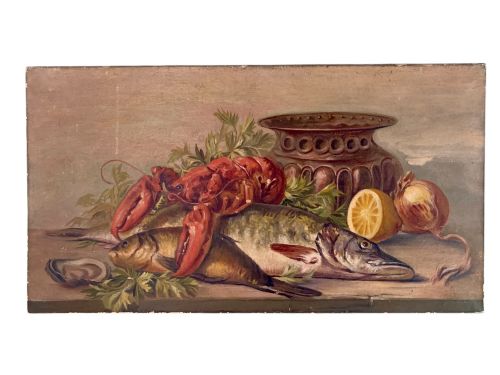
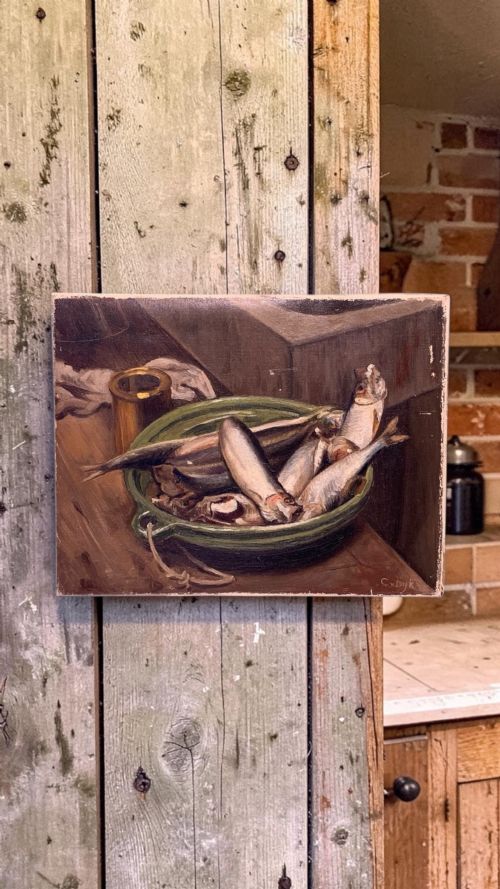
Makers and artists represented range from named painters working within British, French, Flemish, and Austrian traditions to anonymous hands. Subjects stretch from simple floral studies in vases to complex arrangements involving fish, lobsters, and domestic vessels.
How they were made
These works rely primarily on oil paint applied to woven canvas supports, sometimes mounted on board or stretched over wooden frames. Brushwork ranges from smooth, academic blending to thick, textured impasto applied with a palette knife.
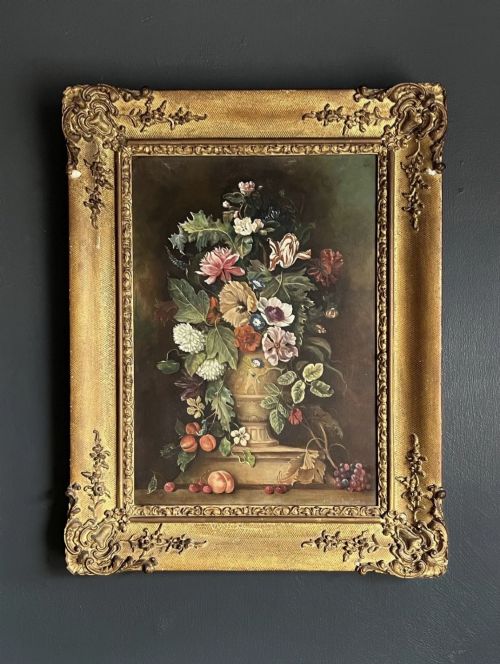
Many paintings are housed in their original surrounds, which frequently include wood frames embellished with gilt and moulded gesso details. The interaction between the oil medium and the textured surface of the canvas defines the visual depth of each composition.
Vintage Still Life Canvas Retail Price Guide 2026
Typical asking prices for vintage still life canvas among the pieces listed under this phrase on Sellingantiques today, from the lower quarter to the upper quarter. They describe what is for sale here now, not the wider market.
Subjects extend far beyond polite floral arrangements to include unexpected companions like biscuits, candlesticks, lobsters, and fish.
What varies in quality
The distinction between standard decorative works and finer examples lies in the confidence of the brushwork and the management of light and shadow. Superior paintings demonstrate a clear understanding of tonal relationships and spatial depth rather than mere mechanical replication of objects.
Framing also plays a role in the overall integrity of the piece, as original period frames - particularly those with detailed gilt gesso work - complement the canvas and indicate how the artwork was valued by its contemporary owners.
Konstantin Stoitzner·Emma Fordyce MacRae·William Henry Ward·Vladimir Aldoshin·Victor Simonin·Owen Bowen·Denis Mitchell·Gertrude Hayes·John Burns Robertson
The Vintage Still Life Canvas Glossary
- Canvas
- A heavy woven fabric, typically linen or cotton, stretched across a wooden frame to serve as a support for oil painting.
- Impasto
- A technique where paint is laid onto a canvas in very thick areas, making brush or palette knife strokes visibly prominent.
- Gilt
- A thin layer of gold leaf or gold paint applied to wooden frames to give a decorative metallic finish.
- Gesso
- A plaster-like mixture used as a smooth base for wooden frames before gilding or painting.
- Oleograph
- A mechanical colour print on canvas designed to imitate an oil painting, popular in the nineteenth and twentieth centuries.
Vintage Still Life Canvas: Frequently Asked Questions
How do I clean a vintage oil painting?
Dust gently with a soft, dry brush and avoid applying water, cleaning fluids, or household sprays to the painted surface.
For deeper cleaning or the removal of aged varnish, consult a professional art conservator to prevent permanent damage to the oil pigments.
Are all these paintings original works?
Most listings feature original hand-painted oil works on canvas or board created directly by the artist.
Some entries include period oleographs or prints after known artists, so checking the specific medium in the description is essential.
How should I hang canvas art at home?
Support the weight using appropriate wall fixings matched to the size and heft of the wooden frame.
Keep the canvas away from direct sunlight, damp spaces, and extreme temperature fluctuations to protect the oil paint and wood.
What periods do these paintings represent?
The selection covers a broad timeline ranging from the nineteenth century through Edwardian times and into the mid-twentieth century.
Stylistic influences span from traditional Dutch golden age revivals to mid-century impressionism and post-impressionism.