

Vintage Sterling Silver Cutlery
Vintage sterling silver cutlery brings domestic history to the dining table through forks, spoons, and serving pieces forged across multiple decades.
Vintage Sterling Silver Cutlery
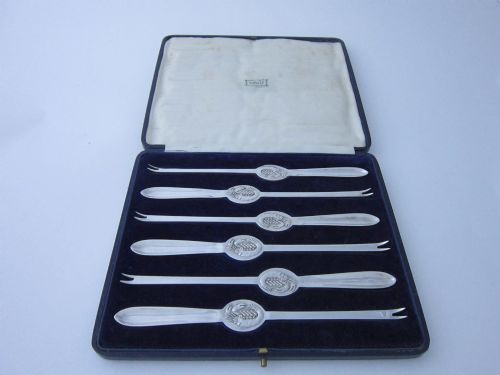
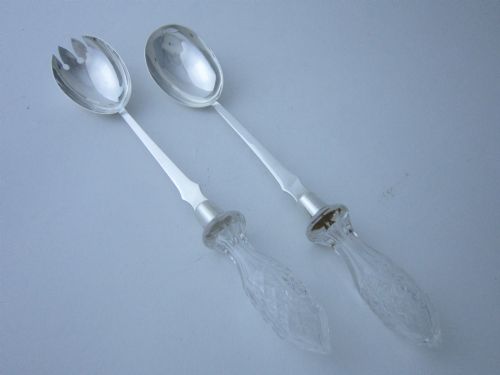
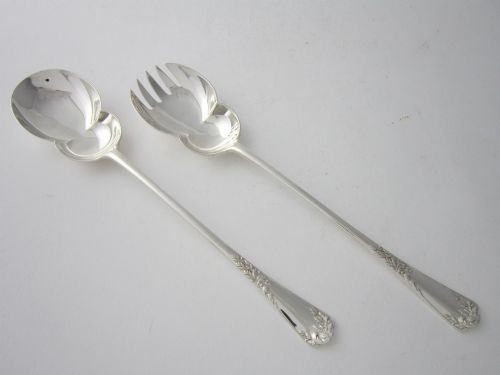
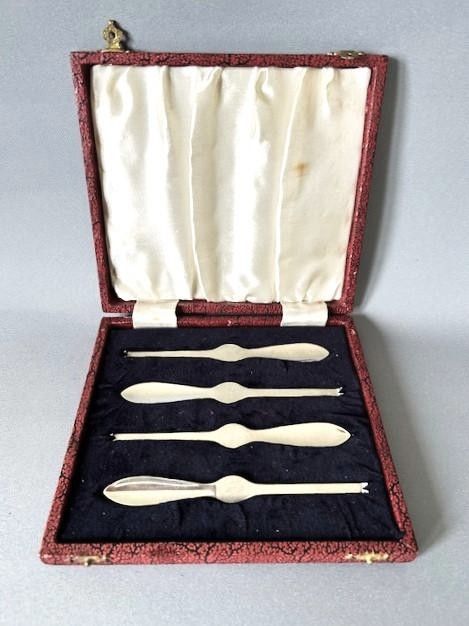
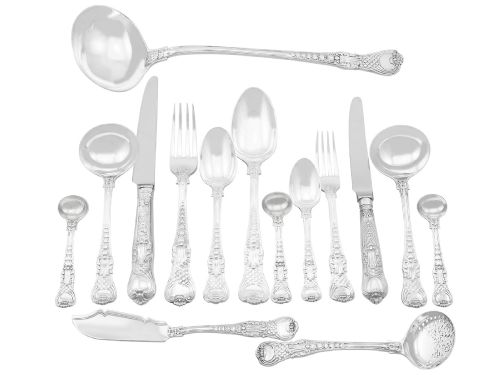
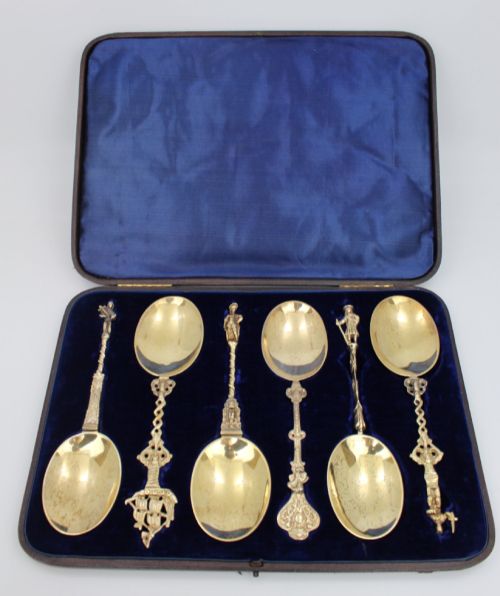
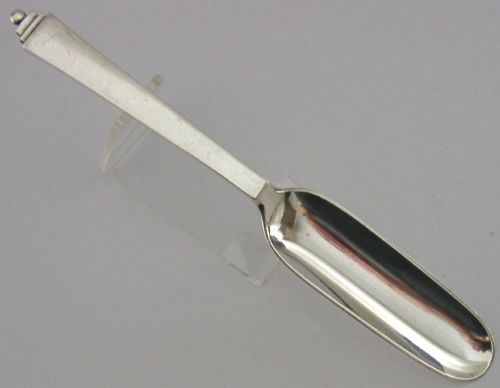
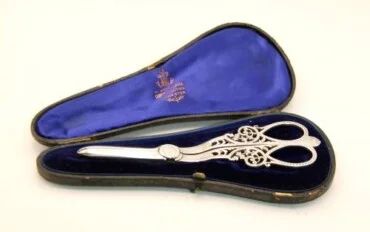
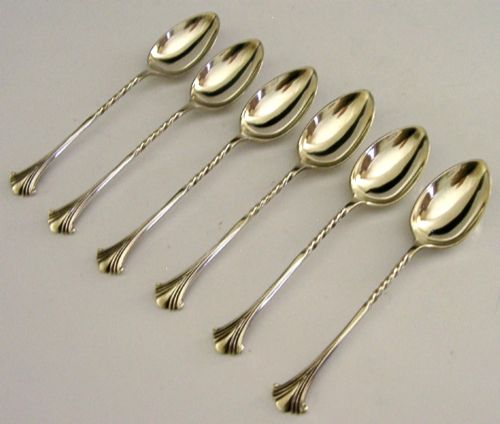
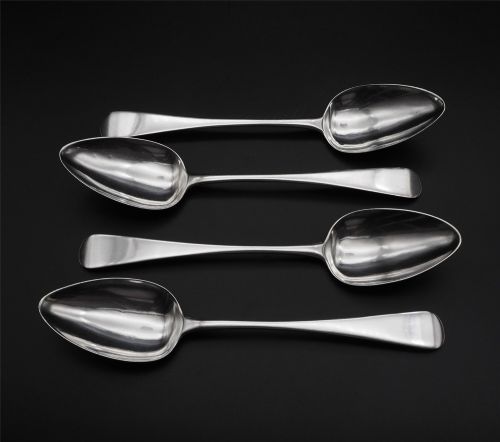
Vintage sterling silver cutlery encompasses individual table pieces alongside specialised serving items like grape shears, marrow scoops, and salad servers. These items span Victorian, Edwardian, and Georgian periods, reaching into mid-century modern design. Buyers frequently encounter fitted cased sets alongside individual spoons and forks.
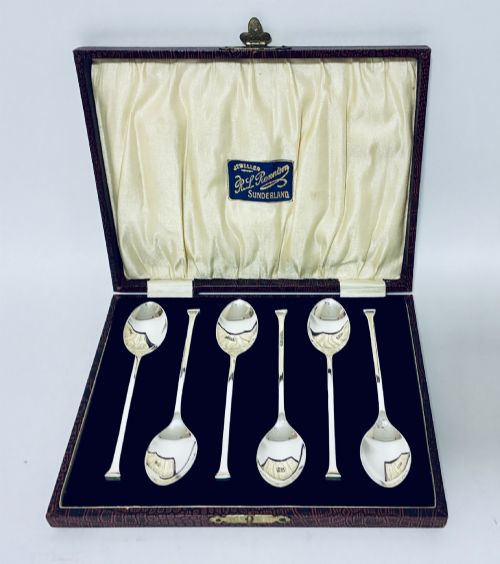
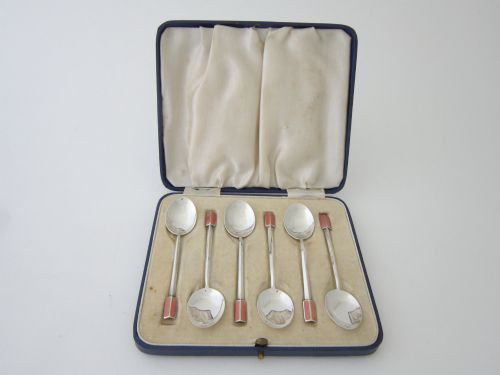
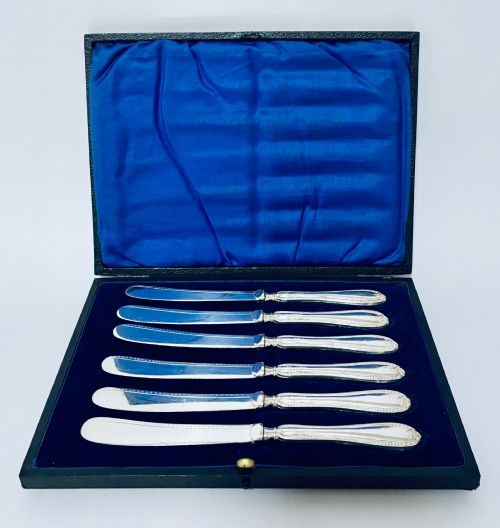
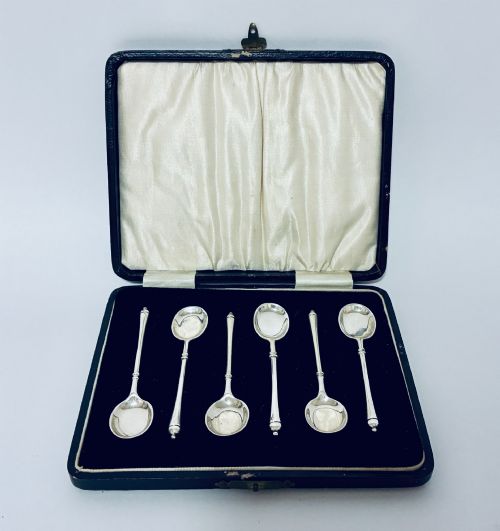
The assortment includes christening sets, butter knives, and grapefruit spoons, often retaining original presentation boxes lined in velvet or silk. Individual pieces bear hallmarks indicating exact assay years and makers across British and international workshops.
Assessing the pieces
Quality rests upon the crispness of stamped hallmarks, the weight of the silver, and the structural integrity of joints on items like tongs and shears. Heavier gauges of silver resist bending and preserve engraved monograms or patterns over decades of use.
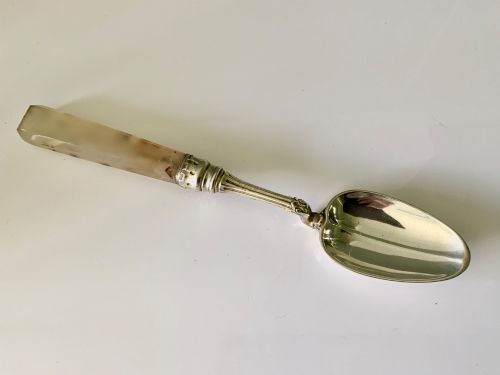
The preservation of original fitted cases and auxiliary materials such as mother of pearl handles elevates an example. Maker attribution, through clear punch marks from established silversmiths, distinguishes standard production items from workshop output.
Vintage Sterling Silver Cutlery Retail Price Guide 2026
Typical asking prices for vintage sterling silver cutlery among the pieces listed under this phrase on Sellingantiques today, from the lower quarter to the upper quarter. They describe what is for sale here now, not the wider market.
Victorian dining required specialised implements for every delicacy, ensuring guests had dedicated tools for marrow, fruit, and grapes.
Georg Jensen·Garrard·Hamilton and Inches·Tiffany·Vale and John·Jonathan Hayne
The Vintage Sterling Silver Cutlery Glossary
- Hallmark
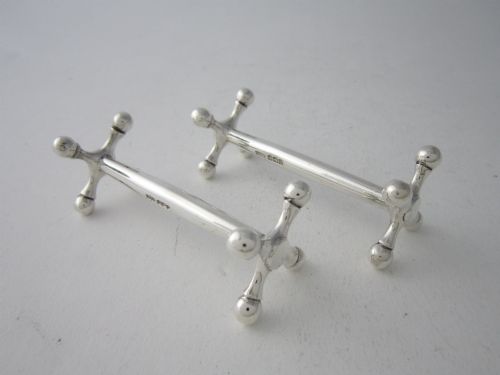
- Official stamps struck into precious metals to indicate the assay office, purity standard, and year of manufacture. These small marks allow collectors to trace the exact origin of a piece.
- Marrow scoop
- A narrow, double-ended spoon designed for extracting bone marrow. Georgian examples feature long, trough-like bowls.
- Rat tail
- A traditional reinforcement strip running down the back of a spoon bowl where it joins the handle stem. It appears frequently on early serving utensils.
- Flatware
- Tableware items that lie flat, such as spoons and forks, distinct from knives and upright serving pieces.
Vintage Sterling Silver Cutlery: Frequently Asked Questions
What is the difference between flatware and cutlery?
Flatware specifically describes items like spoons and forks that rest flat on the table. Cutlery historically encompasses cutting implements, though modern usage often combines both terms.
When purchasing vintage sets, checking the precise composition ensures you receive the correct mix of knives, forks, and serving utensils.
Are these pieces suitable for daily dining?
Sterling silver utensils function well for regular meals, provided they receive careful hand washing after use. Heavier gauges withstand frequent handling without losing their structural balance.
Using vintage pieces daily connects contemporary dining rooms with historical craftsmanship. Ensure specialised items like grapefruit spoons or marrow scoops match your specific culinary habits.
How do I date antique silver pieces?
Dating relies upon the date letter punch within the official hallmark stamped onto the metal. Comparing these symbols against registered assay office records reveals the exact year of production.
Stylistic cues, such as Art Deco geometric lines or Victorian ornamentation, provide a secondary guide when hallmarks are rubbed or partially obscured.