





Vintage Sterling Silver Casket
A vintage sterling silver casket holds personal treasures, combining precious metal with period craftsmanship for any dressing table.
Vintage Sterling Silver Casket
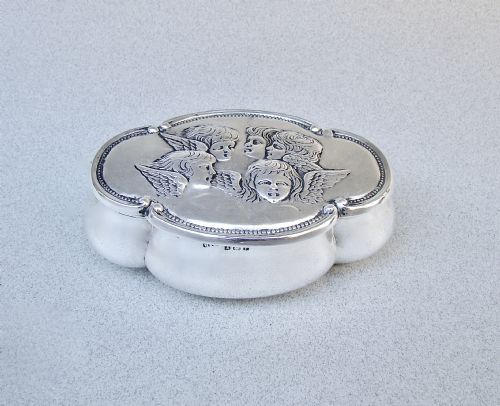
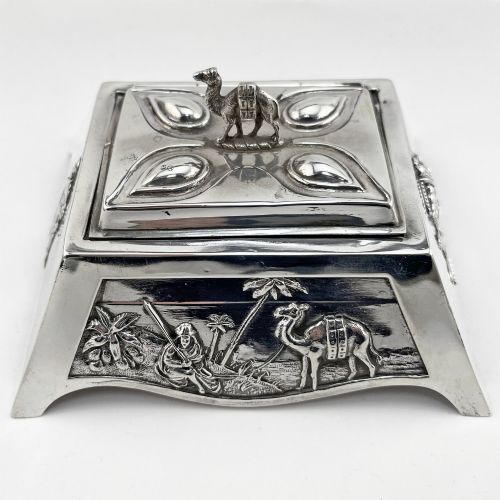
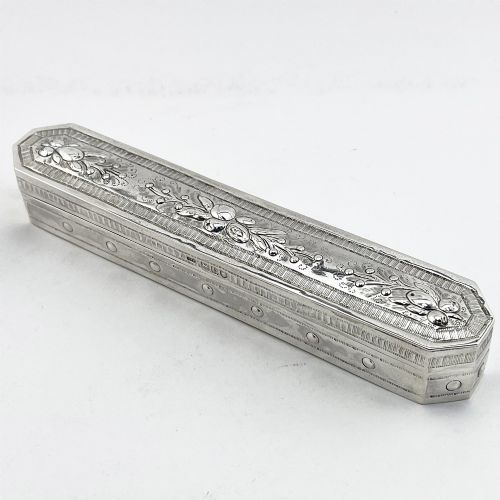
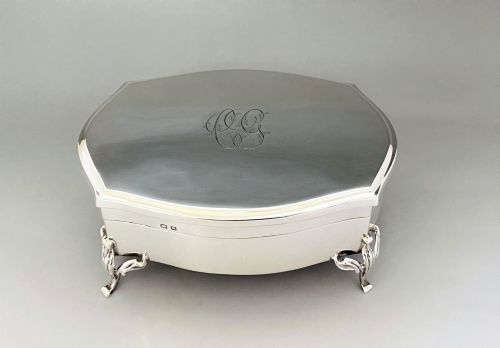
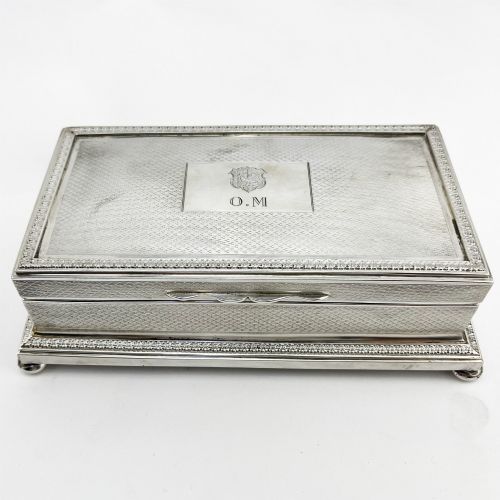
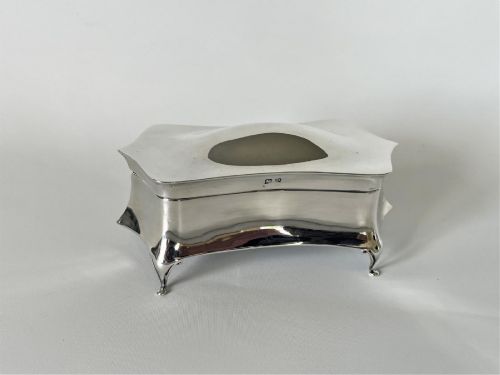
A vintage sterling silver casket is a small container designed for jewellery, trinkets, or cigarettes, appearing in forms such as jewellery boxes, card boxes, and dressing table caskets. These pieces span periods from the late Victorian era through the Edwardian years and into Art Deco and mid-century modern designs.
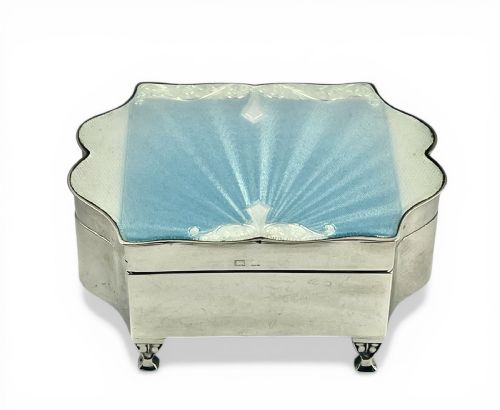
Makers utilised various supplementary elements alongside the metal, resulting in boxes paired with tortoiseshell, enamel, porcelain, and white onyx. Each object reflects the prevailing decorative style of its decade, from floral scrolls to geometric lines.
Distinctions in quality
Quality rests in the gauge of the silver and the crispness of the hallmarks stamped into the metal. Heavier metal gauge prevents denting and provides a substantial feel in the hand.
The integration of secondary materials defines the upper tier of the range. Intact enamel without hairline fractures, polished tortoiseshell showing natural amber tones, and secure stone settings distinguish superior boxes from standard production.
Vintage Sterling Silver Casket Retail Price Guide 2026
Typical asking prices for vintage sterling silver casket among the pieces listed under this phrase on Sellingantiques today, from the lower quarter to the upper quarter. They describe what is for sale here now, not the wider market.
Some boxes double as card holders with rising trays, ready for an impromptu game of whist.
Mappin & Webb·Wang Hing & Co·A & J Zimmerman Ltd·William Neale & Sons·Deakin & Francis
The Vintage Sterling Silver Casket Glossary
- Sterling silver
- An alloy containing 92.5 percent silver and 7.5 percent other metals, usually copper, chosen for durability in tableware and decorative boxes. This standard is verified by assay office hallmarks.
- Hallmark
- A set of official marks stamped on precious metals indicating the maker, assay office, standard of purity, and year of production. British pieces typically show a lion passant and town marks.
- Tortoiseshell
- The mottled brown and amber shell of certain turtle species used as an overlay on silver boxes, popular during the Edwardian period. It is often pique-worked with gold or silver inlay.
- Repoussé
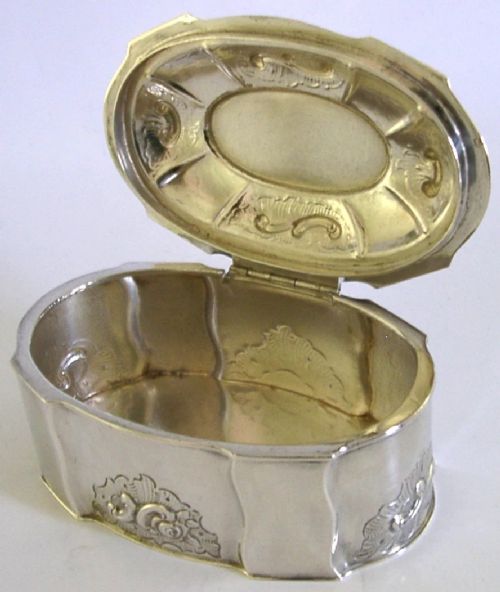
- A metalworking technique where the smith hammers the silver from the reverse side to form a raised design in relief on the front. Floral scrolls and figures are frequently rendered this way.
- Assay office
- An official organisation that tests the purity of precious metal items and applies statutory hallmarks. Birmingham, Chester, and London offices appear frequently on these pieces.
Vintage Sterling Silver Casket: Frequently Asked Questions
What were sterling silver caskets used for?
These boxes served as secure receptacles for valuable personal items such as rings, necklaces, cufflinks, and loose trinkets on dressing tables. Smokers also utilised them to hold cigarettes and cigars in reception rooms.
Over time, their roles shifted from daily utility items to decorative display pieces, prized for holding small keepsakes and enhancing interior surfaces.
How do I identify the date of a silver box?
Dating relies upon reading the hallmarks stamped into the silver, which include specific letters corresponding to the year of assay. Style indicators also help, as Edwardian pieces lean towards floral motifs while Art Deco examples favour geometric lines.
Comparing the maker's mark against historical records provides further confirmation of the decade in which the box left the workshop.
How should I clean a silver casket?
Maintenance requires a soft cloth and a gentle silver polish formulated to remove tarnish without abrading the metal surface. Care must be taken around inset materials like enamel, tortoiseshell, or porcelain to avoid chemical damage.
Regular, light dusting prevents the accumulation of grime in engraved crevices and maintains the natural lustre of the sterling silver.
Are wooden linings original?
Many period boxes contain original cedar, mahogany, or velvet linings designed to cushion contents and prevent moisture accumulation. These internal elements show age through natural darkening and wear consistent with the exterior.
Replacement linings occur when older fabrics deteriorate, though surviving original interiors remain preferred by collectors.