

Silver Vanity Table Box
A silver vanity table box brings together metalwork and glass to hold small personal belongings on a dressing surface.
Silver Vanity Table Box
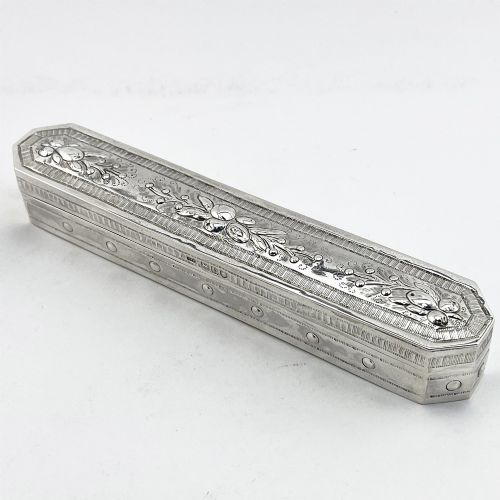
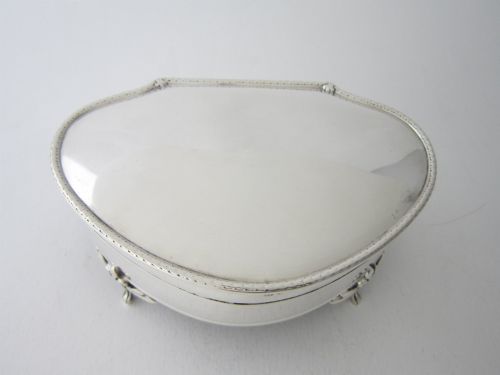
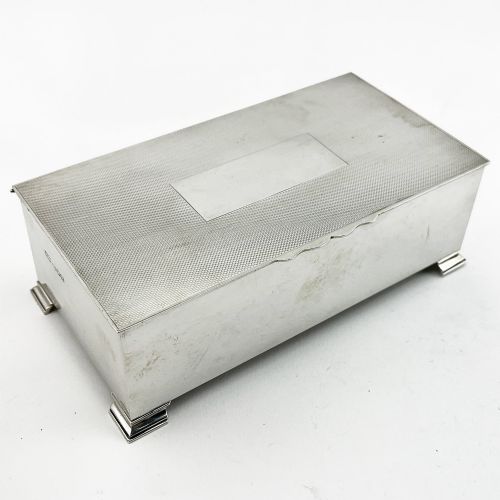
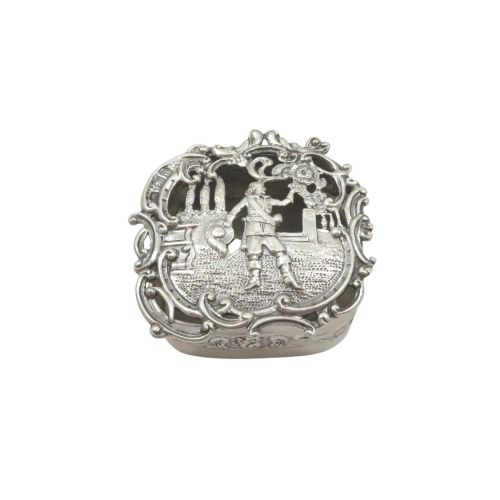
A silver vanity table box serves to hold jewellery, trinkets, pins or cosmetics on a dressing table. The silver vanity table box ranges from small pill containers to substantial dressing table jars made throughout the Victorian, Edwardian and Art Deco periods.
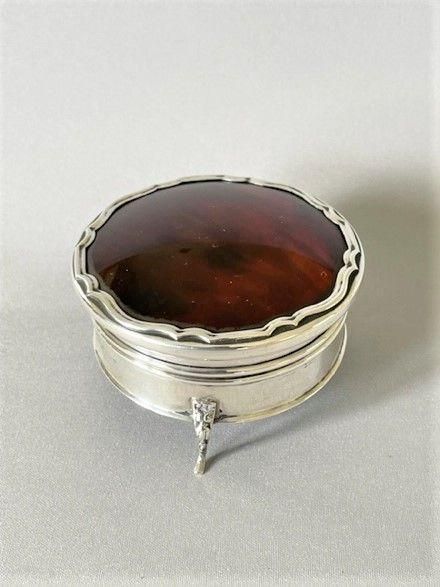
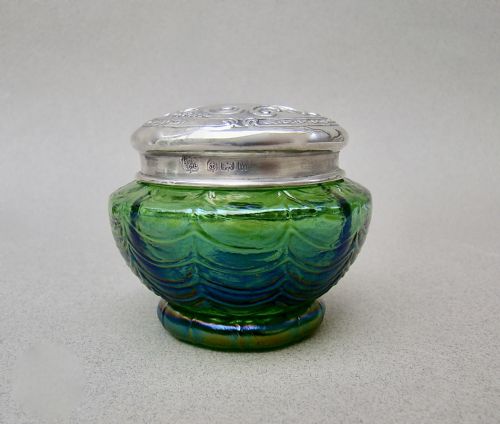
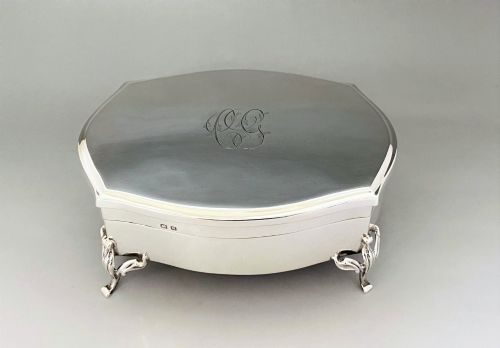
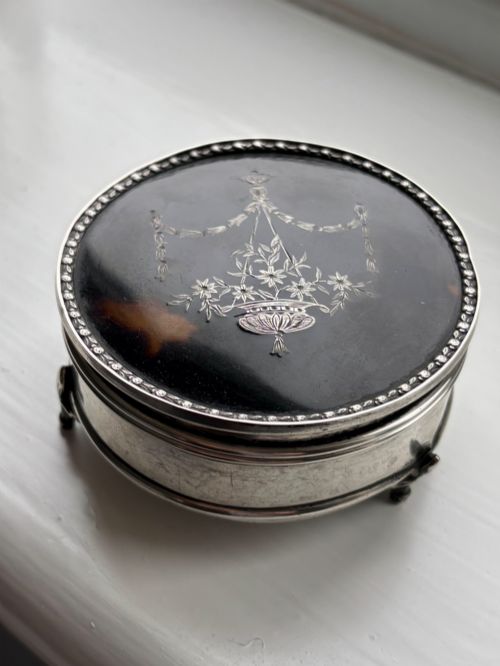
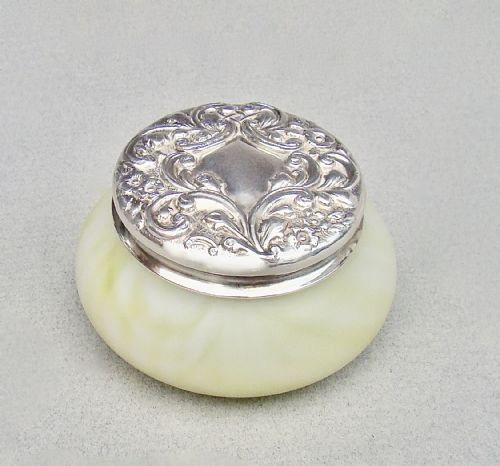
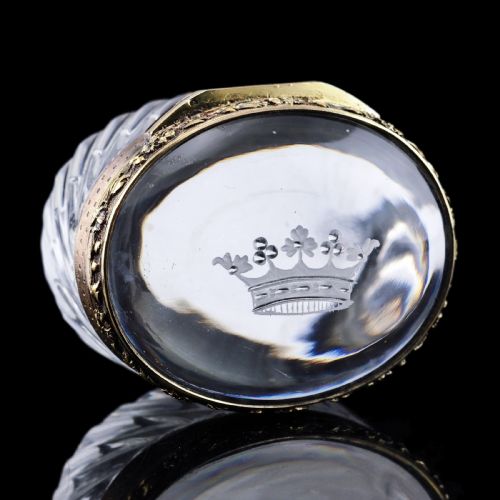
Most examples combine a solid silver lid with a base formed from cut glass, crystal or coloured glass. The silver vanity table box also appears entirely in solid silver, sometimes incorporating interior velvet linings or panels of enamel and tortoiseshell.
Pieces span English work from Birmingham, London and Chester alongside continental European pieces. The silver vanity table box reflects the dressing habits of the nineteenth and twentieth centuries.
Materials and construction
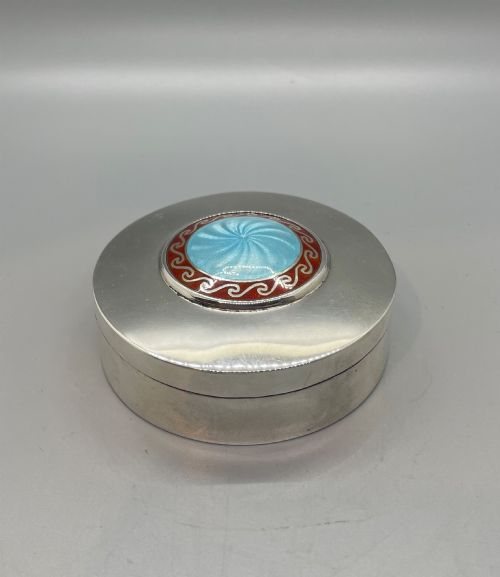
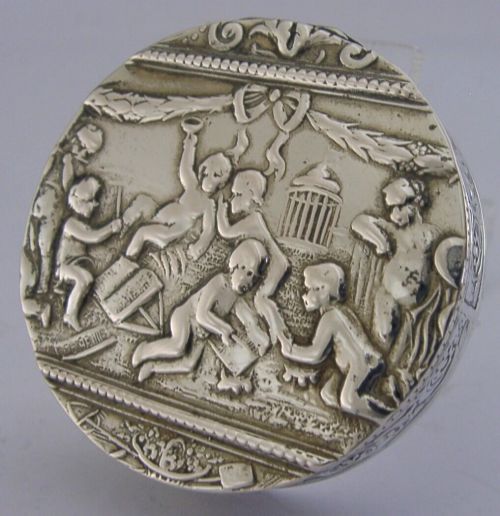
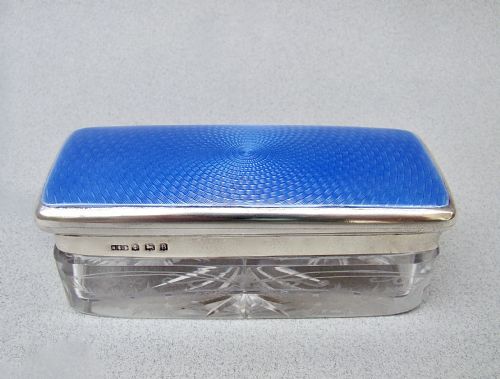
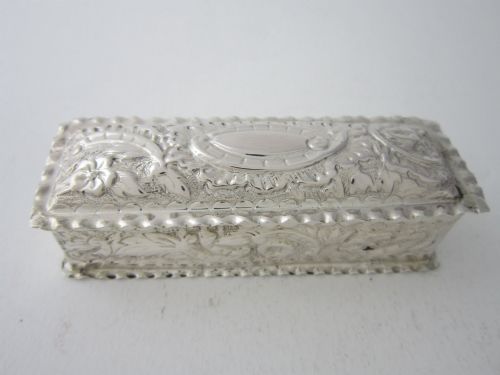
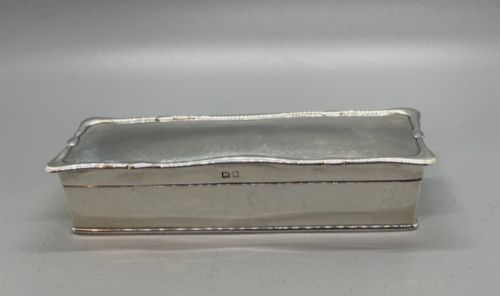
Silversmiths formed the lids and mounts from sterling silver or solid silver, often applying repoussé, engraving or engine-turned guilloché enamel. Assay office hallmarks stamped into the metal record the year of creation and the town of manufacture.
Glass bodies were blown, moulded and heavily cut to catch the light on a dressing surface. Artisans fitted metal mounts directly to the glass or combined silver with organic elements such as tortoiseshell and pique work.
Object forms include trinket boxes, jewellery boxes, vanity jars, dressing table boxes, pill boxes and cigar travel boxes.
Distinctions in quality
Quality rests upon the crispness of the chasing on the silver lid and the depth of the cutting in the glass base. Thicker gauge silver and well-preserved enamel layers separate finer workshop output from standard production.
The integration between metal mounts and glass or organic materials dictates the overall finish. Maker attribution to notable firms adds distinct weight to a piece.
A. J. Pepper & Co·Ollivant & Botsford·Henry Clifford Davis·A. Bromet & Co·Mappin & Webb·Paul Storr·Edward Smith·William Hutton·Jane Brownett Alexander Jones
The Silver Vanity Table Box Glossary
- Guilloché
- A decorative engine-turned technique producing intricate geometric patterns beneath a translucent layer of coloured enamel.
- Hallmark
- Official marks stamped into precious metal indicating the maker, standard of silver, assay office and year of production.
- Repoussé
- Metalworking technique where the silver is hammered into relief from the reverse side to create raised ornamentation.
- Pique work
- The insertion of tiny gold or silver pins into tortoiseshell to form delicate patterns on box lids.
- Sterling silver
- An alloy consisting of silver and other metals, traditionally containing a set proportion of pure silver by weight.
Silver Vanity Table Box: Frequently Asked Questions
What fits inside a silver vanity table box?
These containers hold small items such as rings, earrings, pins, pills and personal keepsakes. Deeper jars accommodate cosmetics or dressing table accessories.
Larger variants suit surface storage for jewellery collections or travel items.
How do I date a silver vanity table box?
Dating relies on the assay office hallmarks stamped into the silver mounts. These marks indicate the exact year the piece was tested and marked.
Stylistic cues such as Art Deco geometric lines or Victorian floral repoussé help narrow the period.
Are the glass bases original to the silver lids?
Most glass bodies and crystal jars were manufactured specifically for their silver mounts. The snug fit between the collar and the glass indicates original pairing.
Hand-cut details and matching wear patterns confirm the unity of lid and base.
How should I clean the silver and glass?
Gentle wiping with a soft cloth maintains the polished finish of the silver mounts. Special care is needed around enamel and tortoiseshell panels to avoid moisture damage.
Glass bases can be washed separately in warm soapy water if detached from the metal.