
Vintage Sterling Silver Case
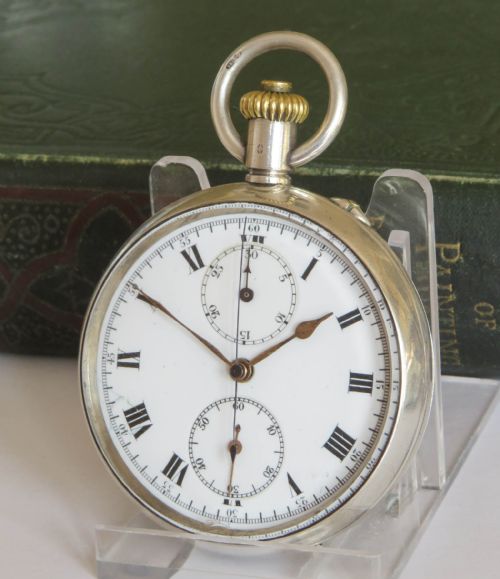
These pieces known as a vintage sterling silver case span Edwardian pockets and Art Deco dressing tables.
Vintage Sterling Silver Case
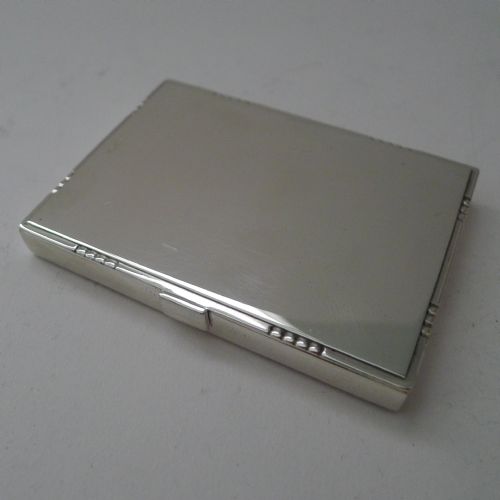
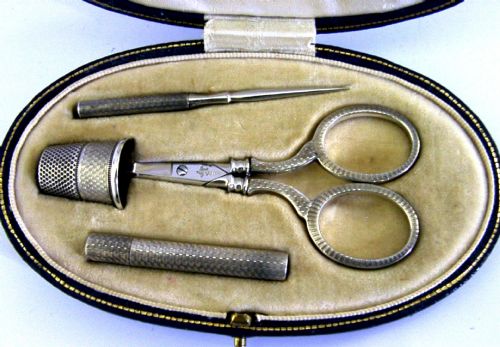
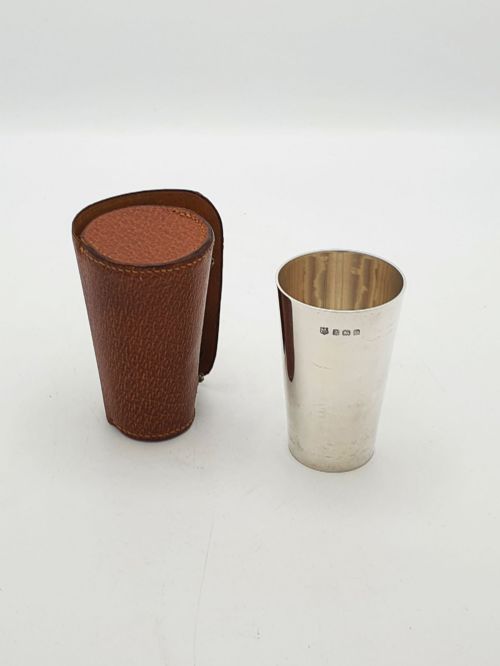
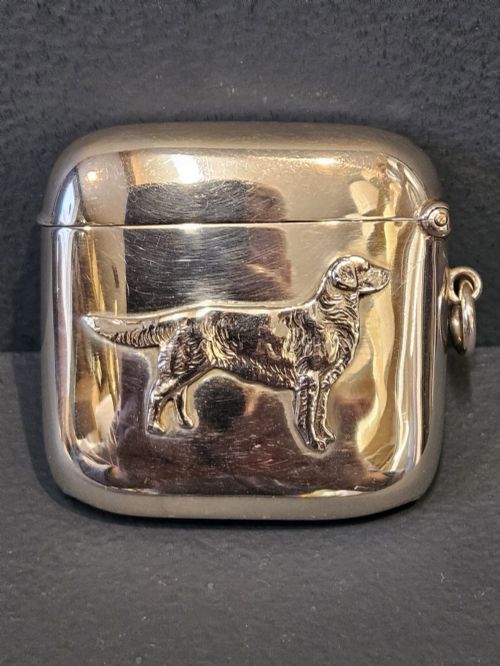
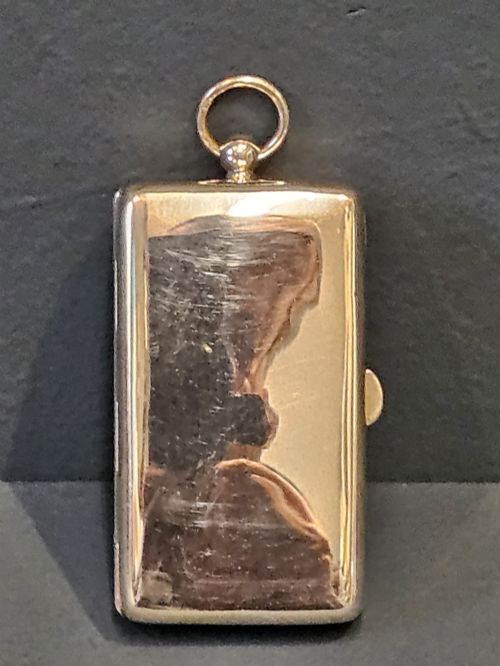
A vintage sterling silver case encompasses small portable containers and fitted presentation boxes spanning the Victorian, Edwardian, and mid-century periods. These items include pocket-sized vesta boxes, sovereign holders, stamp cases, and card cases alongside larger fitted dressing table or cased sets.
The objects originate primarily from English assay offices in Birmingham, Chester, and London, reflecting domestic social habits of the early twentieth century. Common forms also incorporate structural housings for playing cards, cigarettes, and menu holders.
Buyers encounter functional personal accessories alongside presentation sets meant for safekeeping rather than daily carriage. The selection preserves the tangible domestic metalwork typical of the George V and Art Deco eras.
How they were made
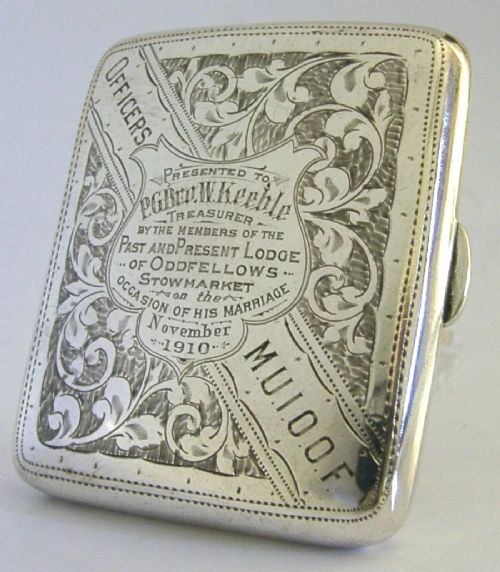
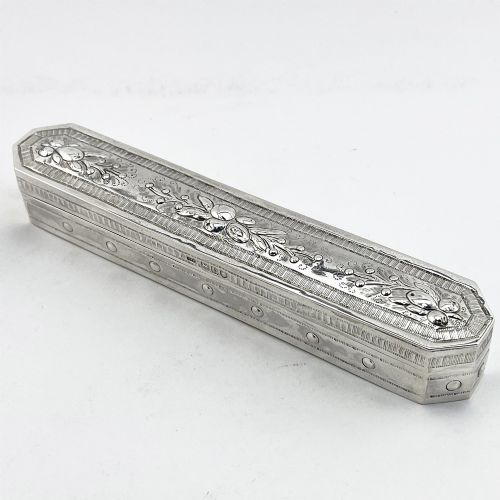
Makers shaped the items from solid sterling silver using traditional smithing techniques, often combining the metal with internal linings of velvet, silk, satin, leather, or leatherette. Exterior surfaces frequently received engine-turned geometric patterns, hand-painted enamel details, or embossed animal motifs.
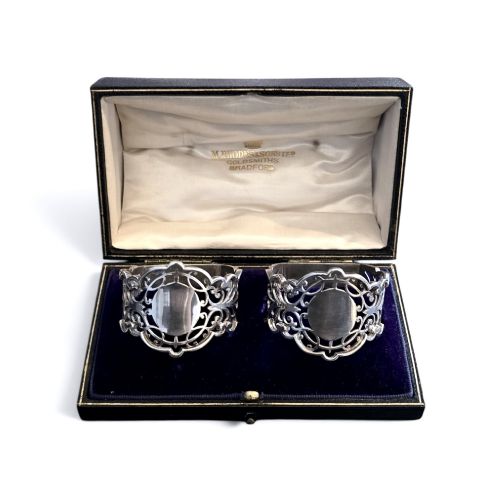
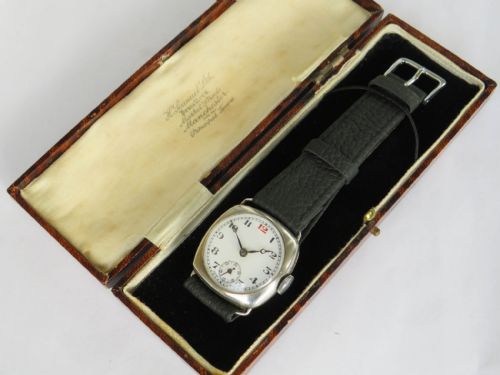
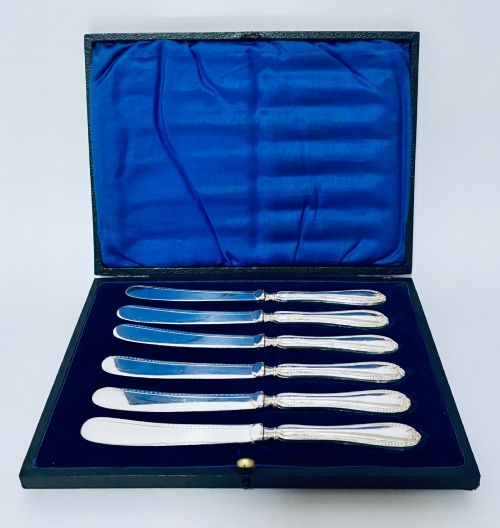
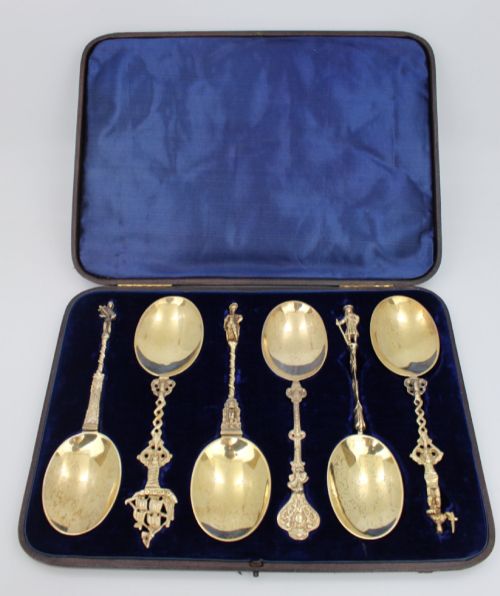
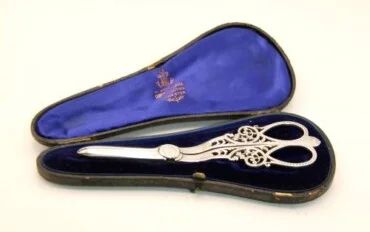
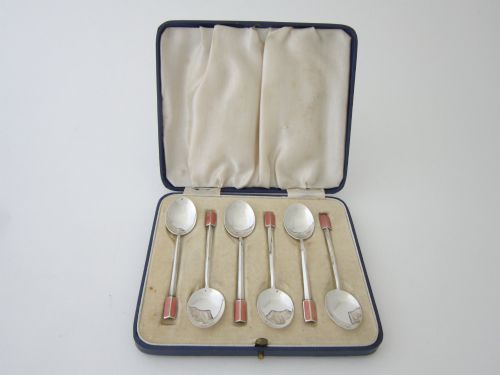
Fitted presentation boxes relied on timber frames wrapped in protective leathers and lined with soft textiles to secure individual spoons, napkin rings, or cruet sets. Structural hinges, clasps, and spring-loaded lids required precise mechanical joining to ensure daily wear resistance.
Listings feature items from the Victorian, Edwardian, and Art Deco periods, combining solid sterling silver with silk, velvet, enamel, and crocodile skin.
What varies in quality
Quality rests on the crispness of the original hallmarks, the depth of the metal gauge, and the preservation of delicate surface treatments such as hand-painted enamel or fine crocodile skin inserts. Pieces featuring sculptural figural elements, like owl menu holders or animal card cases, demonstrate superior artisan skill compared to plain functional forms.
The integrity of internal linings and the smooth mechanical action of spring-loaded lids or snap clasps distinguish higher tier examples. Original fitted presentation cases remaining intact alongside the silver contents elevate the overall integrity of the surviving object.
Charles Penny Brown·Aaron Lufkin Dennison·Levi And Salaman·Ev Pledge And Son·Crisford And Norris·Mappin And Webb
The Vintage Sterling Silver Case Glossary
- Vesta Case
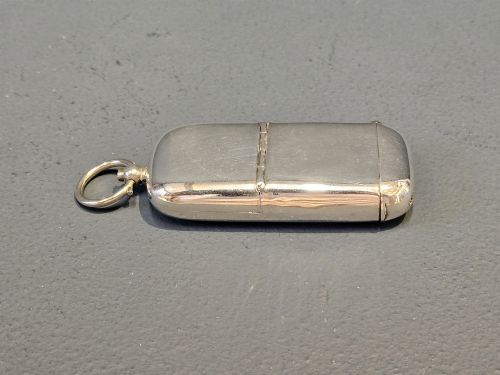
- A small pocket container specifically designed to hold matches and keep them dry. These portable boxes typically feature a striking surface on the base.
- Sovereign Case
- A small circular pocket holder engineered to store gold sovereign coins securely. Spring-loaded internal clips usually prevent the coins from rattling.
- Assay Office
- An official body that tests the purity of precious metals and stamps them with statutory hallmarks. Towns such as Birmingham, Chester, and London maintained active assay offices.
- Hallmark
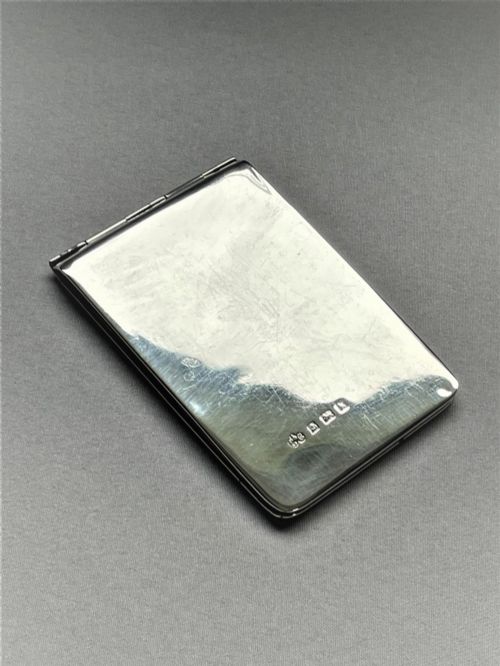
- A series of official marks stamped onto silver indicating the standard of purity, the assay office, and the year of manufacture. These symbols provide a reliable chronological anchor for collectors.
- Aide Memoire
- A small pocket notebook or memorandum case fitted with an ivory or metal writing tablet and pencil. They often incorporate compartments for visiting cards or stamps.
Vintage Sterling Silver Case: Frequently Asked Questions
What is a vesta case used for?
A vesta case was designed to hold matches safely in the pocket before the widespread availability of safety matches and reliable lighters. The corrugated base allowed the user to strike the match directly on the case.
These compact containers became essential personal accessories during the Victorian and Edwardian periods, often decorated with engraved patterns or figural shapes.
How do I date an antique silver case?
Dating relies on the set of stamped hallmarks struck into the metal by an official assay office. These small marks typically include a maker's mark, a purity symbol like the lion passant, and a date letter corresponding to a specific year.
Additional clues come from the overall style, such as Edwardian restraint or Art Deco geometry, which align with the recorded assay office date letter.
How should I clean silver with enamel?
Enamel surfaces require gentle cleaning with warm soapy water and a soft cloth rather than harsh abrasive silver polishes. Chemical dips can permanently ruin fragile hand-painted or coloured glass surfaces.
Care must be taken to keep moisture away from internal textile linings like velvet or silk while cleaning the exterior silver mount.
What was an aide memoire used for?
An aide memoire served as a pocket diary and card case for recording social engagements, calling addresses, and brief notes. They frequently contained a small erasable tablet paired with a tiny pencil.
Wealthy individuals carried these refined silver pieces to keep track of daily visits and correspondence during the late nineteenth and early twentieth centuries.