

Vintage Sterling Cutlery
Vintage sterling cutlery brings enduring craftsmanship to the table, offering functional silver service pieces from multiple historical periods.
Vintage Sterling Cutlery
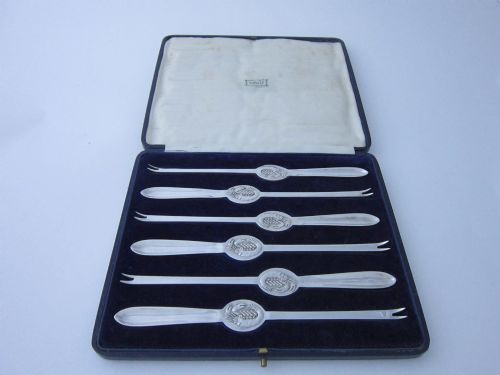
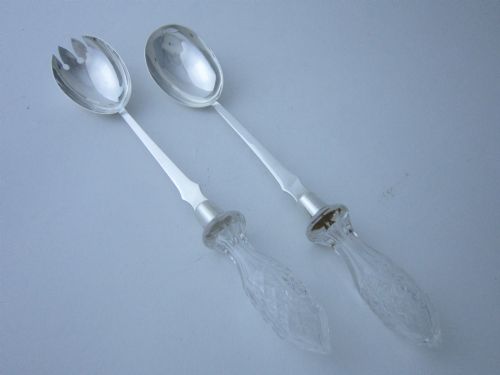
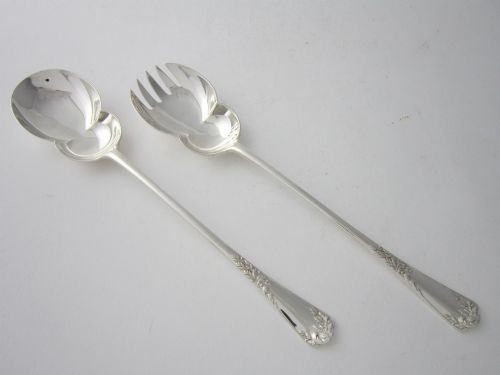
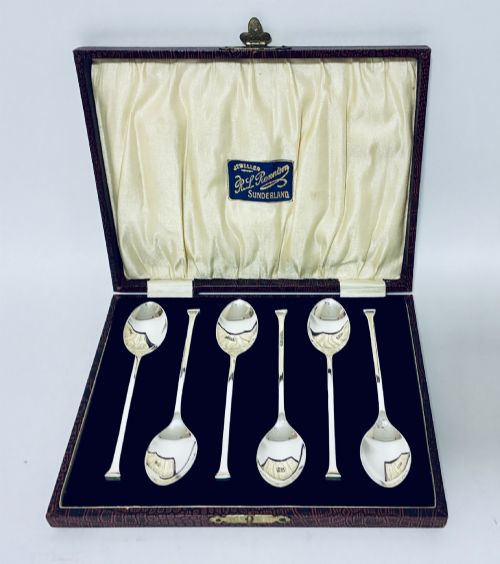
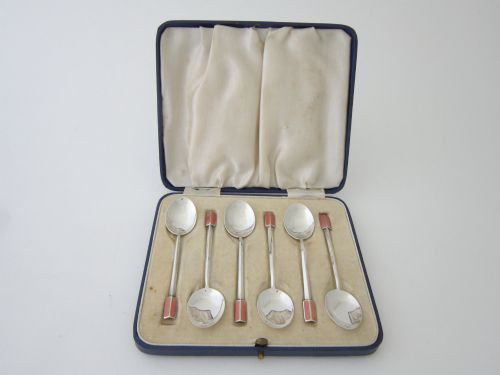
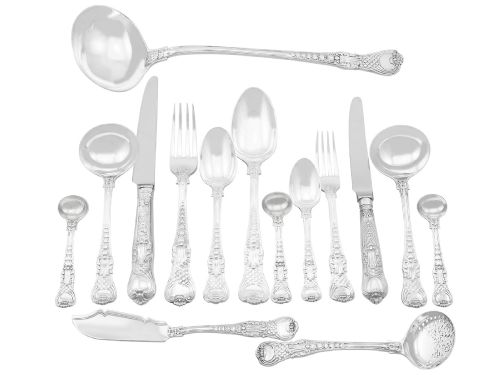
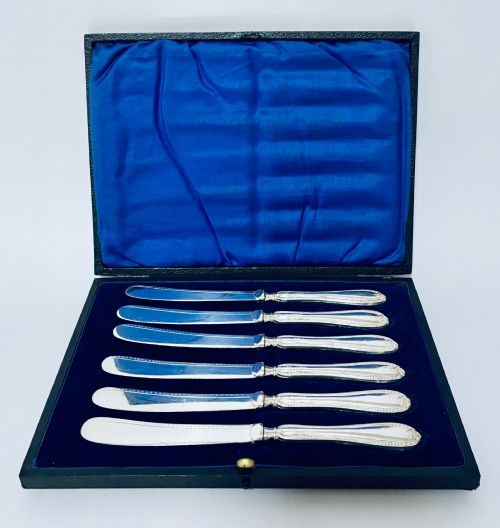
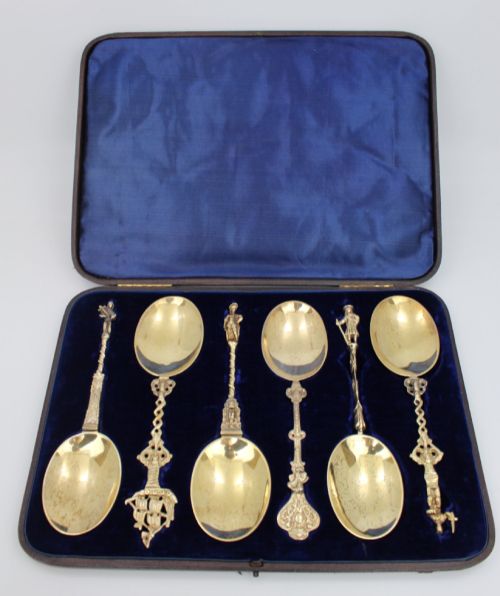
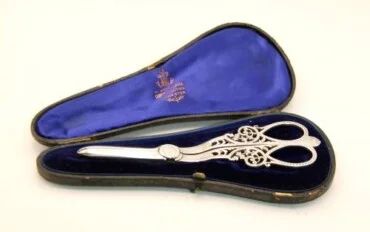
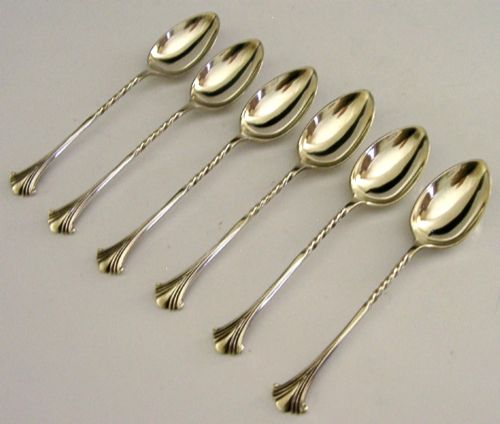
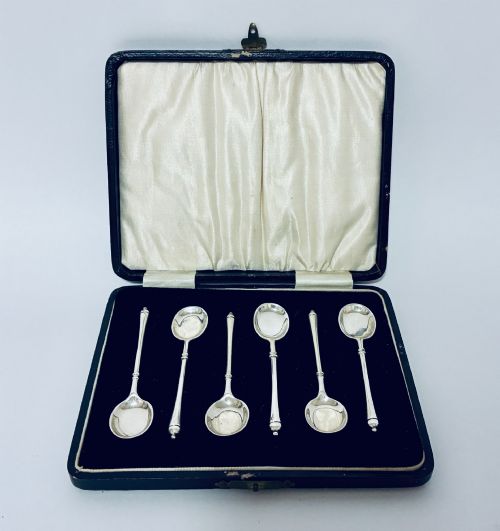
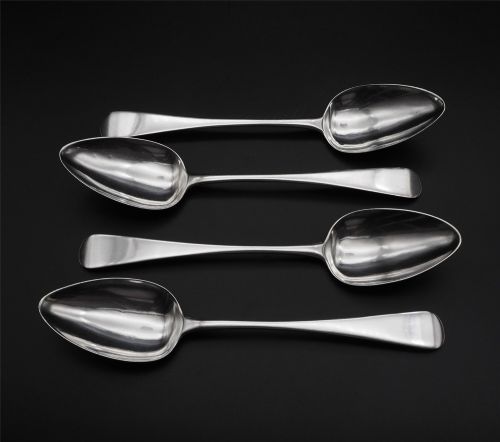
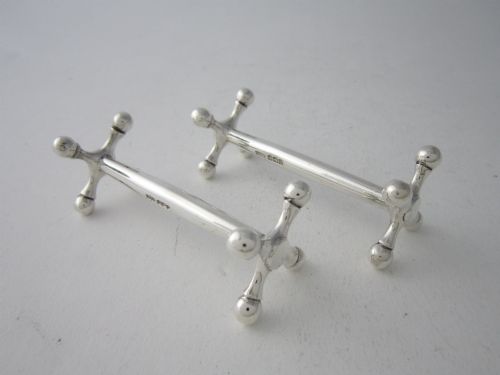
Vintage sterling cutlery encompasses a wide range of silver tableware, flatware, and specialised serving implements designed for formal dining and daily use. When exploring vintage sterling cutlery, buyers encounter individual spoons, grape shears, marrow scoops, fish slices, and complete canteens housed in fitted boxes.
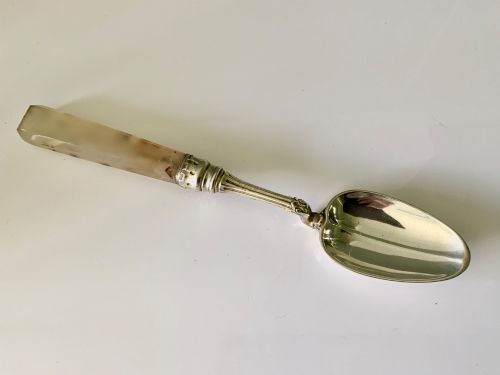
Pieces frequently incorporate supplementary elements such as mother-of-pearl handles, agate, glass, and steel components. This variety reflects the changing dining habits and social rituals of British and international households across several centuries.
How they were made
Makers shaped vintage sterling cutlery using traditional silversmithing techniques including casting, hammering, and rat-tail reinforcement. Blades, bowls, and tines were formed from sterling silver and silver alloys, often paired with organic materials for handles.
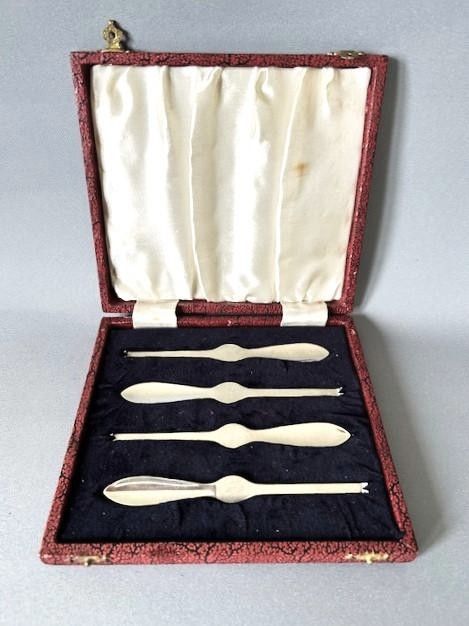
Handles frequently utilise mother-of-pearl, agate, and carved bone, secured to silver ferrules and tangs. Fitted presentation cases lined with velvet, silk, leatherette, or leather protected these delicate implements during storage and transport.
Vintage Sterling Cutlery Retail Price Guide 2026
Typical asking prices for vintage sterling cutlery among the pieces listed under this phrase on Sellingantiques today, from the lower quarter to the upper quarter. They describe what is for sale here now, not the wider market.
Lobster picks and marrow scoops wait patiently for rich feasts, proving that past dining habits involved dedicated tools for every imaginable delicacy.
What varies in quality
Quality in vintage sterling cutlery rests upon the thickness of the silver gauge, the crispness of cast or chased ornamentation, and the integrity of the maker's mark. Heavier weight silver utensils and substantial flatware sets demonstrate superior substance and durability.
The condition of accompanying fitted cases and auxiliary materials like mother-of-pearl or agate handles distinguishes ordinary examples from finer survivals. Maker attribution, such as work by established silversmiths or firms like Georg Jensen and Tiffany, elevates the standing of individual pieces.
Georg Jensen·Worshipful Company of Harberdashers·Hamilton and Inches·Vale and John·Tiffany·Jonathan Hayne·Connell
The Vintage Sterling Cutlery Glossary
- Sterling silver
- A silver alloy containing 92.5 percent pure silver and 7.5 percent other metals, usually copper, chosen for strength. This standard has governed British silver production for centuries.
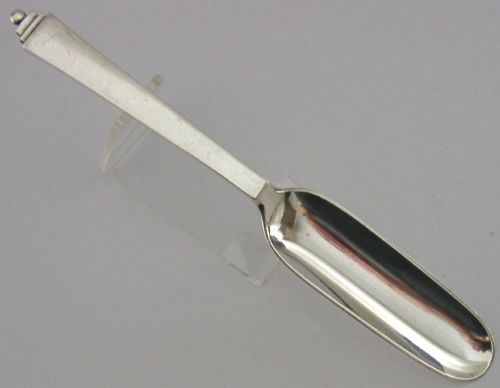
- Marrow scoop
- A narrow, elongated silver utensil featuring small troughs at each end, designed for extracting bone marrow. Georgian examples display particularly elegant, utilitarian lines.
- Flatware
- Table utensils used for eating and serving food, such as spoons, forks, and knives. In vintage collections, these often arrive as matched or assembled sets.
- Ferrules
- The metal bands or caps joining a utensil blade or prong to its handle. They provide structural stability and decorative transition on pieces featuring mother-of-pearl or agate.
- Rat tail
- A traditional strengthening ridge running down the back of a spoon bowl from the handle base. This feature appears on early serving pieces and salad servers.
Vintage Sterling Cutlery: Frequently Asked Questions
How do I clean vintage sterling cutlery?
Clean silver pieces gently using a soft cloth and specialised silver polish to preserve the original hallmarks and surface detail. Avoid harsh abrasives that can thin the silver layer or damage organic handle materials.
Store items in dry environments, preferably within lined presentation cases or anti-tarnish rolls, to minimise exposure to atmospheric moisture and sulfur.
Can I use these items for everyday dining?
Many vintage sterling cutlery pieces remain fully functional for modern meals, from dessert spoons to salad servers. Solid construction allows for regular use provided they receive proper hand washing.
Delicate items featuring hollow handles, mother-of-pearl, or fine engraved blades require hand washing without harsh dishwashing detergents or mechanical cycles.
What do the hallmarks tell me?
British hallmarks indicate the assay office, the standard of silver purity, and the specific year letter code for manufacture. Additional maker marks identify the silversmith or retail firm responsible for the piece.
Interpreting these stamped symbols allows collectors to date items accurately and verify genuine sterling silver composition across Victorian, Edwardian, and Georgian periods.
Are cased sets better than loose pieces?
Cased sets preserve the original presentation and often include fitted velvet or silk linings designed specifically for the utensils. This packaging protects the pieces from knocks and helps prevent oxidation during storage.
Loose pieces and assembled collections offer flexibility for everyday use or mixing patterns, though complete matched canteens remain prized by collectors.
How do I identify different periods?
Stylistic indicators such as Art Deco geometric lines, Victorian ornate chasing, or Georgian simplicity help distinguish eras alongside stamped date letters. Examining the manufacturing technique and handle materials also clarifies the period of origin.
Comparing hallmark date symbols against official assay records provides the exact year of production for British silver items.