

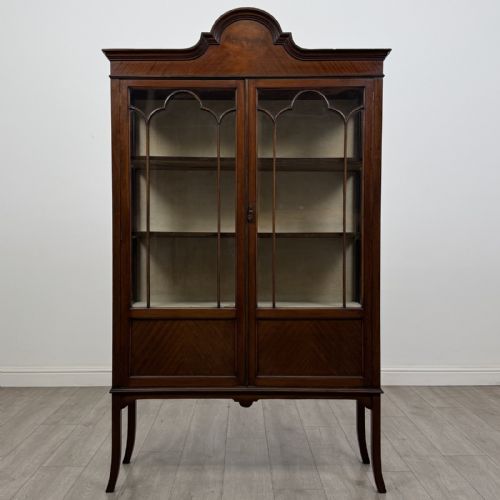
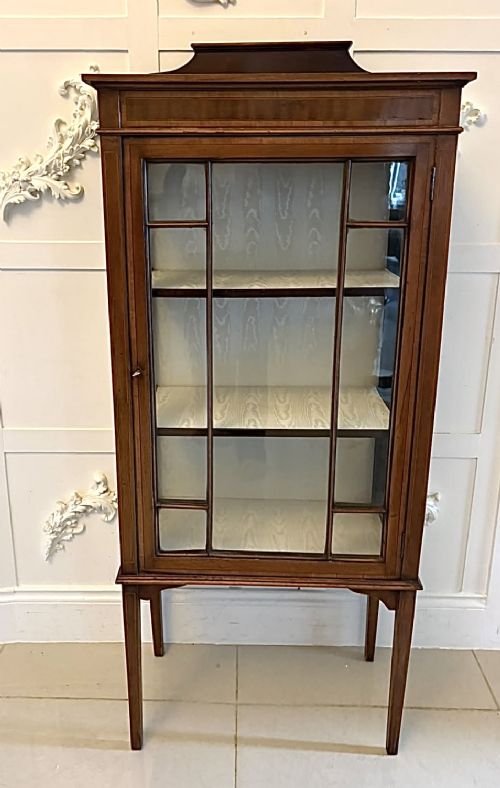
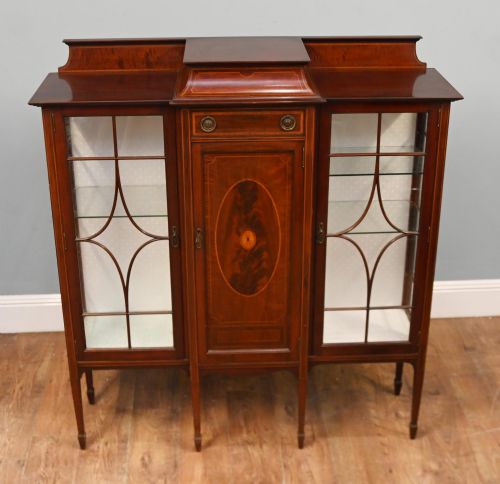
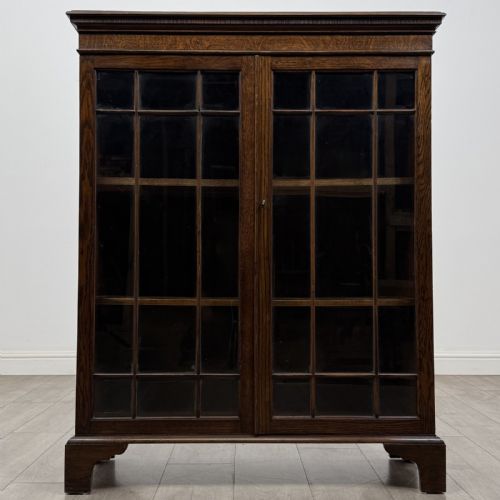
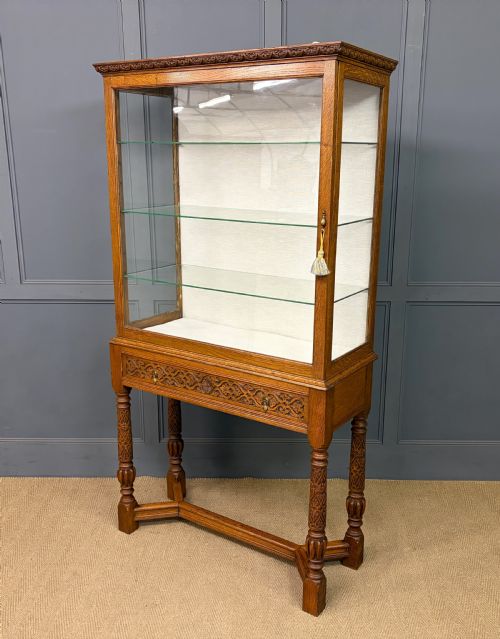
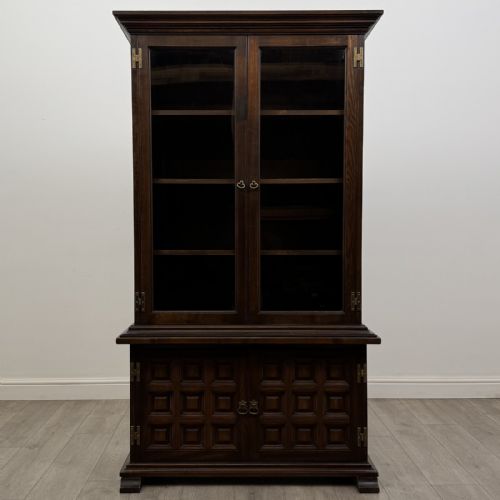
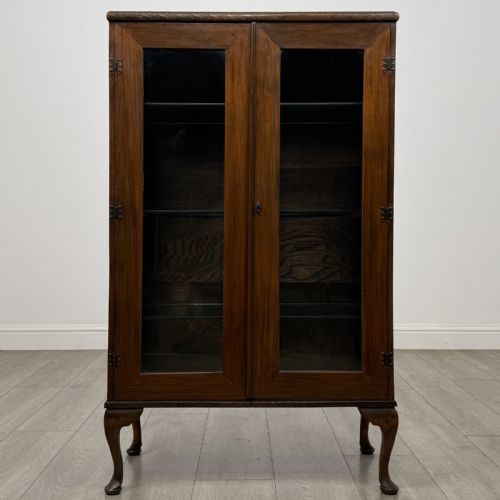
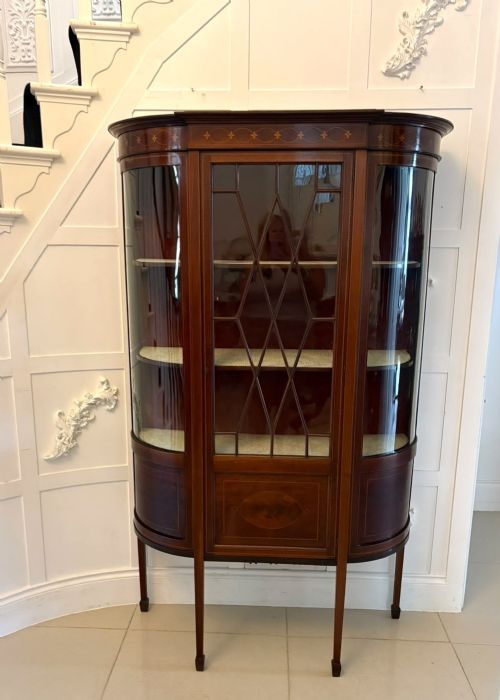
Vintage Standing China Cabinet
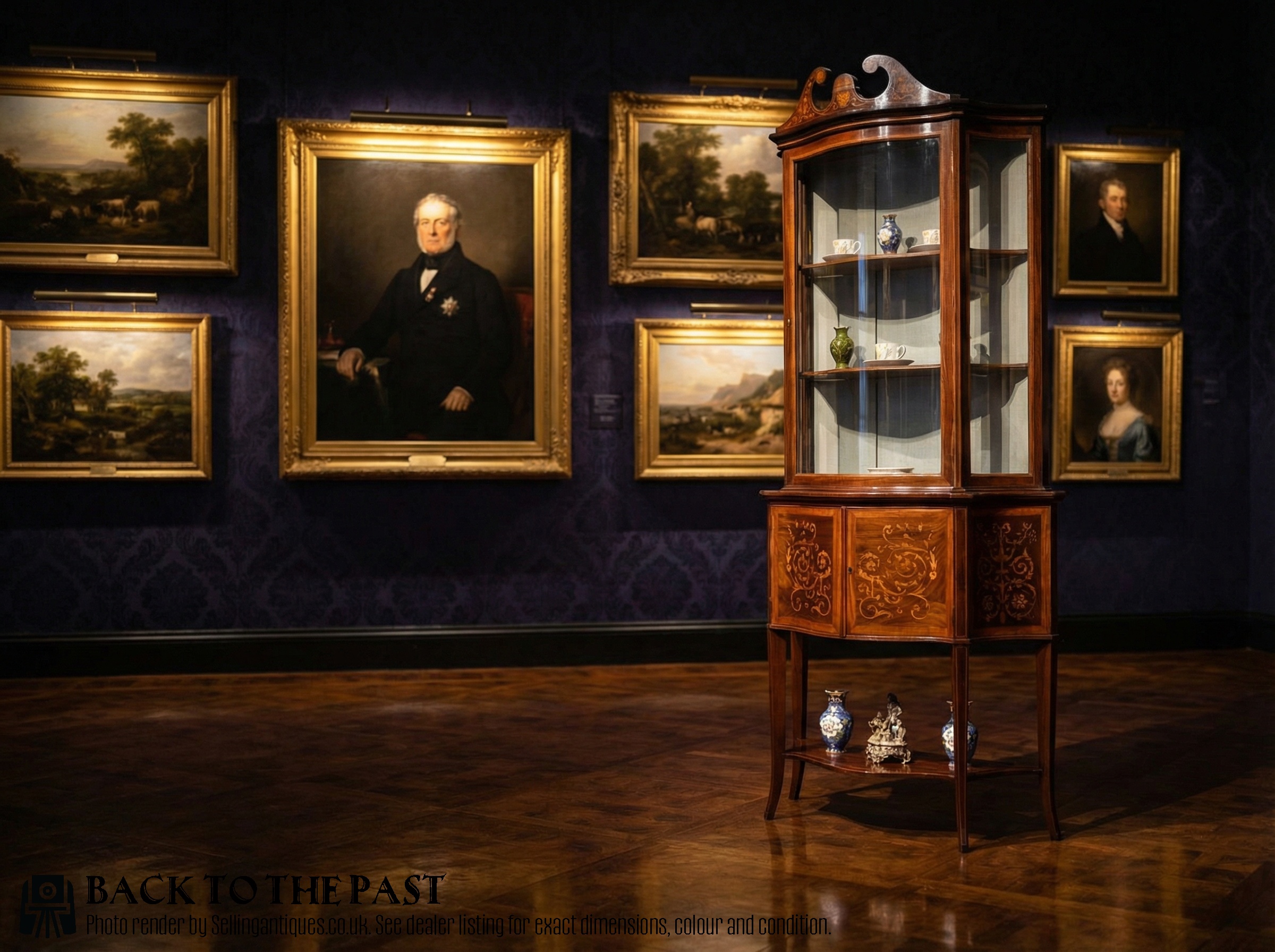
A vintage standing china cabinet brings architectural timber and glazed doors together to present porcelain where you can see it.
Vintage Standing China Cabinet
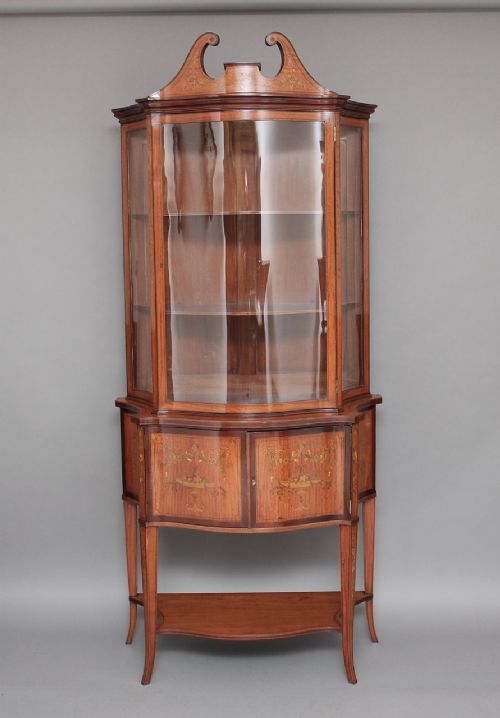
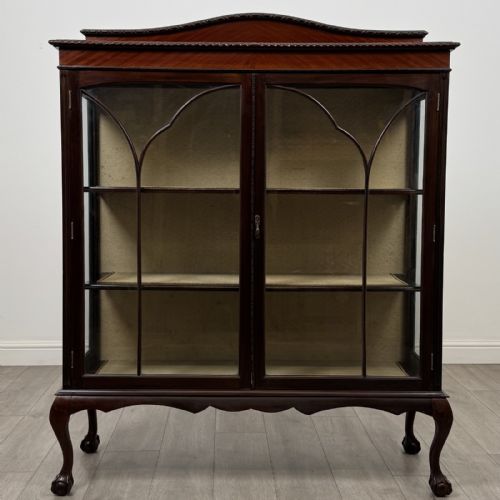
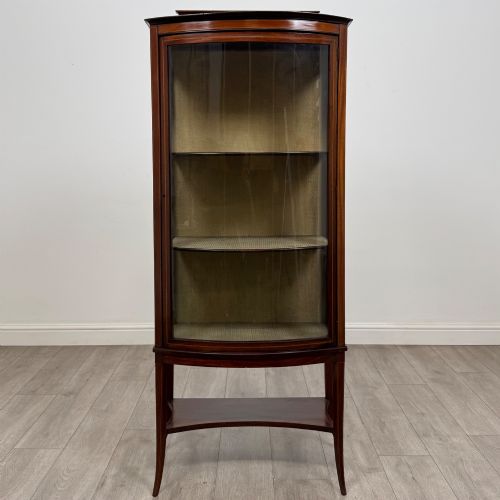
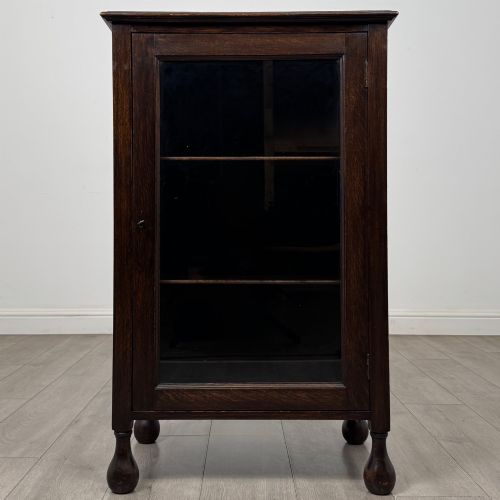
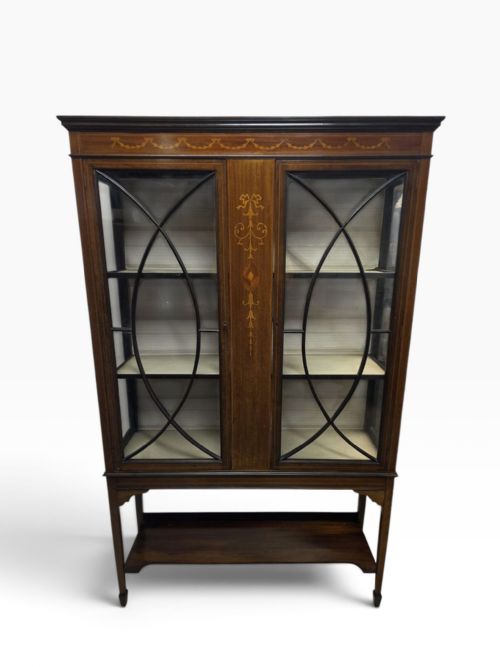
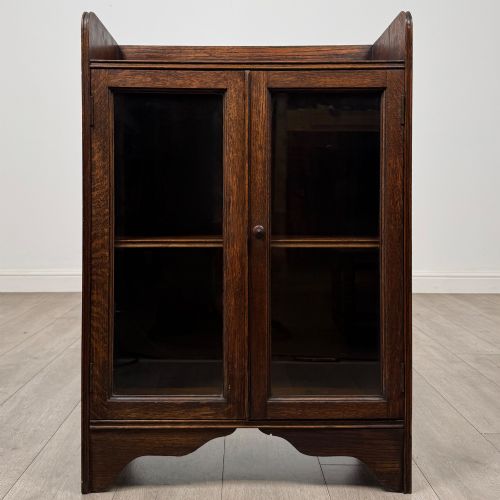
A vintage standing china cabinet is a floor-bound piece designed to store and display ceramics behind glass doors. These items appear primarily in Edwardian iterations alongside 19th-century and early 20th-century examples.
Makers and workshops construct these pieces as display cabinets, corner cabinets, and combined bookcases. The structural formats span upright upright carcases, corner cupboards, and cabinets raised upon stands.
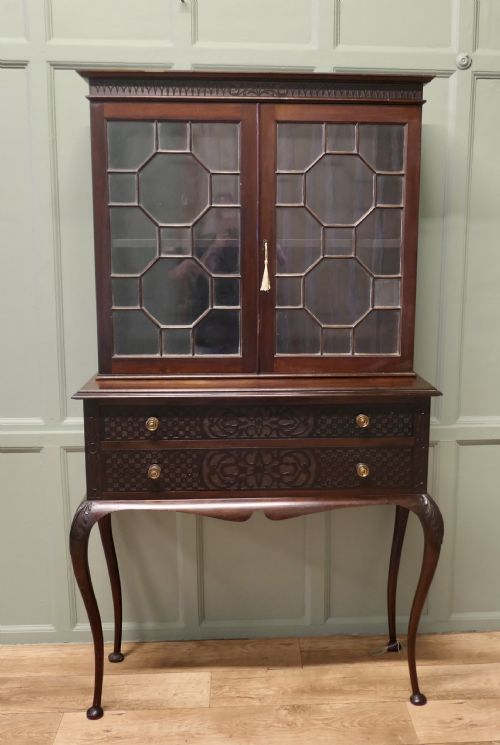
The dominant aesthetic draws on revival vocabulary, carrying details from the Georgian, Queen Anne, and Sheraton repertoires. Edwardian and Chippendale Revival forms populate the selection alongside Arts and Crafts designs.
Materials and construction methods
Cabinetmakers build the foundational carcases of a vintage standing china cabinet using hardwoods such as mahogany, oak, and walnut. Artisans enrich these primary timbers with satinwood veneer and contrasting satinwood inlay.
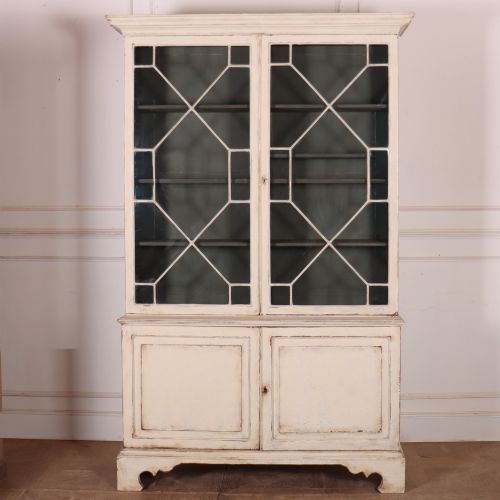
Glazing takes the form of glass panels held by timber bars, sometimes configured with astral glazing or concave glass panes. Workshops mount the doors and internal fittings using brass hardware.
Surfaces receive paint or polish to bring out the natural grain and colour of burr walnut or figured mahogany. Fabric occasionally lines the interior shelving and backboards to frame the displayed contents.
Vintage Standing China Cabinet Retail Price Guide 2026
Typical asking prices for vintage standing china cabinet among the pieces listed under this phrase on Sellingantiques today, from the lower quarter to the upper quarter. They describe what is for sale here now, not the wider market.
Materials span mahogany, oak, walnut, satinwood, brass, glass, and fabric across Edwardian, Victorian, and Georgian revival styles.
Assessing cabinet quality
The distinction between ordinary and exceptional work lies in the handling of timber and decorative inlay. Finer examples utilise figured walnut, burr walnut, or carefully matched mahogany combined with delicate satinwood stringing.
Structural ambition separates standard production from superior pieces. Large-scale cabinets, corner units with canted sides, and pieces incorporating complex Chinese Chippendale or Sheraton Revival motifs demand greater skill from the joiner.
The integration of secondary materials defines the overall finish. Superior cabinets rely on heavy brass mounts, clean glass work, and balanced proportions that maintain architectural harmony.
Maple & Co.·James Winter & Sons
The Vintage Standing China Cabinet Glossary
- Astral glazing
- A method of dividing glass doors into smaller panes using wooden glazing bars. This geometric arrangement originates in 18th-century cabinetmaking.
- Vitrine
- A glass-fronted display cabinet used for showing porcelain and small objects. The term derives from the French word for glass.
- Satinwood inlay
- Contrasting blonde wood inserted into darker primary timbers to create decorative borders and motifs. It appears frequently on Edwardian revival furniture.
- Burr walnut
- Timber taken from a growth on the walnut tree, yielding a swirling and highly figured grain pattern. Cabinetmakers prize it for veneering prominent surfaces.
- Canted sides
- Vertical corners that are cut away at an angle rather than meeting at a square edge. This shaping softens the profile of floor-standing cupboards.
Vintage Standing China Cabinet: Frequently Asked Questions
What is a vintage standing china cabinet used for?
These cabinets serve to house and exhibit fine ceramics, china, and glassware while protecting them from dust. The glazed doors allow the contents to remain visible within a principal room.
Historically, they functioned as the focal point for displaying a household's best porcelain collections. Today, they perform the same decorative and storage roles in domestic interiors.
How do I date an Edwardian cabinet?
Edwardian cabinets date from the reign of Edward VII between 1901 and 1910, though the style extends slightly either side. They frequently employ light mahogany, Sheraton Revival motifs, and delicate satinwood inlay.
Makers working in this period often revisited 18th-century forms, producing lighter and more restrained furniture than their Victorian predecessors.
Where should I place a corner cabinet?
A corner cabinet fits directly into the internal angle of a room, making efficient use of otherwise dead space. Floor-standing variants anchor themselves firmly without requiring wall mounting.
They work well in dining rooms or drawing rooms where floor space along straight walls is at a premium.
What distinguishes Chippendale Revival from original pieces?
Chippendale Revival furniture dates from the late 19th and early 20th centuries, reinterpreting the 18th-century designs of Thomas Chippendale. These later pieces use machine-assisted joinery alongside traditional hand-crafting.
They reflect the period's taste for historical revivals, adapting classic fretwork and glazing patterns to Edwardian and Victorian homes.