
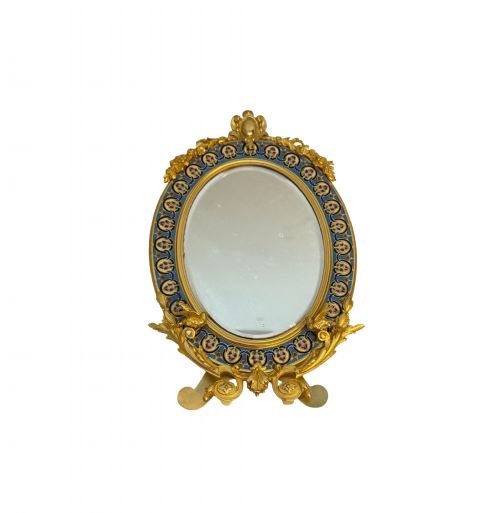


Vintage Standing Brass Mirror
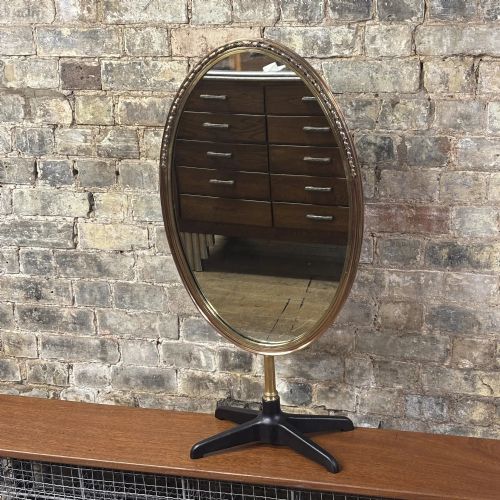
A vintage standing brass mirror brings a warm, reflective focal point to a room, combining functional glass with durable metalwork.
Vintage Standing Brass Mirror
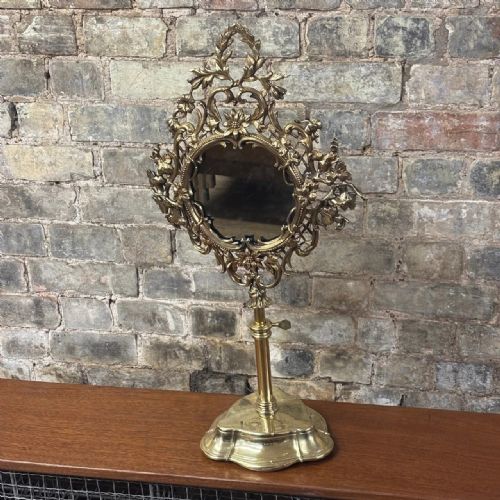
When you search for a vintage standing brass mirror, you encounter various forms designed for tabletop use or floor placement. The selection spans periods from the Victorian and Edwardian eras up to the mid twentieth century, with French styles frequently represented.
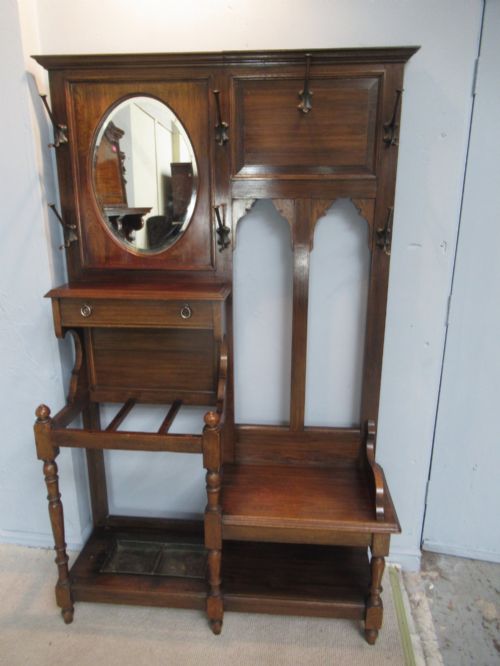
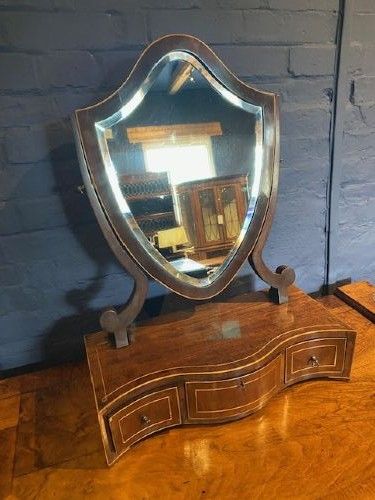
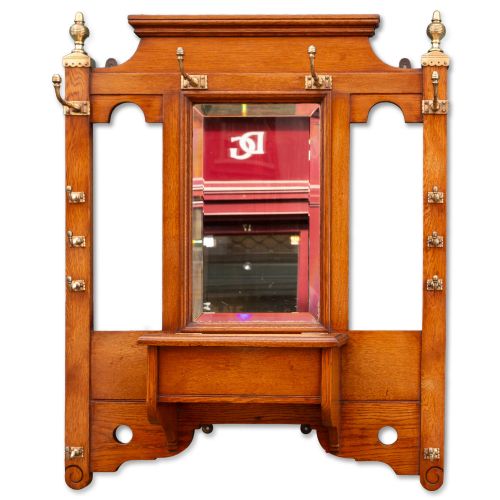
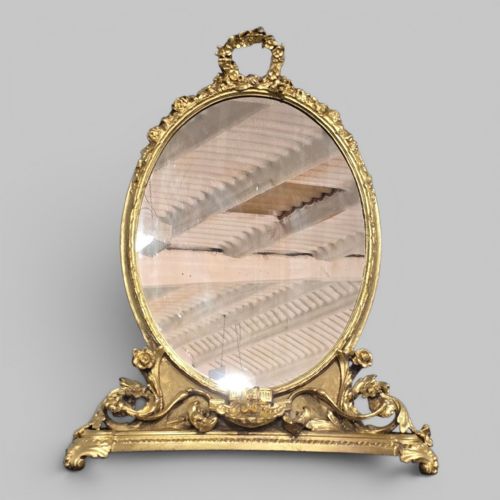
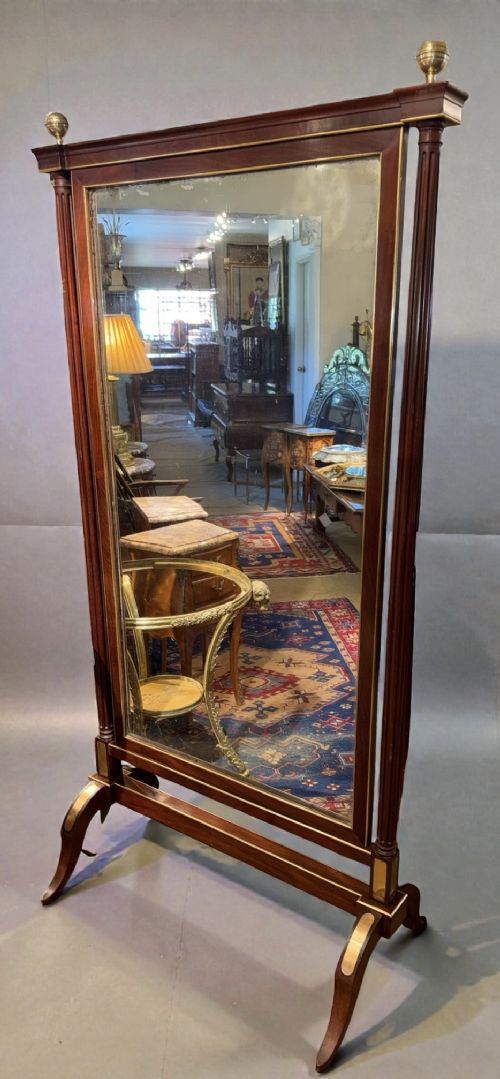
Most items you meet take the form of dressing table mirrors, vanity mirrors, and larger cheval mirrors. Alongside these tilting mirrors, the evidence also captures related items such as shaving stands, mirrored portmanteaus, and hall stands incorporating brass framing.
The aesthetic ranges from plain, utilitarian frames to ornate Rococo and Louis XV revival designs. Brass frequently pairs with polished oak, mahogany, or gilt bronze to create substantial pieces intended for bedrooms, hallways, and dressing rooms.
Materials and construction
Makers utilised cast and sheet brass for the structural frames, often mounting the reflective plates upon supportive wooden carcases made of mahogany, oak, satinwood, or general hardwood. Metal components such as hinges, adjustable arms, and decorative candle holders were integrated directly into the brass or gilt bronze structures.
Glass mirror plates were set within hinged or fixed surrounds, occasionally supported by weighted cast iron elements or wooden stands featuring brass sabots and castors. Surface decoration relied on techniques like repoussé work, champlevé enamelling, and fine casting rather than applied paints.
Some gentleman's shaving stands came equipped with brass candle holders, ensuring proper illumination for morning routines long before electric lighting reached the dressing room.
Judging quality and craftsmanship
Quality in these mirrors rests on the weight and thickness of the brasswork and the structural integrity of the supporting stand or frame. Finer examples feature crisp, deep chasing or repoussé detail, heavy cast brass fittings, and well-executed timber joins that prevent any wobble during tilting.
The grade of the mirror plate and the robustness of the original pivoting mechanism distinguish superior pieces from standard production. Items with fully integrated functional elements, such as articulated candle holders or bespoke cabinet work, represent the upper tier of the range.
Thomas Rubergall
The Vintage Standing Brass Mirror Glossary
- Cheval mirror
- A freestanding full-length mirror suspended on a vertical frame with four legs, allowing the glass to tilt. These large pieces were traditionally placed in bedrooms and dressing rooms.
- Repoussé
- A metalworking technique where a malleable brass sheet is hammered from the reverse side to form a raised design in relief. This ornamentation appears frequently on Edwardian frames.
- Champlevé
- An enamelwork technique where troughs are dug into a metal surface and filled with vitreous enamel before firing. It is seen on select late nineteenth century French table mirrors.
- Portmanteau
- A combined hall stand featuring a mirror, coat hooks, and umbrella storage designed for a hallway. The mirrored variations serve both grooming and reception functions.
- Sabot
- A metal shoe or sleeve fitted to the base of furniture legs, often rendered in brass. They appear on nineteenth century mahogany stands to protect the timber feet.
Vintage Standing Brass Mirror: Frequently Asked Questions
How do I clean a brass mirror frame?
Dust the brass gently with a soft, dry cloth to remove surface particles without scratching the metal. Avoid harsh chemical polishes that can strip away aged patination or damage adjacent mirror glass.
For stubborn grime, use a mild soap solution on a damp cloth, then dry the surface thoroughly immediately afterwards.
Can these mirrors be wall mounted instead?
Most standing mirrors are engineered specifically for tabletops or floors, featuring weighted bases or supportive legs rather than hanging brackets. Altering them to hang on a wall requires specialist fixings that can compromise the original antique structure.
It is best to place them on sturdy surfaces as intended by the maker.
How do I date a brass mirror?
Examine the construction methods, the composition of the timber backing, and the style of the brass casting. Victorian and Edwardian pieces often display distinct decorative motifs like Rococo scrolls or simple geometric lines.
The presence of original mirror glass with minor foxing can also help confirm the age of the piece.