

Vintage Sofa Table
A vintage sofa table brings adaptable surface space and period craft to a room, offering drop leaves and rich timber construction.
Vintage Sofa Table
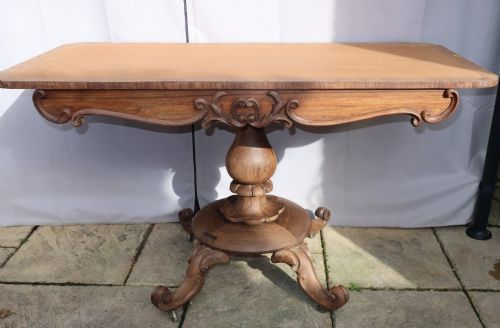
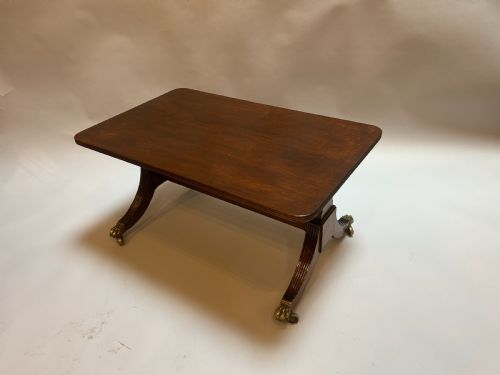
A vintage sofa table serves as a versatile piece designed originally to sit behind a couch or function as a freestanding centre table. These tables emerge from periods spanning the Regency era through to the Art Deco movement and Edwardian decades.
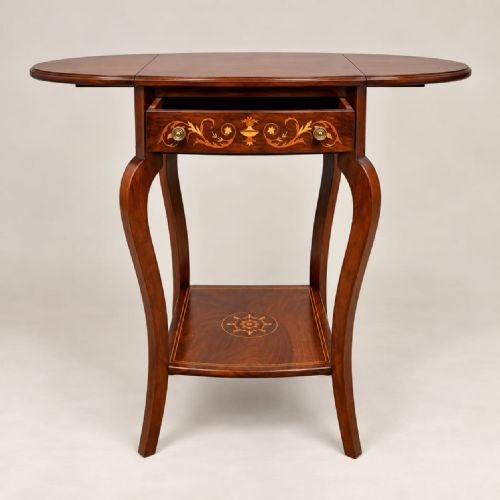
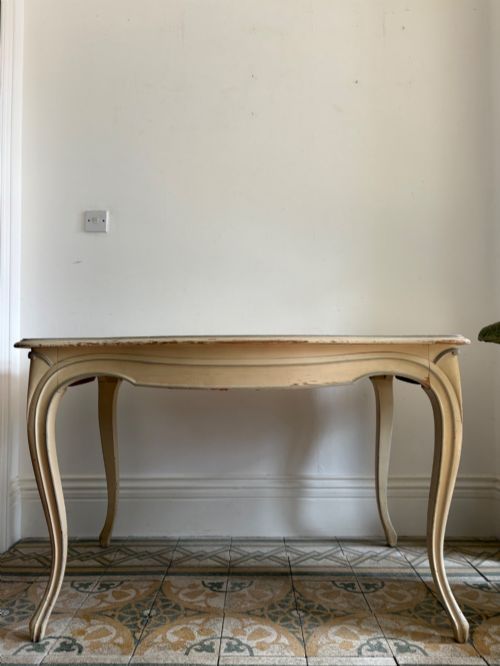
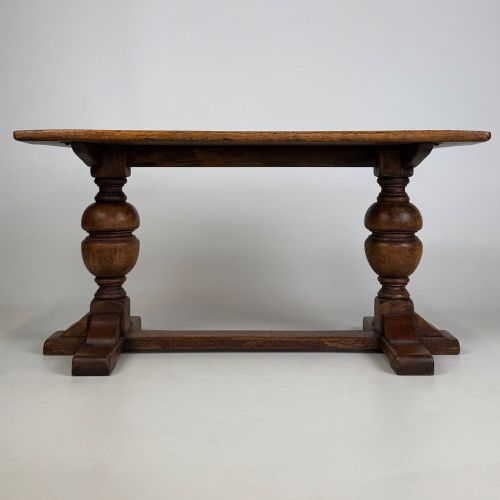
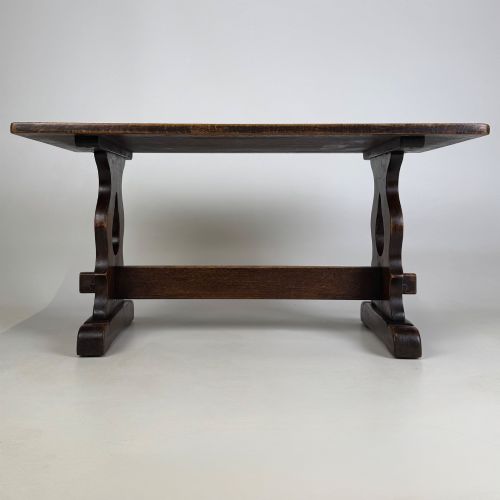
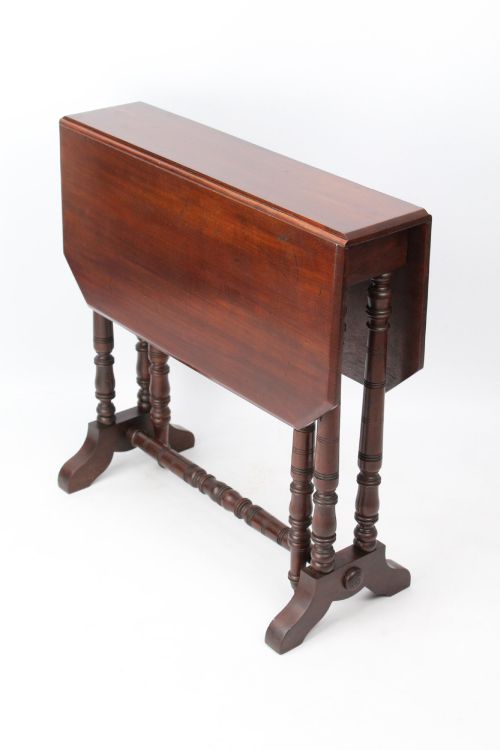
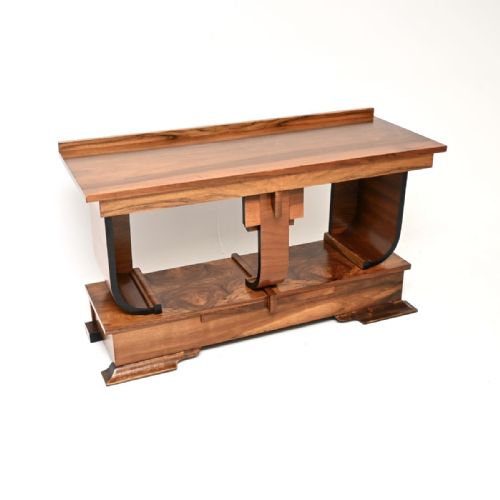
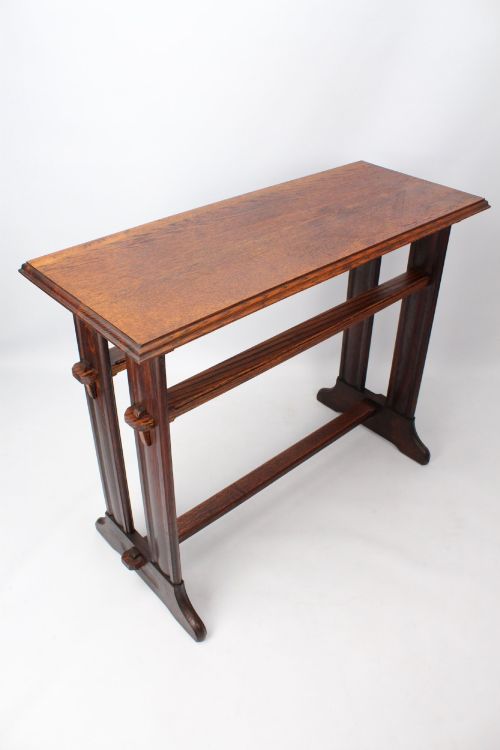
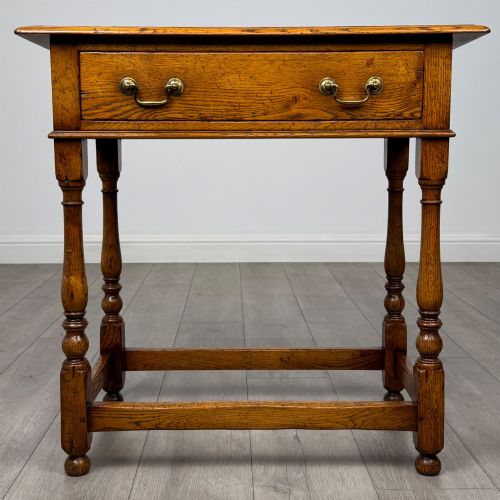
The versions met most frequently on this page take the form of drop leaf designs, console tables, and occasional tables in mahogany, walnut, and oak. They combine narrow proportions with functional surfaces suitable for everyday placement.
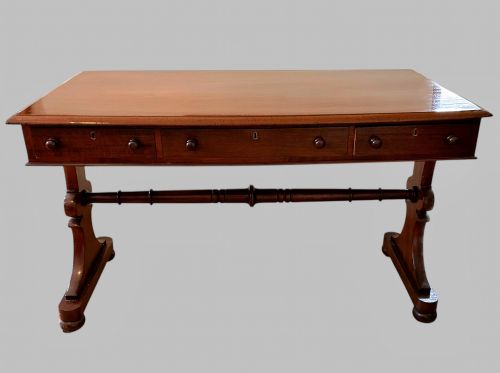
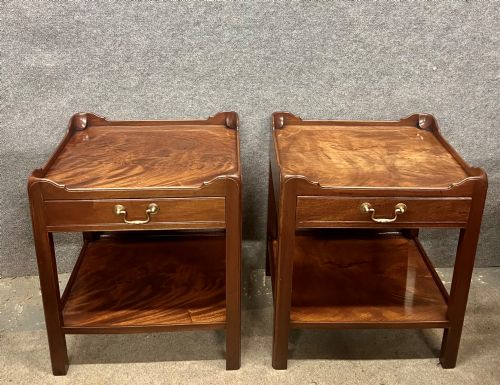
Makers historically equipped these tables with drawers, stretcher bases, and folding flaps to maximise utility in principal rooms. Their forms reflect the changing domestic requirements of the nineteenth and early twentieth centuries.
Materials and construction methods
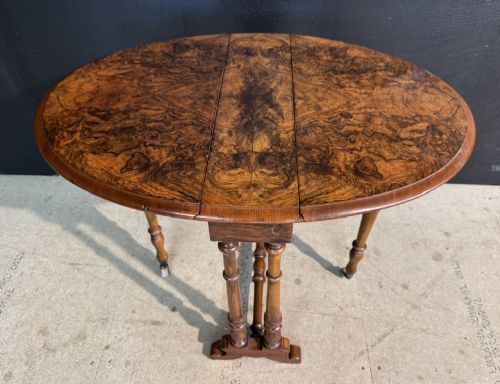
Cabinet makers utilised dense hardwoods such as mahogany, walnut, and oak for structural integrity, often selecting burr walnut and satinwood veneers for decorative top surfaces. Solid timber frames support hinged drop leaves and pedestal bases.
Details such as brass castors, inlaid banding, and hand-carved mouldings demonstrate traditional workshop practices of the Victorian and Edwardian periods. Surface finishes rely on traditional polish to highlight the grain of the timber.
Listings span eight distinct periods from Regency to Art Deco, executed in materials including burr walnut, rosewood, mahogany, and brass.
Distinctions in craftsmanship and materials
Superior examples display finely figured timber veneers matched across table tops and drawer fronts, alongside solid secondary woods used for interior framing. The precision of the joinery in drop leaf mechanisms and drawer construction dictates the grade of the piece.
Top-tier pieces incorporate hand-cut dovetails, substantial brass fittings, and well-balanced proportions that maintain stability when leaves are raised. Simpler pieces rely on standard commercial production methods with plainer timber selections.
Hille
The Vintage Sofa Table Glossary
- Drop leaf
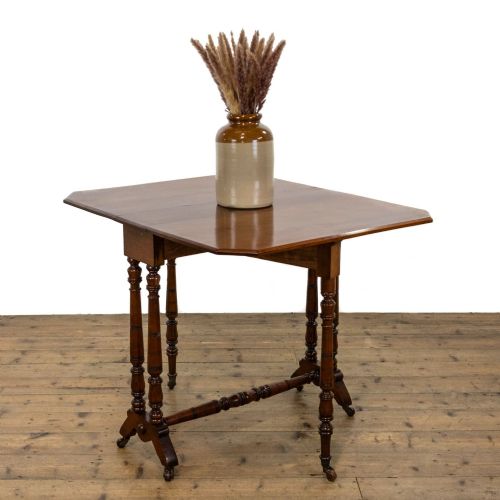
- A table with hinged flaps on either side that lift to extend the surface area. These folding sections allow the furniture to sit compactly against a wall.
- Sutherland table
- A narrow table featuring exceptionally slender drop leaves supported by swinging gate legs. This specific form emerged during the Victorian era for flexible drawing room use.
- Console table
- A wall-mounted or freestanding table designed to stand against a vertical surface. They frequently feature decorative legs and marble or timber tops.
- Burr walnut
- A highly prized timber harvested from the wart-like growths on walnut trees. It yields complex, swirling grain patterns utilised for veneer work on high-end cabinet furniture.
- Library table
- A substantial freestanding table traditionally utilised for reading and writing. These pieces often incorporate multiple drawers and finished backs for central room placement.
Vintage Sofa Table: Frequently Asked Questions
What is a sofa table used for?
A sofa table provides a convenient surface for lamps, books, and decorative objects behind a seating arrangement or along a hallway wall.
Their drop leaves allow the footprint to expand when extra surface area is required for writing or serving.
How do I identify a Victorian table?
Victorian tables typically feature dense timbers like mahogany and walnut, heavy turning, and traditional hand-cut joinery methods.
Design motifs lean towards robust proportions and darker finishes compared to lighter Edwardian or Regency pieces.
Can these tables fit in small rooms?
The narrow profile of a sofa table makes them well suited to hallways, tight landings, and small sitting rooms.
Drop leaf variants reduce their width further when the flaps hang down against the base structure.
What distinguishes Art Deco examples?
Art Deco tables showcase streamlined geometric forms and highly figured burr walnut veneers without traditional heavy carving.
These pieces reflect modern design priorities from the 1920s and 1930s.