

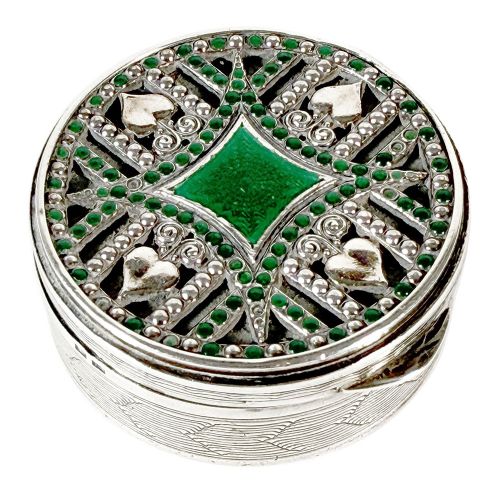


Vintage Snuff Container
A vintage snuff container is a pocket-sized vessel designed for tobacco, holding periods from Georgian to Edwardian eras.
Vintage Snuff Container
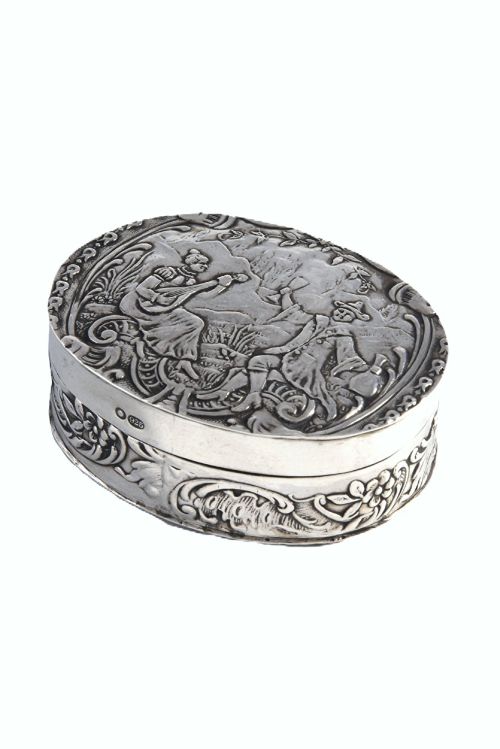
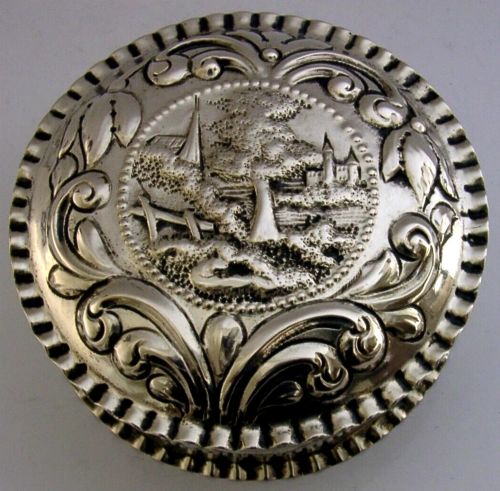
A vintage snuff container spans pocket snuff boxes, table boxes, and mull forms designed to hold tobacco powder. These items bridge Georgian utility with Victorian and Edwardian decorative arts.
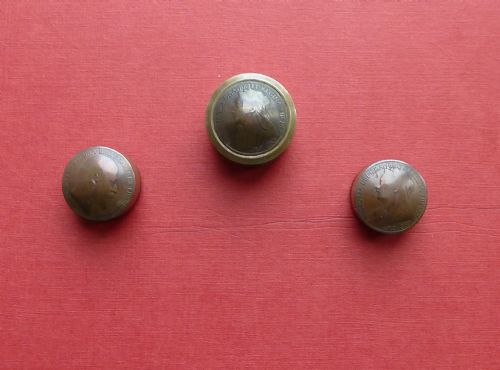
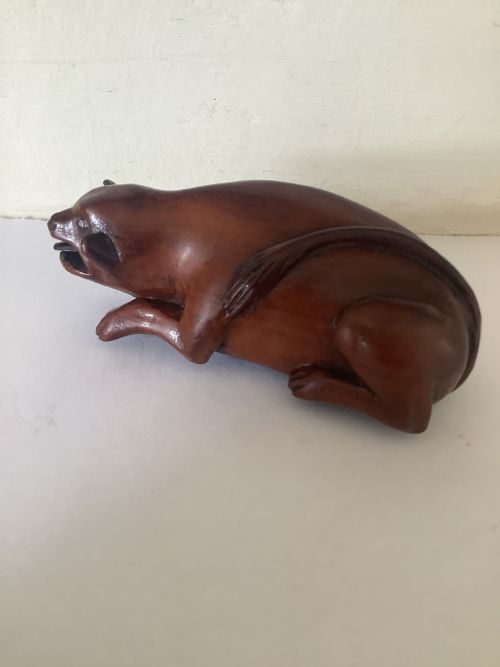
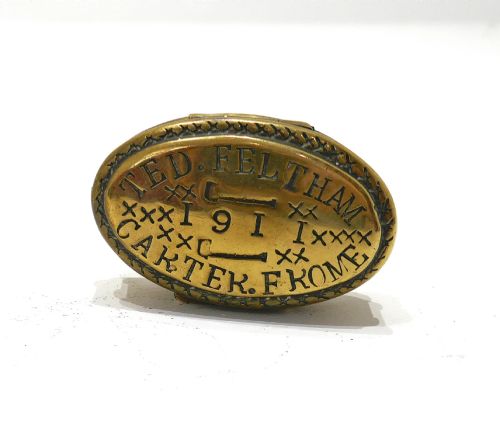
The objects on this page range from simple wooden carvings and brass metalware to sterling silver, enamel, and coin-inset pieces. Buyers frequently encounter nineteenth-century specimens alongside early twentieth-century examples.
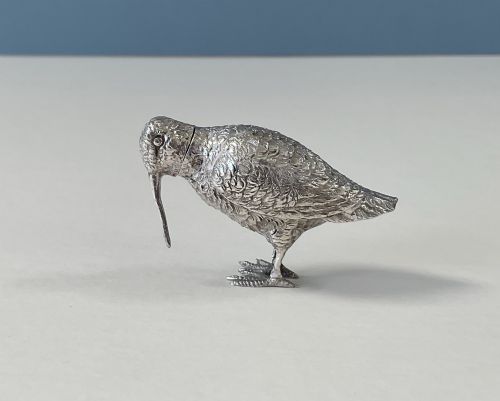
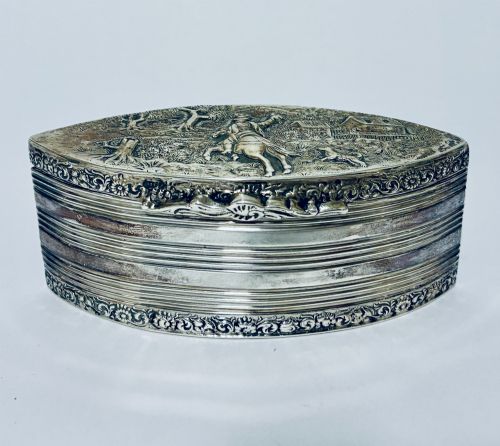
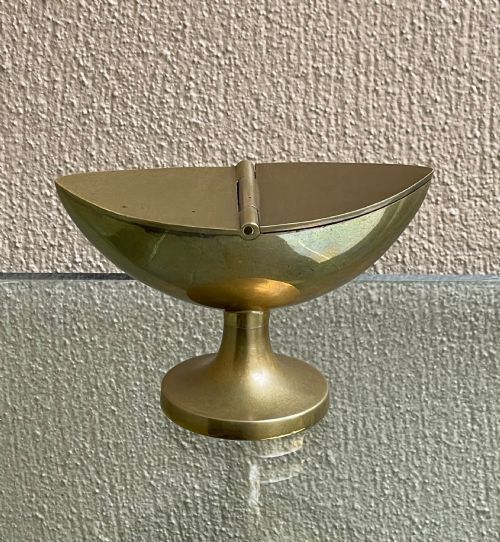
Forms extend into novelty shapes, including fish figures with articulated bodies, bear finials, and navette table boxes. Each piece reflects the personal grooming habits of past centuries.
Materials and construction methods
Metals form the core of these items, utilising brass, copper, pewter, and sterling silver shaped through casting, engraving, and repoussé work. Silver pieces often incorporate coin insets or guilloche enamel decoration.
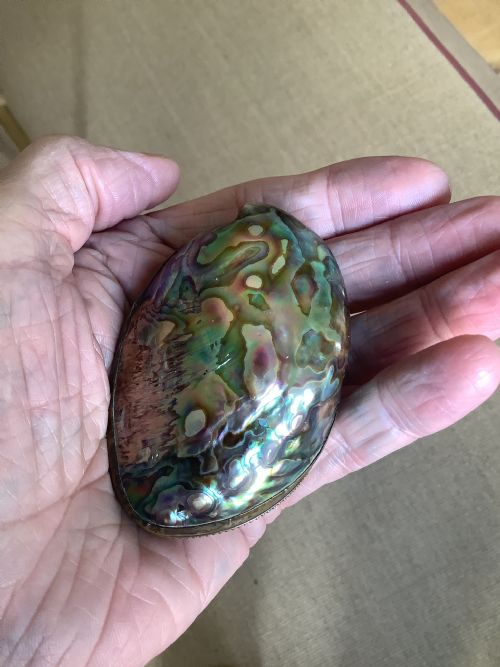
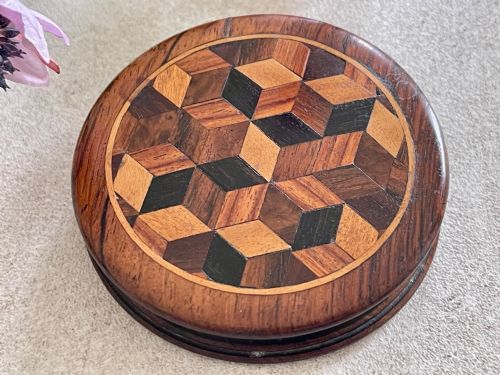
Natural materials such as walnut, abalone shell, mother of pearl, horn, and carved wood demonstrate traditional craft techniques. Wood boxes frequently employ inlaid decoration or naive hand carving.
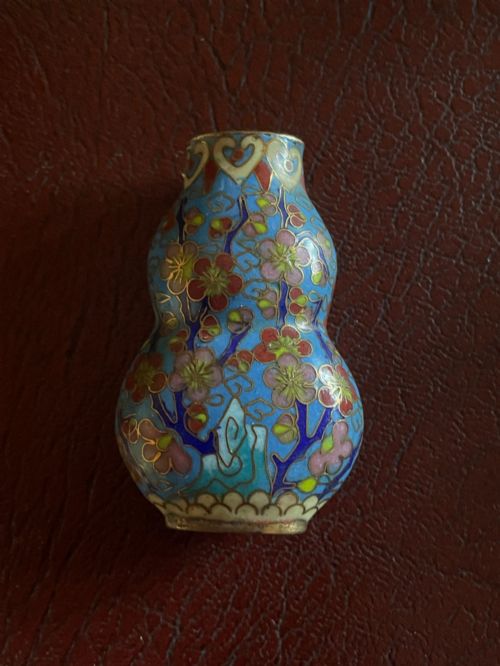
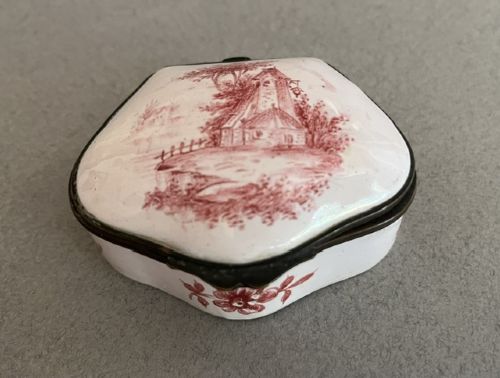
Specialised workshops produced enamel pieces, notably Bilston enamel patch boxes and painted tole ware tobacco boxes. Hinged lids and fitted compartments reveal precise metalworking skills.
Distinctions in quality
The refinement of the engraving and the crispness of cast details separate standard boxes from superior examples. Hand-engraved inscriptions and detailed figural work elevate the stature of a piece.
Material rarity and complexity of construction dictate overall excellence, such as the combination of silver with enamel, gold, or precious shell. Intact hinges, secure clasps, and well-preserved surface finishes matter deeply to collectors.
George Adam Scheid·Hermes Paris
The Vintage Snuff Container Glossary
- Snuff box
- A small lidded container used to hold grated tobacco. These were carried in pockets or kept on tables for social use.
- Snuff mull
- A container made from animal horn, traditionally used in Scotland for holding and dispensing snuff. They often feature metal mounts.
- Guilloche enamel
- A decorative technique where metal is engraved with precise geometric patterns beneath translucent enamel. It appears frequently on Edwardian pieces.
- Navette
- A pointed oval shape resembling a little ship. This outline is common on Georgian table snuff boxes.
- Tole ware
- Lacquered and painted metalware produced in Europe. Items include tobacco boxes finished with hand-painted decoration.
Vintage Snuff Container: Frequently Asked Questions
What is a vintage snuff container?
A vintage snuff container is a small box, mull, or jar made to hold dry tobacco for inhalation. These receptacles were essential pocket accessories during the Georgian, Victorian, and Edwardian periods.
Craftsmen produced them in materials ranging from simple carved wood and brass to sterling silver, gold, and enamel. Today, they serve as decorative cabinet pieces or pill boxes.
How do I date an antique snuff box?
Dating relies on hallmarks, material styles, and manufacturing techniques present on the object. Georgian boxes often feature navette shapes or simple brass and leather construction.
Victorian and Edwardian examples introduce silver novelty shapes, guilloche enamel, and makers' marks. Consulting metal hallmarks provides the most precise date for silver items.
What materials were used for snuff containers?
Makers utilised a wide array of metals, including brass, copper, pewter, sterling silver, and fourteen-karat gold. Natural substances like walnut, abalone shell, mother of pearl, horn, and wood also appear frequently.
Enamel decoration and coin insets added colour and status to pieces from the eighteenth century onward. Each material dictates the weight and character of the container.
How were these boxes used?
Owners carried pocket snuff containers for quick access to tobacco during social gatherings. Table boxes remained in rooms for guests to take a pinch during conversation.
Many survived as personal keepsakes, shifting over time to hold pills, trinkets, or stamps. Their dual function as utility items and art objects ensured careful preservation.