




Yellow Wooden Box
These yellow wooden box pieces bring historic paint and timber into a room, offering practical storage with genuine character.
Yellow Wooden Box
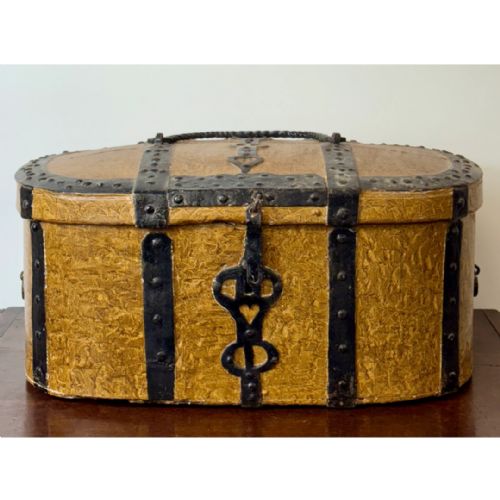
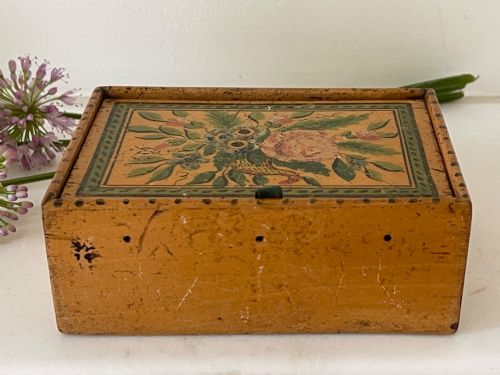
When you search for a yellow wooden box, you encounter a range of forms from trunks and chests to small decorative storage containers and sewing boxes. These pieces span the eighteenth and nineteenth centuries, originating from British, Scandinavian, and European workshops.
The versions most commonly met on this page include country pine trunks, storage bins, and painted boxes carrying historic yellow or ochre finishes. Alongside these sit smaller items such as Tunbridge ware reel boxes and draughts sets in original wooden boxes.
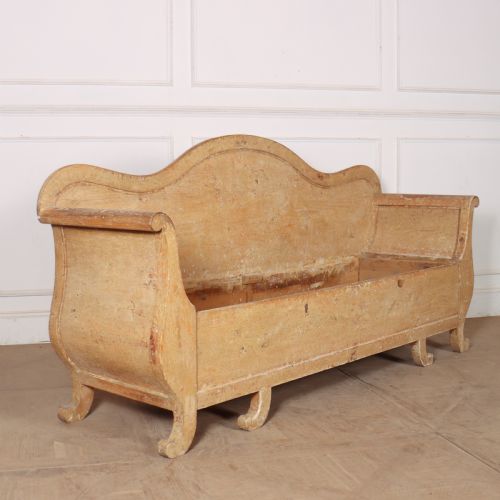
The selection extends to larger seating forms including painted pine benches and settles finished in similar yellow or scumbled tones. Each piece combines functional utility with traditional woodworking and decorative paint techniques from its period.
Materials and construction
Construction relies primarily on solid timbers such as pine, boxwood, and mahogany, shaped into trunks, bins, and smaller boxes. Iron and wrought iron fastenings, hinges, and metal bands provide structural reinforcement for storage pieces.
Surfaces frequently display original paint, lacquer, or scumble finishes applied over the wood, sometimes accompanied by brass inlays or mother-of-pearl. Varnish protects these decorative layers, while specialised creations incorporate ebony details or Chinoiserie designs.
Materials recorded across the selection include pine, boxwood, coromandel-wood, brass, iron, and wrought iron.
Markers of quality
Quality rests in the survival of original painted or lacquered surfaces rather than later repainting or heavy restoration. The depth and integrity of early finishes, such as original yellow paint or Georgian lacquer, determine the visual merit of a piece.
Construction details distinguish utilitarian items from finer decorative pieces, visible in the dovetailing of boxes, the retention of original brass or iron hardware, and the crispness of inlaid woods like boxwood and ebony.
The Yellow Wooden Box Glossary
- Scumble
- A decorative painting technique where a translucent glaze is manipulated over a lighter base colour to simulate wood grain or texture. This finish appears frequently on nineteenth-century trunks and boxes.
- Chinoiserie
- European artistic style reflecting Chinese motifs and decorative patterns, popular during the Georgian period. It is seen on specialised lacquered boxes.
- Tunbridge Ware
- Intricate woodwork characterised by small mosaic patterns formed from multiple tiny pieces of naturally coloured woods. These decorative veneers adorn specialised nineteenth-century boxes.
- Settle
- A wooden bench with a high back and solid arms, often featuring storage beneath the seat. Examples in this category display original painted finishes from Welsh or continental workshops.
Yellow Wooden Box: Frequently Asked Questions
How do I clean an old painted box?
Dust gently with a dry, soft cloth to protect fragile historic surfaces and old paint layers.
Avoid liquid cleaners, modern polishes, or abrasive materials that can strip or damage the original finish.
Are these boxes suitable for daily use?
Sturdier trunks and wooden bins function well for storing blankets, toys, or everyday household items.
Smaller decorative containers and sewing boxes suit light storage or display due to their age and delicate construction.
How can I tell the period of a wooden box?
Examine the construction methods, such as hand-cut dovetails, handmade iron hinges, and the type of timber used.
Surface treatments like early paint, lacquer, or specific decorative styles also offer clear indicators of eighteenth or nineteenth-century origins.
What is scumble paint?
Scumble paint involves applying a translucent glaze over a base coat to create mottled or grained effects resembling rich timber.
Victorian makers used this technique to give ordinary pine trunks a more decorative appearance.