
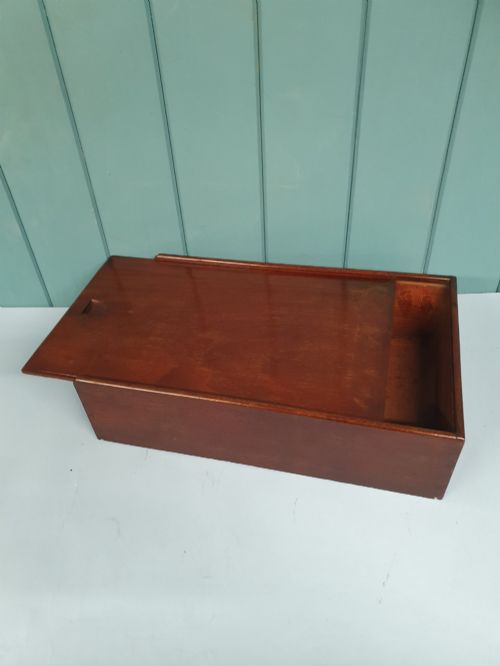
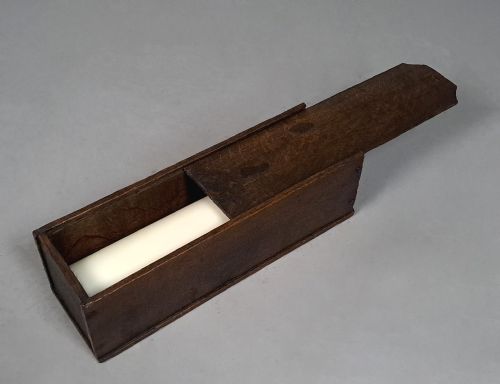
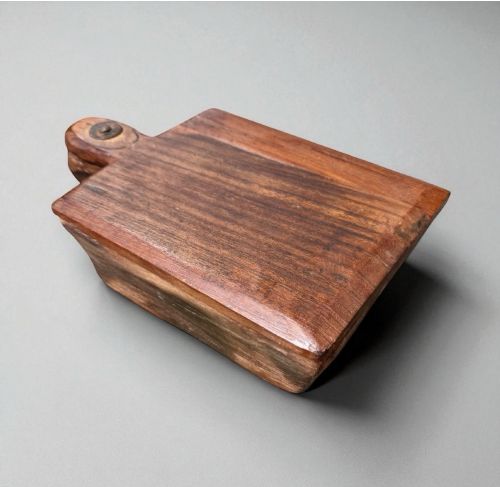


Sliding Lid Box
These sliding lid box examples offer clever utilitarian storage shaped by centuries of vernacular craftsmanship.
Sliding Lid Box
When you search for a sliding lid box, you encounter a remarkably broad sweep of utilitarian containers designed for everyday storage rather than display. These pieces range from simple wall-hanging candle boxes to pocket snuff containers and heavy document chests.
The versions you are most likely to meet on this page hail from the Georgian, 18th century, and Regency periods. They appear predominantly in sturdy timbers like oak, mahogany, and fruitwood, reflecting practical domestic and rural requirements.
How they were made
Maker-craftsmen built these containers primarily from native timbers such as oak, mahogany, pine, and cherrywood, often selecting wood for durability and grain pattern. They relied on traditional joinery to form the body while cutting precise grooves in the sides or top to receive the moving panel.
Surface finish depended on purpose, moving from unadorned rustic country surfaces to polished mahogany document cases and intricate decorative finishes like tartanware or inlaid boxwood.
A tiny sliding lid box once kept postage stamps neatly ordered on a busy Victorian desk.
What varies in quality
Quality in a sliding lid box rests heavily on the snugness of the lid's travel and the integrity of the timber joints. A superior example demonstrates smooth movement along the grooves without excessive play or binding.
Selection of materials and the crispness of secondary details, such as dovetailing or careful inlay work, distinguish standard utilitarian items from finer presentation pieces.
The Sliding Lid Box Glossary
- Treen
- Small handmade wooden domestic objects. These items show the utilitarian craft of past centuries.
- Vernacular
- Everyday objects made by local tradesmen rather than high-style cabinetmakers. They prioritise function and regional tradition.
- Dovetail
- A joint formed by interlocking wedge-shaped fingers. This method secures the corners of wooden boxes.
- Inlay
- Contrasting materials embedded into the surface of the primary wood. This technique decorates the exterior of fine boxes.
Sliding Lid Box: Frequently Asked Questions
What were sliding lid boxes used for?
These containers served numerous domestic and personal functions across households and travels. Common uses included holding wall-hanging candles, storing legal documents, containing pinches of snuff, or housing small personal items.
The simple mechanism provided quick, reliable access to contents without relying on iron hinges or delicate latches that might fail in daily service.
How do I date an antique wooden box?
Dating relies on observing the timber species, tool marks left by construction, and the overall style of the piece. Georgian and eighteenth-century examples often display hand-sawn board marks and simpler regional designs.
Later Victorian and Edwardian items frequently introduce mass-produced elements, alternative materials like brass or tartanware paper, and more refined commercial finishes.
How should I care for timber boxes?
Keep wooden containers away from direct heat sources and dramatic humidity fluctuations to prevent timber splitting or warping. Natural wax applied sparingly helps nourish dry historic wood surfaces.
Avoid aggressive modern cleaning agents that strip centuries of patina from the surface of the timber.
Are these boxes structurally sturdy?
Most surviving pieces demonstrate robust construction intended for heavy daily use in homes or workshops. Oak and mahogany variants generally offer high structural resilience.
Care should be taken with the sliding channel itself, as repeated friction over generations can wear the wooden grooves.