



Vintage Sloping Top Desk
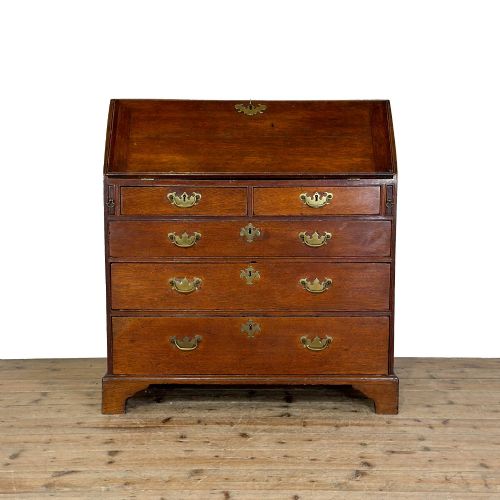
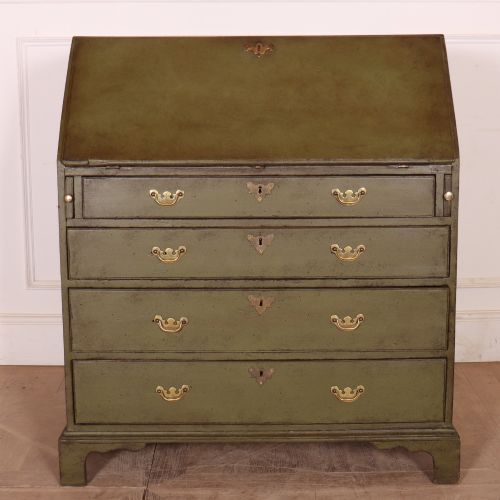
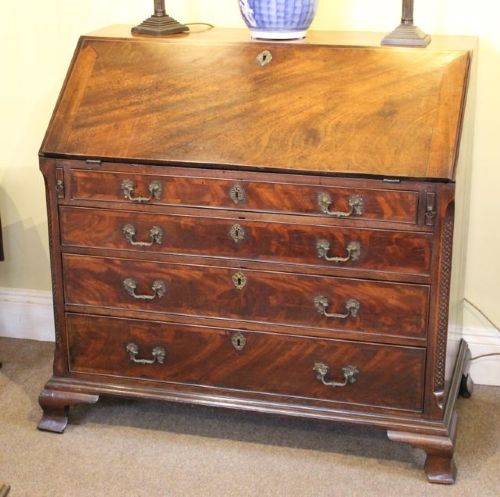
A vintage sloping top desk provides a dedicated writing surface, most commonly found here as a sturdy oak or mahogany bureau from the eighteenth or nineteenth century.
Vintage Sloping Top Desk
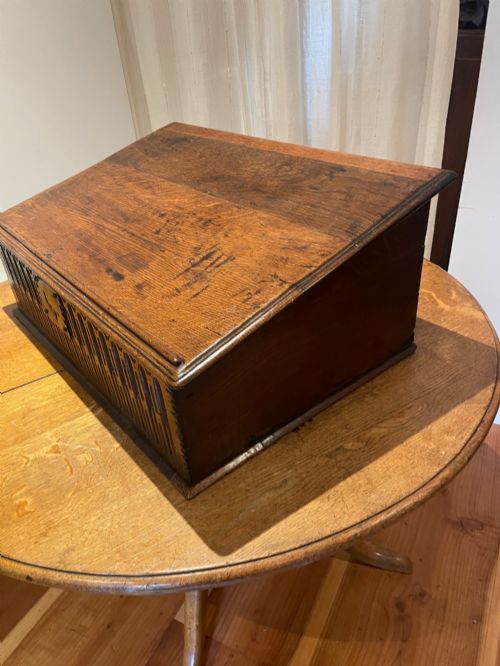
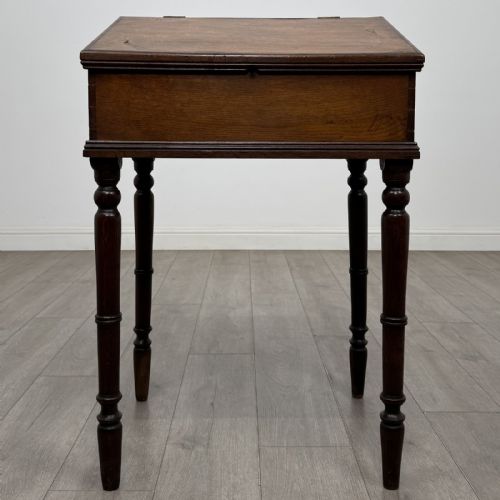
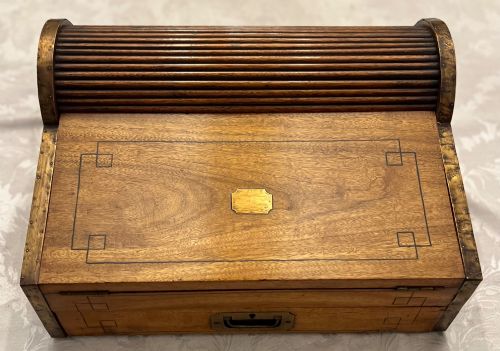
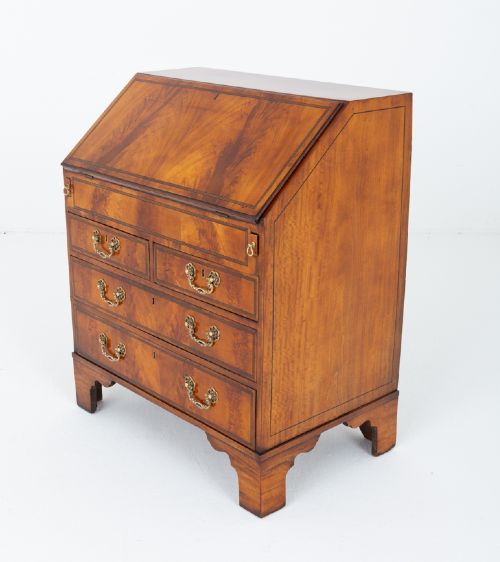
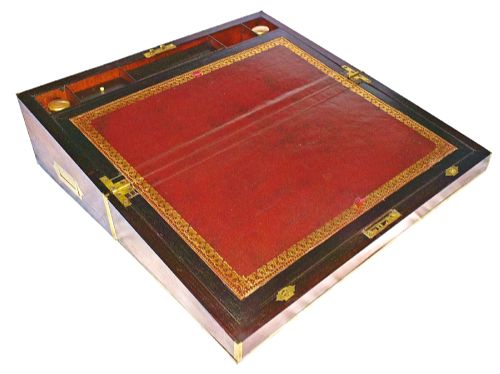
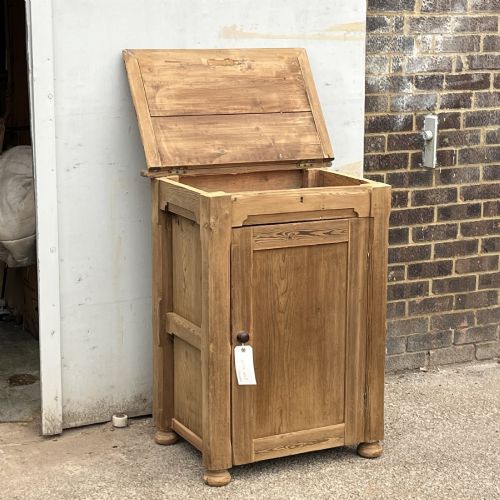
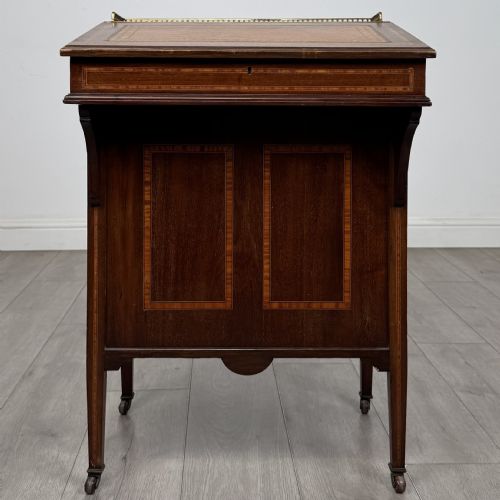
When you search for a vintage sloping top desk, you encounter various forms including traditional oak and mahogany bureaux, compact writing slopes, and larger Dickens desks designed for standing or seated work. These pieces originate from multiple periods ranging from the seventeenth century through to the Edwardian era.
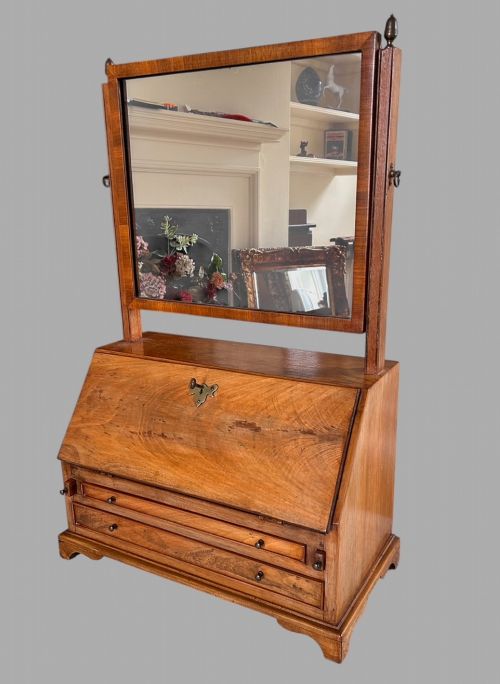
The version you are most likely to meet on this page is the classic bureau or writing slope constructed in mahogany or oak, often featuring fitted internal compartments, secret drawers, and hinged writing lids.
Makers and craftsmen utilised diverse woods such as satinwood, walnut, and pine alongside brass hardware and leather inserts to create practical writing furniture for homes, offices, and institutions.
Materials and construction methods
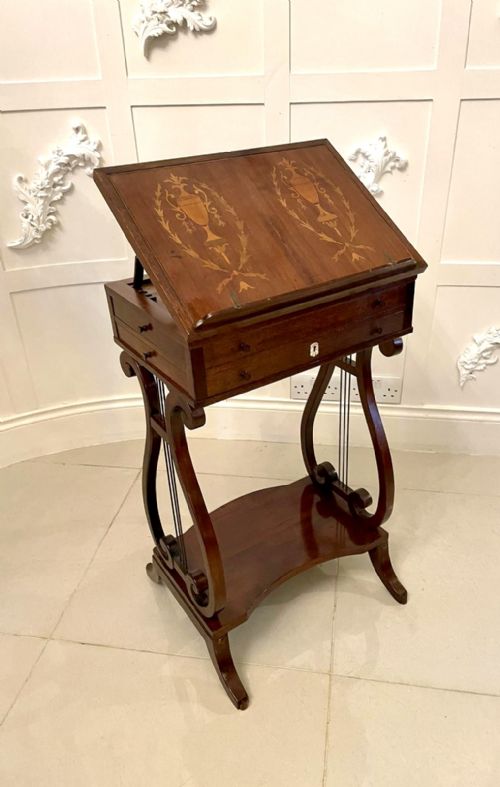
Cabinetmakers constructed these writing surfaces primarily using solid timbers like oak, mahogany, and walnut, frequently enhancing decorative appeal with satinwood veneers, marquetry, and brass fittings.
Internal compartments, secret drawers, and hinged lids required precise joinery and hardware integration, while writing surfaces often incorporated inset leather panels for a durable writing texture.
Vintage Sloping Top Desk Retail Price Guide 2026
Typical asking prices for vintage sloping top desk among the pieces listed under this phrase on Sellingantiques today, from the lower quarter to the upper quarter. They describe what is for sale here now, not the wider market.
Several desks include secret drawers designed to keep private correspondence safely tucked away from prying eyes.
Determining quality in writing furniture
Quality rests upon the selection of timber grains, the complexity and intact survival of internal fittings such as secret drawers, and the integrity of the original brass hardware and hinges.
Fine craftsmanship shows in the precision of dovetail joints, the depth of carved or inlaid details, and the overall structural stability of the sloping lid and supporting stays.
Gillows·Pairs MFG Co
The Vintage Sloping Top Desk Glossary
- Bureau
- A writing desk with a sloping hinged lid that opens to reveal fitted drawers and pigeonholes.
- Writing slope
- A portable box with an angled lid designed to hold writing materials and provide an inclined surface for letters.
- Davenport desk
- A compact pedestal desk featuring a sloping top and drawers accessed from the side.
- Dickens desk
- A large partner's or clerical desk featuring a tiered superstructure with pigeonholes and small drawers above the main writing surface.
- Bible box
- A small wooden box, often featuring a sloping lid, historically used to store religious texts and writing equipment.
Vintage Sloping Top Desk: Frequently Asked Questions
What is a vintage sloping top desk used for?
These pieces function as dedicated writing surfaces and storage cabinets for correspondence, papers, and stationery.
The sloping lid provides an ergonomic angle for writing by hand while concealing internal compartments when closed.
How do I care for a wood bureau?
Keep wooden writing furniture away from direct heat sources and strong sunlight to prevent the timber and veneers from drying out.
Apply traditional wax polish occasionally to nourish the wood and maintain a natural protective sheen.
Where were these desks placed originally?
Owners positioned them in studies, libraries, bedrooms, and commercial counting houses as functional workspace furniture.
Portable writing slopes also travelled with owners, serving as mobile desks during transit.
How can I distinguish period styles?
Earlier pieces from the seventeenth and eighteenth centuries typically feature solid oak construction with panelled detailing and simpler hardware.
Later Victorian and Edwardian examples frequently incorporate mahogany, satinwood veneers, elaborate inlays, and leather writing surfaces.