

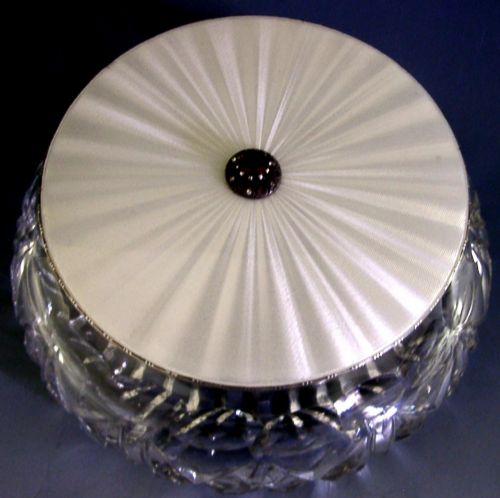


Vintage Silver Top Jar
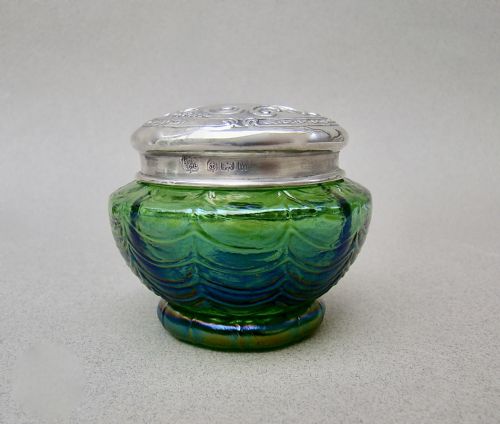
A vintage silver top jar brings together cut crystal, coloured glass and gleaming metal for the dressing table or sideboard.
Vintage Silver Top Jar
When you search for a vintage silver top jar, you encounter dressing table pots, vanity jars, perfume bottles and biscuit barrels originating from the Victorian, Edwardian, Art Deco and Mid-Century periods.
The versions most common on this page pair a faceted glass or crystal body with a sterling silver or silver plate lid, often created in Birmingham during the George V era.
These vessels served diverse domestic purposes, from holding cosmetics and scents on vanity tables to containing preserves or biscuits in the dining room.
How They Were Made
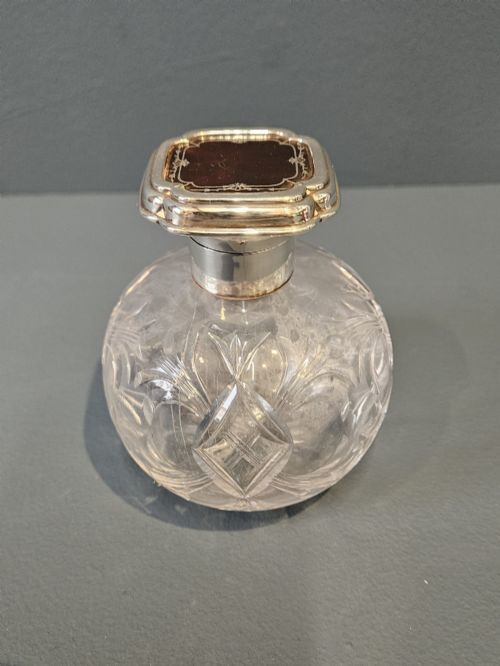
Cut glass and crystal bodies provide weight and refractive depth, shaped through moulding and hand-cutting to create geometric facets that catch the light.
Lids and mounts utilise sterling silver or silver plate, frequently bearing hallmarks from assay offices like Birmingham and London.
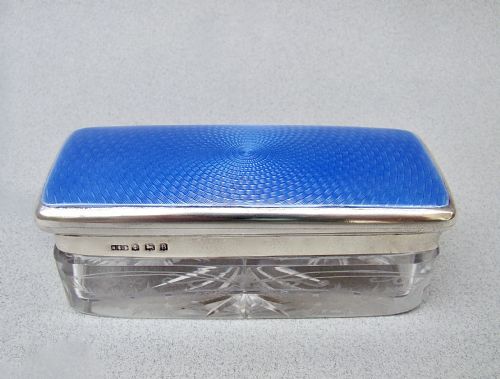
Many examples incorporate tortoiseshell or guilloché enamel applied to the silver lids, introducing rich colour and intricate patterned texture to the metalwork.
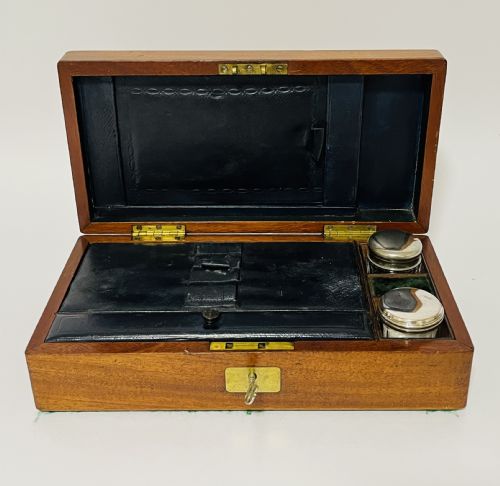
Materials span cut crystal, cranberry glass, oak, tortoiseshell and guilloché enamel.
What Varies in Quality
The crispness of the glass cutting and the weight of the crystal establish the baseline calibre of the vessel, distinguishing heavy, sharp facets from softer, moulded alternatives.
The presence of detailed ornamentation, such as hand-applied guilloché enamel or genuine tortoiseshell panels inset into the silver lid, elevates individual pieces above standard production items.
Clear, legible hallmarks on the silver components confirm the maker, date and standard of the metal, contributing significantly to the historical standing of the object.
A. J. Pepper & Co·Henry Clifford Davis·Barnsley & Co·Adie Brothers Ltd·Goldsmith's and Silversmith's Co
The Vintage Silver Top Jar Glossary
- Guilloché enamel
- A decorative technique where a precise geometric pattern is機械-engraved into metal and covered with translucent enamel. This process allows the underlying pattern to show through in vibrant colour.
- Sterling silver
- An alloy consisting of ninety-two point five percent silver and seven point five percent other metals, typically copper. This standard is marked by the lion passant on British silver.
- Biscuit barrel
- A covered container designed to hold biscuits on the dining table or sideboard. These often feature glass bodies with mounted metal lids and swing handles.
- Dressing table jar
- A small container utilised for holding creams, pins or cosmetics. They frequently display decorative silver or enamel tops suited for display on a vanity.
Vintage Silver Top Jar: Frequently Asked Questions
What were silver top jars used for?
These containers held perfumes, powders, creams and small trinkets on dressing tables and vanity cases during the late nineteenth and early twentieth centuries.
Larger versions functioned as biscuit barrels or preserve jars in the dining room, combining utility with decorative display.
How do I date a silver top jar?
The silver mounts and lids usually feature British hallmarks that indicate the assay office, the year of manufacture and the maker's mark.
Stylistic indicators such as Art Deco geometric forms or Edwardian floral motifs also help determine the period of production.
How do I clean the silver and glass?
The glass body can be washed in warm soapy water, taking care to keep moisture away from any glued or fitted internal collars.
Silver components benefit from gentle cleaning with a specialised polishing cloth to maintain the shine without damaging surrounding enamel or tortoiseshell.
Are the lids removable?
Most lids lift off directly or screw onto the glass neck, depending on whether the jar is designed for a tight seal.
Scent bottles and perfume containers generally feature fitted stoppers beneath the outer decorative cap to prevent evaporation.