
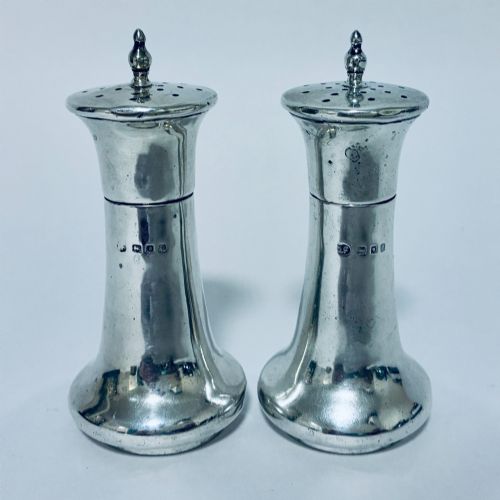
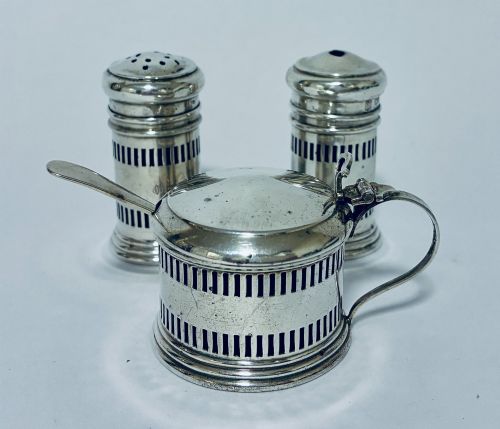
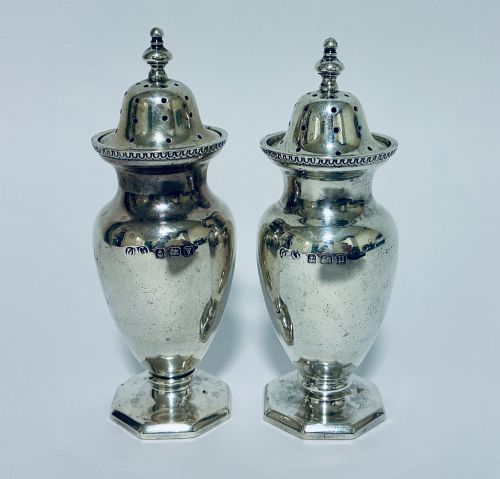
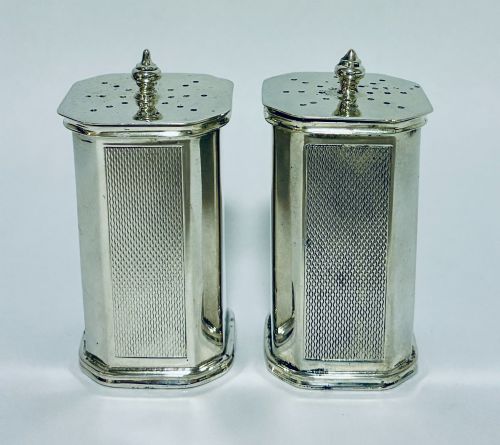
Vintage Silver Table Condiments
Vintage silver table condiments bring practical elegance to dining, offering everything from single mustard pots to multi-bottle cruet sets.

Vintage Silver Table Condiments
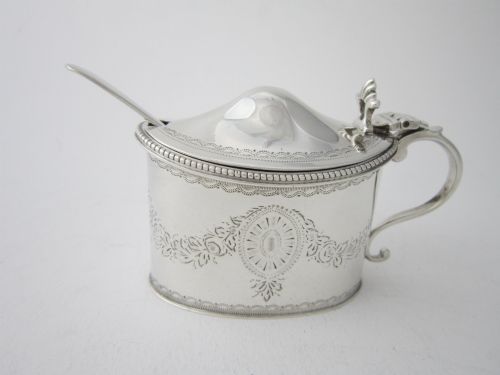
Vintage silver table condiments encompass a wide variety of dining table accessories, including cruet sets, condiment pots, salt cellars, pepper mills, sauce boats, and mustard pots. These pieces serve both functional and decorative purposes, designed to hold and dispense seasonings during meals.
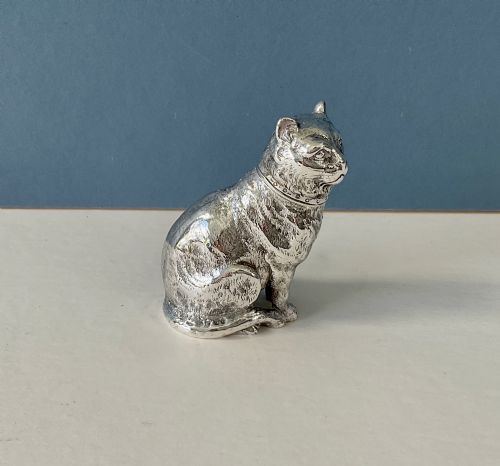
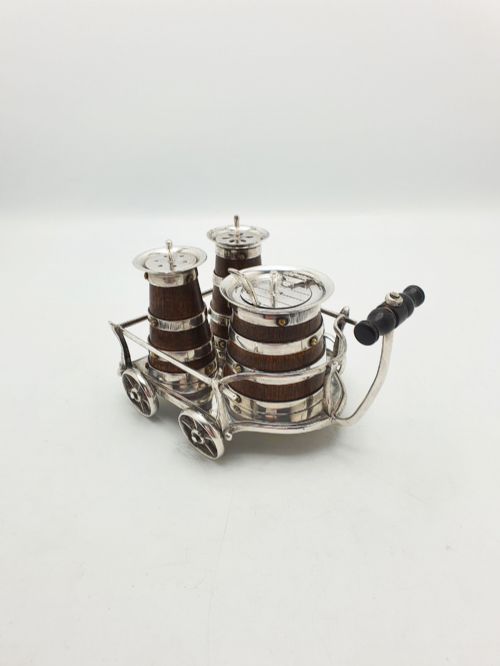
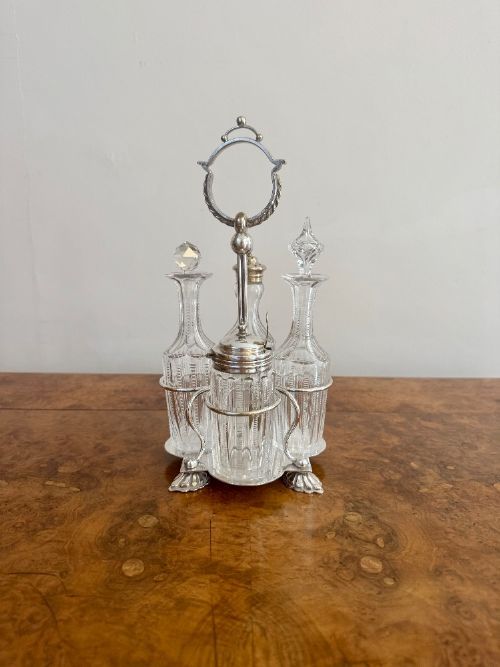
The selections available range widely in scale and form, from individual novelty animal pepper pots to large multi-bottle framework cruet sets containing glass bottles and casters. Buyers frequently encounter Edwardian silver-plated cruet sets and twentieth-century sterling silver condiment pieces on this page.
Originating across multiple decades and centuries, these objects reflect changing dining customs from the Victorian, Edwardian, and Art Deco periods, alongside Georgian revivals. They bridge the gap between historical craftsmanship and practical daily use on modern dining tables.
How they were made
Silversmiths utilised sterling silver and silver plate over base metals to construct the primary frames, pots, and mounts for these condiments. Casting, piercing, and hallmarking techniques determined the structural integrity and official purity standards of the silver components.
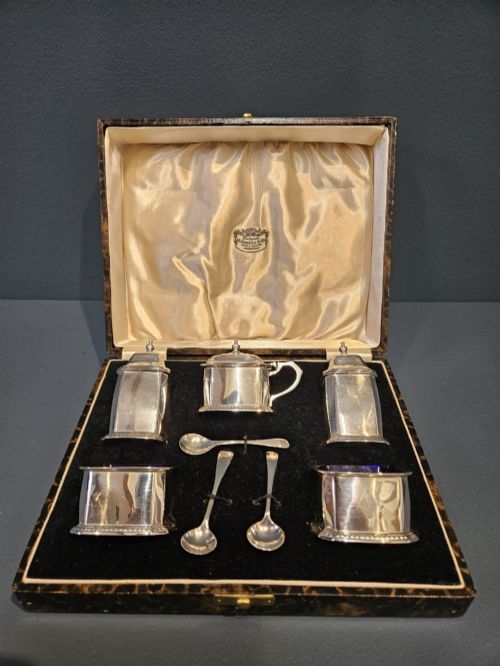
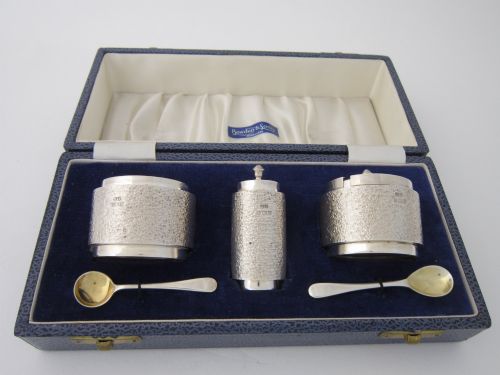
Cut glass, cranberry flashed glass, and cobalt glass liners frequently accompanied the metalwork, manufactured separately to hold liquids and dry spices safely. Wood and velvet elements occasionally appeared in barrels, cased sets, and fitted presentation containers.
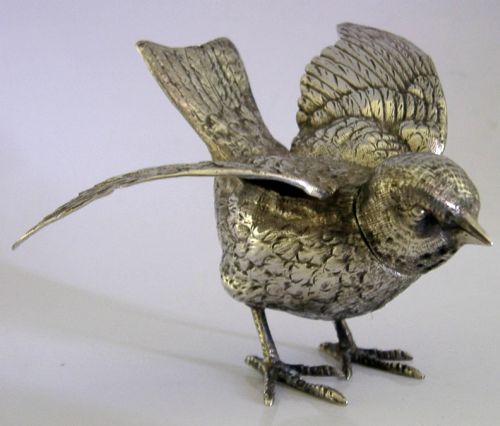
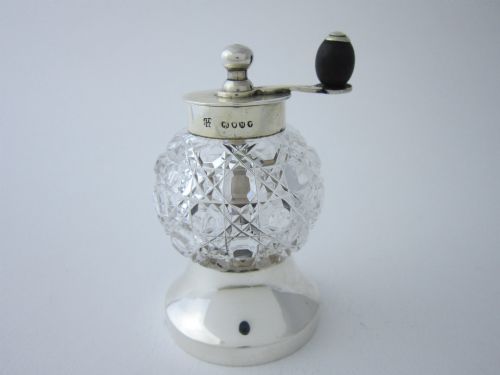
Specialised items like pepper grinders combined metal mechanisms with glass grinding chambers, while novelty pieces such as cats, birds, and quaichs required intricate hand-finishing and modelling by skilled craftsmen.
Listings feature items spanning the Georgian period through the 1960s, constructed in sterling silver, silver plate, cut glass, cobalt glass, wood, and velvet.
What varies in quality
The distinction between standard and superior pieces rests on the weight of the metal, the crispness of chased or pierced ornamentation, and the preservation of original glass liners. Heavier gauge sterling silver and intact, matching bottle sets indicate higher workshop standards.
Maker marks, clear hallmarks, and the structural complexity of multi-piece frames elevate the standing of individual cruets. Pieces that retain their original fitted cases or complete, matching sets of bottles demonstrate greater historical completeness.
Goldsmith & Silversmith's·Josiah Williams & Co·Bricks & Sons
The Vintage Silver Table Condiments Glossary
- Cruet set
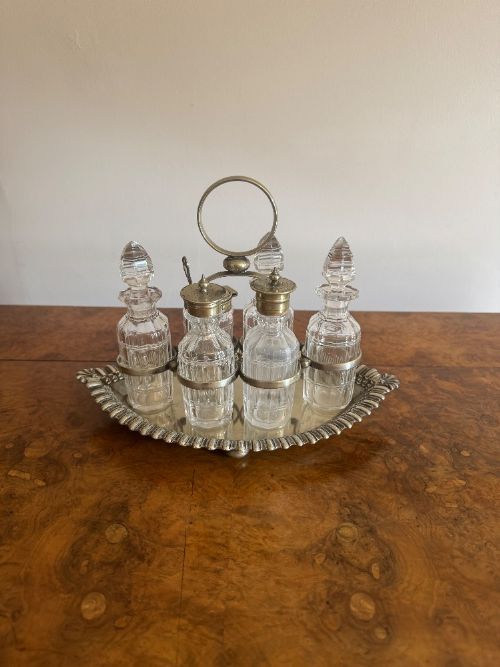
- A fitted stand holding multiple bottles, cruets, or casters for vinegar, oil, mustard, salt, and pepper. These frames often feature silver plating or sterling silver mounts.
- Salt cellar
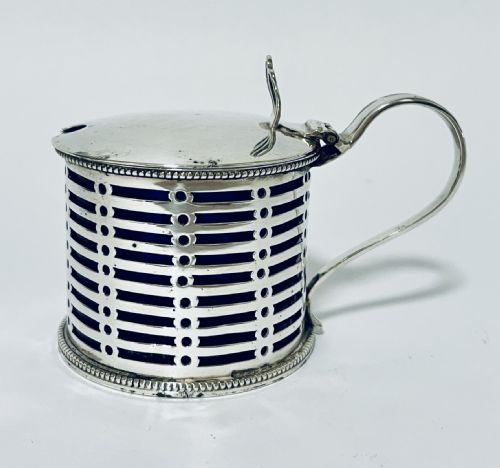
- A small open bowl or vessel used to hold salt at the table, frequently paired with cobalt glass liners and small spoons.
- Sauce boat
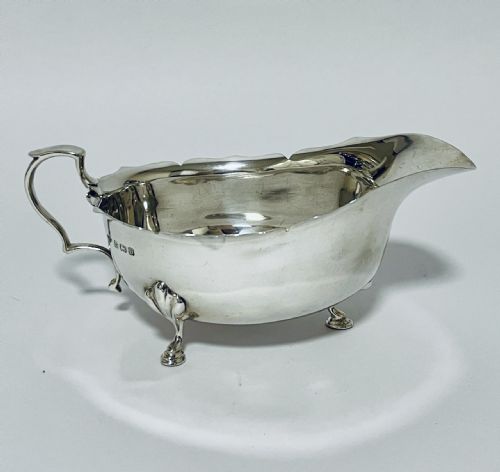
- A boat-shaped vessel with a handle and lip designed for serving gravies and sauces, common in George V and Victorian inventories.
- Caster
- A cylindrical container with a perforated top used for shaking sugar or fine spices over food. They form key components of larger eighteenth and nineteenth-century table sets.
- Cobalt glass
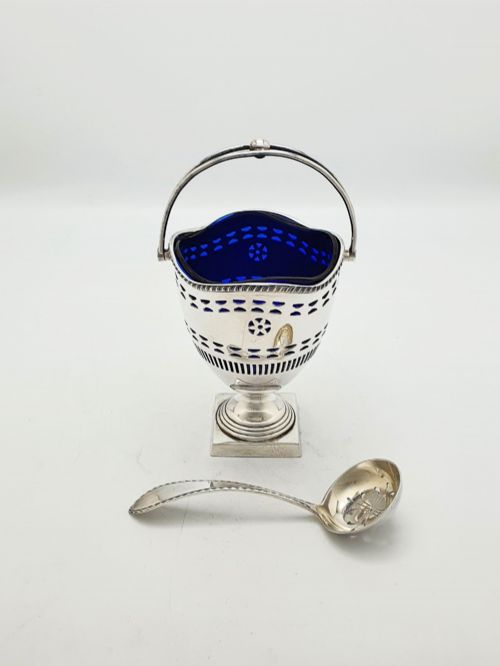
- Deep blue glass commonly utilised for removable liners inside open salt cellars and pierced sugar bowls. It provides a striking visual contrast against silver metalwork.
Vintage Silver Table Condiments: Frequently Asked Questions
What is a cruet set?
A cruet set is a coordinated table assembly designed to hold various liquid and dry condiments. These frameworks typically organise glass bottles, mustard pots, and pepper shakers in one portable stand.
Historically placed at the centre of the dining table, these sets allowed diners to season their food individually during meals. They range from simple two-piece pairings to elaborate eight-piece arrangements.
How do I clean antique silver condiments?
Cleaning antique silver requires mild, non-abrasive silver polish and a soft cloth to protect the metal surface and any engraved details. Avoid harsh chemical dips that can strip historical patina or damage integrated glass elements.
Removable glass liners and cobalt inserts should be washed separately in warm, soapy water. Ensure all wooden or velvet components remain completely dry during the cleaning process.
What is a cobalt glass liner used for?
Cobalt glass liners act as protective inner vessels inside open salt cellars and pierced silver baskets. They prevent corrosive salts and moist condiments from coming into direct contact with the silver or silver plate.
These removable inserts make cleaning significantly easier while adding a rich blue colour visible through openwork silver designs.
How do I date a silver condiment piece?
Dating silver condiments involves checking the stamped hallmarks for specific town marks, maker's marks, and date letters authorised by assay offices. Stylistic clues such as Edwardian piercing or Art Deco geometric forms also help narrow the production era.
Unmarked silver plate relies more heavily on manufacturing style, design patents, and material composition to establish its approximate period of origin.