


Vintage Silver Sugar Basket
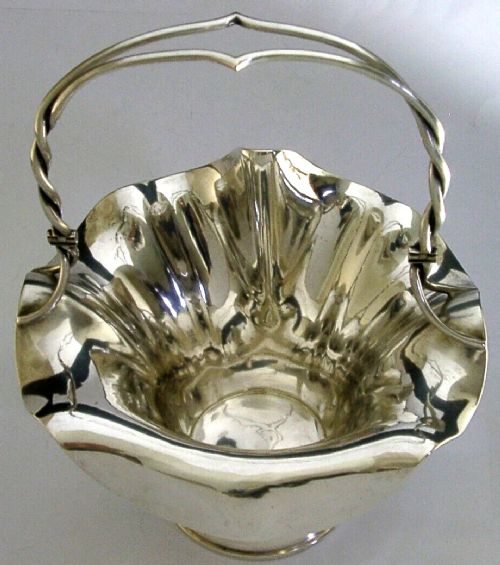
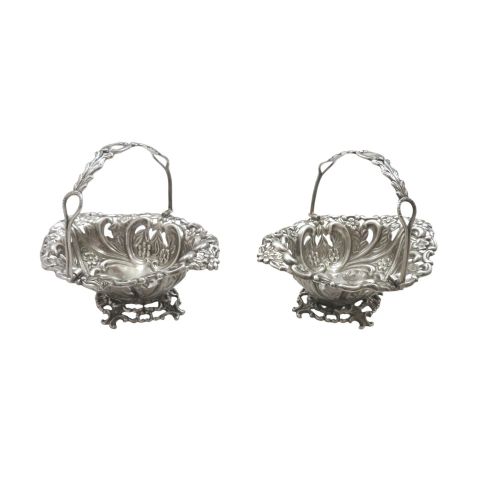
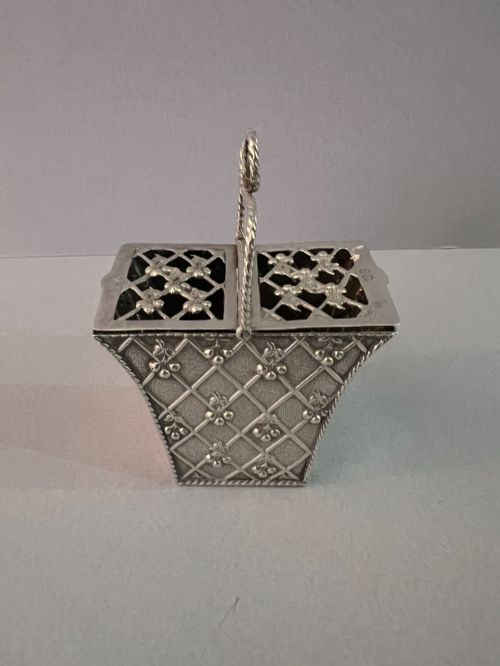
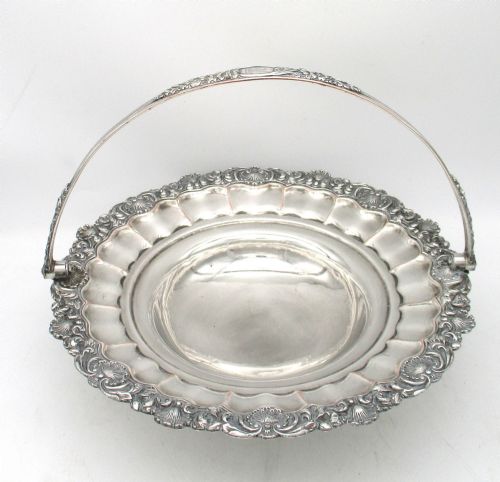
These vintage silver sugar baskets are delightful table wares designed to hold sugar lumps or crystals, combining solid metals or plated finishes with coloured glass liners.
Vintage Silver Sugar Basket
When you search for a vintage silver sugar basket, you encounter small decorative vessels created to hold sugar at the dining or tea table. The examples available span various eras from the eighteenth century through to the mid twentieth century, reflecting changing domestic habits.
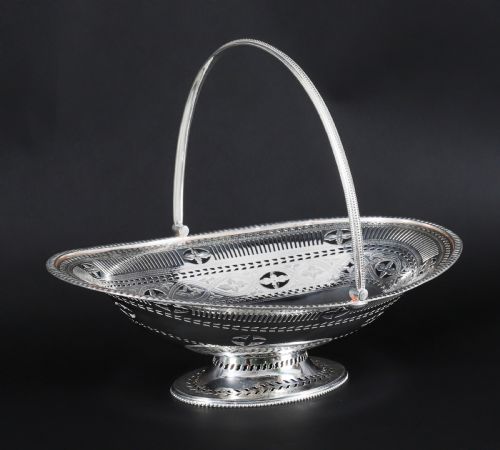
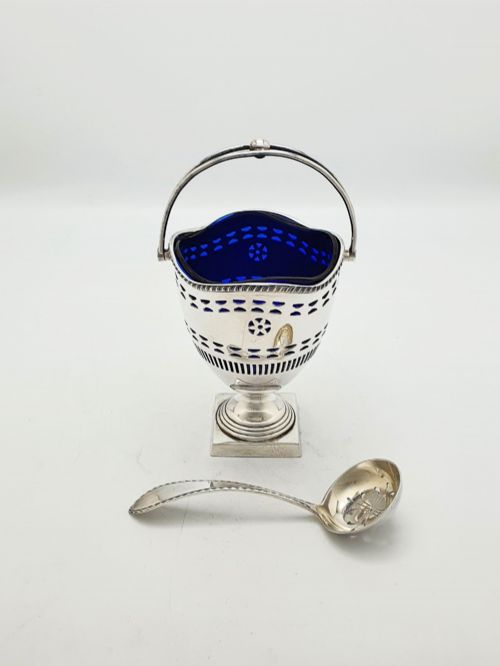
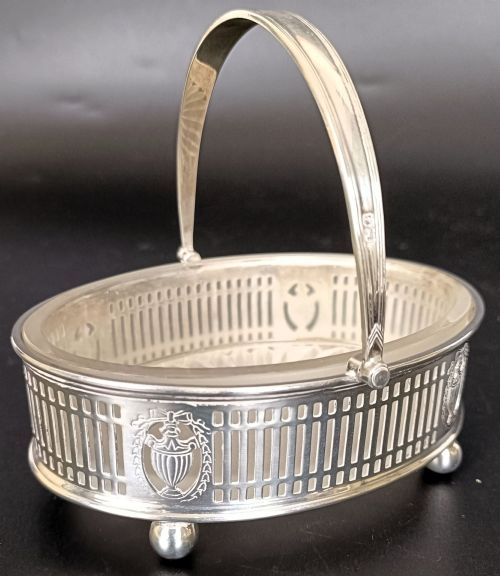
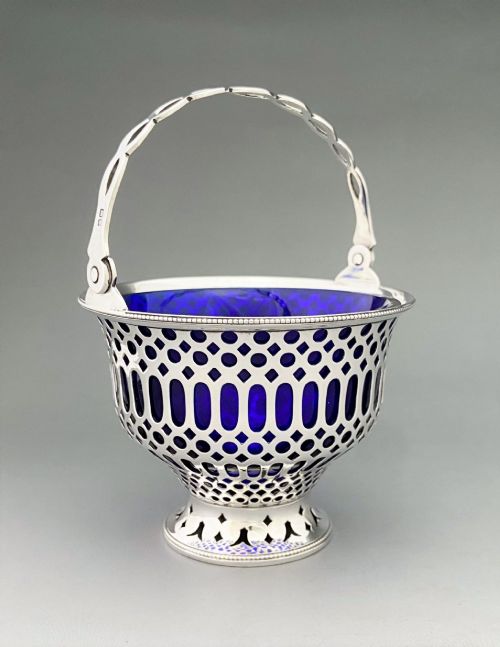
You are most likely to meet forms featuring swing handles, pierced lattice designs, or wirework construction. Many of these pieces include contrasting glass liners in cobalt or cranberry hues to protect the metal from moisture.
The materials range from solid sterling silver to silver plate and Old Sheffield plate. Formats vary from miniature sweetmeat dishes to footed bowls and traditional baskets.
How they were made
Silversmiths utilised traditional techniques such as piercing, wirework, and casting to shape the metal bodies of these baskets. Piercing involved carefully cutting intricate patterns through the silver sheet to create light, open lattices.
Plated items often relied on Old Sheffield plate or silver plating over a base metal like copper, a method common in earlier manufacturing. Glass liners were typically blown and shaped to fit snugly within the pierced or wire frames.
Materials documented in the inventory include sterling silver, silver plate, Old Sheffield plate, copper, and cobalt glass.
What varies in quality
The distinction between standard examples and finer pieces often lies in the crispness of the piercing and the weight of the metal. Heavier gauge silver provides a more substantial feel in the hand and resists bending.
The presence of an original, undamaged glass liner adds significantly to the completeness of an item. Detail in the casting of feet, handles, and borders further separates basic production from superior craftsmanship.
Elkington·Fenton
The Vintage Silver Sugar Basket Glossary
- Pierced work
- Metalwork decorated by cutting patterns through the surface sheet. This technique lightens the object and creates delicate decorative motifs.
- Old Sheffield plate
- A method of fusing a thin layer of silver onto a copper core. This historic process precedes modern electroplating.
- Swing handle
- A movable handle attached to pivots on the rim of the basket. It allows the handle to lie flat when not in use.
- Sweetmeat basket
- A small decorative container intended for confectionery, nuts, or small sugary treats. These diminutive vessels frequently feature intricate handle and foot details.
- Silver gilt
- Silver that has been coated with a thin layer of gold on the interior or surface. This treatment protects the silver from tarnishing when in contact with acidic foods.
Vintage Silver Sugar Basket: Frequently Asked Questions
What was a vintage silver sugar basket used for?
These vessels held sugar lumps or loose crystals on the formal dining or tea table. They allowed guests to serve themselves conveniently during social gatherings.
Over time, as refined sugar became more widely available in pre-formed cubes or granules, the specific ritual of the sugar basket evolved within domestic table service.
How do I clean a silver sugar basket?
Maintenance requires gentle washing with warm soapy water and a soft cloth to remove everyday dust and residue. Special care is necessary for pieces with glass liners or delicate wirework.
Applying commercial silver polish should be done sparingly to preserve any underlying plating or fine engraved detail on the metal surface.
Are all these baskets made of solid silver?
The materials vary considerably across the selection, including sterling silver, silver plate, and Old Sheffield plate. Hallmarks on the metal help determine the specific silver standard used.
Plated variants use a base metal underneath the silver layer, which requires careful handling to avoid wearing through the thin outer coating.
Why do some baskets have coloured glass liners?
Glass liners protected the silver metal from corrosive substances like moist sugar or preserves. Cobalt blue and cranberry glass were popular choices that added a vibrant splash of colour.
These removable inserts made cleaning much easier after use and prevented sticky residue from adhering directly to the delicate pierced metal framework.