



Vintage Silver Powder Box
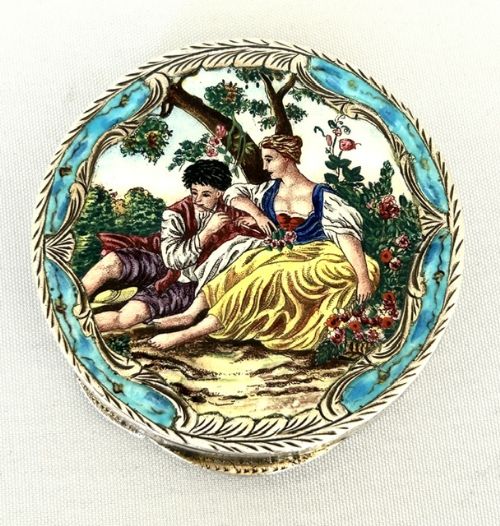
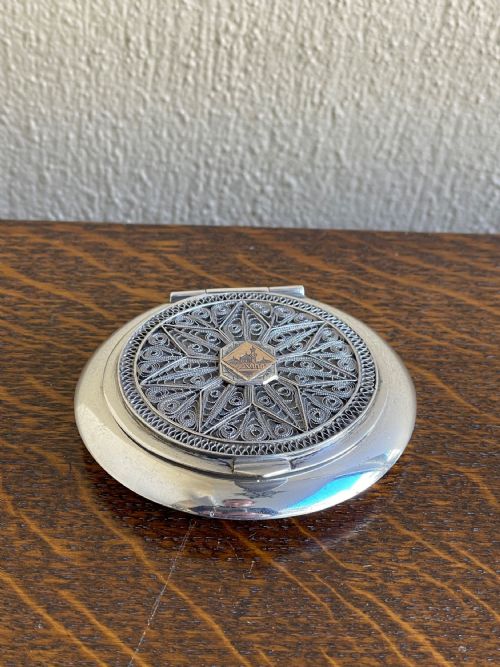
A vintage silver powder box sits on the dressing table as a useful container for cosmetics while showing the decorative metalwork of its period.
Vintage Silver Powder Box
A vintage silver powder box includes items grouped across terms like trinket boxes, powder compacts, vanity jars, and dressing table accessories. These receptacles served the dressing table for cosmetics, creams, and powders.
The objects on this page span the 19th Century, Edwardian era, George V reign, and the Art Deco and Mid-Century Modern periods. Designs range from British silver and glass vessels to international export pieces.
Buyers meet forms involving sterling silver, metal, and silver-gilt combined with glass, cut crystal, or satin glass. Many examples feature hinged lids or removable covers designed to sit on a vanity.
Materials and construction
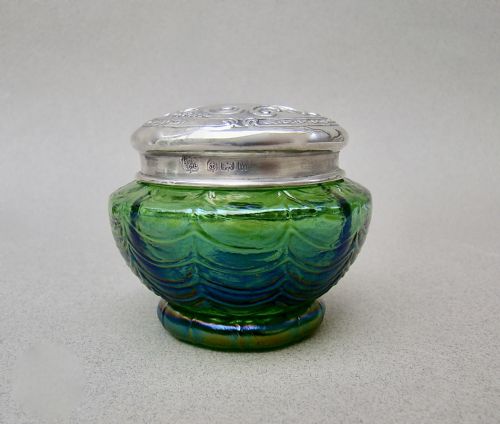
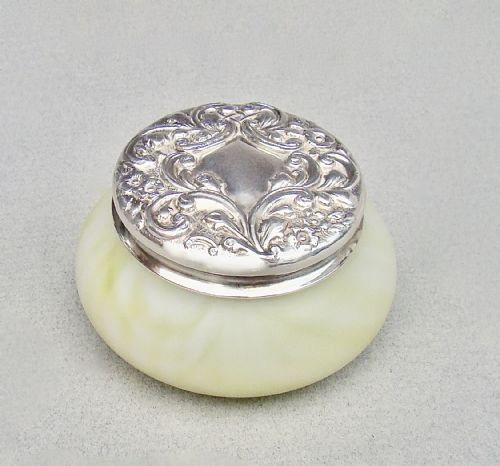
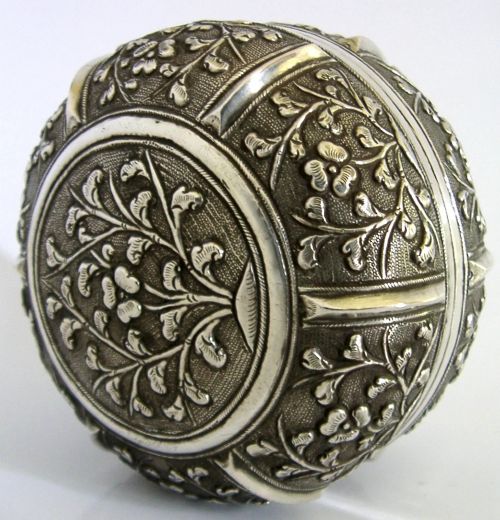
Makers formed the bodies of these vessels from cut glass, cut crystal, satin glass, or solid silver, creating transparent or reflective bases. Lids and mounts utilised sterling silver, metal, and silver-gilt.
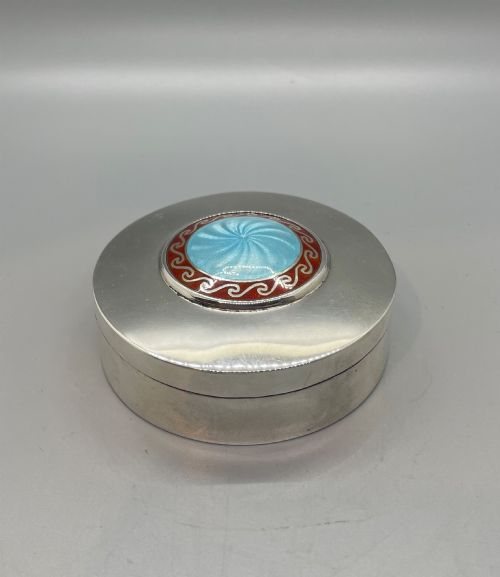
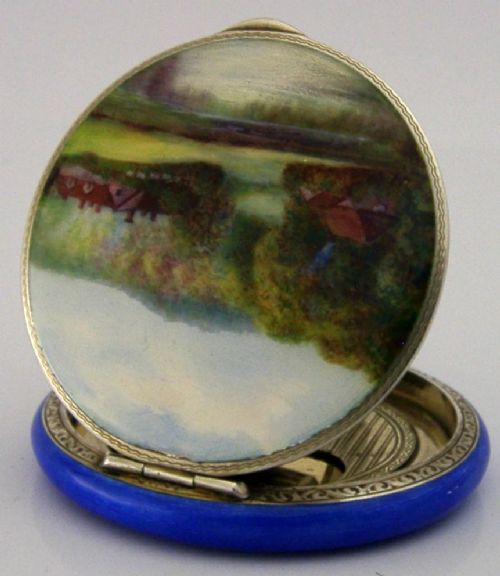
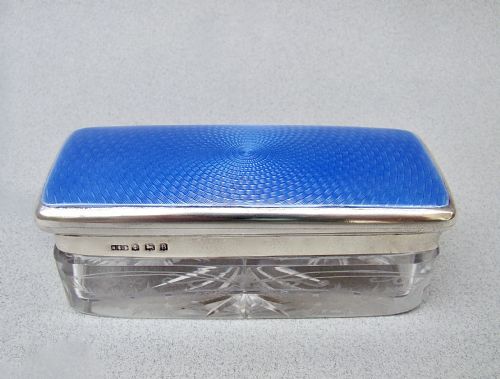
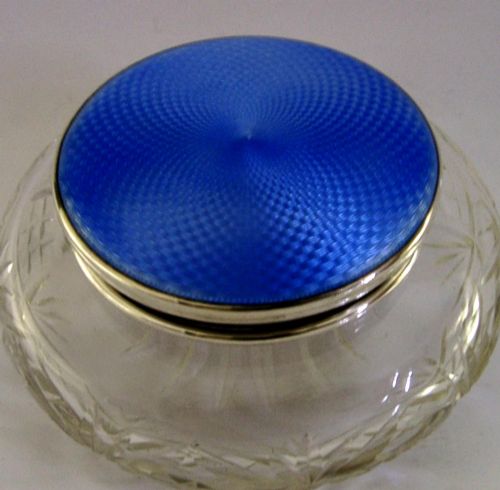
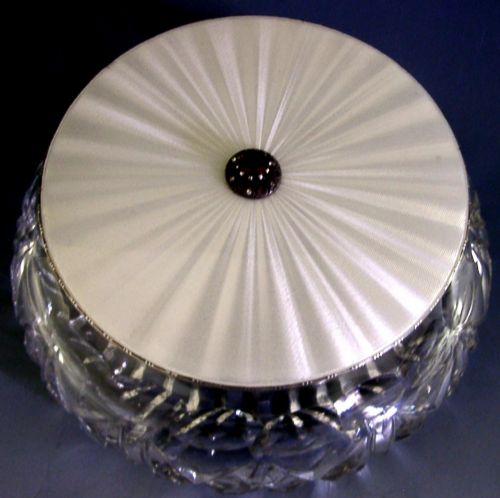
Surface decoration relies on enamel, guilloche enamel, tortoiseshell, filigree, and engine turning. Artisans applied hand-painted details or geometric Art Deco patterns to the metal components.
Several powder containers include secret compartments designed to hold rouge, pills, or a lipstick alongside the dusting powder.
Distinguishing quality
Quality rests in the crispness of the engine turning, the precision of the enamel work, and the weight of the silver mounts. Pieces with intact hand-painted details or undamaged guilloche show higher execution.
The clarity of the cut glass or crystal and the snug fit of the hinged lid demonstrate the maker's skill. Finer examples integrate multiple materials, such as tortoiseshell or silver-gilt, harmoniously.
A. J. Pepper & Co·Henry Clifford Davis·A. Bromet & Co·Henry Matthews·Elkington & Co·Henry Williamson Ltd·Posen
The Vintage Silver Powder Box Glossary
- Guilloche enamel
- Enamel applied over metal that has been engraved with a repetitive geometric pattern. This technique creates shimmering wave or ray effects beneath translucent colour.
- Sterling silver
- An alloy consisting of 92.5 percent silver and 7.5 percent other metals, usually copper. This standard denoted durability for vanity items.
- Silver-gilt
- Silver that has been coated with a thin layer of gold on its surface. The process provides a warm golden interior or finish to the metal container.
- Cut crystal
- Glass containing lead oxide that is cut with facets to refract light. It forms heavy, brilliant bases for lidded vanity jars.
- Engine turned
- A mechanical method of engraving precise geometric patterns into metal. It produces repetitive linear designs on compacts and boxes.
Vintage Silver Powder Box: Frequently Asked Questions
What is a vintage silver powder box used for?
These vessels held loose face powder, rouge, or small vanity items on a dressing table. They served both a cosmetic function and a decorative role in daily grooming routines.
Today, collectors utilise them to store small keepsakes or display them as examples of period metalwork and glass.
How do I identify an Art Deco powder box?
Art Deco pieces typically display geometric motifs, streamlined shapes, and vibrant guilloche enamel in colours like blue or pink. They often date from the 1920s and 1930s.
Makers of this era favoured symmetrical designs and integrated materials such as chrome, Bakelite, and enamel with silver.
How do I care for silver and enamel items?
Keep the pieces away from direct moisture and harsh chemical cleaners that can damage enamel or tortoiseshell. Use a soft cloth for dusting the metal surfaces.
Avoid submerging pieces with glass bases and cemented silver mounts in liquid to protect the internal adhesives.