

Vintage Silver Plated Dish
These vintage silver plated dish selections bring tactile elegance to a table, combining durable base metals with a gleaming metallic coat.
Vintage Silver Plated Dish
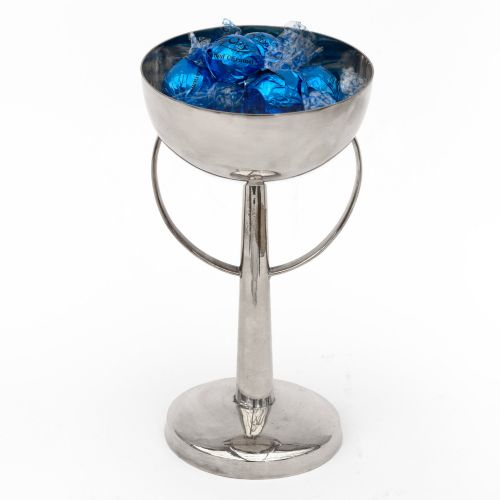
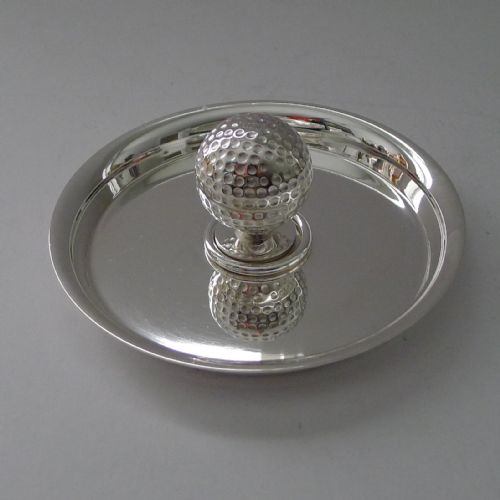
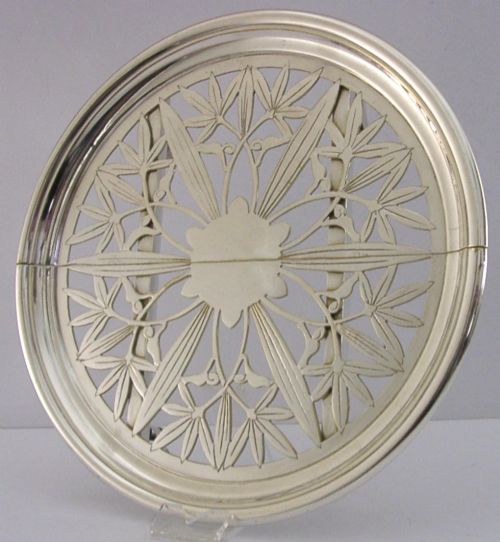
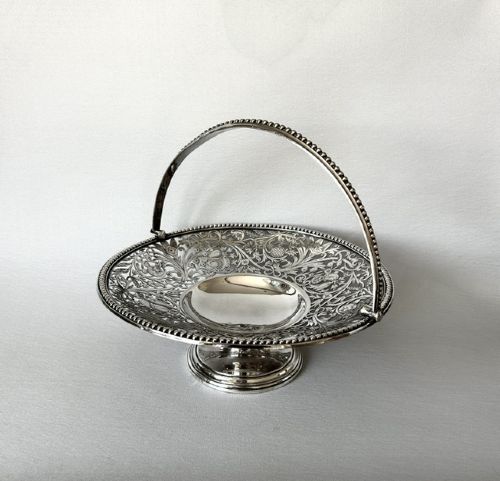
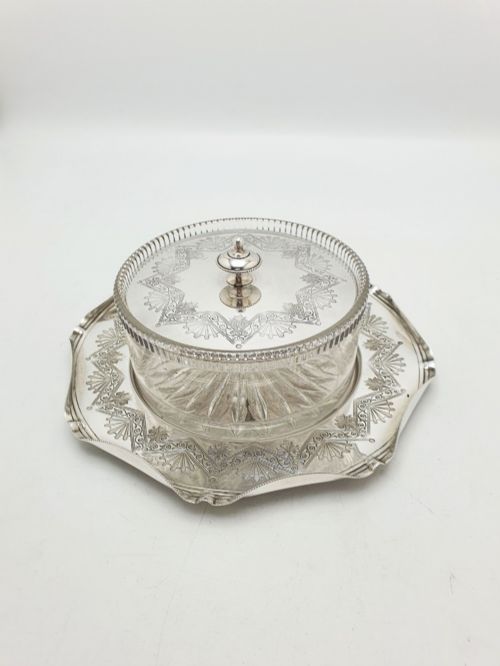
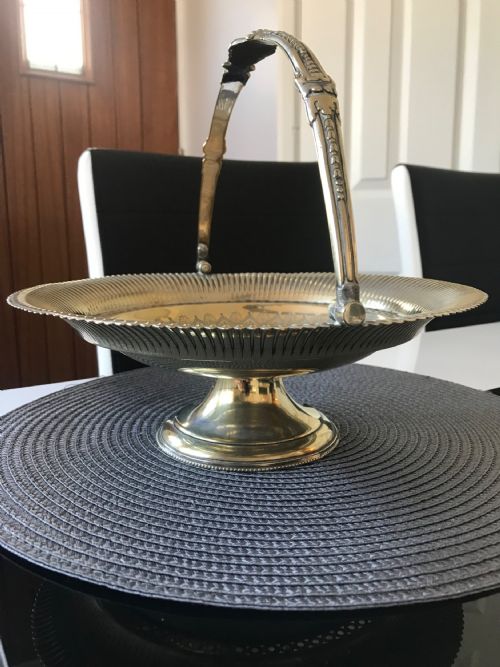
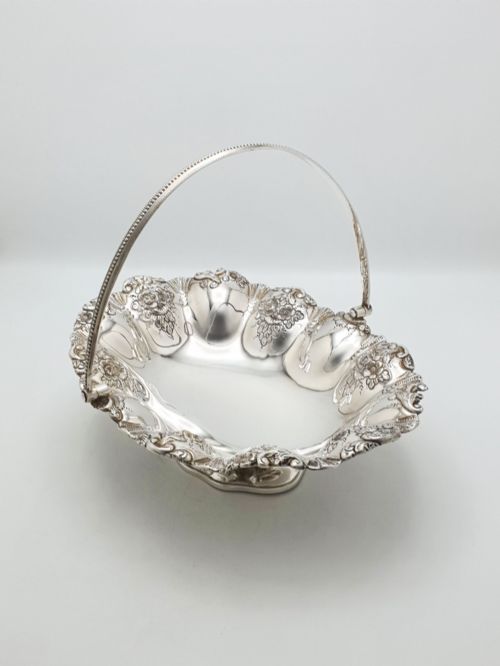
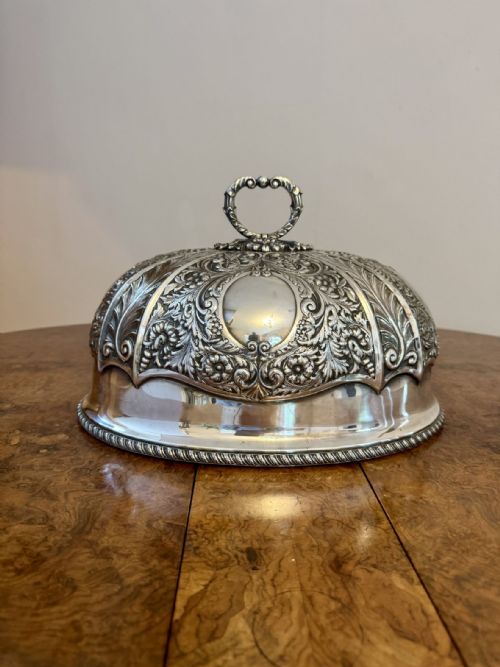
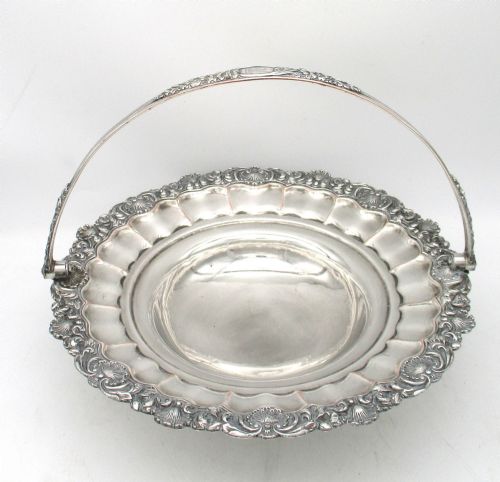
A vintage silver plated dish encompasses a wide variety of domestic serveware, ranging from Edwardian fruit baskets and Victorian butter dishes to Art Deco bon bon holders. Buyers searching this phrase encounter numerous functional table vessels designed for presentation, such as entree dishes, tureens, and trays.
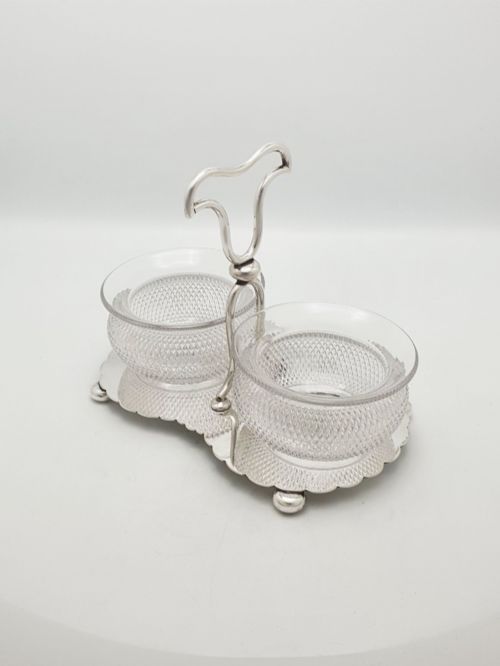
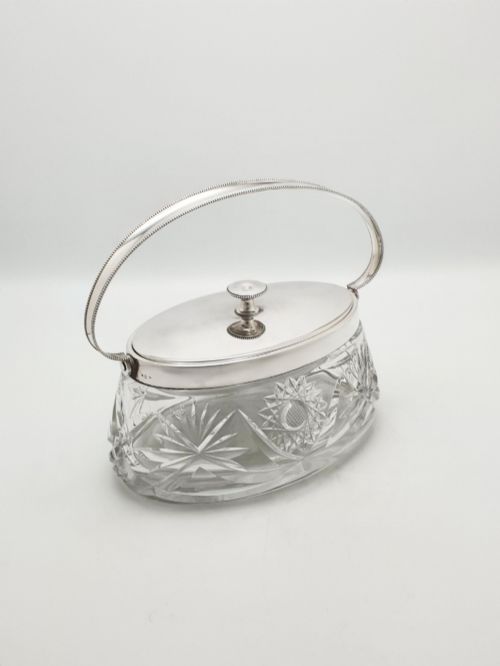
The selections span multiple decades and design movements, including Art Nouveau, Neo-Classical, and Mid-Century Modern aesthetics. Pieces frequently incorporate paired materials like cut glass, cranberry glass, and ceramic liners alongside the primary metallic surfaces.
Materials and Techniques
Makers utilised techniques such as silver plating and electroplated nickel silver over base metals like copper, brass, or white metal. Older items often employ Old Sheffield Plate, fusing a thin sheet of silver to a heavier copper body.
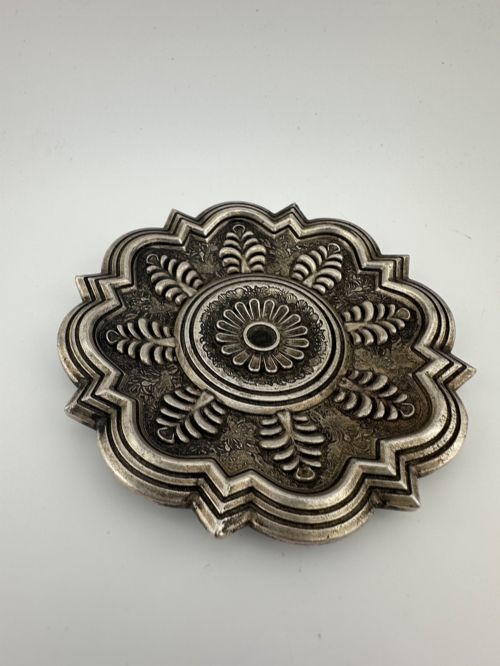
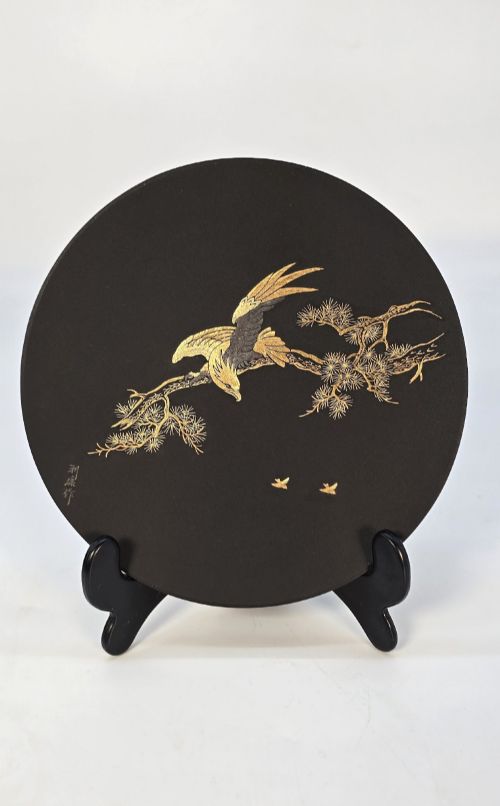
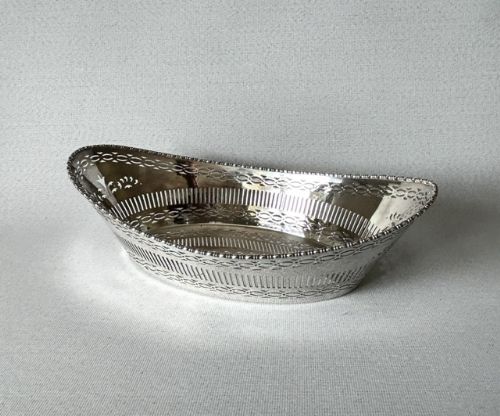
Decorative elements involve floral repoussé rims, pierced metalwork, and gold and silver inlay on patinated iron or copper surfaces. Interior components regularly feature functional additions like removable glass liners in cobalt or cranberry hues.
A cheerful squirrel perches atop one nut dish, ready to guard your snacks with unwavering metallic resolve.
The Spectrum of Craft
Quality rests in the crispness of the repoussé work, the weight of the underlying metal, and the evenness of the silver coverage across the surface. Substantial weight in entree dishes and baskets indicates a sturdier structure that resists denting.
The integration of secondary materials defines the execution level, where fitted cut glass inserts and secure handle mechanisms demonstrate careful manufacturing. Preserved maker marks and crests further separate standard utilitarian items from distinguished commissions.
Hermes Paris·Roberts Cadman·Christofle·Mappin and Webb·WMF·Elkington·Henry Wilkinson·Creswick
The Vintage Silver Plated Dish Glossary
- Silver Plate
- A thin layer of silver bonded to a base metal substrate. This technique democratised domestic tableware during the nineteenth and twentieth centuries.
- Old Sheffield Plate
- An early method of fusing silver to a copper core by heat and pressure. Edge seams often reveal the underlying copper layer upon close inspection.
- EPNS
- An abbreviation for electroplated nickel silver. This designation denotes a durable base alloy coated with silver via an electrical current.
- Repoussé
- Metalworking shaped by hammering from the reverse side to form raised decorative patterns. It appears frequently on Edwardian and Victorian rims.
- Entree Dish
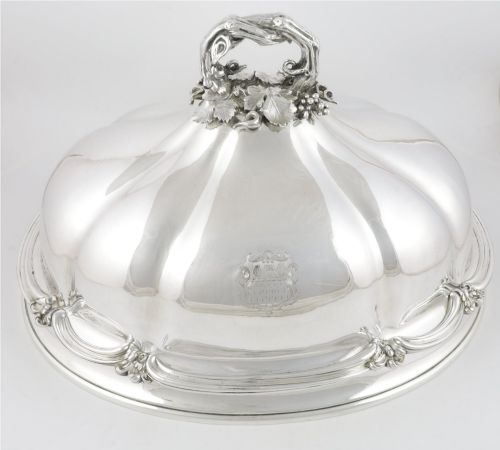
- A covered serving vessel used for presenting main courses or side dishes at formal meals. They often feature removable handles for versatile usage.
Vintage Silver Plated Dish: Frequently Asked Questions
How do I clean my silver plated dish?
Use a soft cloth and a specialised silver polish formulated to protect thin metallic coatings. Avoid harsh abrasives that wear away the plating and expose the underlying copper or nickel.
Rinse the item gently in warm water and dry it immediately with a lint-free cloth to prevent spotting and maintain the reflective shine.
Can I use these dishes for serving food?
Many of these vessels serve adequately for dry goods, fruit, or pre-cooked items presented at room temperature. Those featuring original glass liners work well for condiments, butter, and preserves.
Verify the condition of the interior surfaces before serving wet or acidic foods, as worn plating can expose base metals.
What is Old Sheffield Plate?
Old Sheffield Plate involves a mechanical fusion process where a sheet of silver is bonded to a copper ingot before rolling. This predates nineteenth-century electroplating methods.
Dishes made this way display a characteristic thin line of dark copper visible along exposed edges or cut boundaries.
How do I date a silver plated dish?
Examine the style of decoration, such as Art Nouveau whiplash lines or Edwardian floral motifs, alongside any stamped manufacturer marks. Specific design patents and registry numbers often narrow down the production year.
Associated materials like cranberry glass inserts or oak bases also point toward distinct Victorian and Edwardian manufacturing periods.