

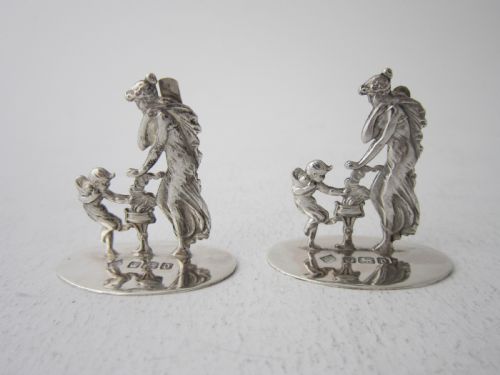


Vintage Silver Place Markers
Vintage silver place markers are small table accessories designed to hold name cards or menus, bringing neatness and charm to formal dining.
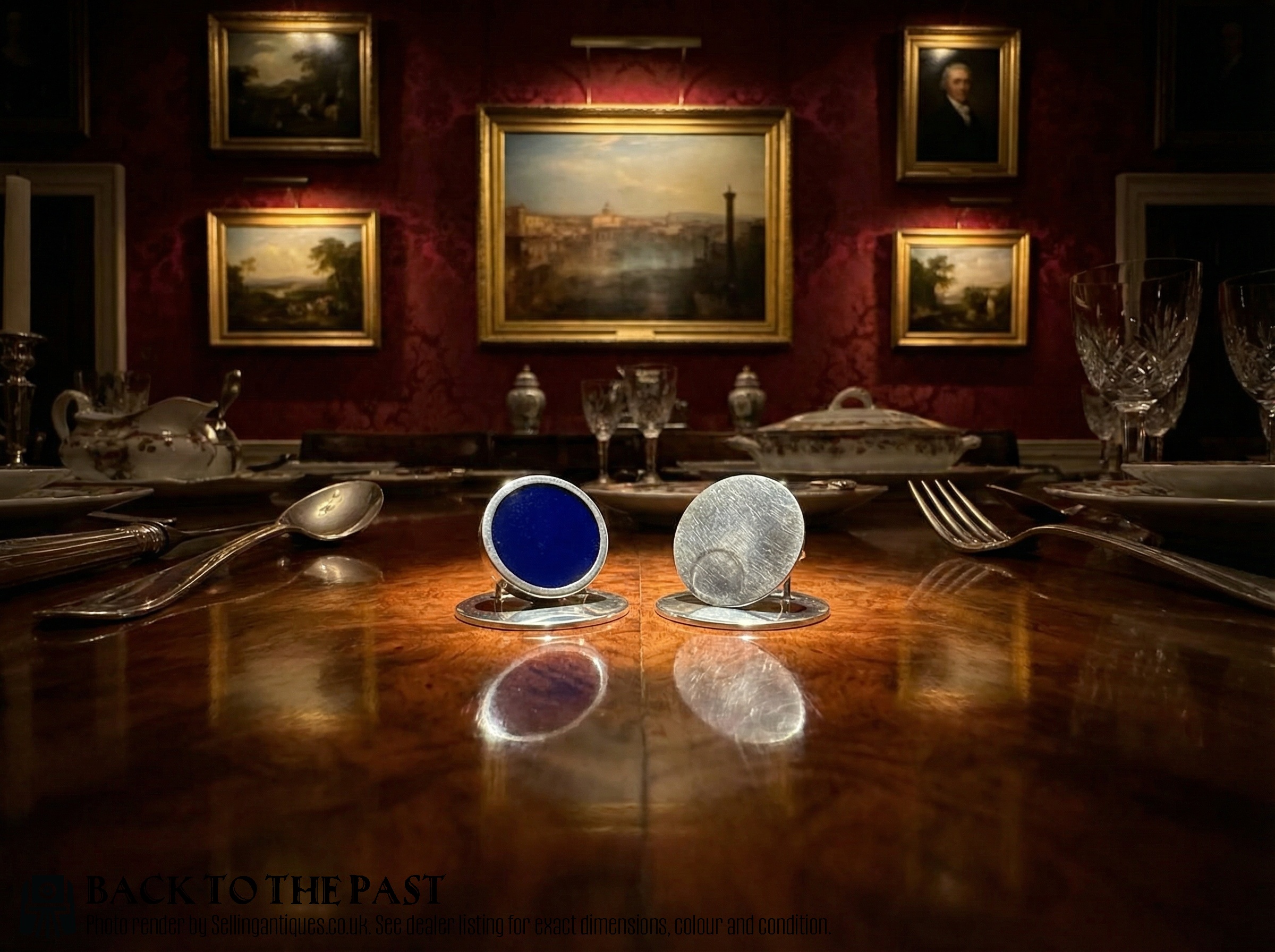
Vintage Silver Place Markers
Vintage silver place markers combine the functions of menu holders and place card holders, serving formal dinners from the Edwardian period through the nineteen thirties. These table accessories organise seating arrangements and display evening menus while adding decorative detail to the dining table.
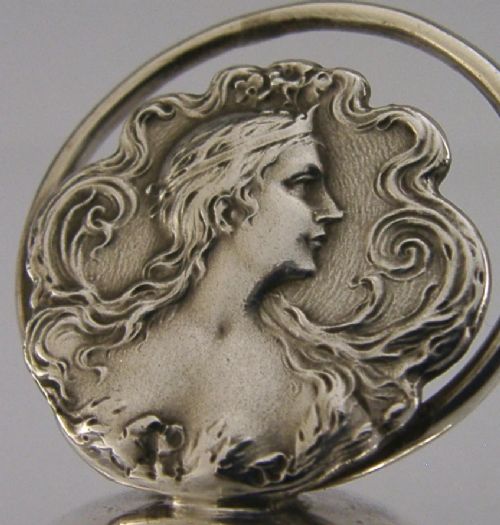
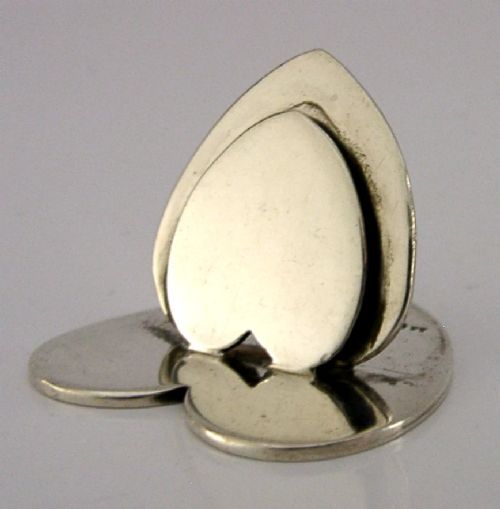
Edwardian examples frequently appear alongside pieces from the nineteen twenties and nineteen thirties, reflecting the social habits of those decades. Makers produced these items in various forms, including love hearts, birds, and animal heads.
The objects span multiple stylistic influences such as Arts and Crafts, Celtic Revival, and Equestrian themes. Most items are constructed from sterling silver, occasionally paired with enamel work.
How they were made
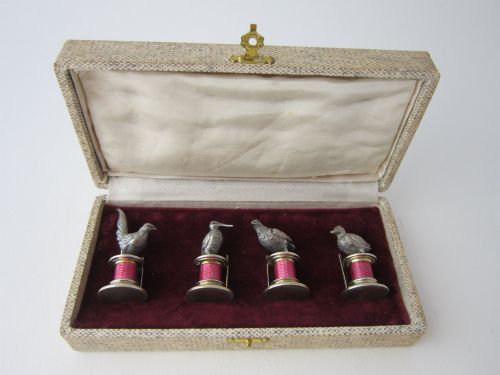
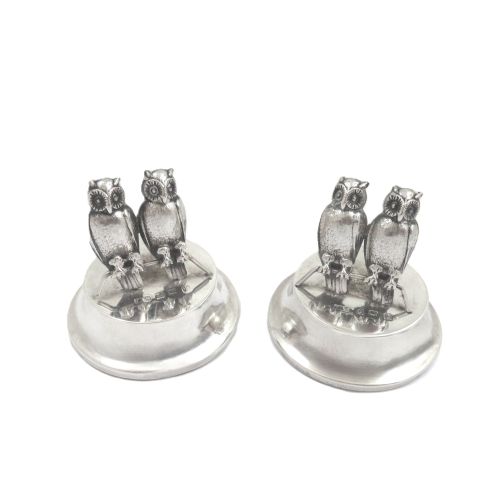
Silversmiths shaped sterling silver and silver plate through casting and hand-finishing, creating detailed figural designs like owls, foxes, grouse, and horses' heads. These sculptural forms required precise metalwork to ensure each piece balanced correctly on the dining table.
Enamelling techniques, particularly guilloche enamel, added colour and surface pattern to select pieces. Manufacturers also incorporated functional clips or slots designed to grip thin cards securely without damaging the paper.
Silver grouse and foxes stand ready to guard your dinner party seating arrangements.
What varies in quality
The reputation of the maker and the presence of undamaged enamel work influence the distinction between standard items and superior examples. Matching sets maintain greater cohesion than assembled groups of individual pieces.
Sampson Mordan·Liberty
The Vintage Silver Place Markers Glossary
- Menu Holder
- A small upright stand designed to support a printed menu card on a dining table. They share common forms with place card holders.
- Guilloche Enamel
- Decorative metalwork featuring intricate geometric patterns beneath a translucent coloured enamel coating. This technique appears on selected Edwardian and later pieces.
- Sterling Silver
- A silver alloy containing ninety-two point five percent pure silver by mass, with the remainder consisting of other metals. Most listed items utilise this standard.
- Equestrian Style
- Design motifs drawn from horse riding and racing, frequently seen in pieces modelled as horses' heads, foxes, or related gear.
Vintage Silver Place Markers: Frequently Asked Questions
What are vintage silver place markers used for?
These pieces hold printed menus or guest name cards upright on a dining table. They helped hosts organise seating and inform guests of the meal courses.
Today, collectors use them to dress dining tables for special dinners or display them as miniature silver sculptures in cabinet collections.
How do I tell Edwardian pieces from later ones?
Edwardian examples date from nineteen hundred to nineteen ten, often displaying flowing organic lines or classical motifs associated with that reign. Pieces from the nineteen twenties and nineteen thirties shift towards geometric Art Deco styles or specific animal subjects.
Hallmarks stamped directly onto the silver provide the most reliable guide to the exact year of manufacture and the maker.
Are place markers and menu holders the same thing?
They overlap significantly in function and form, as makers designed many small silver stands to accommodate either a narrow menu or a guest name card. Listings often group them together under both terms.
Larger versions tended to support menus, while smaller single clips held individual name cards for seating.
How should I clean silver place markers?
Use a soft microfibre cloth and a mild silver cleaner formulated to remove tarnishing without abrasive rubbing. Avoid harsh scrubbing on enamelled surfaces or delicate protruding details like animal ears and beaks.
Store them in dry conditions away from direct sunlight to preserve the finish of the metal.