


Vintage Silver Nut Dish
A vintage silver nut dish is a small, decorative receptacle for serving confectionery or nuts, prized for its craftsmanship and historical charm.
Vintage Silver Nut Dish
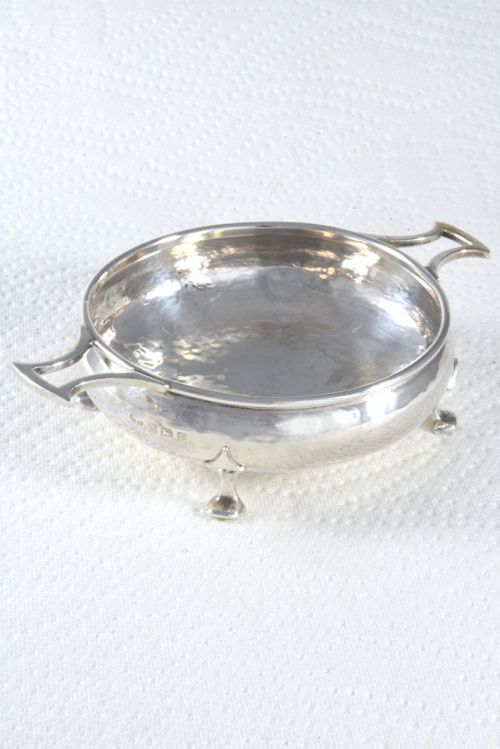
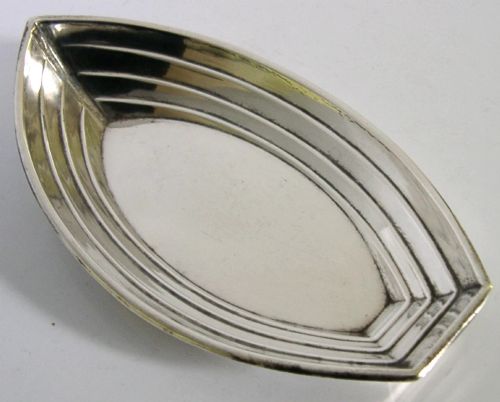
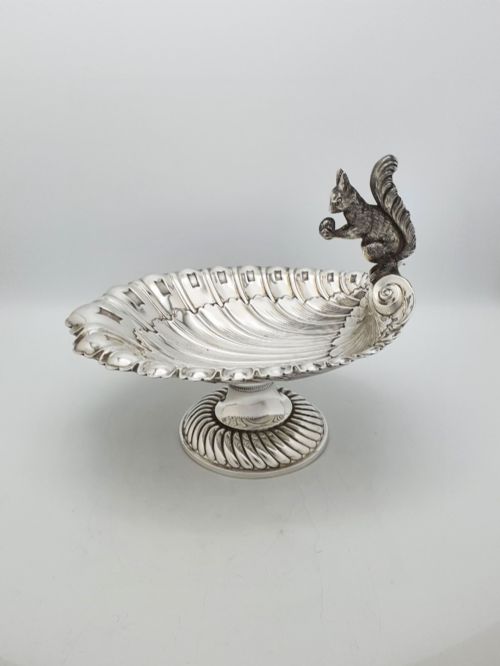
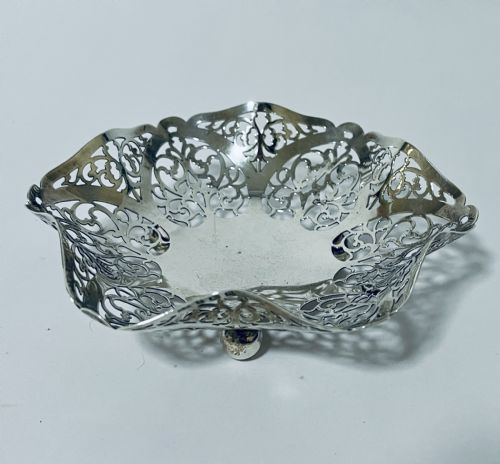
When you search for a vintage silver nut dish, you encounter small serving vessels and decorative dishes spanning the Victorian era through the 1940s. These pieces include novelties shaped like rowing boats or Viking longships, alongside classic bonbon bowls and handled baskets.
The most frequent finds on this page reflect the styles of the 1900s, George V period, and Art Deco era. Workshops produced these items in solid sterling silver, silver plate, and occasionally combined them with tortoiseshell or cut glass.
Makers and origins stretch from English sterling manufactories to American firms, continental makers such as WMF, and international pieces including 19th century Indian and Chinese export silver.
Materials and construction methods
Articles are forged primarily from sterling silver or silver-plated base metals, shaped into decorative bowls, baskets, and novelty forms like leaf motifs or longships. Artisans employed traditional smithing and casting techniques to produce detailed rims, handles, and figurative elements.
Selected pieces incorporate contrasting materials such as translucent cut glass linings or polished tortoiseshell panels set within silver frameworks. This combination of metals and organic elements highlights the diverse manufacturing traditions of British and international silversmiths.
Current selections include pieces from the Victorian era, the Edwardian period, and the 1930s Art Deco movement.
Assessing quality in silver dishes
Quality rests upon the weight of the metal, the crispness of any chased or pierced ornamentation, and the integrity of structural joins. Solid sterling pieces with clear hallmarks naturally differ from silver-plated items, though premier makers achieved exceptional execution in both categories.
The precision of novelty forms and the refinement of subsidiary materials like cut glass or tortoiseshell elevate specific examples. Finer items demonstrate careful hand-finishing by established makers rather than mass production.
Mappin & Webb·Wallace
The Vintage Silver Nut Dish Glossary
- Sterling silver
- An alloy comprising a high proportion of pure silver combined with other metals to ensure durability in small decorative items. This standard is frequently verified by official assay office hallmarks.
- Silver plate
- A base metal substrate coated with a thin layer of silver through electroplating or older techniques. It provided an accessible alternative to solid silver for domestic tableware.
- Bonbon dish
- A small vessel specifically designed for holding sweets, confectionery, or nuts. These often feature pierced decoration or elevated pedestals.
- Hallmark
- A series of stamped symbols indicating the metal standard, maker, and year of assay on British silver. These marks offer a reliable method for dating individual items.
- Tortoiseshell
- The mottled brown and amber shell of certain turtle species used historically as an inlaid decorative panel. It frequently appears paired with sterling silver mounts in early twentieth-century pieces.
Vintage Silver Nut Dish: Frequently Asked Questions
What were vintage silver nut dishes used for?
These small dishes served small food items like nuts, confectionery, or bonbons during formal dining and drawing-room gatherings. They added a decorative touch to tables and sideboards.
Over time, owners also repurposed them as trinket dishes or small receptacles for personal items on dressing tables.
How do I date a silver dish?
Dating relies primarily on official hallmarks stamped into the metal, which indicate the specific assay office and year of production. Stylistic markers such as Art Deco geometric lines or Victorian ornamentation also help assign a period.
When hallmarks are absent, construction methods, maker marks, and accompanying materials provide strong chronological clues.
How should I clean silver dishes?
Gentle cleaning with a specialised silver cloth removes tarnish without harming the underlying metal or softer inset materials. Avoid abrasive pastes or harsh chemical dips that strip away delicate patinas.
If the dish incorporates tortoiseshell or cut glass, keep moisture away from the joins to protect the secondary materials.
What is the difference between solid silver and silver plate?
Solid sterling silver consists of the same precious metal all the way through, maintaining its intrinsic material value over centuries. Silver plate involves a thin layer of silver applied over a base metal foundation.
Both materials were widely used for decorative dishes, but solid pieces usually carry distinct assay hallmarks.