

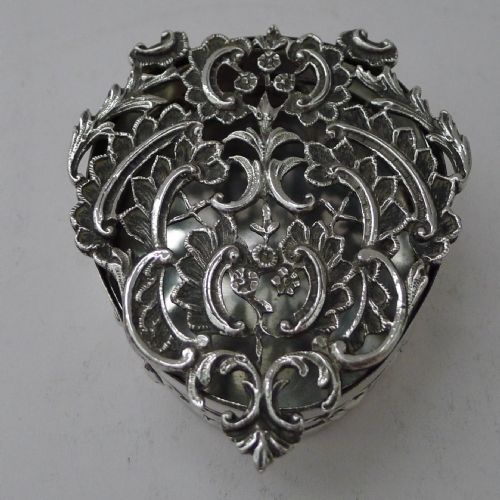


English Silver Trinket Dish
These english silver trinket dish pieces range from Victorian pill boxes to Edwardian trays, offering small-scale elegance for dressing tables.
English Silver Trinket Dish
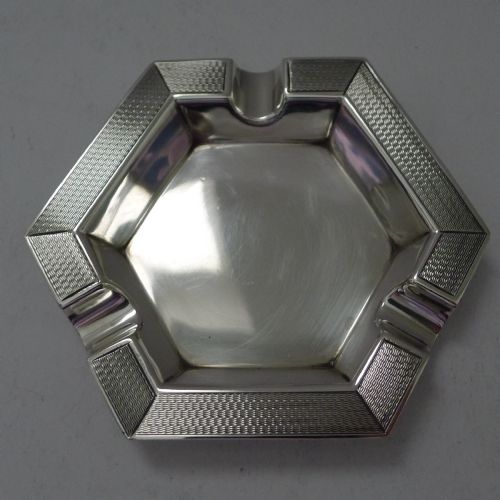
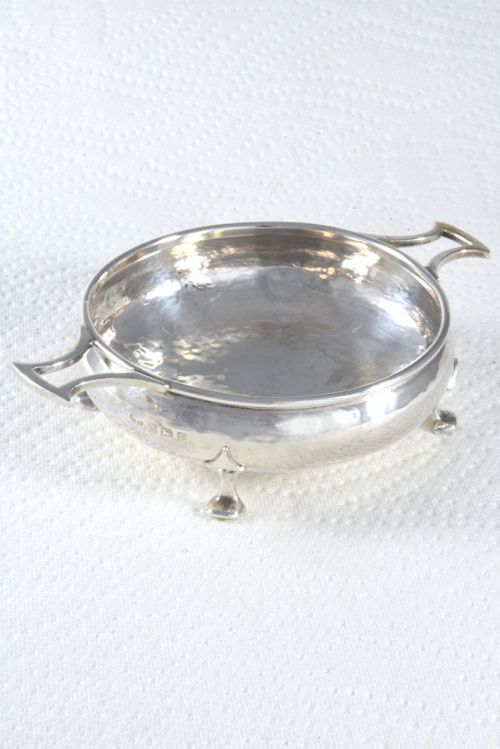
An english silver trinket dish encompasses small decorative vessels, ashtrays, pill boxes, and larger dressing table trays fashioned for domestic utility. You will most frequently encounter Edwardian and George V sterling silver pieces, alongside Victorian examples from the late nineteenth century.
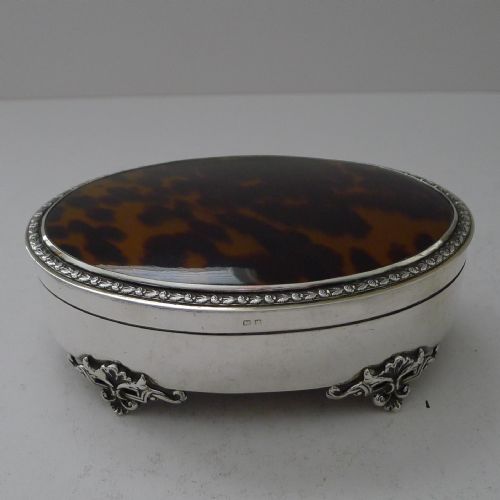
Forms vary from heart-shaped dishes and figural bowls to fitted jewellery boxes incorporating tortoiseshell, cut glass, and amethyst. Makers produced these items to hold small personal belongings, rings, and pins within the bedroom or drawing room.
The materials and styles span Arts & Crafts, Art Nouveau, and Neoclassical Revival aesthetics, demonstrating the diverse output of English silversmiths across several decades. Pieces often carry assay office marks and date letters that pinpoint their exact year of manufacture.
Materials and construction
Silversmiths constructed these items primarily from solid sterling silver, occasionally utilising silver plate for larger decorative trays and baskets. Many examples combine the metal with polished tortoiseshell lids, cut crystal bodies, or inlaid amethyst stones.
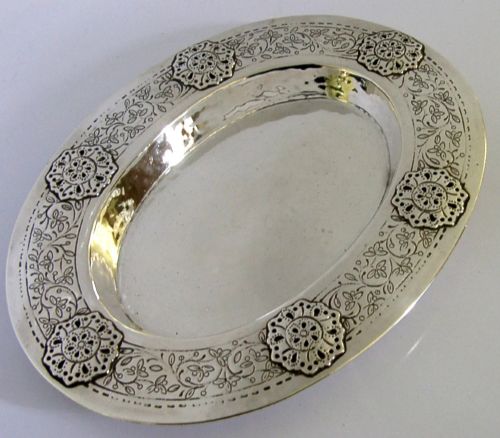
Techniques involved hammering, casting, and repoussé work, visible in detailed motifs such as Reynold's angels or figural designs. Makers assembled composite boxes using hinged mountings, fitted velvet linings, and secure clasps.
Some Victorian dishes are shaped as double hearts, offering a sentimental touch for nineteenth-century dressing tables.
Factors determining quality
Quality rests upon the weight of the sterling silver, the crispness of the chased or embossed decoration, and the integrity of any secondary materials like tortoiseshell or cut glass. Finer pieces display sharper detail in figural elements and robust hinges that maintain alignment.
The reputation of the maker and the complexity of the design elevate certain items above standard production wares. Intact linings and clear hallmarks further distinguish superior examples from heavily worn pieces.
William Neale·Liberty and Co·William Comyns·William Padley
The English Silver Trinket Dish Glossary
- Sterling silver
- An alloy consisting of ninety-two point five percent silver by mass, standard for quality English plate. This standard was strictly regulated by assay offices across the country.
- Repoussé
- A metalworking technique where the smith hammers the design from the reverse side to create a raised relief on the front. It is frequently seen on decorative trays and dishes.
- Tortoiseshell
- The mottled brown and amber shell of certain sea turtles, used historically for veneering box lids and trinket containers. It provides a striking contrast against polished sterling silver.
- Hallmark
- A series of official marks stamped on precious metals indicating the maker, purity, assay office, and year of manufacture. These marks are essential for dating and attribution.
- Pot pourri box
- A small lidded vessel pierced with holes in the top to allow dried fragrant plant material to scent a room. They often match the design of dressing table trays.
English Silver Trinket Dish: Frequently Asked Questions
How do I clean an antique silver dish?
Use a soft microfiber cloth and a mild silver polish specifically formulated for antiques to remove tarnish gently.
Avoid abrasive pastes and harsh chemical dips, which can strip away the original patina and damage softer inset materials like tortoiseshell.
Were these dishes used for jewellery?
Many smaller dishes and lidded boxes served specifically to hold rings, brooches, and pins on dressing tables.
Open dishes were also utilised for calling cards or small pocket contents at the end of the day.
How can I date my silver piece?
Locate the series of stamped hallmarks on the silver, which typically include a leopard head or anchor, a lion passant, and a specific date letter.
Matching this letter against published assay office tables reveals the exact year the item was hallmarked.
What is the difference between silver and silver plate?
Solid silver, or sterling, contains a high purity standard throughout the entire thickness of the metal object.
Silver plate consists of a thin layer of silver bonded to a base metal core, such as copper or brass.