

Vintage Silver Drinking Cup
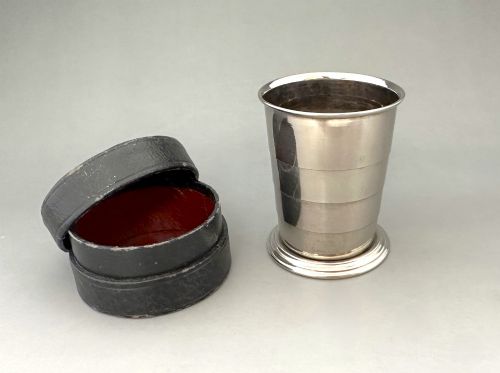
A vintage silver drinking cup carries the weight of past celebrations, offering tangible craft from the nineteenth and twentieth centuries.
Vintage Silver Drinking Cup
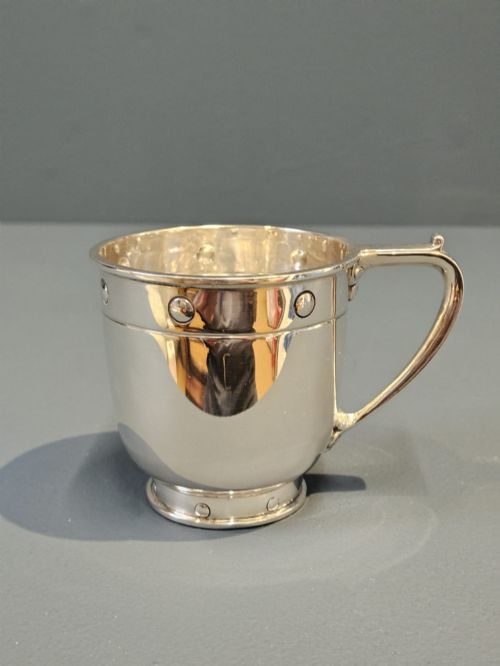
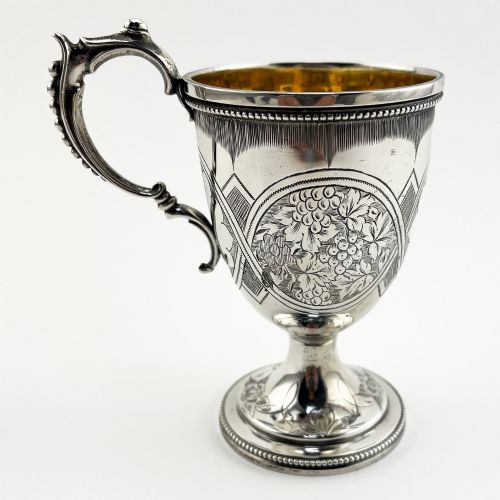
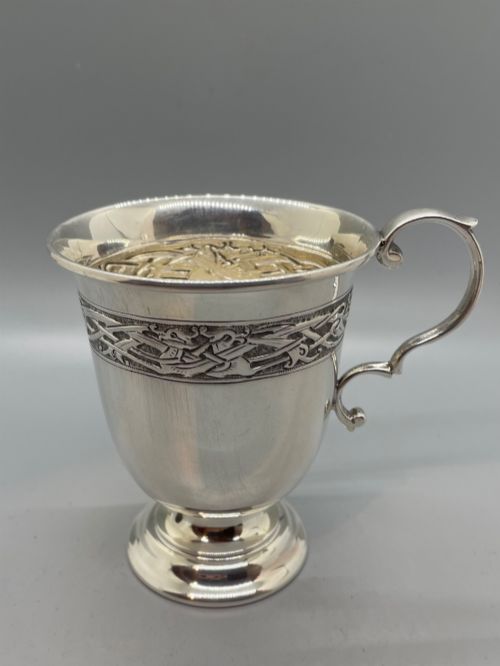
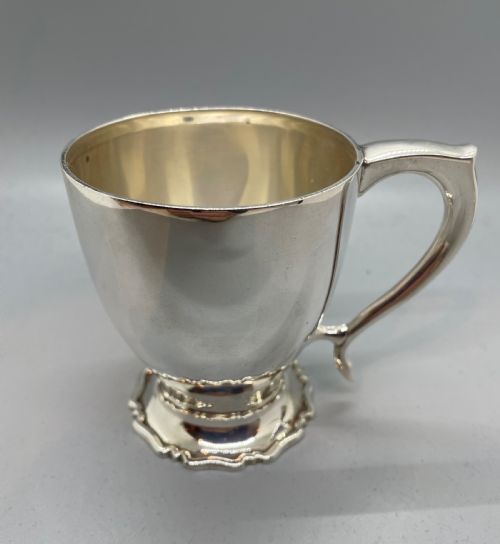
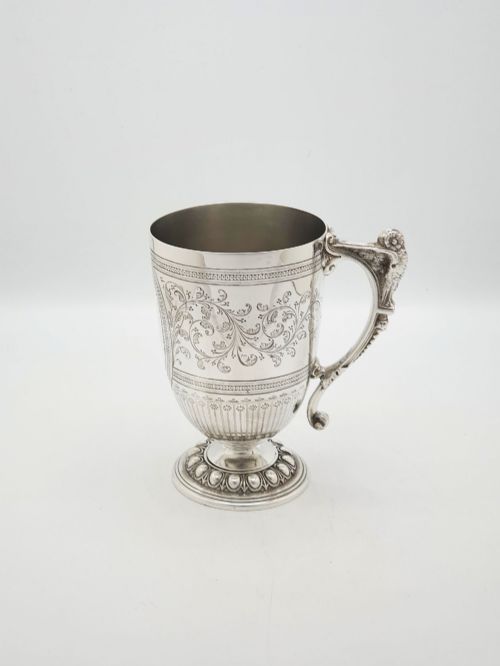
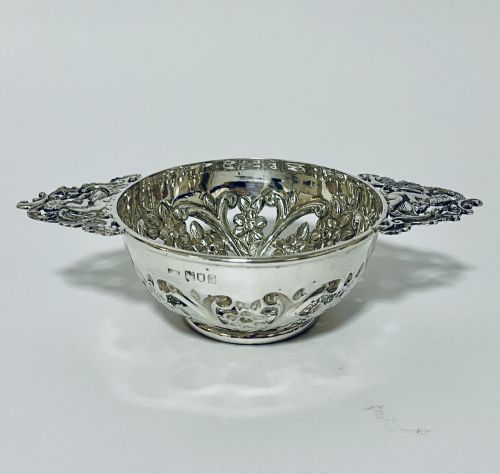
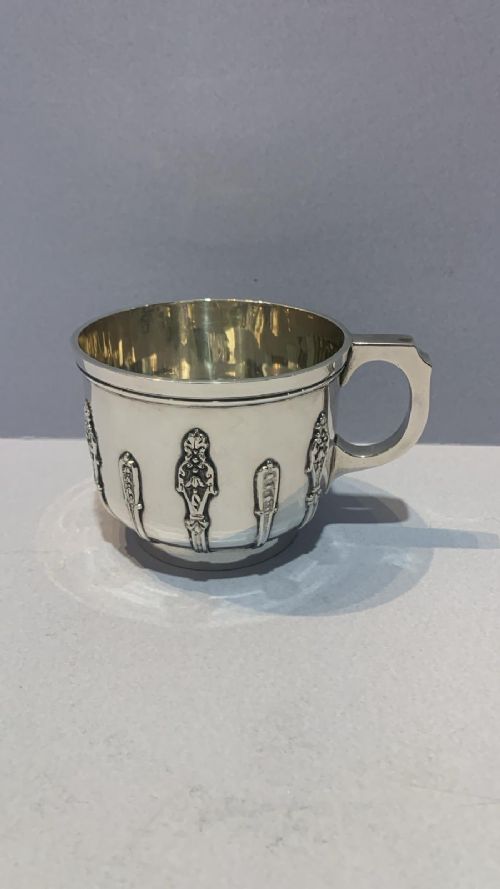
A vintage silver drinking cup encompasses sturdy mugs, tankards, beakers, quaichs, and christening cups spanning the Victorian, Edwardian, and Art Deco eras. These pieces bridge social drinking customs and domestic milestones from the late nineteenth century through the interwar period.
Makers shaped these items for diverse settings, ranging from formal dining and field sports to intimate family presentations. Sterling silver and silver plate predominate, occasionally paired with cut glass, leather, or crystal components.
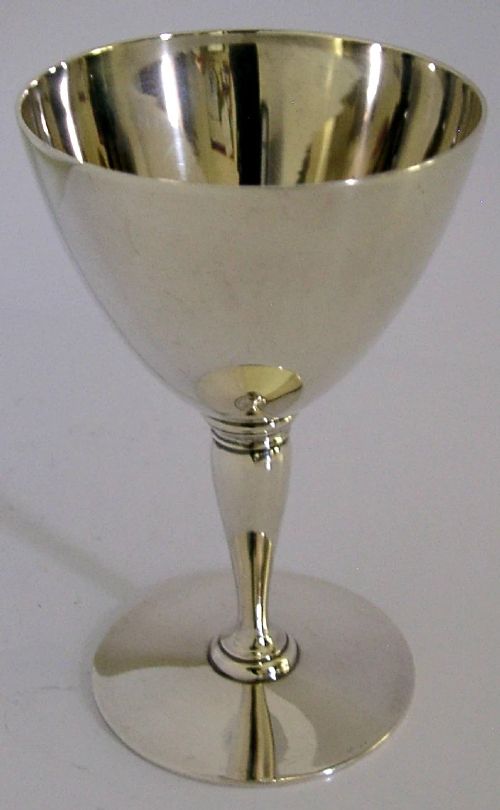
Collectors frequently encounter George V tankards and Edwardian stem cups alongside specialised barware like cocktail glasses and hip flasks. The selection traces a clear lineage of British and continental metalwork alongside distinct regional styles.
Materials and Techniques
Silversmiths utilised sterling silver, 800 silver, and durable silver plate over base metal to construct these vessels. Hammering, planishing, and planished surfaces appear across Arts and Crafts and Art Deco examples, creating distinct textural depth on the metal body.
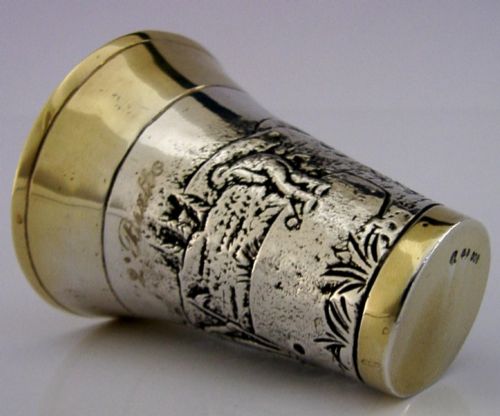
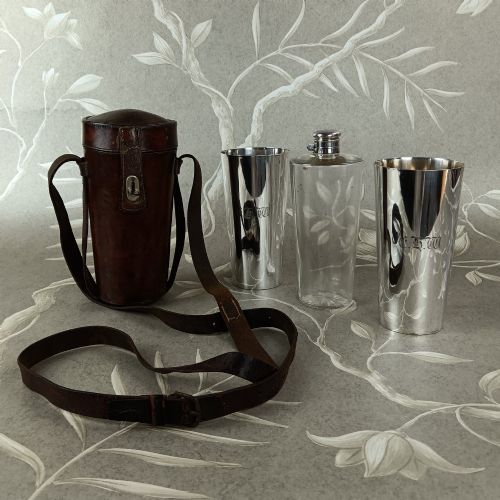
Embossing, engraving, and bright-cut work decorate many Victorian and Georgian pieces, while other vessels rely on plain cylindrical bodies or cut glass combinations. Leather coverings, crocodile skin wraps, and glass barrels complement the primary silver elements in portable flask sets.
Design and Execution
Superior execution shows in the crispness of chased decoration, the balanced weight of a solid handle, and the precise fit of detachable cups on flasks. Finer examples display deliberate proportions where wall thickness supports daily handling without feeling overly heavy.
Barker Bros·James Dixon & Sons·Elkington·William Eaton·R E Stone·Tiffany & Co
The Vintage Silver Drinking Cup Glossary
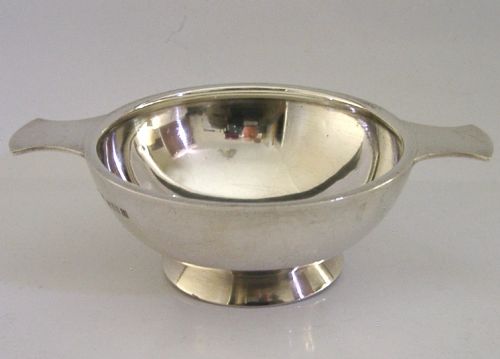
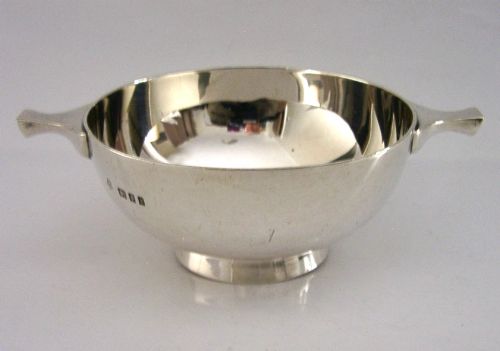
- Quaich
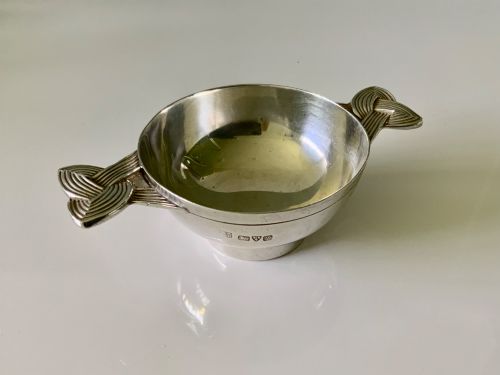
- A traditional Scottish two-handled drinking vessel used for toasts. It often appears in silver during the Edwardian and Arts and Crafts periods.
- Tankard
- A tall, robust drinking cup typically featuring a single handle and a cylindrical body. Many examples date from the Georgian and Victorian eras.
- Hip flask
- A pocket-sized container designed for carrying spirits, frequently fitted with a removable cup at the base. Materials often include sterling silver combined with glass or leather.
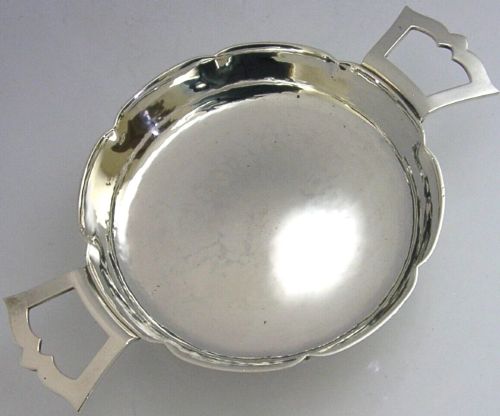
- Planished
- A metal surface finished by small, controlled hammer blows that leave a subtle, shimmering texture. This technique is characteristic of Arts and Crafts silverwork.
Vintage Silver Drinking Cup: Frequently Asked Questions
How do I date a silver cup?
Examine the hallmarks stamped into the metal, which typically indicate the assay office, city, and year of production. Stylistic markers such as Art Deco geometric lines or Victorian embossed floral motifs also point to specific decades.
Makers' marks further narrow down the origin when matched against historical records of silversmiths and manufacturing firms.
Were these cups meant for daily use?
Many sturdy mugs, tankards, and beakers served practical functions at the table or in taverns. Christening mugs were traditionally kept as lifetime keepsakes rather than utilised for everyday meals.
Portable flasks and campaign spirit sets were explicitly designed for outdoor travel, hunting, and field sports.
How should I clean silver drinking vessels?
Wash silver pieces gently using warm water and mild liquid soap, drying them thoroughly with a soft cloth to prevent water spots. Avoid abrasive scourers or harsh chemical dips that can strip away patination and delicate engraving.
Store them in a dry environment away from direct sunlight and rubber materials to minimise tarnishing.