

Vintage Silver Dressing Table
A vintage silver dressing table collection unites mirrors, boxes and scent bottles crafted across the Victorian, Edwardian and Art Deco decades.
Vintage Silver Dressing Table
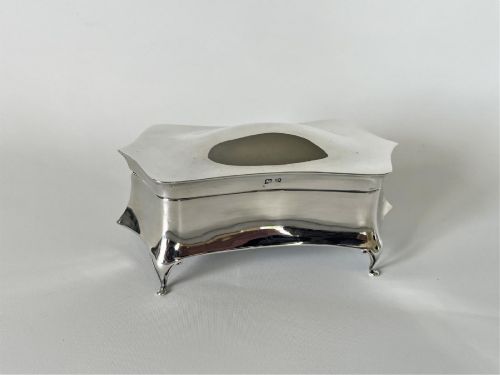
A vintage silver dressing table assemblage comprises items created to organise personal grooming and jewellery upon a bedroom bureau. The selection centres on functional vessels such as scent bottles, vanity jars, trinket boxes and hand mirrors fashioned from sterling silver, glass and tortoiseshell.
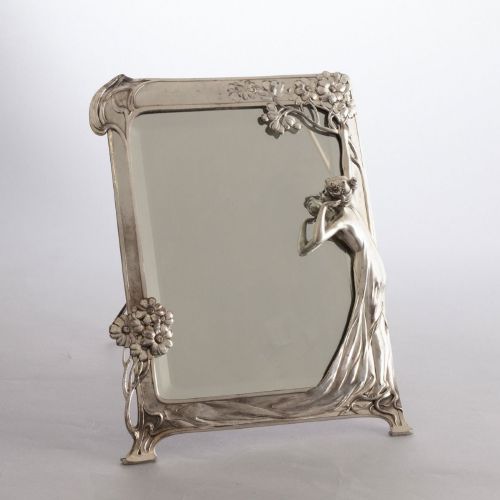
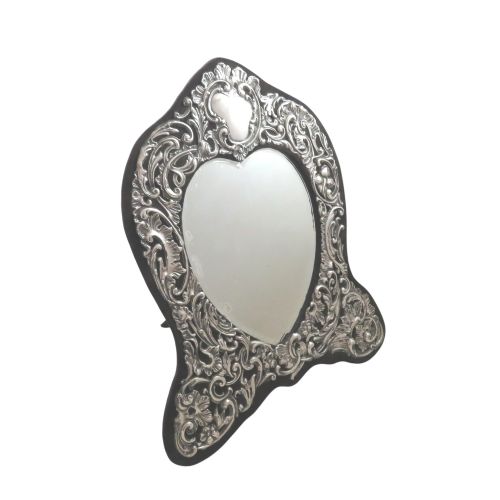
The objects stem predominantly from the late nineteenth century through the Edwardian period and the Art Deco era, reflecting changing domestic habits of their time. Forms range from heavy table mirrors and ring trees to small pill boxes and button hooks.
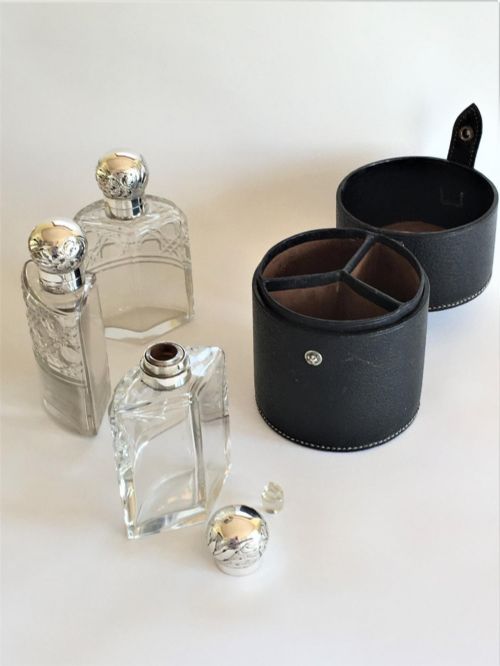
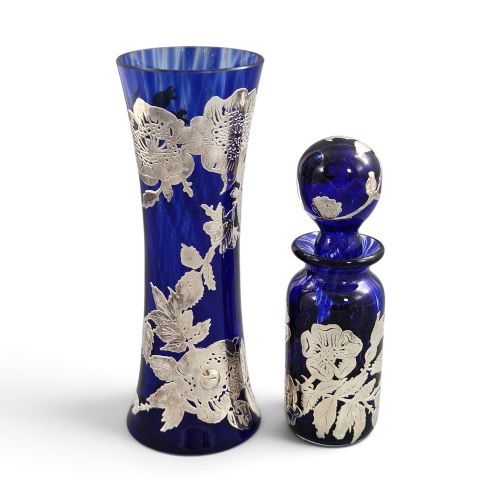
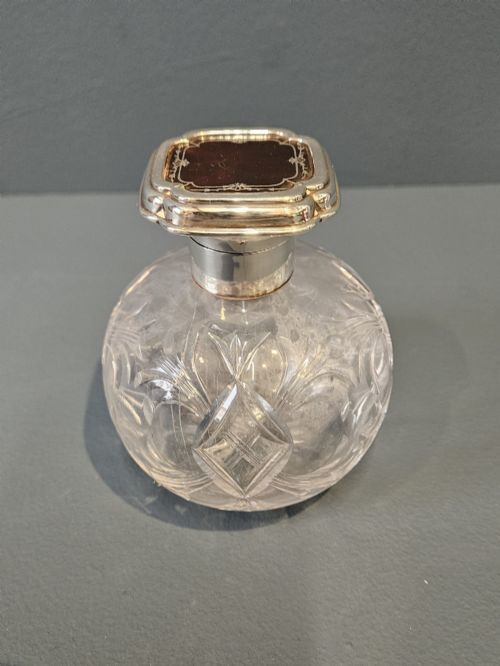
Pieces frequently combine precious metal mounts with cut glass bodies, coloured enamel work or satin glass. These items survive as functional containers for modern dressing tables as much as display collectables.
Materials and Techniques
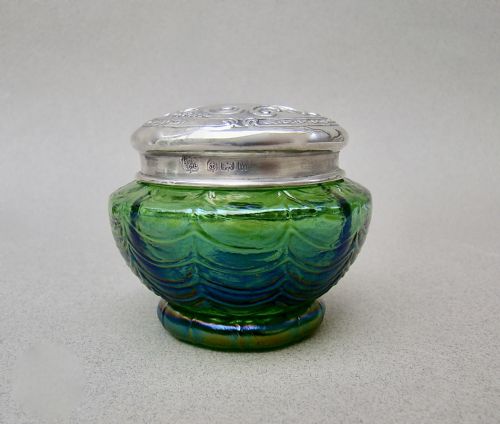
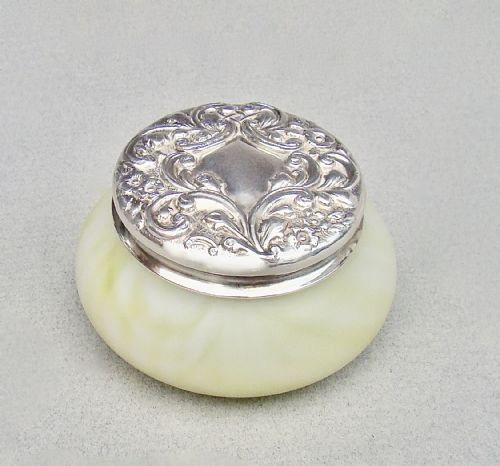
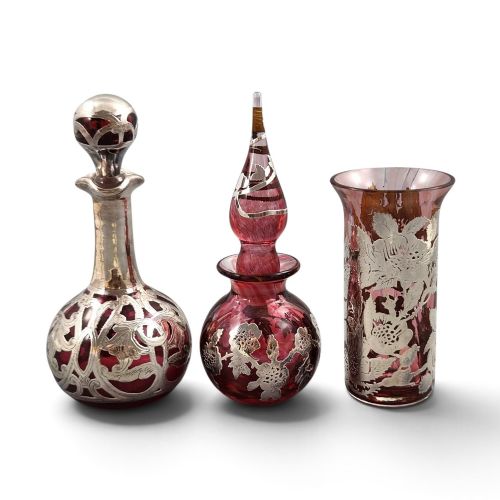
Makers utilised sterling silver and silver plate alongside cut crystal, Kralik glass, cranberry glass and cobalt glass to construct these items. Metal mounts were often stamped, embossed or cast with floral and figural motifs before being affixed to glass bodies.
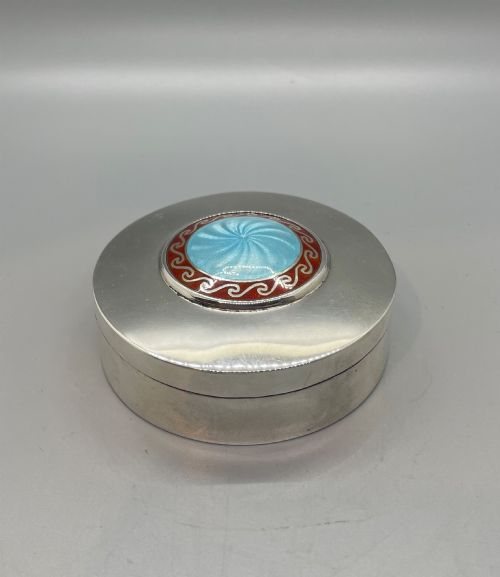
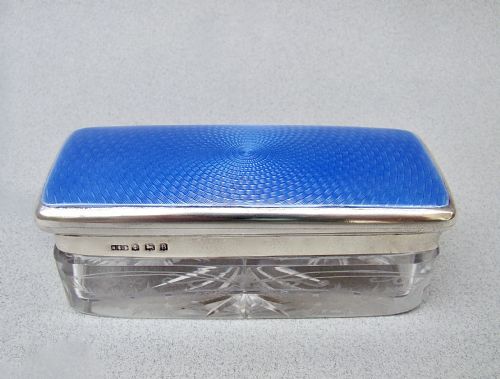
Guilloche enamel work involved machining geometric patterns into a metal base before applying translucent coloured enamels by hand. Tortoiseshell and velvet were integrated into trinket boxes and mirror backs using specialised adhesives and internal framing.
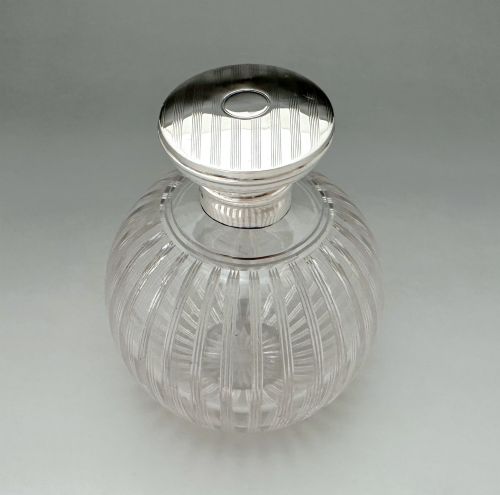
Glass bodies were mouth-blown, moulded or heavily cut to catch light, then fitted with hinged or screw-top silver lids. Hallmarks stamped directly into the silver record assay office locations, date letters and silversmith signatures.
Materials appearing across the inventory include sterling silver, cut glass, tortoiseshell, velvet and coloured enamel.
Distinctions in Quality
Quality rests upon the crispness of the silversmith's chasing and the depth of hand-applied guilloche enamel patterns. Thicker gauge silver resists denting and maintains structural integrity around hinged lids far better than thin metal pressings.
The integration between materials defines finer examples, particularly where silver mounts fit glass bodies without movement or filler. Elaborate craftsmanship, such as castle top scenes or intact tortoiseshell panels, elevates standard utility items into artistic works.
A. J. Pepper & Co·Henry Clifford Davis·A. Bromet & Co·Charles Boyton·S Blanckensee & Son·Mappin & Webb·Karl Palda·Henry Perkins·Crisford & Norris
The Vintage Silver Dressing Table Glossary
- Guilloche
- An ornamental technique in which a precise, intricate repeating pattern is mechanically engraved into a metal surface. Enamel is frequently layered over this engraved base to create translucent depth.
- Hallmark
- An official stamp applied to precious metals indicating the standard of purity, the assay office, and the date of manufacture. These small marks provide a verifiable history of the item.
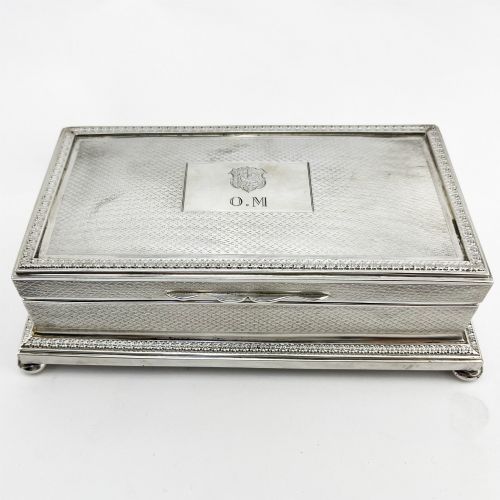
- Trinket Box
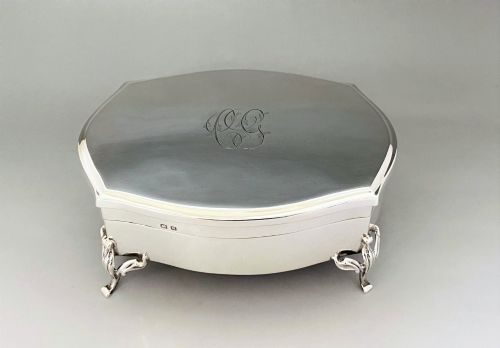
- A small lidded container designed for storing rings, brooches and small personal ornaments. They often feature velvet or satin linings.
- Scent Bottle
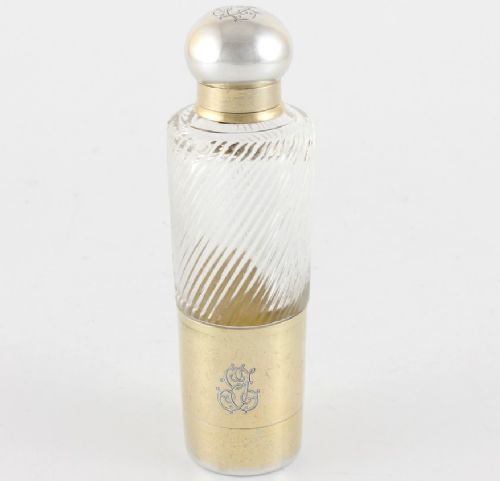
- A small glass or crystal vessel fitted with a stopper or silver-mounted cap for holding liquid perfume. Many surviving examples include internal glass stoppers to prevent evaporation.
- Strut Mirror
- A freestanding mirror supported by a hinged prop or stand fixed to the reverse side. This design allowed the glass to tilt at a convenient angle on a bureau.
Vintage Silver Dressing Table: Frequently Asked Questions
How do I clean tarnished silver dressing items?
Apply a specialised silver polish with a soft cloth, working gently around any inset glass, enamel or tortoiseshell panels.
Rinse the residue away carefully with a damp cloth and dry thoroughly to preserve the finish.
Were these items sold individually or as sets?
Objects were retailed both as standalone dressing pieces and as matched ensembles built up over time. Matching sets often share a unified aesthetic through enamel colour or silversmith motifs.
Many surviving pieces began life as individual purchases for a lady's boudoir.
How can I read silver hallmarks?
Locate the small stamped marks usually found along the rim or base of the silver mount. Use a magnifying glass to identify the maker's mark, the standard mark and the date letter.
Assay office symbols reveal where the piece was officially tested and stamped.
Are enamel panels fragile?
Guilloche enamel consists of glass fused to metal, making it susceptible to chipping if dropped or struck against hard surfaces. Store pieces away from direct sunlight to prevent colour fading over time.