
Vintage Silver Cup
These vintage silver cup pieces range from christening tankards to barware, offering enduring metalwork that collectors prize for utility and historic charm.
Vintage Silver Cup
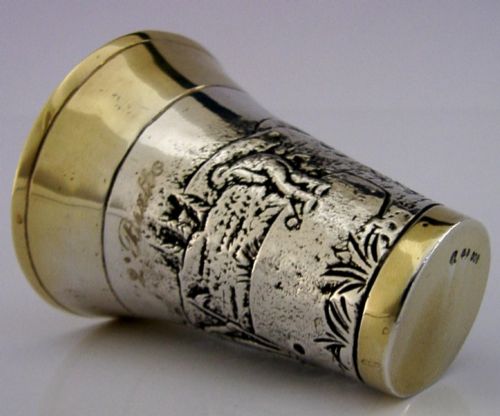
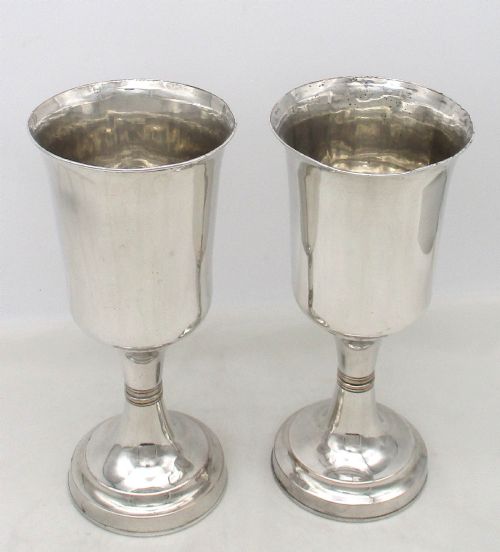
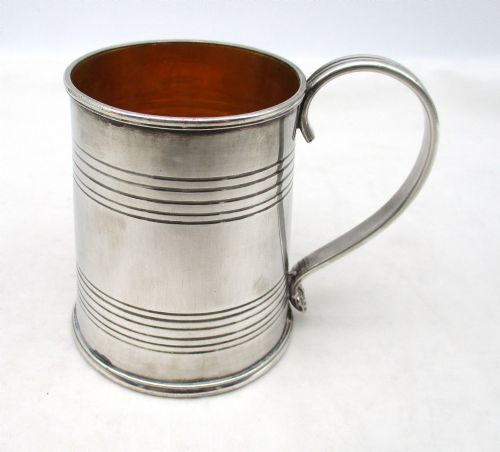
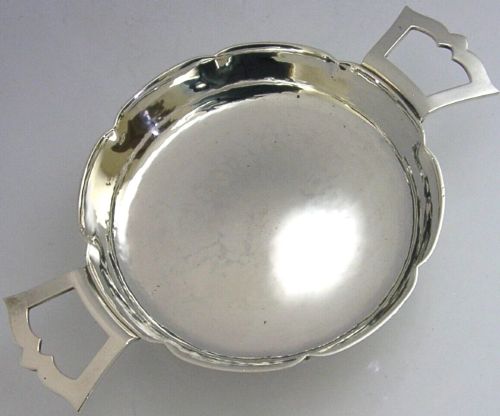
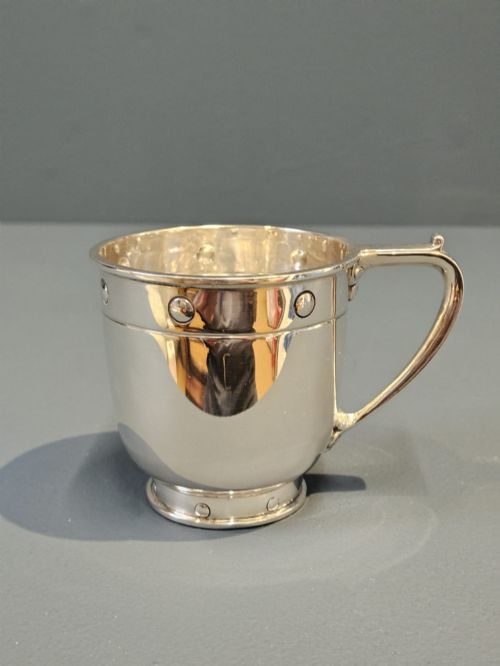
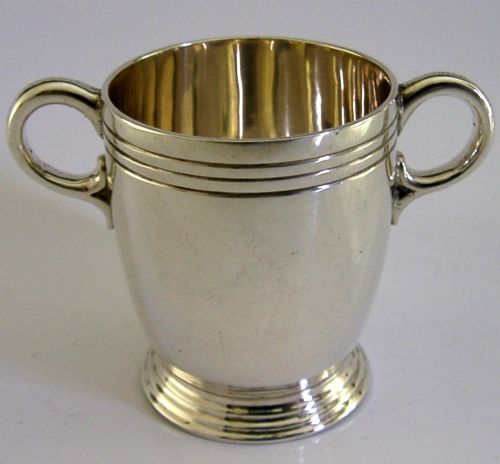
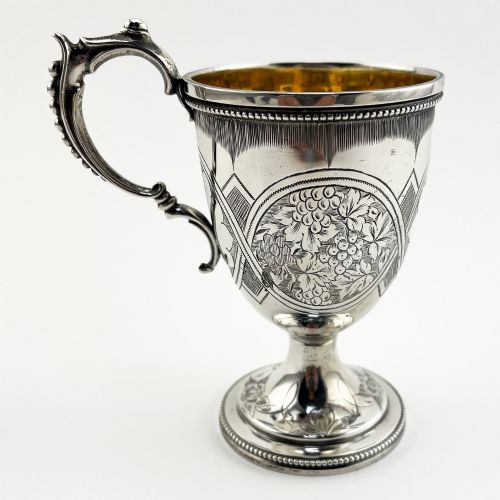
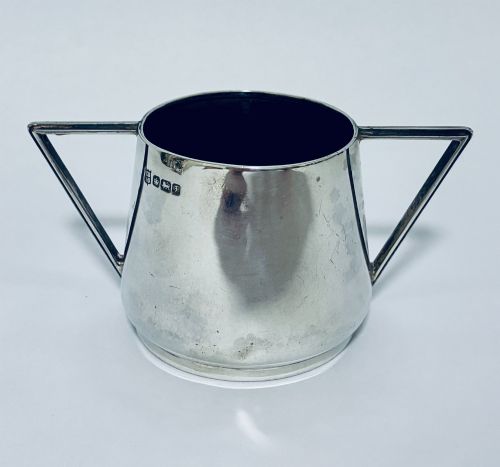
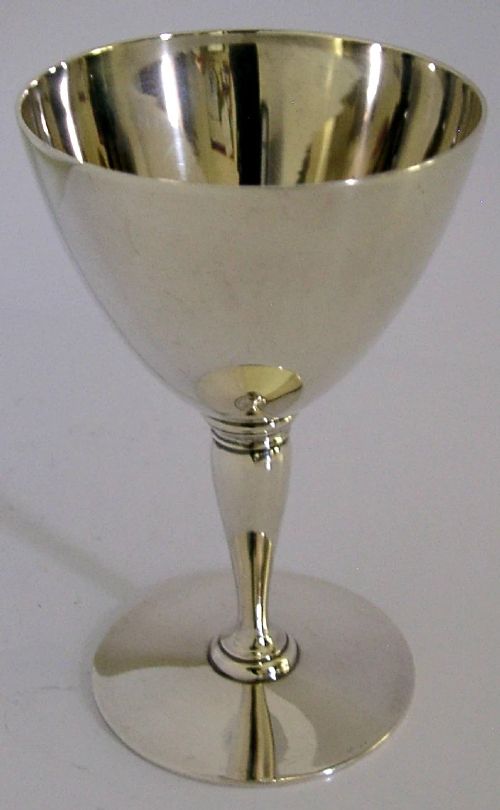
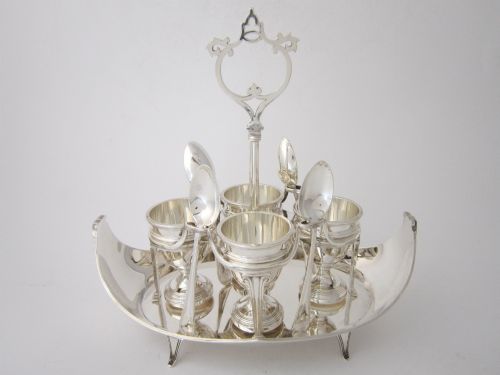
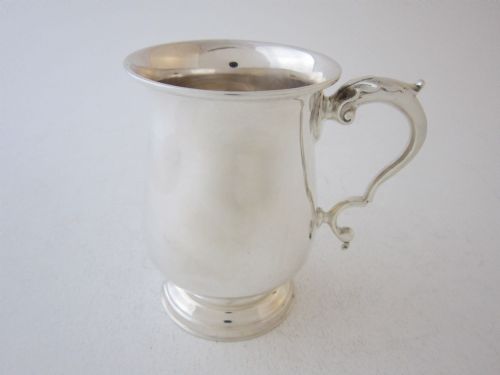
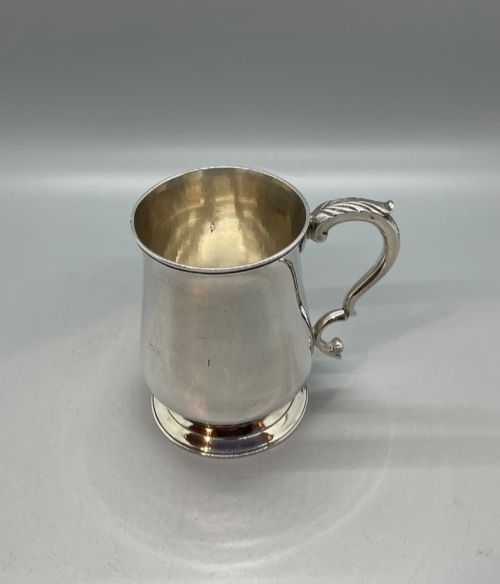
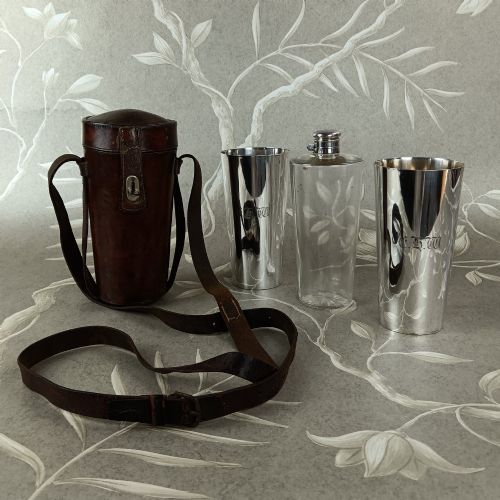
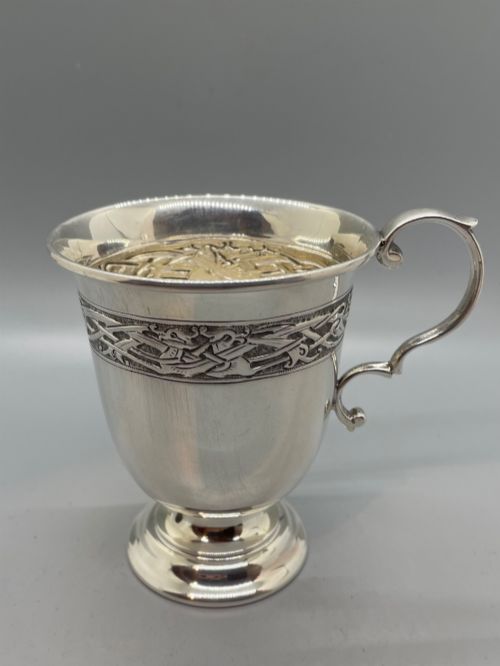
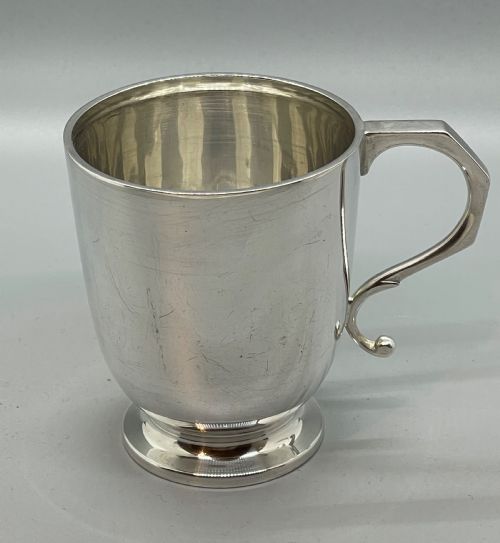
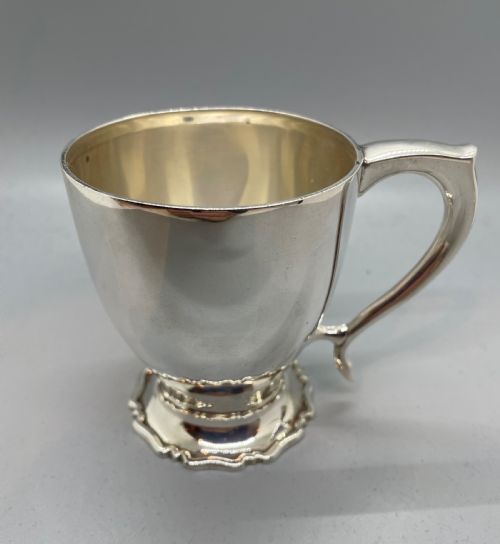
When you search for vintage silver cup, you encounter a diverse array of drinking vessels, barware and presentation pieces spanning multiple decades. The selection encompasses christening mugs, tankards, quaichs, goblets and trophies originating from the Victorian, Edwardian and George V periods.
How they were made
Articles are constructed primarily from sterling silver or silver plate, frequently utilising traditional hammering techniques such as planished finishes. Certain drinking vessels incorporate supplementary materials including glass body sections, leather sleeves, copper accents and crocodile leather detailing.
Goldsmiths and silversmiths employed casting, embossing and soldering methods to shape handles, mounts and decorative rims. Silver gilt surfaces provide interior enrichment on specific chalices and presentation vessels.
Materials span sterling silver, silver plate, copper, glass and leather combinations across diverse functional forms.
What varies in quality
Distinction across the range lies in metal weight, maker attribution and the crispness of hand-hammered or embossed surface details. Heavier gauge sterling silver constructions demonstrate superior structural integrity compared to lighter plated alternatives.
The sophistication of decorative elements, from figural handles like owls to engraved heraldry, determines distinction. Pieces bearing clear hallmarks and attribution to notable silversmiths command greater attention from collectors.
R E Stone·Barker Bros·James Dixon & Sons·Hukin & Heath·Asprey London·Tiffany & Co
The Vintage Silver Cup Glossary
- Sterling silver
- An alloy containing a high proportion of pure silver combined with other metals for durability. British items typically display standard hallmarks confirming this purity.
- Silver plate
- A base metal layer covered with a thin coating of silver. This technique offered a brilliant finish at a more accessible cost during the nineteenth and twentieth centuries.
- Quaich
- A traditional shallow two-handled drinking vessel originating in Scotland. Collectors value these bowls for their distinctive lugs and historic communal drinking associations.
- Christening mug
- A small presentation tankard given to celebrate a birth or baptism. They frequently feature personalized engravings and substantial sterling silver construction.
- Silver gilt
- Sterling silver that has been coated with a thin layer of gold on the surface. This technique protected the interior of chalices from acidic liquids.
Vintage Silver Cup: Frequently Asked Questions
What is a vintage silver cup used for?
These vessels served various functions historically, ranging from christening gifts for infants to practical barware and presentation trophies for sporting events.
Today, collectors utilise them as decorative desk accessories, display items or functional drinking vessels for spirits and wine.
How do I identify the date of a silver cup?
British items generally feature hallmarks stamped into the metal, including assay office symbols, date letters and maker's marks that pinpoint the exact year of manufacture.
Stylistic cues such as Art Deco geometry or Victorian ornamentation also help determine the era when hallmarks are absent or worn.
Are silver plated items less desirable than sterling silver?
Silver plate offers an affordable alternative to solid metal while retaining the bright aesthetic appeal of higher-value pieces. Many antique plated items exhibit exceptional craftsmanship and decorative handles.
Sterling silver pieces hold intrinsic metal value and remain more sought after by traditional silver collectors.
How should I clean my silver cup?
Maintenance requires gentle washing with warm soapy water and drying with a soft cloth to preserve the natural patina. Avoid harsh abrasive dips that strip away historic character.
Specialist silver polish applied sparingly helps maintain the shine on plain surfaces without damaging engraved details or hallmarks.