

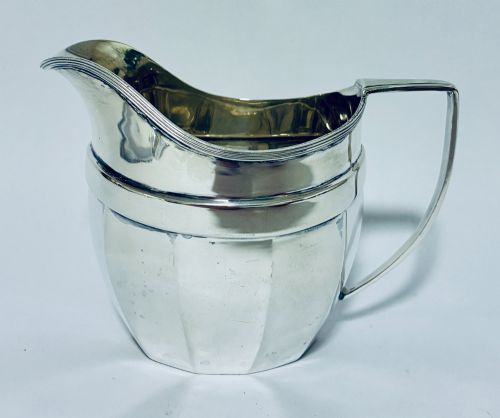


Vintage Silver Creamer
A vintage silver creamer brings substance to the table, offering classic forms in sterling silver that suit daily tea service.
What vintage silver creamer pieces are
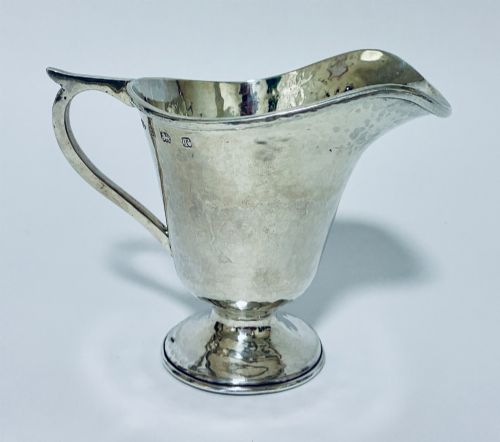
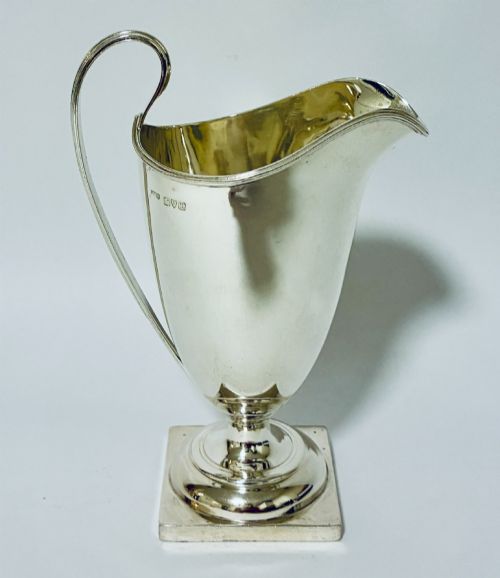
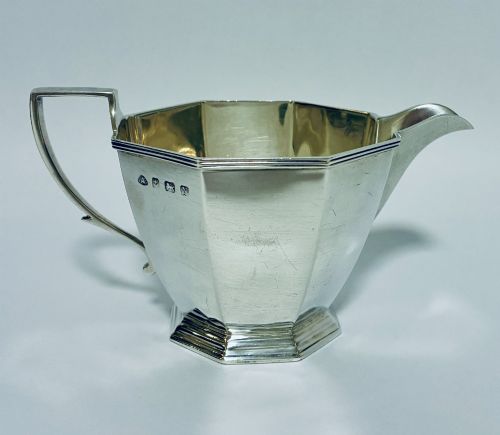
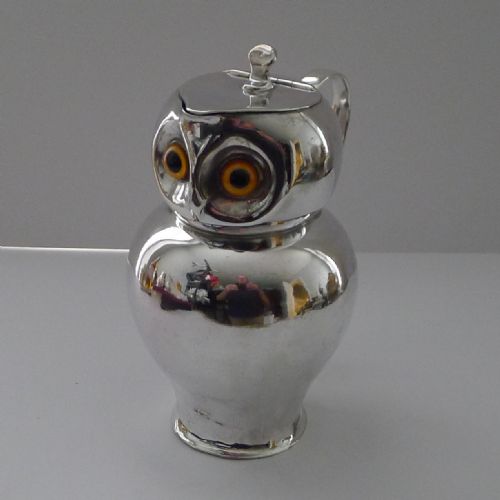
When buyers search for a vintage silver creamer, they examine small vessels designed to pour milk or cream, appearing in forms such as cream jugs and milk jugs. These pieces represent several periods, including Victorian, 1920, and 1930, capturing domestic habits of past decades.
The items found here span distinct design styles like Arts and Crafts, Neoclassical, Art Deco, Georgian, George V, and Victorian. Such variety shows how silversmiths adapted traditional pouring vessels to changing aesthetic preferences across different eras.
How they were made
Makers formed each vintage silver creamer using silver and sterling silver, shaping the metal to create functional holloware for the table. Silversmiths employed traditional metalworking techniques to raise, hammer, or cast the bodies and handles of these jugs.
Details such as hallmarks stamped into the metal record the assay office, maker, and date of manufacture, providing a precise record of origin. These marks demonstrate the regulatory standards applied to silver production during periods like the George V era.
Retail Price Guide 2026
Typical UK retail prices for vintage silver creamer, calculated from the Sellingantiques database of over a million retail prices indexed since 2003. This retail price guide relies exclusively on Sellingantiques data; no external sources or auction records are used, so the figures do not describe the wider market.
Some creamers include tiny spouts engineered so precisely that a single drop of cream breaks cleanly away without running down the side.
What varies in quality
The distinction between standard items and superior examples rests upon the clarity of the design and the execution of stylistic details, such as Neoclassical or Art Deco motifs. Pieces bearing clear hallmarks and attributed to known makers command greater interest among collectors.
Weight, balance, and the proportion of the handle to the body also determine the quality of a creamer. Well-considered construction ensures the vessel pours cleanly while maintaining the aesthetic integrity of its period style.
George Unite
The Vintage Silver Creamer Glossary
- Sterling silver
- An alloy containing 92.5 percent silver by mass, forming the primary material for durable domestic silver objects. This standard ensures the metal possesses both workability and resilience.
- Hallmark
- An official stamp applied to precious metals to indicate purity, origin, and date. These marks serve as a reliable guide for dating a creamer.
- Holloware
- Tableware vessels such as jugs, pots, and bowls that are hollow rather than solid. Silversmiths create these forms through raising or spinning sheet metal.
- Arts and Crafts
- A design movement emphasising handcraftsmanship and traditional materials. Creamers from this style often feature restrained decoration and visible hammer marks.
Frequently Asked Questions
How do I date a silver creamer?
Examine the hallmarks stamped onto the exterior or base of the vessel. These small symbols indicate the assay office, the specific year mark, and the silversmith responsible for the piece.
Matching these stamps against standard assay records provides an exact year of manufacture. Stylistic indicators like Art Deco or Neoclassical motifs also help narrow down the period.
What is the difference between a cream jug and a milk jug?
Milk jugs and creamers generally share similar forms, though milk jugs tend to have a slightly larger capacity for breakfast service. Both serve the primary function of pouring dairy into tea or coffee.
Makers scaled these vessels according to contemporary dining customs. The listings include both milk jugs and cream jugs across various historical periods.
How should I clean my silver creamer?
Use a specialised silver polish and a soft cloth to remove tarnish without scratching the surface. Avoid harsh abrasives that can wear away engraved details or thin the silver over time.
Regular, gentle washing with warm soapy water and thorough drying keeps the metal bright. Proper storage in a dry environment reduces the rate at which tarnish reforms.
Can I use an antique silver creamer daily?
Silver is a durable metal well-suited to holding liquids, making historical creamers entirely functional for regular table use. Many owners enjoy integrating these pieces into modern tea and coffee routines.
Careful handling prevents dents and preserves the polished finish. Hand washing rather than machine washing protects both the metal and any delicate soldered joints.