

Vintage Silver Cooler
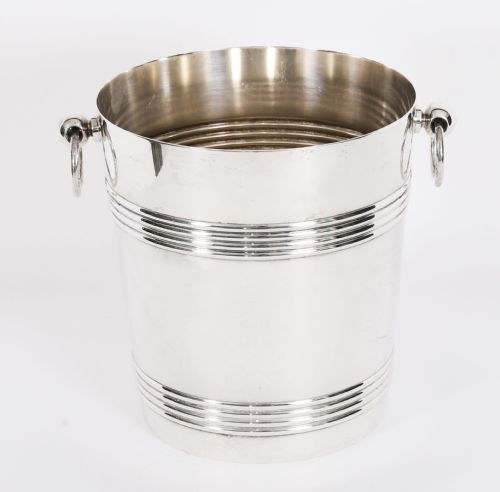
A vintage silver cooler keeps wine and champagne at temperature while anchoring a table with substantial presence.
Vintage Silver Cooler
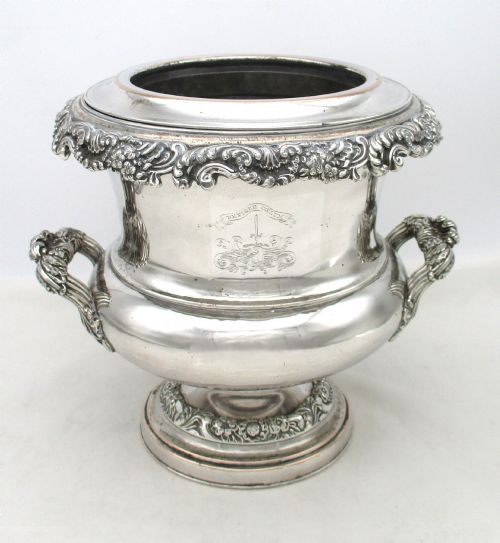
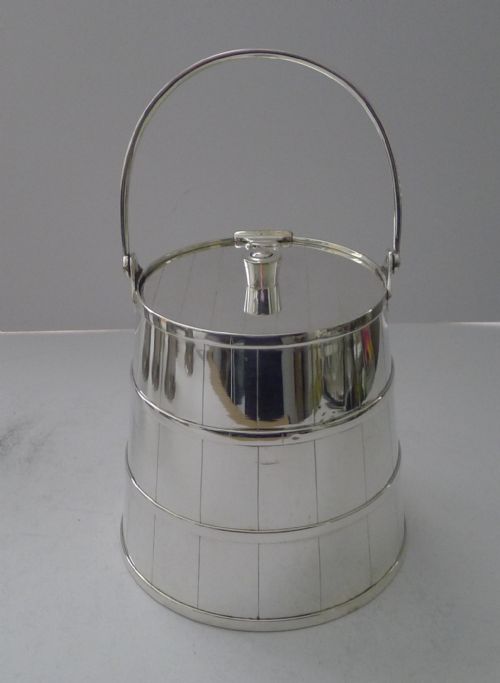
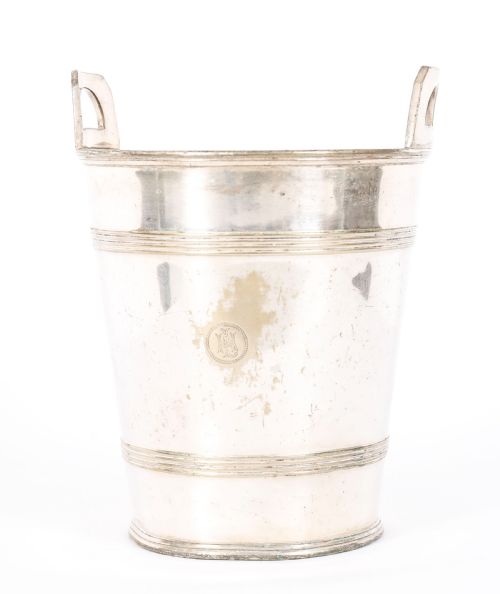
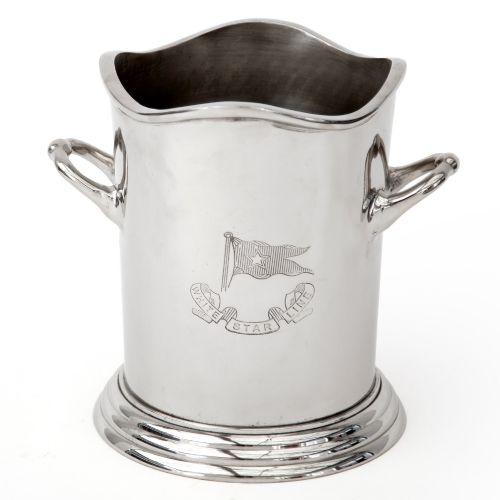
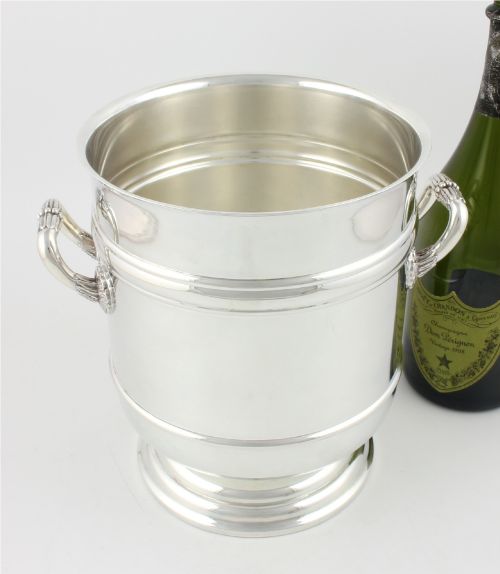
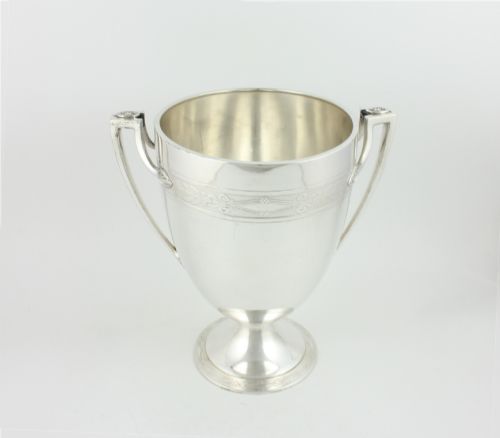
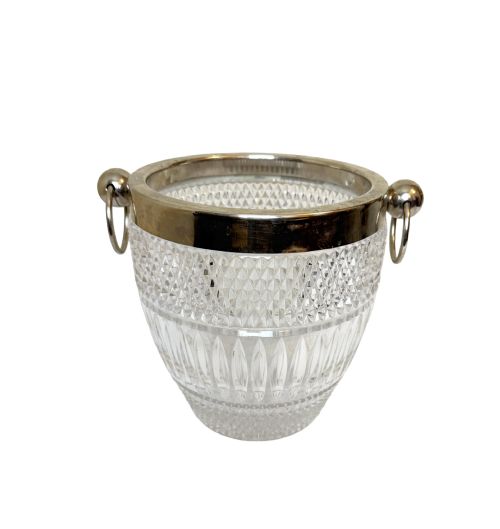
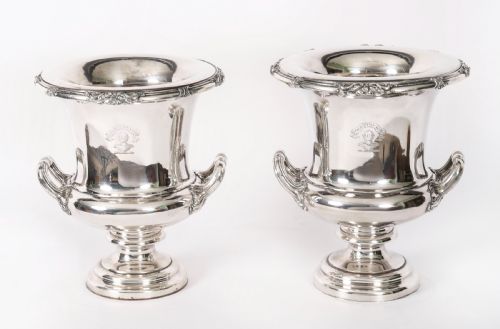
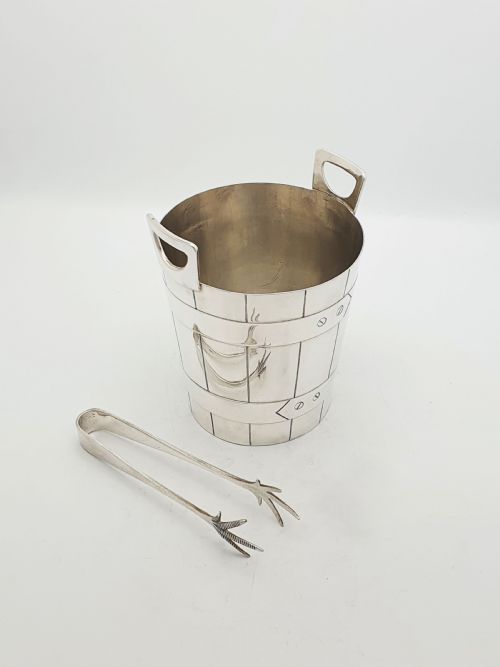
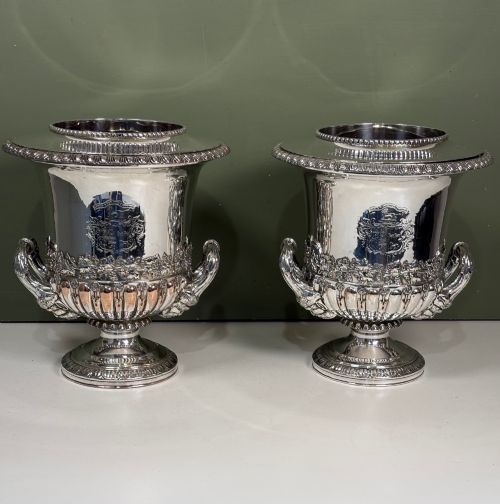
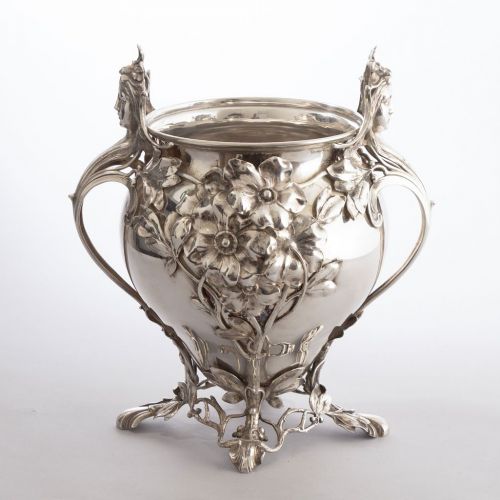
A vintage silver cooler serves primarily as a vessel for chilling wine, champagne, or holding ice during formal dining and entertaining. Buyers searching for a vintage silver cooler encounter diverse forms ranging from heavy nineteenth-century punch bowls and two-handled wine vessels to mid-century ice buckets and tall floor-standing champagne receptacles.
The objects appearing here span periods from the eighteenth century through the 1960s, encompassing English Old Sheffield plate, Victorian silver plate, Art Deco creations, and French mid-century barware. Many pieces display maker marks from prominent firms such as Christofle, WMF, and Elkington, reflecting domestic utility alongside grand presentation pieces.
How they were made
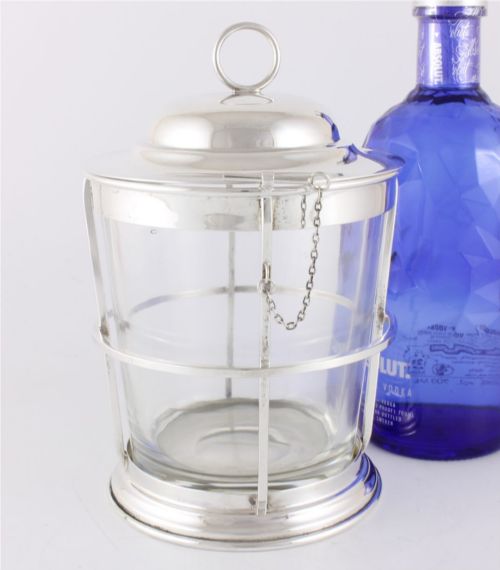
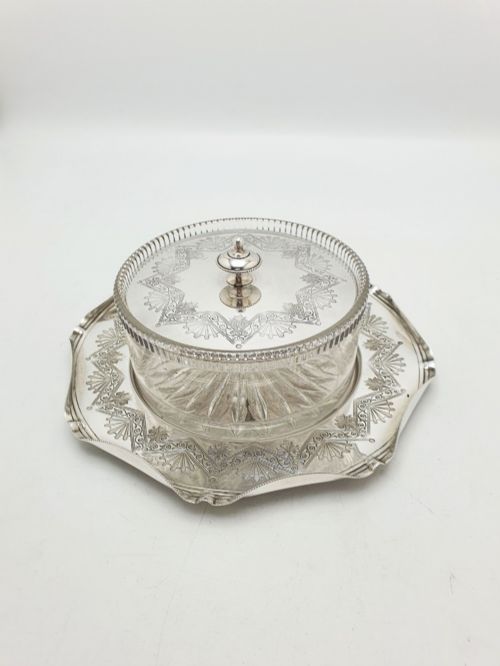
Makers constructed these vessels using silver plate, solid silver, copper, and mixed metal bases, often applying silver directly onto a copper core or utilising Old Sheffield plate techniques. Cut glass and crystal liners frequently accompanied silver-plated frames, providing secure containers for ice and water within open-work or solid metal exteriors.
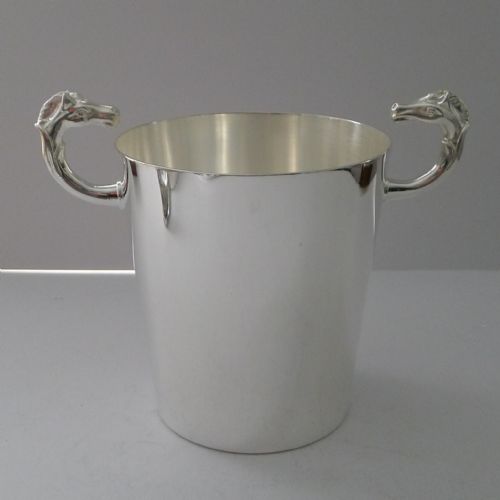
Techniques varied from heavy casting and chasing to embossed surface decoration, producing intricate handles, heraldic crests, and sculptural motifs such as horse heads, cherubs, and tendrils. Soldering and riveting secured handles and rims to the main body, ensuring structural durability for holding heavy loads of ice and bottles.
What varies in quality
Quality rests upon the weight of the metal, the crispness of chased or embossed details, and the integrity of the underlying plating. Substantial gauge metal provides a heavy in-hand feel that resists denting and maintains thermal efficiency better than thin, lightweight alternatives.
The prominence of the maker and the complexity of the design dictate distinction, as evidenced by specialised hand-forged mounts, crisply cast figural handles, and well-preserved armorial crests. Pieces showing balanced proportions, secure joints, and clear maker hallmarks command greater interest among collectors.
Hutton Sheffield·Hermes Paris·Christofle·PH Vogel·Mappin and Webb·Barker Ellis·Elkington·Alexander Clarke and Co·Ercuis Paris·WMF
The Vintage Silver Cooler Glossary
- Old Sheffield Plate
- A composite material made by fusing a thin sheet of silver to a thicker copper ingot, common in eighteenth and nineteenth-century vessels. This technique often reveals faint traces of copper along high wear points.
- Monteith
- A type of bowl featuring a scalloped rim designed originally to support wine glasses by their stems while chilling in iced water. These large vessels frequently double as punch bowls or grand wine coolers.
- Silverplate
- A base metal, such as nickel-silver or copper, coated with a thin layer of elemental silver through electroplating or older immersion methods. The durability of the piece depends heavily on the thickness of this silver layer.
- Champagne Bucket
- A deep vessel proportioned specifically to hold a standard or magnum bottle upright surrounded by ice. They frequently incorporate twin side handles for lifting when filled.
Vintage Silver Cooler: Frequently Asked Questions
What is a vintage silver cooler used for?
These vessels serve primarily to chill wine and champagne bottles by surrounding them with ice during meals. They also function as decorative centerpieces or ice buckets for entertaining.
Historically, larger variations accommodated multiple bottles or served as punch bowls for large gatherings. Today, they remain practical barware accessories for modern dining tables.
How do I clean a silver plated cooler?
Wash the vessel gently using warm water, mild dish soap, and a soft cloth to remove surface dust and residue. Avoid abrasive scouring pads that scratch the metallic surface.
Apply a specialised silver polish sparingly if tarnish develops, rubbing in straight lines rather than circles. Rinse thoroughly and dry with a soft lint-free towel to maintain the lustre.
Are these coolers made of solid silver?
The vast majority of pieces listed are silver-plated over a base metal core such as copper, nickel-silver, or brass. Solid silver versions do exist, but they are considerably heavier and scarcer.
Old Sheffield plate utilises a fused sheet of silver over copper, which distinguishes it from later electroplated wares. Hallmarks and maker stamps often indicate the specific metal composition used.
How can I tell the period of a cooler?
Stylistic indicators such as clean geometric lines suggest an Art Deco origin from the 1920s or 1930s, whereas heavy Rococo revival scrollwork points toward the nineteenth century. Maker marks and stamps provide chronological clues when cross-referenced against historical registry records.
Construction methods, such as Old Sheffield plating techniques versus mid-century stamping, further narrow down the manufacturing era.