
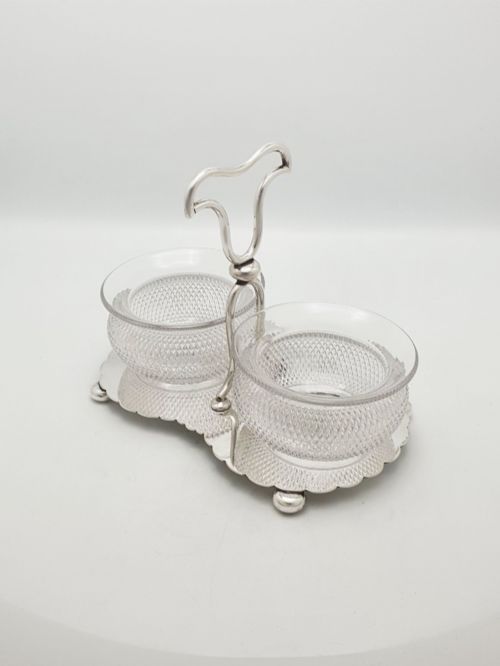
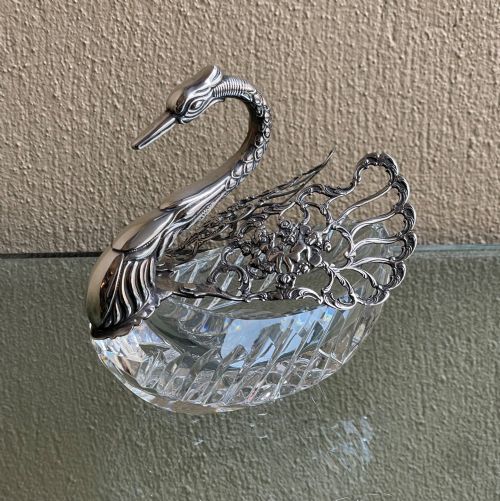
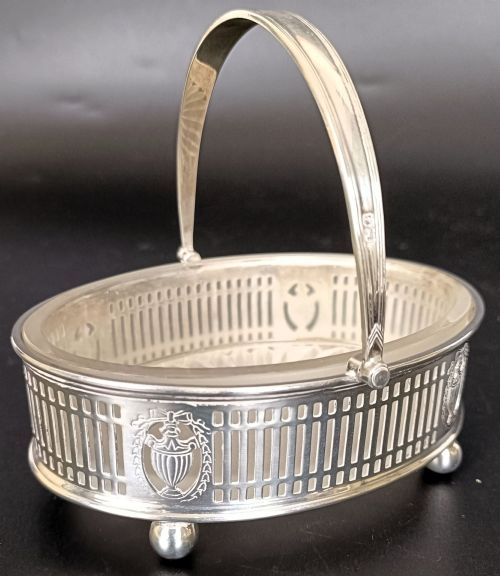


Vintage Silver Condiments Dish
These vintage silver condiments dish selections bring table service alive with classic metalwork and coloured glass liners.
Vintage Silver Condiments Dish
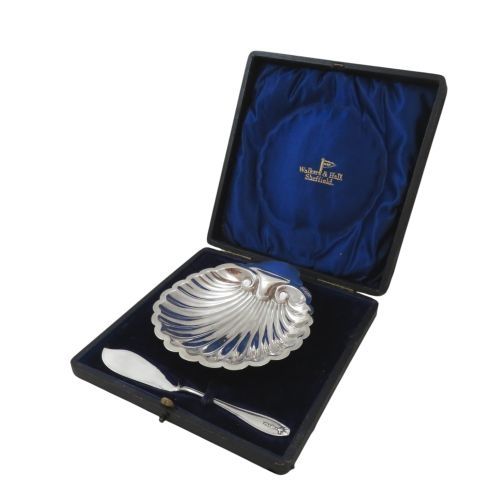
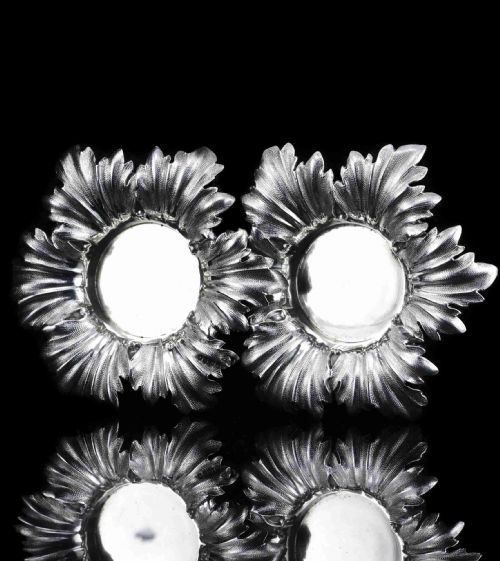
A vintage silver condiments dish encompasses small tableware items designed for salt, mustard, jam, butter, and relish at the dining table. The selection spans salt cellars, preserve pots, butter dishes, sauce dishes, and condiment stands from the Victorian, Edwardian, and Art Deco periods.
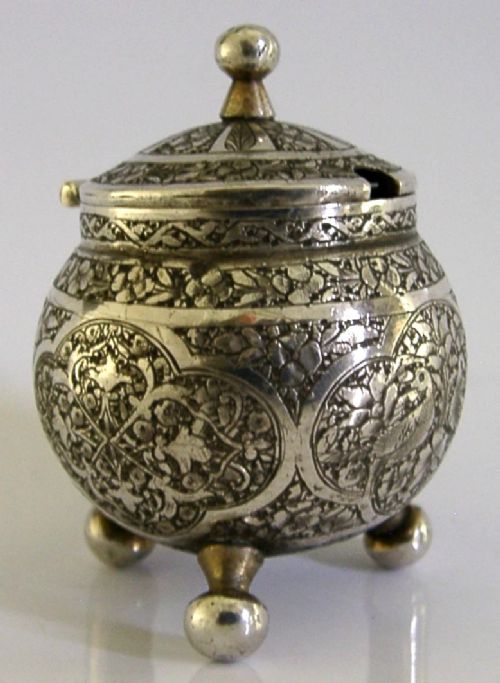
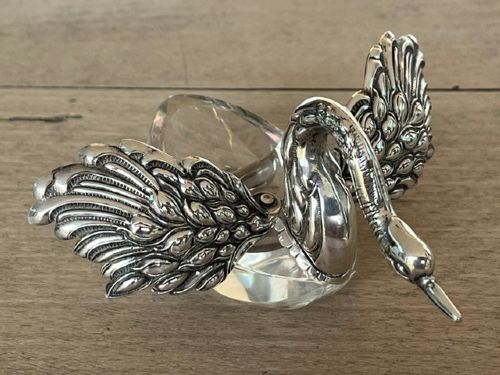
Buyers will encounter both sterling silver and silver-plated vessels, often paired with coloured glass inserts such as cobalt or cranberry glass, and cut crystal bowls. Forms range from simple tubs and open salts to novelty pieces shaped like swans and apples, alongside traditional swing-handled baskets.
Origins include English workshops, Ottoman production, and Scandinavian makers, reflecting diverse dining customs over the past century.
Materials and construction methods
Metals form the core of these pieces, utilising solid sterling silver and silver plate over a base metal, alongside cast or chased ornamentation such as foliate detailing. Artisans shaped metal through pressing, casting, and hand-chasing to achieve decorative finishes.
Glass components rely on mouth-blowing and cutting techniques to produce inserts like cobalt glass liners, cranberry bowls, and cut crystal bodies. These glass elements fit snugly inside pierced or solid metal frames designed to hold condiments safely.
Design styles present in the collection include Edwardian, Art Deco, Victorian, Ottoman, Rococo Revival, and Neoclassical Revival.
Judging the quality of tableware
Quality rests upon the weight and gauge of the silver or silver plate, alongside the crispness of chased details and hand-cut facets in the glass. Heavier metalwork and distinct, deep relief carving indicate higher manufacturing standards.
The integration of materials also defines the piece, particularly where removable glass liners fit their metal stands precisely without wobbling. Original matching components, such as spoons or fitted cases, elevate the integrity of the set.
Barnards·Hukin and Heath·Roberts and Belk
The Vintage Silver Condiments Dish Glossary
- Salt cellars
- Small open vessels or closed pots used to hold loose salt at the dining table before the widespread adoption of free-flowing table salt. They frequently accompany matching spoons.
- Silver plate
- A manufacturing method where a thin layer of silver is fused to a base metal such as copper or nickel brass. This provided a durable alternative to solid sterling silver for domestic tableware.
- Cobalt glass
- Deep blue glass created by adding cobalt oxide to the molten batch. It appears frequently in salt cellars and preserve liners during the nineteenth and twentieth centuries.
- Chasing
- A metalworking technique where a hammer and punches push the metal from the front to create raised decorative designs without removing material. It yields textured surface patterns on bowls and salts.
- Swing-handled
- A pivoting metal handle attached to baskets or dishes by hinges, allowing the handle to fold down flat against the rim. This feature is common on small baskets and preserve dishes.
Vintage Silver Condiments Dish: Frequently Asked Questions
What were salt cellars used for?
Salt cellars held coarse table salt before the invention of modern shakers, allowing diners to pinch or spoon salt onto their plates.
They sat beside individual place settings or served shared portions across the dining table.
How do I clean silver plate?
Clean silver plate gently with a soft microfibre cloth and a mild detergent solution formulated for plated metals.
Avoid abrasive polishes that strip away the thin silver layer over repeated use.
What is cranberry glass?
Cranberry glass is a pinkish-red transparent glass produced by adding gold chloride to the molten glass mixture.
It gained popularity in Victorian and Edwardian tableware, often used for jam pots and preserve dishes.
How do I date a condiment dish?
Dating relies on maker marks, design styles such as Art Deco or Edwardian, and registration numbers stamped into the metal.
Hallmarks on sterling silver provide specific city assay offices and active years for the silversmith.