




Edwardian Silver Shell Bowl
These edwardian silver shell bowl pieces bring sculptural coastal form to the table, offering a refined serving vessel that collectors value for its distinct shape and period craftsmanship.
Edwardian Silver Shell Bowl
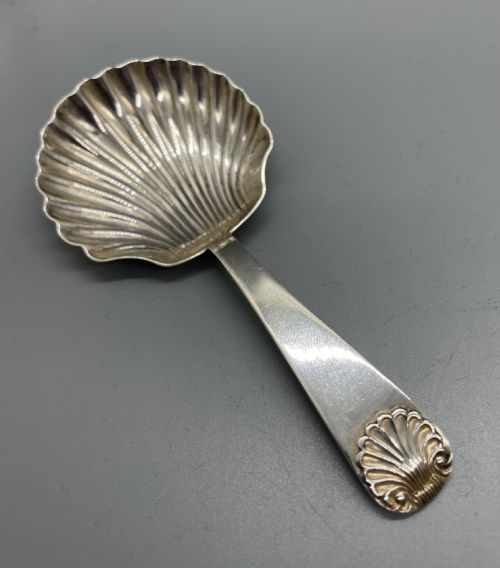
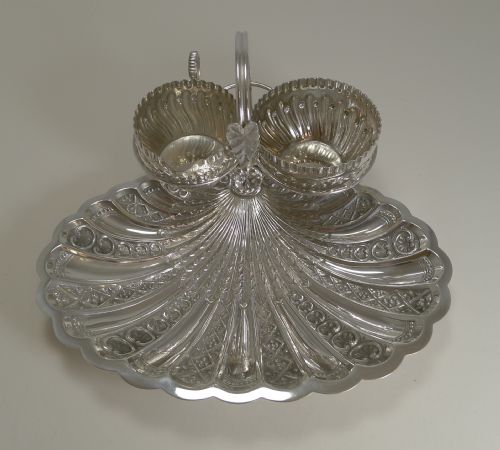
When you search for an edwardian silver shell bowl, you encounter serving items and spoons shaped like natural marine shells, predominantly forged during the early twentieth century and the preceding Victorian era. These pieces often take the form of butter dishes, jam spoons, and serving dishes that translate organic ocean contours into functional tableware.
The selections available here range from solid sterling silver cased items to silver plated serving dishes and cut crystal jars with silver mounts. While the search points directly to shell forms, the listings also encompass related serveware such as coffee spoons, berry spoons, and strawberry sets originating from distinct British assay offices and makers.
Materials and construction methods
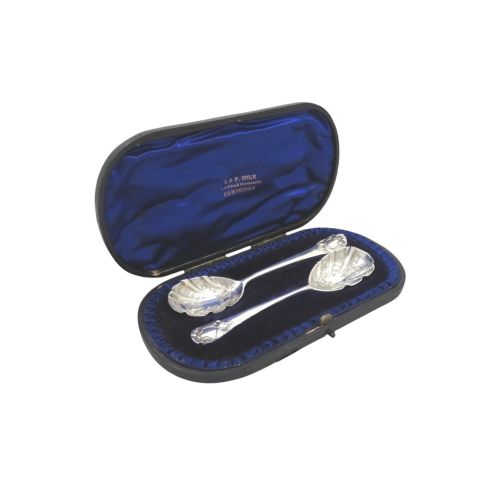
The construction of these items relies heavily on sterling silver and silver plate, shaped to mimic the fluted ridges and curved edges of scallop shells. Makers frequently combined these metal bowls with fitted presentation cases lined in velvet, silk, and leatherette to protect the polished surfaces.
Detailing often incorporates naturalistic elements, seen in the cast handles of serving spoons and the cut crystal bodies of vanity jars paired with sterling silver lids. Techniques involve both solid silver smithing and high-grade plating over base metals, executed by established silversmiths.
The inventory records pieces spanning from the eighteenth century through the Victorian and Edwardian periods up to the nineteen twenties.
Distinctions in quality and execution
Quality in these pieces rests upon the crispness of the shell fluting and the weight of the metal utilised in the bowl. Solid sterling iterations demonstrate superior depth of relief and durability compared to plated variants, though high-end makers of silver plate achieved exceptional crispness.
The presence of original fitted presentation cases and matching spoons or serving utensils alters the integrity of a set. Finer examples retain clear hallmarks indicating the year and assay office, alongside maker marks that attribute the piece to notable silversmiths.
The Goldsmiths & Silversmiths·Mappin & Webb·Roberts and Belk·Whiting Co.·Atkin Brothers
The Edwardian Silver Shell Bowl Glossary
- Sterling silver
- A silver alloy containing 92.5 percent pure silver and 7.5 percent other metals, usually copper, ensuring structural strength for tableware. This standard is frequently denoted by the lion passant hallmark on British pieces.
- Silver plate
- A layer of pure silver bonded to a base metal core, offering the visual appeal of solid silver at a different production tier. Many nineteenth and twentieth-century serving dishes utilise this technique.
- Hallmark
- An official stamp applied by an assay office confirming the purity of the metal, the year of manufacture, and the maker. These marks allow collectors to date items precisely to periods like the Edwardian era.
- Caddy spoon
- A short spoon specifically designed for measuring loose tea leaves from a caddy, often featuring shell-shaped bowls during the periods represented here.
Edwardian Silver Shell Bowl: Frequently Asked Questions
What was an edwardian silver shell bowl used for?
These pieces served practical functions on the dining table, most commonly holding butter, jams, or soft fruits during formal meals. Their distinct form allowed hosts to present accompaniments with decorative flair.
Over time, many of these items transitioned from active dining implements to display pieces or fitted presentation sets preserved within velvet-lined boxes.
How do I identify an Edwardian piece?
Dating relies primarily on the hallmarks stamped into the silver, which record the specific assay office and year of production. The Edwardian period spans from nineteen hundred to nineteen ten.
Stylistic cues also help distinguish the era, as Edwardian items often share design traits with preceding Victorian objects while showing early transitions into Art Nouveau motifs.
Are these items made of solid silver?
The listings include both solid sterling silver and silver plated items, alongside pieces combining silver with cut crystal. Each listing specifies the material composition of the particular bowl or dish.
Solid silver pieces typically bear standard British hallmarks, whereas plated versions carry distinct manufacturer marks denoting their method of plating over a base metal.
How should I care for silver shell tableware?
Maintaining these items involves gentle cleaning with appropriate silver polishes to remove natural tarnishing without wearing away fine details. Avoiding harsh abrasives preserves the crispness of the shell ridges and maker marks.
When not in use, storing pieces in protective environments or fitted cases prevents excessive exposure to air and moisture.