



Vintage Silver Bread Bowl
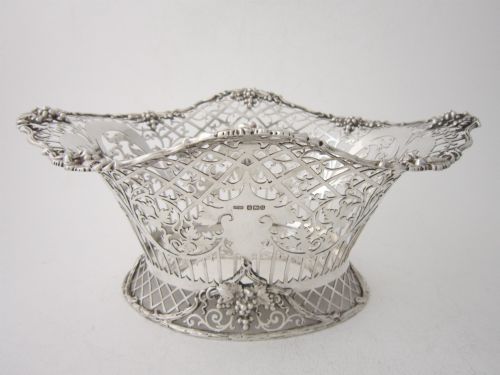
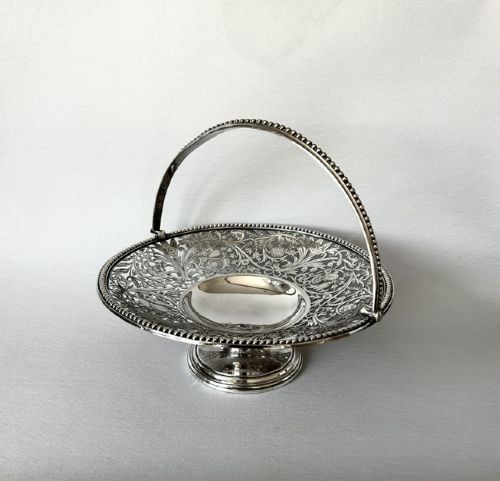
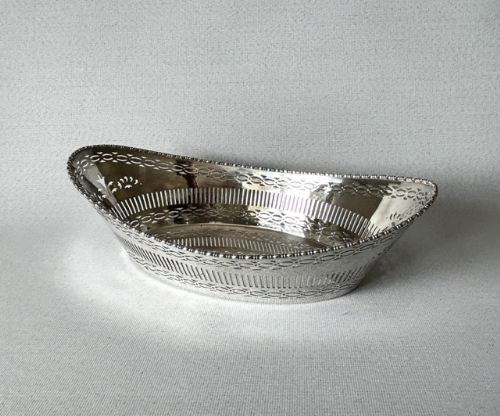
A vintage silver bread bowl brings heavy Victorian pierced metal or sleek Art Deco curves to the dining table.
Vintage Silver Bread Bowl
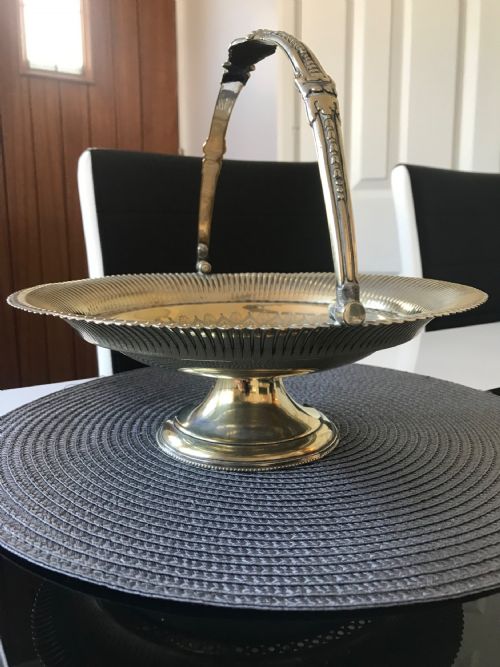
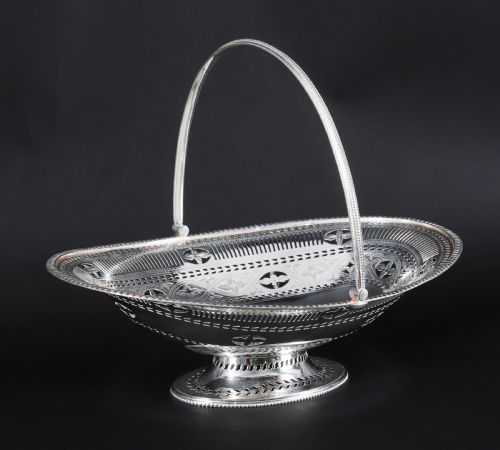
A vintage silver bread bowl serves as a functional centrepiece for the dining table, taking forms such as baskets, dishes, and shallow bowls. When searching for a vintage silver bread bowl, collectors encounter items spanning the nineteenth century through the nineteen-thirties, covering Victorian, Edwardian, and Art Deco aesthetics.
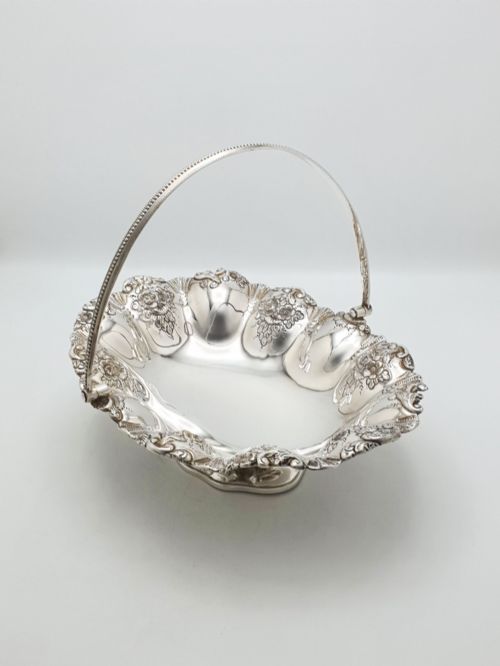
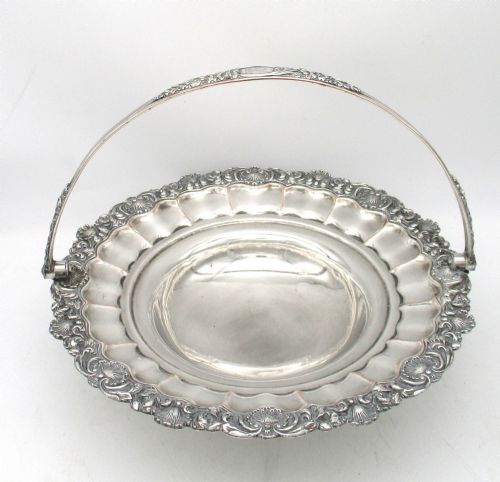
The pieces often overlap with fruit baskets, cake baskets, and decorative serveware, appearing in sterling silver, silver plate, and old Sheffield plate. Victorian neoclssical designs and Edwardian floral repoussé rims dominate the earlier periods, whilst French and English twentieth-century examples introduce clean geometric lines.
How they were made
Silversmiths utilised sterling silver and various plated techniques, including old Sheffield plate and electroplated nickel silver, building durability over copper or base metal cores. Artisans shaped metals through wirework construction, piercing, and hammering to create intricate openwork bodies and footed bowls.
Decorative finishes involved repoussé work, where designs were hammered from the reverse to raise motifs in relief along the rims and handles. Swing handles and applied crests were soldered onto the main bowls, completing pieces that required precise thermal and mechanical skill.
Vintage Silver Bread Bowl Retail Price Guide 2026
Typical asking prices for vintage silver bread bowl among the pieces listed under this phrase on Sellingantiques today, from the lower quarter to the upper quarter. They describe what is for sale here now, not the wider market.
Some bowls feature secret family crests engraved on the base, turning everyday bread service into a display of quiet aristocracy.
What varies in quality
The quality of a piece rests upon the weight of the metal and the crispness of the chased or pierced ornamentation. Heavier sterling silver and substantial old Sheffield plate retain their structural integrity better than lighter plated wares.
Artisanal execution dictates distinction, particularly in the depth of floral repoussé work and the balanced integration of swing handles. Pieces bearing recognised maker marks or armorial crests demonstrate superior provenance compared to unmarked utility items.
Mappin And Webb·Elkington·Brille Paris·James Dixon
The Vintage Silver Bread Bowl Glossary
- Old Sheffield plate
- A fused composite material made by melting a sheet of silver to a thicker copper base before rolling them together into sheets. This method creates a durable metal sandwich visible at cut edges.
- Repoussé
- A metalworking technique where the artisan hammers the metal from the reverse side to form raised decorative patterns on the front. Floral motifs often appear executed in this manner.
- Pierced
- A method of cutting decorative openwork patterns through the metal wall of a bowl or basket. This lightens the visual weight and creates intricate latticework designs.
- Electroplated nickel silver
- A base alloy of copper, nickel, and zinc coated with a thin layer of pure silver through an electrical process. It became the dominant industrial plating method in the nineteenth century.
Vintage Silver Bread Bowl: Frequently Asked Questions
How do I clean a silver bread bowl?
Use a soft cloth and a specialised silver polish designed to protect delicate plating or sterling surfaces. Avoid harsh abrasives that can wear down thin silver layers, especially on old Sheffield plate.
Rinse the bowl gently in warm water and dry it immediately with a lint-free cloth to prevent water spots from forming on the polished metal.
Can I use these bowls for food?
Most pieces function safely for serving dry foods like bread, rolls, or fruit. Ensure the interior plating remains intact without exposed base metals before placing unwrapped food directly inside.
Acidic foods should not remain in contact with silver-plated surfaces for extended periods to protect the historic metal finishes from tarnishing or pitting.
How do I date a vintage bowl?
Inspect any stamped hallmarks, maker marks, or registry numbers on the base of the object. Stylistic clues such as Victorian neoclassical swags or Art Deco geometric framing also indicate the period.
Reference books and maker archives help match specific stamp designs to exact manufacturing decades, confirming whether a piece originates from the nineteenth or twentieth century.