






Vintage Silver Beer Vessel
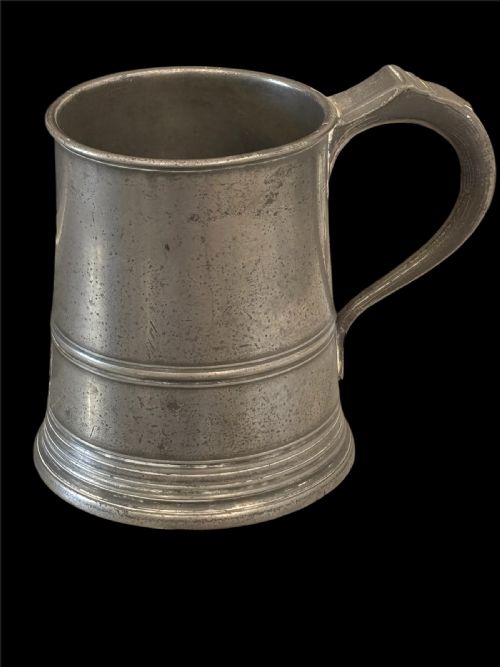
These vintage silver beer vessels range from modest domestic pewter to heavy Georgian solid silver mug designs.
Vintage Silver Beer Vessel
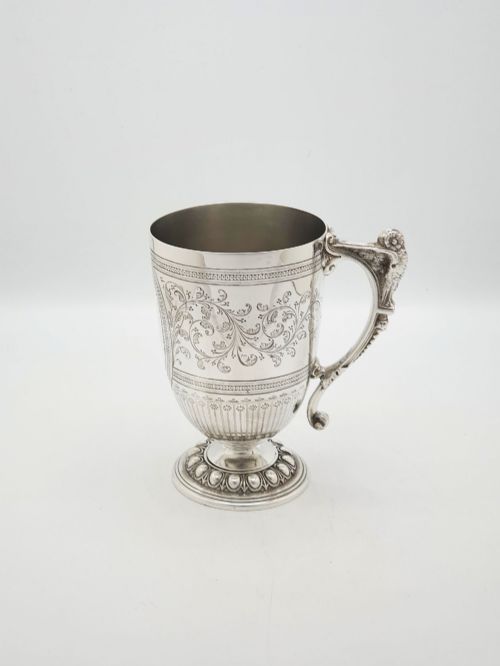
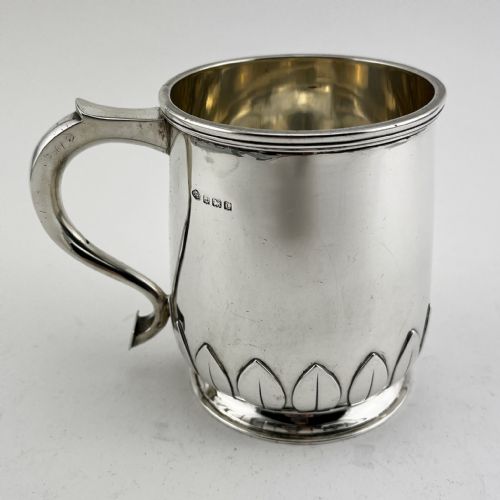
A vintage silver beer vessel serves as a traditional drinking container, taking the form of tankards, mugs, jugs, and pitchers. Buyers seeking this category encounter sturdy utilitarian drinking pieces intended for daily use rather than delicate cabinet display.
The selections span several centuries, including 18th Century examples alongside Victorian, Edwardian, and later twentieth-century iterations. Tankards dominate the forms, frequently appearing with lids and distinct handles.
Materials vary widely across the periods, incorporating sterling silver, silver plate, pewter, Old Sheffield plate, copper, and nickel silver. Forms adhere to traditional styles such as Georgian, Victorian, Edwardian, and Queen Anne Revival.
How they were made
Metals such as sterling silver, copper, and pewter undergo shaping and soldering to form cylindrical bodies suited for holding liquids. Makers apply plating techniques like Old Sheffield plate and electroplating to base metals to achieve the appearance of solid silver.
Handles require secure attachment to the main body, occasionally taking sculptural animal forms like owls alongside traditional scroll configurations. Lids feature hinged attachments designed to fit snugly over the rim of the drinking vessel.
Materials recorded across the inventory include sterling silver, silver plate, pewter, Old Sheffield plate, copper, and nickel silver.
What varies in quality
The choice of material fundamentally dictates the standing of a vessel, distinguishing solid sterling silver and early Old Sheffield plate from later nickel silver and basic electroplated alternatives. Gauge thickness and metal weight contribute substantially to the substantial feel in the hand.
Artisanal execution in the handle attachment, hinge alignment, and body shaping separates standard commercial production from refined craftsmanship. Surface finish and the crispness of revival styling details reflect the care taken during initial creation.
The Vintage Silver Beer Vessel Glossary
- Tankard
- A tall, cylindrical drinking vessel with a single handle, frequently featuring a hinged lid. These pieces were historically utilised for consuming beer and ale.
- Old Sheffield plate
- A composite material made by fusing a thin sheet of silver to a thicker copper base. This technique was widely utilised before the invention of electroplating.
- Pewter
- A malleable metal alloy composed primarily of tin, combined with copper and antimony. It provides a durable, dark grey material suitable for domestic tankards.
- Electroplated nickel silver
- A base metal alloy of copper, nickel, and zinc coated with a thin layer of silver using an electrical current. It offers a bright silver appearance at a lower cost than solid metal.
- Queen Anne Revival
- A design style drawing inspiration from the early eighteenth-century aesthetic, characterised by clean lines and unadorned surfaces. This revival appears frequently on early twentieth-century silver plated vessels.
Vintage Silver Beer Vessel: Frequently Asked Questions
What is a vintage silver beer vessel used for?
These pieces function primarily as traditional drinking vessels designed for serving and consuming beer, ale, or cider. Their robust construction suits them for practical use on the dining table or as display items.
Collectors also appreciate their historical utility and craftsmanship, connecting modern drinkers to centuries of tavern and household traditions.
How do I identify a Georgian tankard?
Georgian tankards typically display hallmarks indicating their eighteenth-century origins, alongside simpler, heavier sterling silver or pewter forms. They rely on proportion and plain bodies rather than heavy ornamentation.
Later revival styles often imitate these clean eighteenth-century silhouettes, so examining the metal composition and construction marks helps confirm the true period.
What is the difference between solid silver and silver plate?
Solid silver pieces, such as sterling or solid silver mugs, consist of precious metal throughout their entire structure. They carry a distinct weight and traditional assay office hallmarks.
Silver plated vessels feature a base metal, such as nickel silver, copper, or Old Sheffield plate, covered by a thin outer layer of pure silver.
How do I care for a silver beer vessel?
Regular washing with mild soap and warm water removes residues, followed by thorough drying with a soft cloth. Avoid harsh chemical dips that can strip away thin plating layers.
Storing pieces in a dry environment helps prevent excessive tarnishing on silver and copper surfaces over time.
Are these vessels safe for drinking beer?
Many solid silver, pewter, and silver plated vessels remain entirely functional for holding beverages. However, owners should check the interior condition and plating integrity before daily consumption.
Unplated copper or older metals require careful assessment to ensure safe use with acidic drinks.