




English Silver Beer Tankard
An English silver beer tankard offers a tactile link to centuries of drinking culture, prized for its heavy metal and honest form.
English Silver Beer Tankard
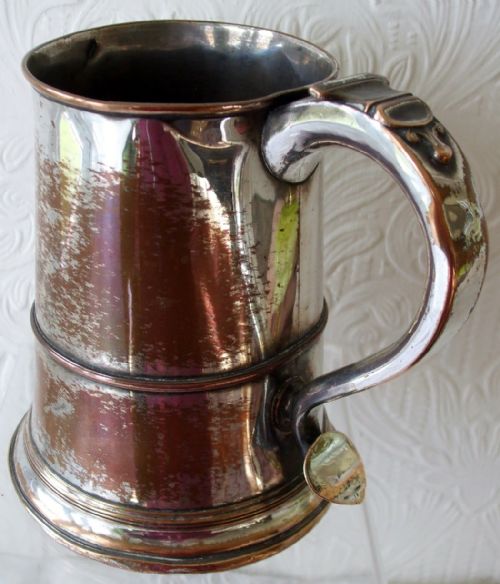
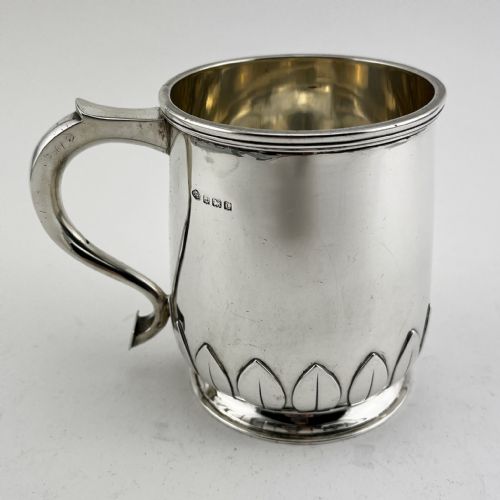
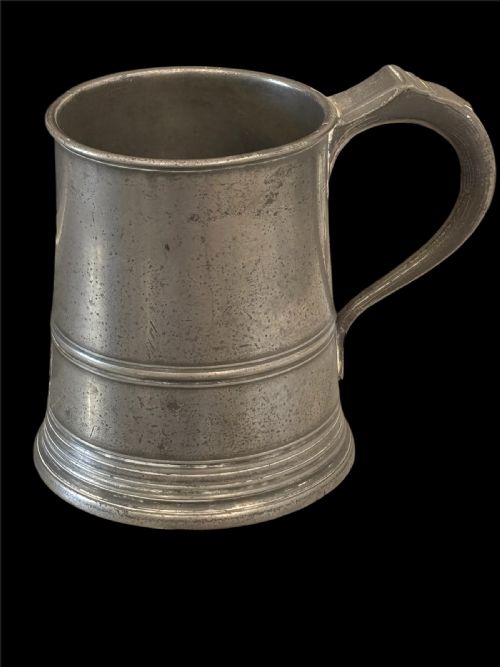
When you search for an english silver beer tankard, you encounter drinking vessels spanning multiple centuries, from the seventeenth century through to the twentieth century. These objects include solid sterling silver examples alongside pieces rendered in pewter, silver plate, copper, and stoneware with silver rims.
The forms on this page range from early Georgian heavy tankards and provincial Newcastle pieces to later Victorian mugs and pint measures. Buyers most frequently meet straightforward sterling silver pint mugs alongside historical pewter vessels bearing maker marks.
Originating primarily from English workshops, these drinking vessels document shifts in domestic drinking habits and metalworking skill across the Georgian, Victorian, and earlier eras.
How they were made
The construction of these pieces relies heavily on durable metals like sterling silver and pewter, shaped to create sturdy walls capable of holding liquid. Silversmiths and pewterers utilised hammering, soldering, and casting techniques to form cylindrical bodies and secure handles.
Makers often applied plain bodies or added structural reinforcement rims in silver, particularly when combining metals with stoneware jugs. Surface finishes range from smooth polished silver to aged patinated pewter showing decades of handling.
The listings here include sterling silver, pewter, silver plate, copper, and stoneware across periods spanning the seventeenth to the twentieth century.
What varies in quality
The distinction between standard domestic items and superior pieces rests on the weight of the metal and the crispness of the silversmith's workmanship. Earlier examples from the seventeenth and eighteenth centuries often display heavier gauge silver and more substantial handles.
Maker attribution and provincial marks elevate certain items, as does the survival of unblemished surface textures on pewter and unthinned silver walls. Simpler pieces with plain bodies rely entirely on the integrity of their proportions and the quality of the alloy.
The English Silver Beer Tankard Glossary
- Sterling silver
- A silver alloy containing 92.5 percent pure silver and 7.5 percent other metals, usually copper, chosen for its durability in domestic plate.
- Pewter
- A malleable metal alloy historically composed chiefly of tin with copper and lead, used extensively for traditional tavern tankards.
- Pint
- A unit of liquid capacity commonly used to measure the volume of these drinking vessels, frequently marked on mugs from the twentieth century.
- Newcastle
- A northern English provincial assay office location whose marks identify regional silver production outside London.
English Silver Beer Tankard: Frequently Asked Questions
What is the difference between a tankard and a mug?
Historically, tankards often featured hinged lids to keep contents covered, whereas mugs remained open at the top.
Many antique drinking vessels described as tankards in older listings actually function as open mugs, reflecting changing terminology over the centuries.
How do I clean antique silver?
Silver requires minimal intervention using specialised cloths to remove tarnish without harming the underlying metal.
Aggressive chemical dips strip away the natural patination that collectors look for on older pieces.
Can I still drink beer from these tankards?
Using historical drinking vessels depends entirely on the metal composition and whether any modern repairs contain lead.
Pewter predating the nineteenth century often contains lead, making modern use inadvisable, while solid sterling silver remains safe for occasional toasts.
How can I tell the date of a piece?
British silver typically bears hallmarks that record the assay office, date letter, and maker's mark.
Pewter relies on touchmarks stamped into the metal, though these require reference guides to decipher accurately.