
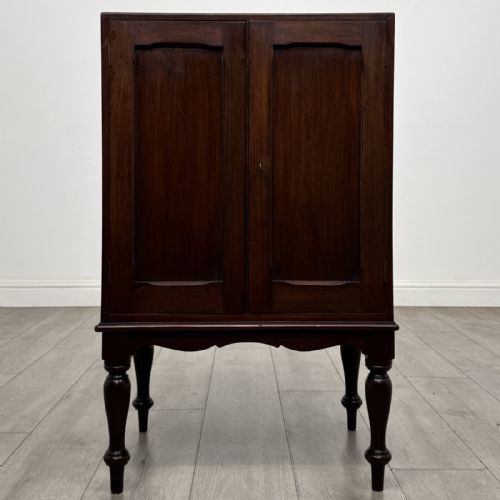
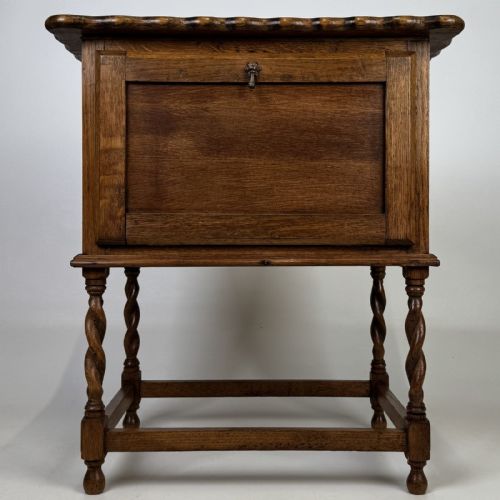
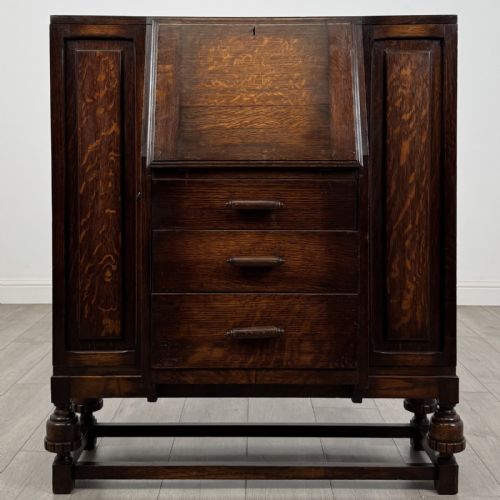
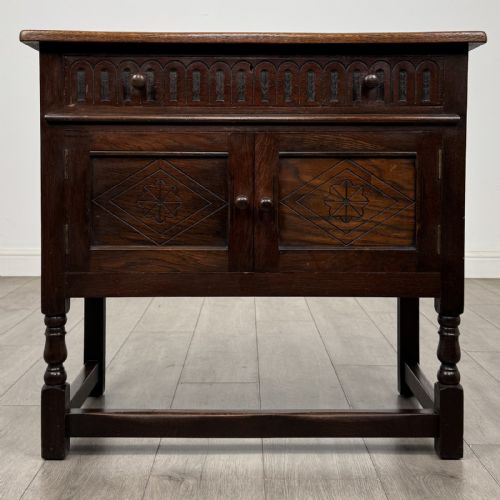
Vintage Side Cupboard
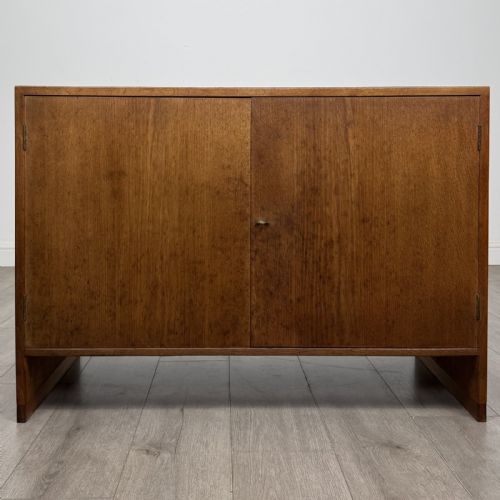
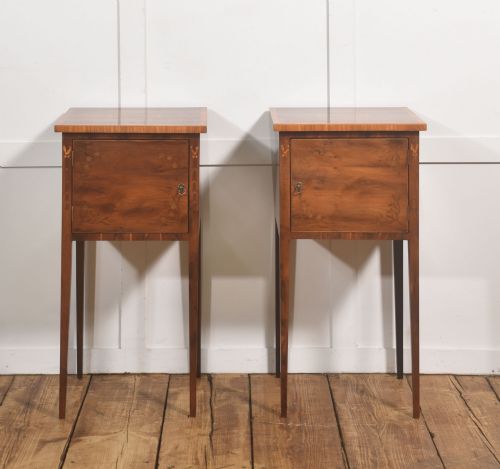
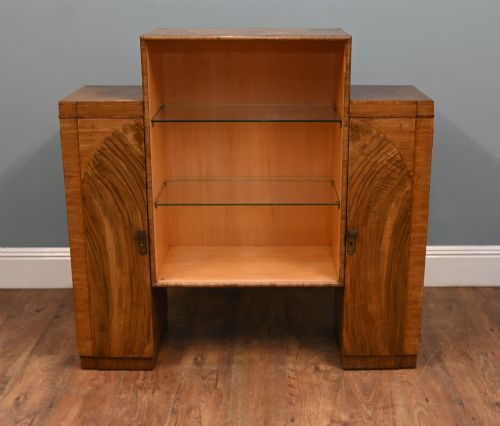
A vintage side cupboard brings compact storage and rich timber grain to a room, ranging from Edwardian satinwood to Art Deco walnut.
Vintage Side Cupboard
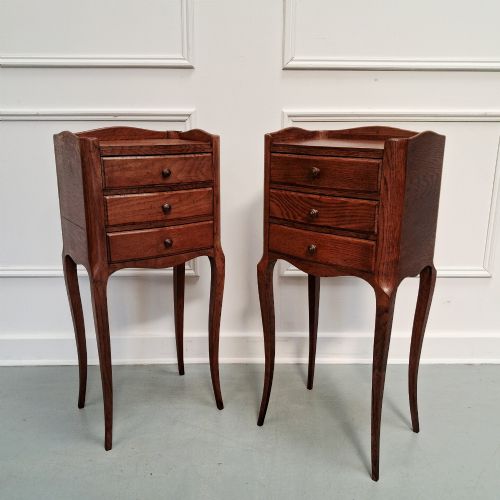
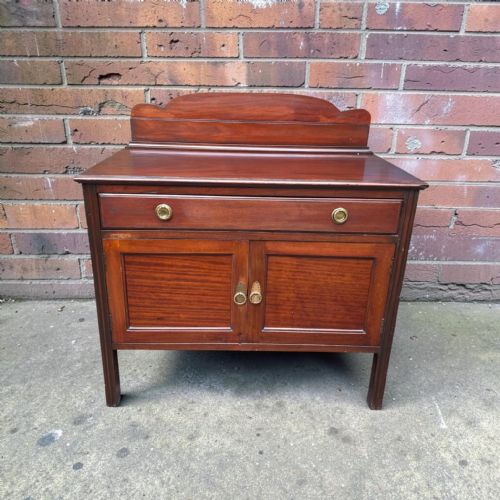
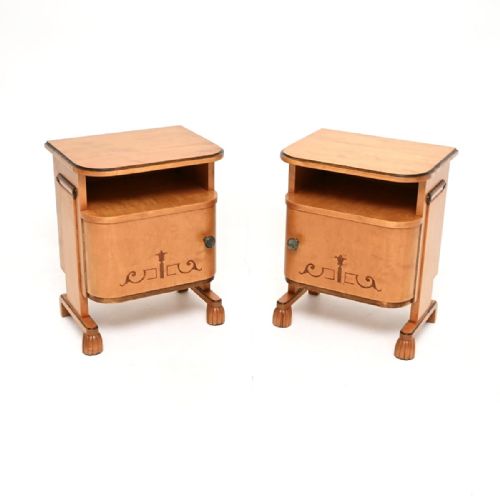
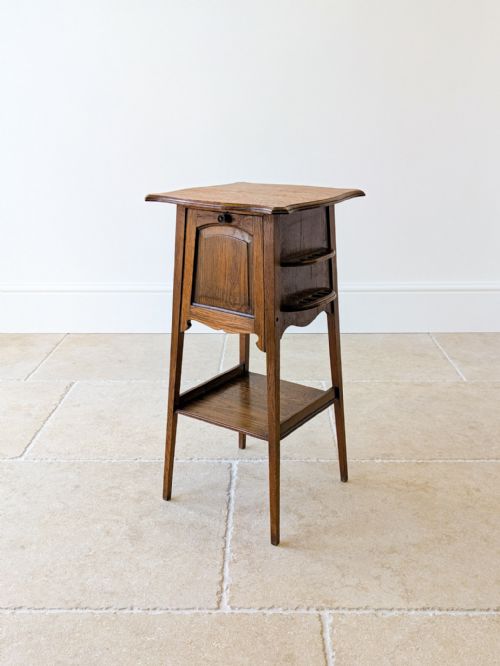
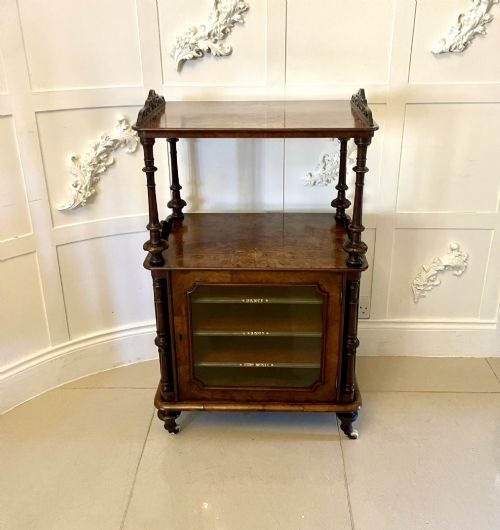
A vintage side cupboard serves as a versatile storage piece, frequently appearing in forms such as bedside tables, bedside cabinets, and small lamp chests. When searching for a vintage side cupboard, buyers encounter designs spanning the Victorian and Edwardian eras, alongside early twentieth-century examples.
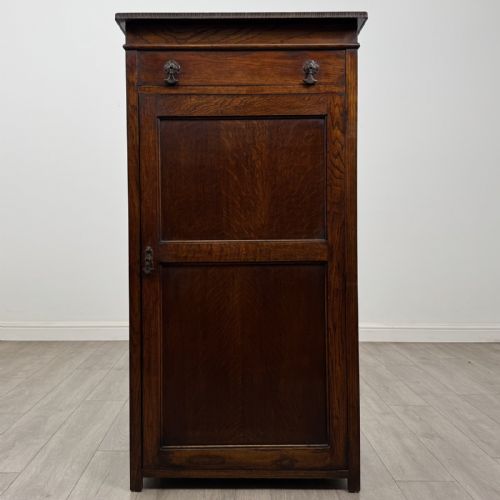
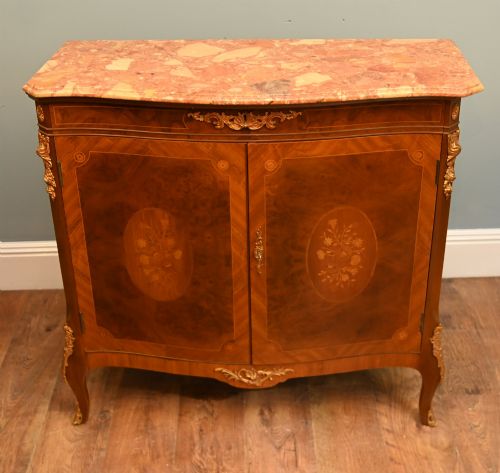
The selection ranges from French marble-topped cabinets to solid oak low cupboards and satinwood bedside chests. Many pieces reflect revival styles, including Queen Anne, Regency, and Louis XVI.
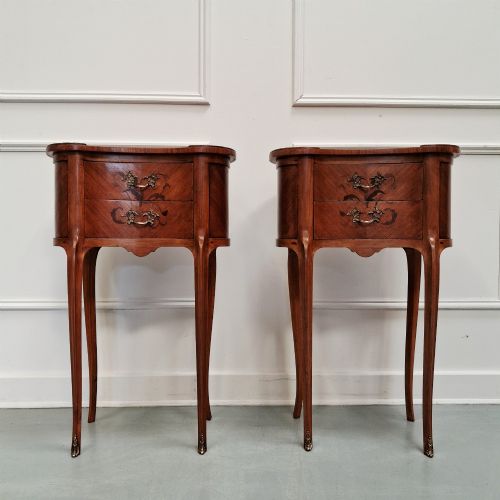
Forms vary from compact single-door bedside cupboards to larger marquetry-inlaid demi-lune cabinets and narrow pier cabinets. These items originate from English and French workshops, utilising woods like mahogany, walnut, and oak.
Materials and construction methods
Cabinet makers utilised a variety of dense hardwoods, predominantly mahogany, walnut, and oak, often enhanced with contrasting veneers such as satinwood and burr walnut. Marble tops appear on selected French and English bedside cabinets, providing a durable and decorative surface.
Decorative techniques include intricate marquetry inlay, delicate painted details, and marquetry patterns applied to curved or serpentine fronts. Construction methods incorporate solid timber framing alongside finely matched wood veneers secured to sturdy carcases.
Some nineteenth-century pine cupboards masquerade as bamboo through clever paintwork, satisfying the Victorian fascination with exotic flora.
Assessing quality and craftsmanship
The distinction between standard utility items and exceptional pieces rests in the selection of timber figures, such as highly grained burr walnut or figured mahogany. Superior examples demonstrate precise joinery, well-matched veneer panels, and harmonious proportions across serpentine or demi-lune shapes.
Refined detailing elevates a piece, including original brass hardware, subtle marquetry work, and integrated marble surfaces that fit flush with the wooden framework. Maker attribution, such as pieces retailed through established houses, also separates standard production items from finer workshop output.
Walter Carter Harrods
The Vintage Side Cupboard Glossary
- Marquetry
- Decorative veneer work arranged in geometric or pictorial patterns on the surface of a cabinet. Craftsmen cut thin slices of different coloured woods to form the design.
- Demi-lune
- A half-moon shape characteristic of small side cabinets and commodes designed to sit flush against a wall. This profile became popular in revival furniture.
- Pier cabinet
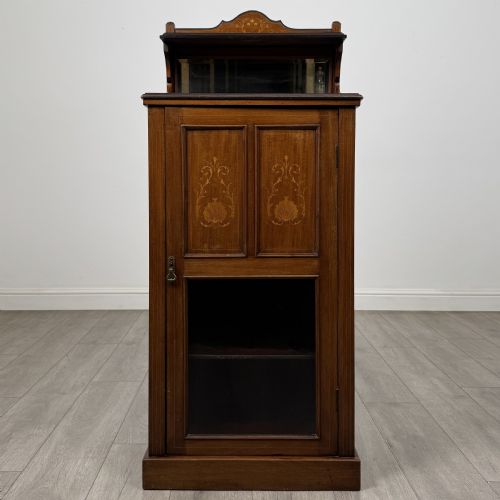
- A narrow display or storage cabinet designed specifically to fit the wall space between windows. These tall, slender pieces often feature glass doors or inlaid wooden panels.
- Chiffonier
- A low sideboard or small cabinet developed in the nineteenth century, typically featuring a shelf or small superstructure above the main storage compartment.
Vintage Side Cupboard: Frequently Asked Questions
Where should I place a side cupboard?
These compact pieces adapt easily to various rooms, serving as bedside tables in a bedroom or lamp tables in a living area. Their modest footprints allow them to fit into hallways and tight corners.
They provide enclosed storage for books or small items while offering a surface for lamps and decorative objects.
How do I distinguish Edwardian pieces from Victorian ones?
Victorian side cupboards often feature heavier proportions, darker mahogany or rosewood timbers, and robust Gothic or classical revival details. Edwardian pieces tend to be lighter in scale, frequently utilising satinwood, painted finishes, and inlaid decorations.
Looking at the interior secondary woods and construction hardware also helps determine the approximate period of manufacture.
Are marble-topped cabinets difficult to maintain?
The marble slabs on these cabinets require simple wiping with a damp cloth and mild soap to prevent staining from liquids. Avoid acidic cleaners that can etch the polished stone surface.
Most marble tops lift off the wooden base, making the cabinet lighter and easier to move during relocation.
What is the difference between a pot cupboard and a bedside table?
A pot cupboard historically referred to a small bedside cabinet designed to enclose a chamber pot behind a single door. Over time, these evolved into standard bedside tables and lamp chests with general storage drawers or shelves.
Today, both terms describe compact bedside storage units, though pot cupboards specifically date from the nineteenth century or earlier.