



Vintage Shipping Seascape
A vintage shipping seascape captures the enduring drama of open water and sail, bringing historic maritime character straight into a room.
Vintage Shipping Seascape
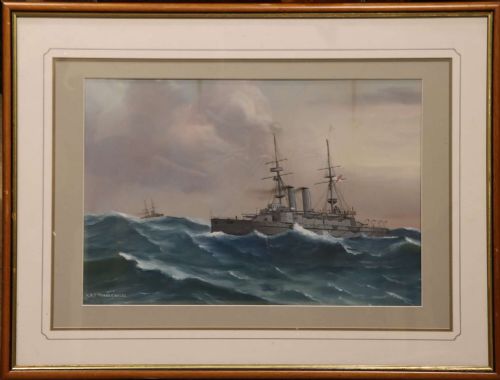
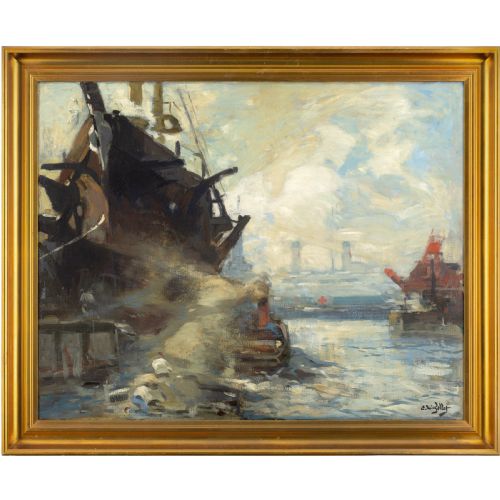
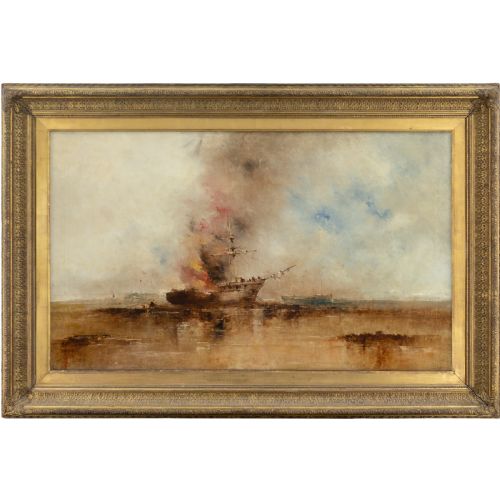
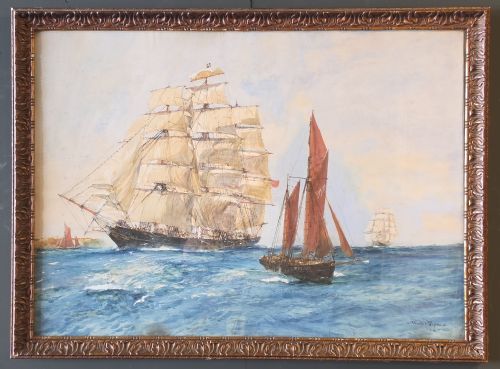
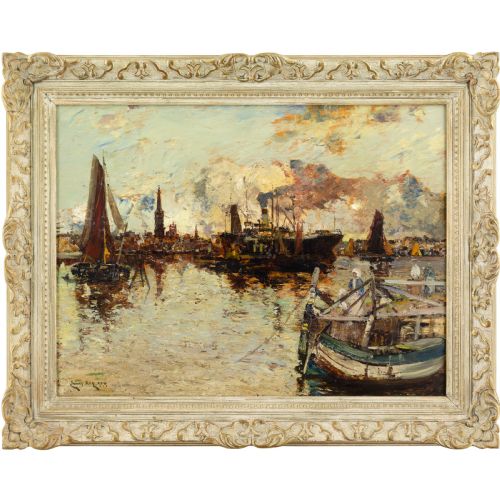
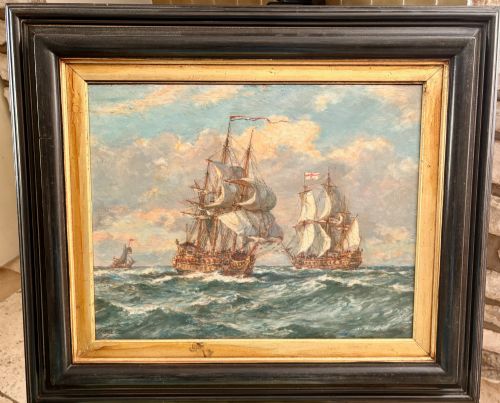
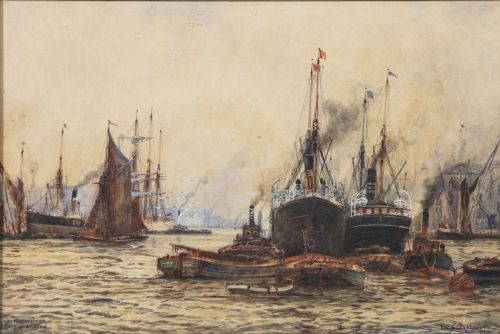
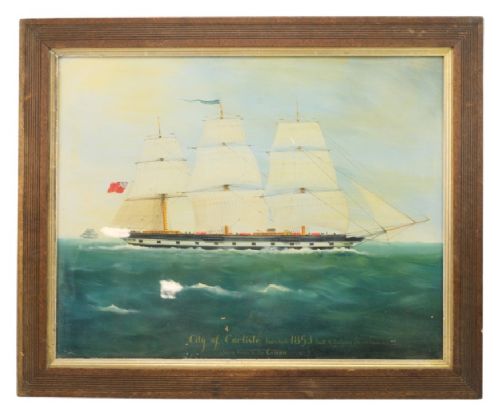
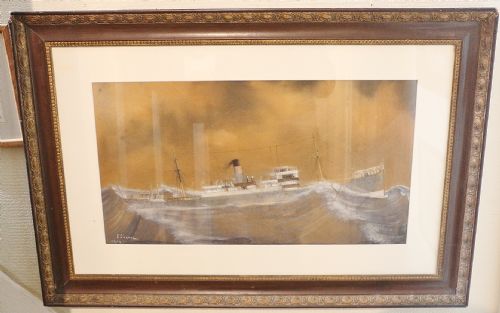
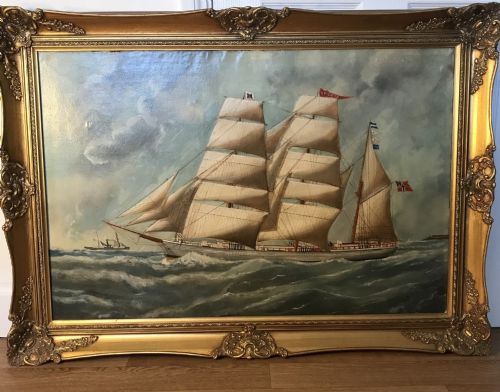
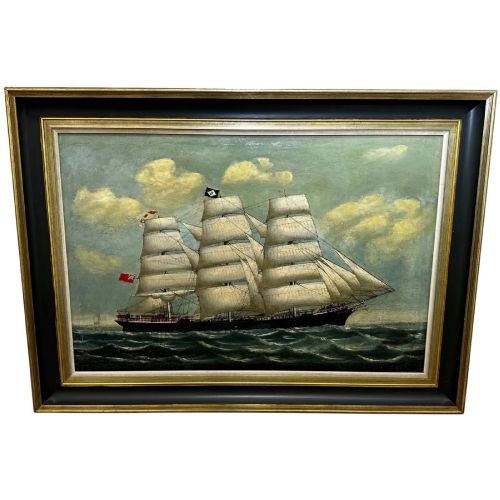
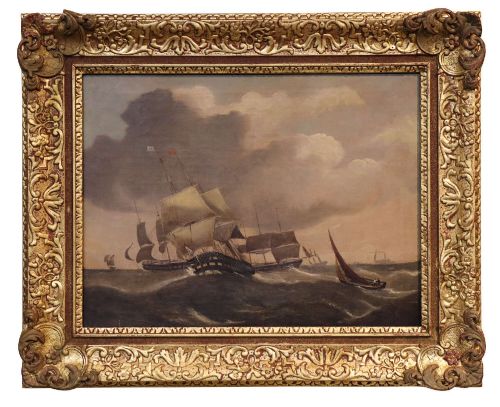
A vintage shipping seascape presents maritime subjects ranging from bustling port scenes and coastal lighthouses to dramatic open-water storms. These works record naval vessels, merchant steamers, traditional clippers and local fishing boats across changing weather and light.
Most examples found here date from the nineteenth century through the mid-twentieth century, spanning Victorian, Edwardian and later periods. The selection encompasses framed watercolours, gouache studies and oil paintings on canvas or board, alongside occasional prints.
Subjects often identify specific historical vessels, naval engagements or recognisable coastal locations such as British ports, European harbours and distant waters. These pieces combine documentary interest in shipping history with traditional landscape painting.
How they were made
Artists deployed oil paint on canvas or board to build rich, layered surfaces capable of rendering turbulent waves, heavy skies and the intricate rigging of tall ships. Watercolours and gouache on paper capture lighter, more atmospheric coastal effects with translucent washes and fine ink details.
Many surviving works retain their period gilt frames, which provide a decorative border that complements the maritime subject matter. Support materials typically include stretched canvas, wooden panels, card and heavyweight paper.
Techniques range from rapid plein-air sketches recording changing weather to highly finished studio compositions executed by specialist marine painters.
Several paintings record the exact moment historical ships faced heavy storms or sailed out towards distant colonial ports.
What varies in quality
The strength of a vintage shipping seascape rests in the artist's command of maritime architecture, rigging accuracy and the weight of water. Works by documented marine specialists demonstrate precise knowledge of vessel construction and nautical perspective.
Atmospheric depth and handling of light separate routine decorative pictures from compelling works of art. The most accomplished paintings convey the motion of the sea and the specific qualities of coastal weather through confident brushwork or delicate washes.
Eugène-Louis Gillot·William McAlpine·Charles Edward Dixon·James Kay RSW·Bernard Gribble·Frank William Scarbrough·Abraham Hulk I·William Frederick Settle·Thomas Bush Hardy
The Vintage Shipping Seascape Glossary
- Gouache
- An opaque watercolour paint that dries to a matte finish, allowing artists to build solid highlights and vibrant details on paper or board. It is frequently combined with traditional watercolour in maritime studies.
- Barque
- A sailing vessel with three or more masts, having the foremast and mainmast square-rigged and the mizzenmast fore-and-aft rigged. This rig appeared frequently in nineteenth-century commercial shipping.
- Seascape
- A work of art depicting the sea, coastal views, naval engagements or shipping. Such works focus primarily on marine subjects rather than terrestrial landscapes.
- Aquatint
- A printmaking technique that produces tonal areas resembling watercolour washes, often utilised for nineteenth-century maritime series. It allows for subtle gradations of light and shadow across water and sky.
- Provenance
- The documented history of ownership surrounding a work of art. Clear provenance helps establish the authenticity, age and historical context of marine paintings.
Vintage Shipping Seascape: Frequently Asked Questions
How do I identify the ship in a painting?
Many marine paintings feature specific vessels named in the title, inscribed on the reverse, or identifiable by distinct flags and rigging. Researching shipping registries from the nineteenth and early twentieth centuries often reveals a vessel's history and registry port.
Details such as funnel markings, number of masts and flag designs provide vital clues for maritime historians and collectors seeking to connect a painted ship with historical records.
What is the difference between oil and watercolour marine paintings?
Oil paintings on canvas or board offer rich textures, deep tones and high durability, making them well-suited for depicting dark, stormy seas and dramatic night scenes. Watercolours on paper provide a lighter, more luminous quality that captures bright coastal atmospheres.
Both mediums were widely used by marine artists, though watercolours and gouache often required protective glass framing to preserve the paper support over time.
How should I frame and hang a vintage maritime artwork?
Period gilt frames enhance vintage seascapes, complementing the traditional aesthetic of nineteenth and early twentieth-century art. Ensure works on paper are framed with acid-free mounts to prevent discolouration over the years.
Position paintings away from direct sunlight and damp environments to protect the canvas, paper and pigments from environmental degradation.
How do I determine the period of a shipping painting?
Clothing styles of any figures depicted, the type of vessel shown, and signature styles offer primary dating clues. Steamships, three-masted schooners and naval ironclads each correspond to specific eras of maritime technology.
Frame construction, artist signatures, and any inscriptions on the stretcher bars or reverse of the canvas provide additional chronological evidence.