




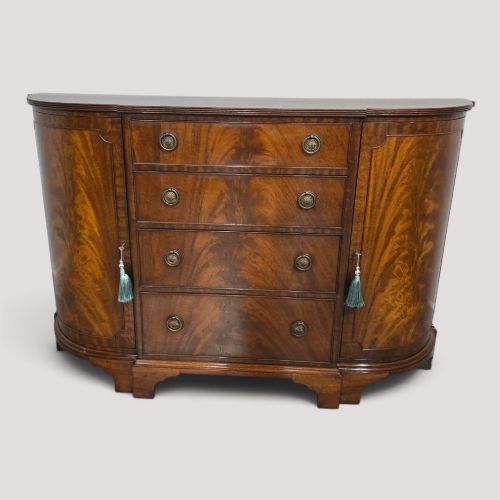
Vintage Server with Drawer
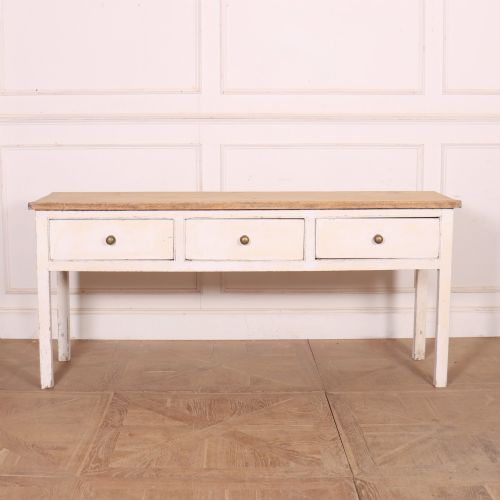
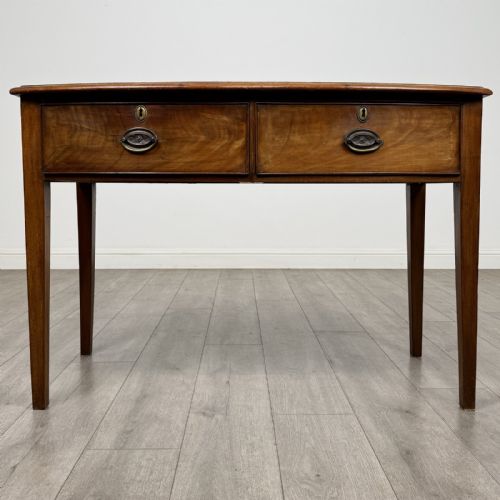
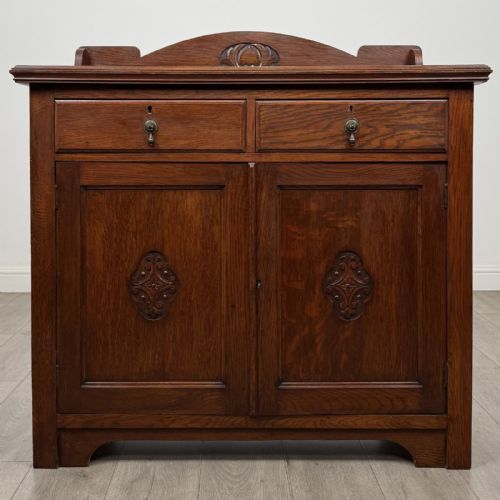
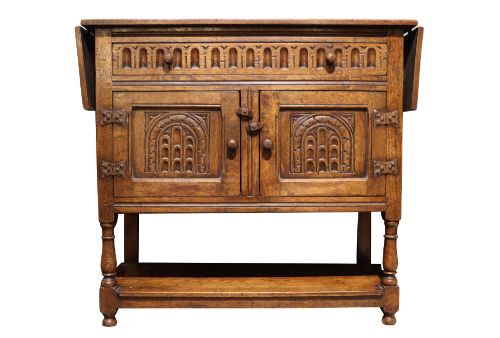
A vintage server with drawer provides practical dining room surface space and concealed storage, drawing on centuries of craftsmanship.
Vintage Server with Drawer
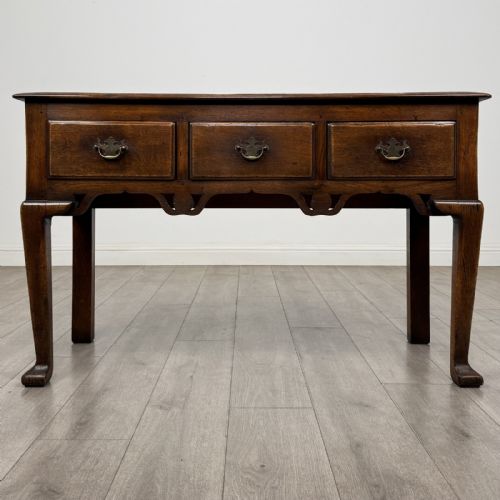
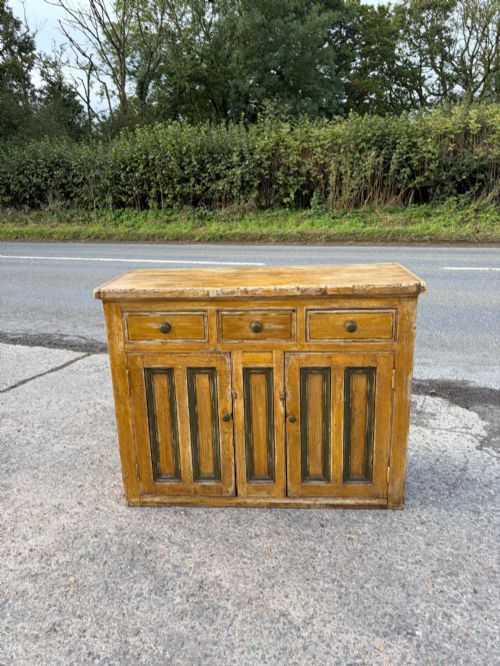
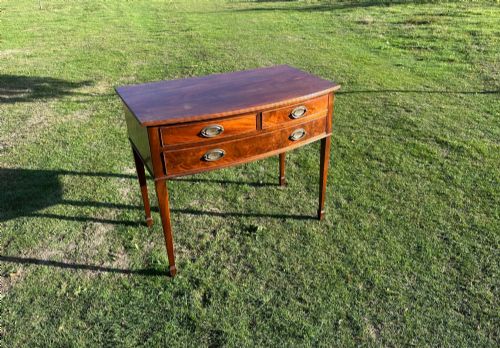
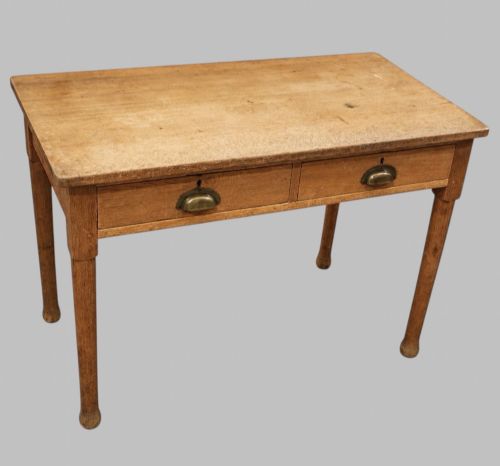
A vintage server with drawer bridges the gap between formal sideboards and utilitarian side tables, offering a surface for serving food alongside enclosed storage. When you search for this phrase, you encounter forms ranging from compact Edwardian mahogany consoles to robust nineteenth century pine dresser bases.
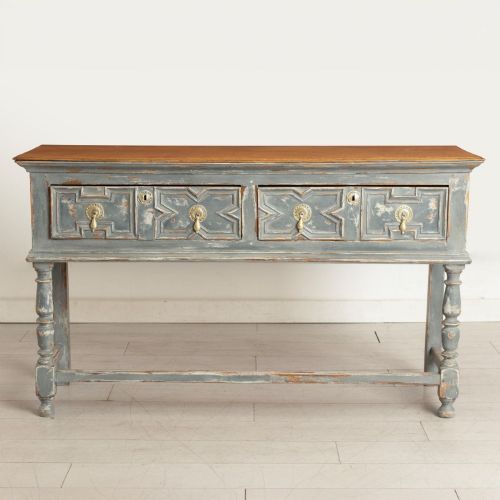
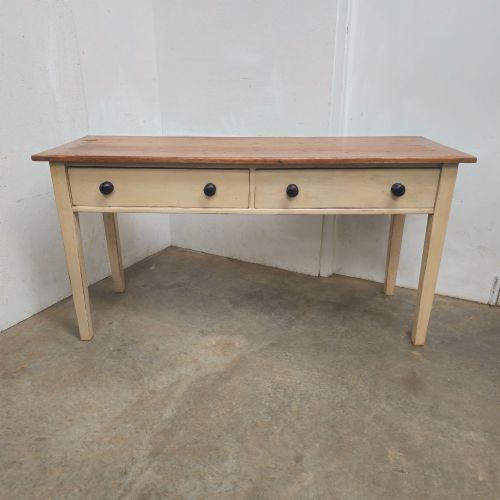
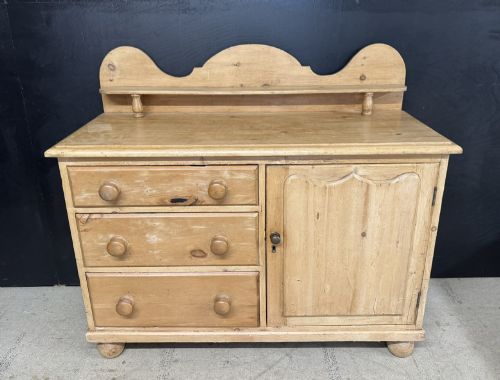
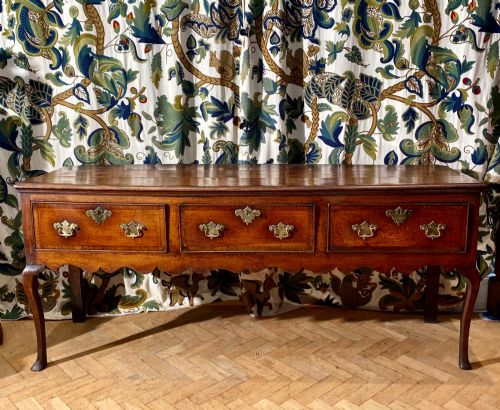
The pieces appearing on this page span the Georgian era through to the nineteen-thirties, taking shapes such as sideboards, console tables, and kitchen dresser bases. Oak and mahogany dominate the offerings, built to accommodate drawers fitted beneath the main surface.
Makers utilised these versatile items in dining rooms, halls, and kitchens, adapting proportions to suit smaller spaces while maintaining a dedicated drawer for linens or cutlery. The physical evidence shows regional workshops and larger cabinet makers producing these forms in walnut, pine, and satinwood inlay.
Materials and construction methods
Cabinet makers built these pieces using solid timbers like oak, mahogany, and pine, frequently applying burr walnut or satinwood veneers for decorative contrast. Drawer construction typically relied on hand-cut dovetail joints, ensuring durability with frequent daily use.
Surface treatments range from wax and French polish to original paint and bleached finishes, preserving the grain of the wood while offering protection. Carved details such as barley-twist supports, linen-fold panels, and geometric crossbanding appear across pieces from the Victorian and Edwardian periods.
Brass handles and escutcheons punctuate the drawer fronts, serving both a functional and ornamental purpose that reflects the prevailing style of manufacture, whether Carolean Revival or Edwardian Sheraton.
Vintage Server with Drawer Retail Price Guide 2026
Typical asking prices for vintage server with drawer among the pieces listed under this phrase on Sellingantiques today, from the lower quarter to the upper quarter. They describe what is for sale here now, not the wider market.
Design styles present across the inventory include Jacobean Revival, Carolean Revival, Arts and Crafts, and French Country influences.
Judging the quality of a piece
Quality rests primarily in the selection of timber and the precision of the joinery connecting the frame to the drawer compartments. Superior examples display carefully matched wood grain across the drawer fronts and top surface, rather than mismatched boards cobbled together from scrap timber.
The crispness of hand-carved details, such as the foliage on a Carolean revival oak frame or the inlay on a mahogany console, separates standard workshop production from finer cabinet work. Original hardware, tight drawer movement without excessive wobble, and honest patination on the timber finish indicate a higher standard of original manufacture.
Beresford & Hicks London·Goodall of Manchester
The Vintage Server with Drawer Glossary
- Dovetail joint
- A carpentry joint formed by interlocking wedge-shaped fingers, commonly found securing the corners of drawers on older servers.
- Crossbanding
- A decorative border of veneer laid around the perimeter of a table top or drawer front with the grain running perpendicular to the centre.
- Chiffonier
- A compact sideboard or low cupboard featuring a drawer above two doors, popular during the nineteenth century for dining room storage.
- Escutcheon
- A protective plate surrounding the keyhole of a drawer or cabinet door, often cast in brass.
- Den
- A term used historically to describe smaller secondary living rooms where side tables and small servers found frequent placement.
Vintage Server with Drawer: Frequently Asked Questions
What is a vintage server with drawer used for?
These items serve primarily as auxiliary surfaces in dining spaces, allowing hosts to place dishes, bottles, or glassware during meals. The integrated drawer provides immediate storage for table linen, cutlery, and serving utensils.
Beyond the dining room, smaller examples function effectively as hallway console tables or working surfaces in larger kitchens.
How do I date a wooden server?
Dating relies on examining the timber species, construction techniques, and decorative hardware present on the piece. Georgian and early nineteenth century items often show hand-sawn timber marks and simpler interior drawer linings.
Later Victorian, Edwardian, and nineteen-thirties pieces introduce machine-sawn components, distinct revival styling such as Carolean barley-twist supports, and factory stamps or maker plaques.
Are these servers made of solid wood?
The evidence shows a mix of solid timbers, including oak, mahogany, pine, and walnut, alongside pieces utilising decorative veneers over a secondary wood base. Burr walnut and satinwood inlay commonly appear as veneered surfaces applied to tabletops and drawer fronts for visual contrast.
Structural elements like frames, legs, and drawer linings are predominantly constructed from solid woods such as oak or mahogany.
How do I care for a waxed wood finish?
Maintenance requires regular dusting with a soft, dry cloth to prevent grit accumulation on the surface. Occasional application of a quality beeswax feed helps nourish the timber and maintains the soft sheen characteristic of waxed antique furniture.
Keep these items away from direct heat sources and strong sunlight to prevent the timber from drying out or splitting.