

Vintage Secretaire Drawer
A vintage secretaire drawer combines casual storage with a concealed writing surface, offering clever compartments for correspondence.
Vintage Secretaire Drawer
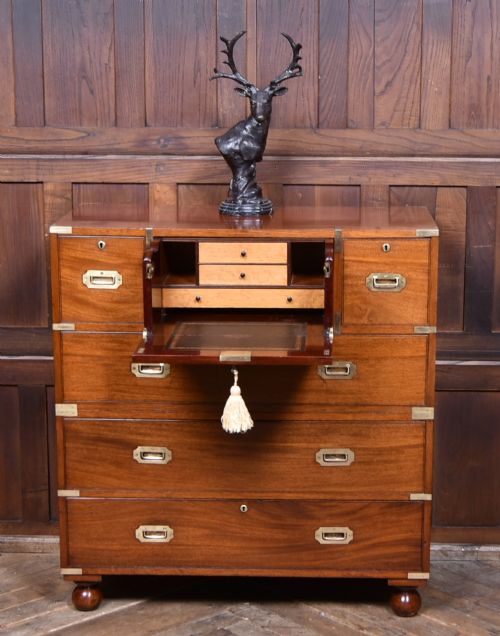
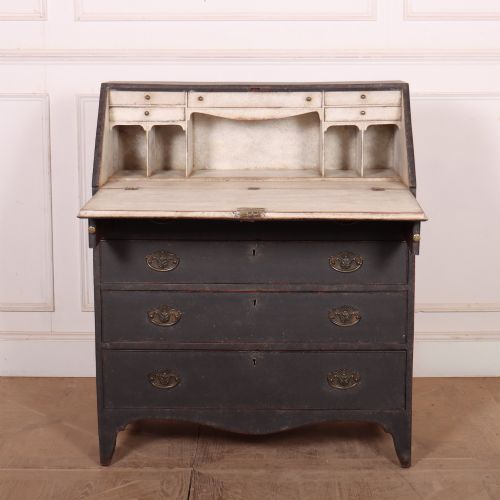
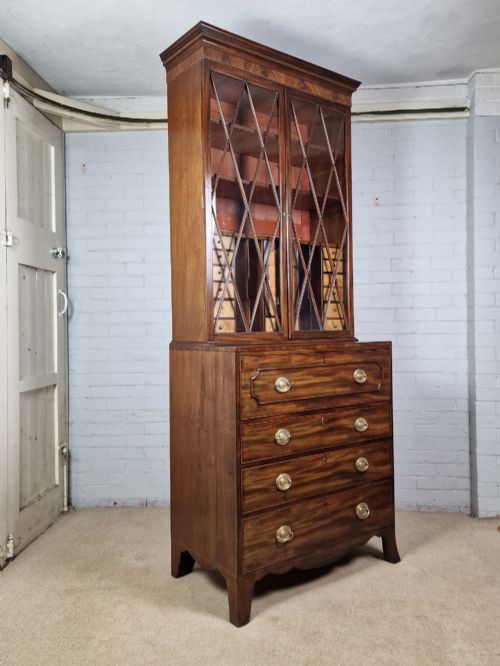
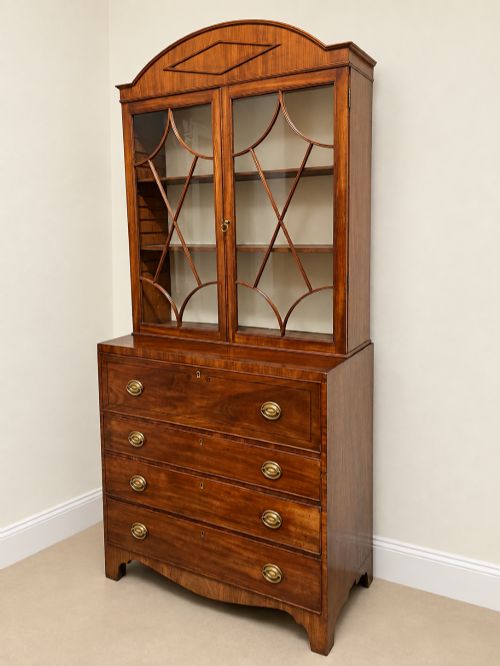
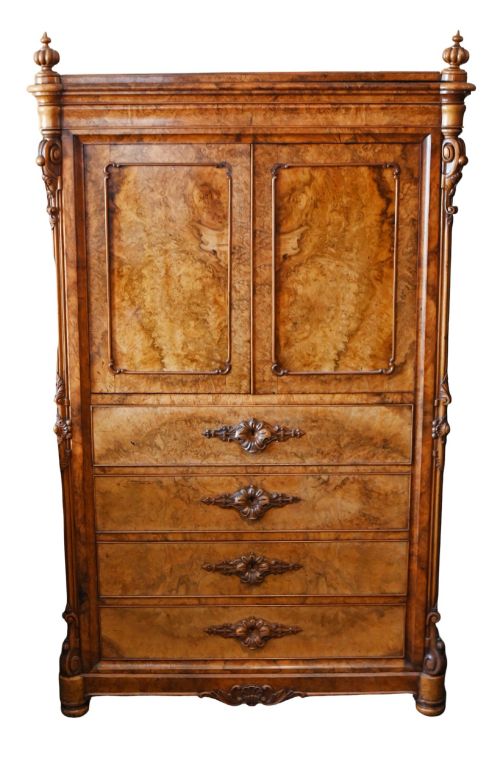
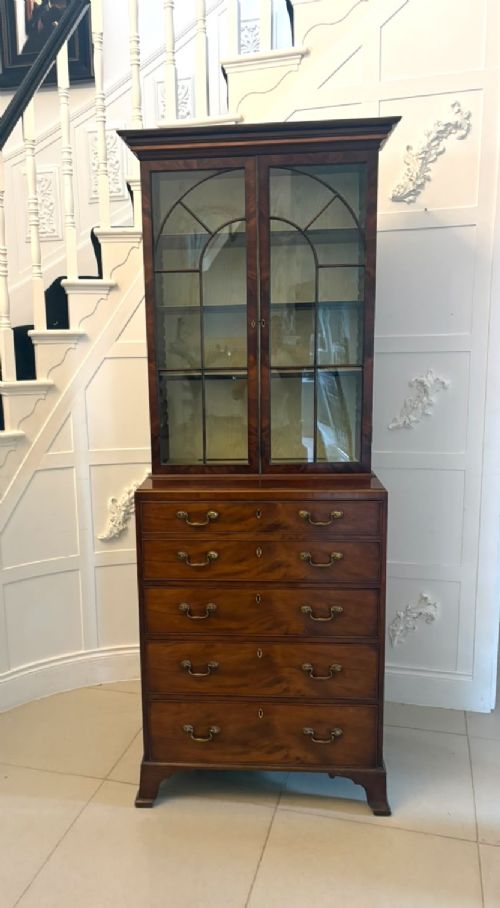
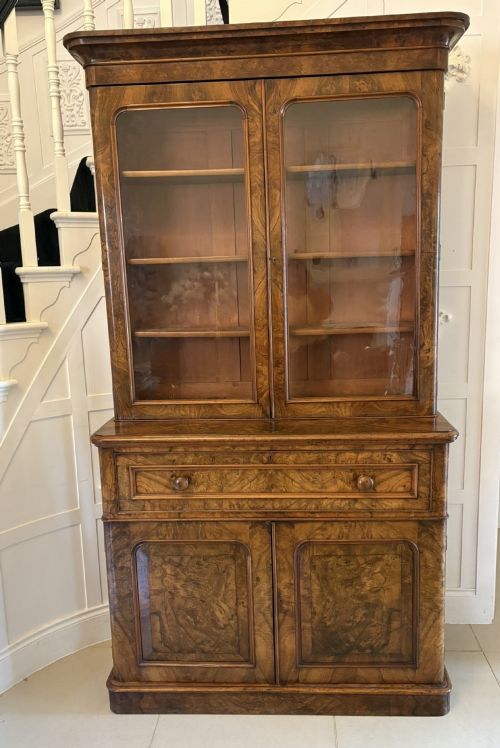
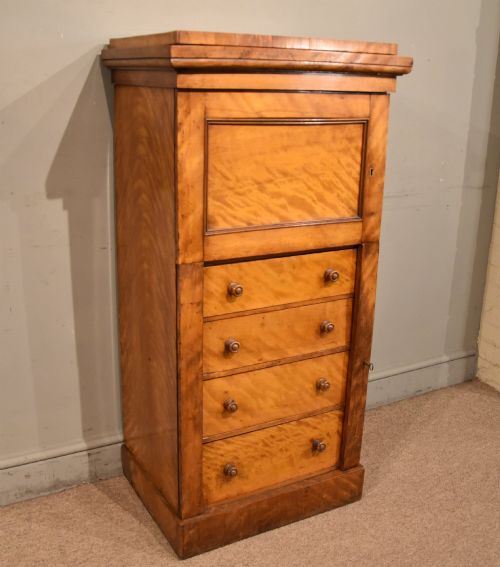
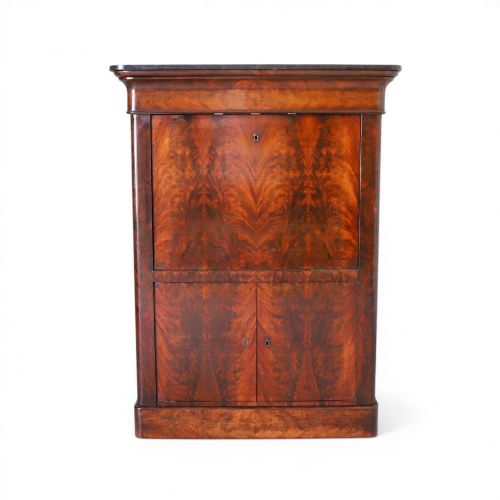
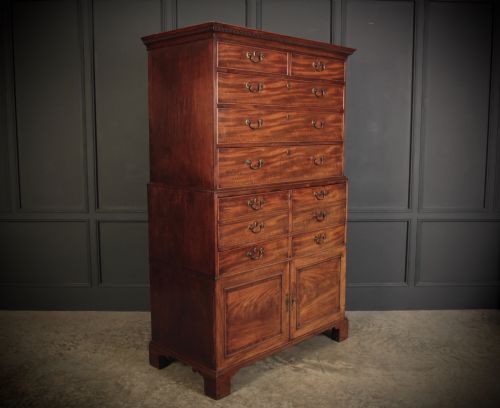
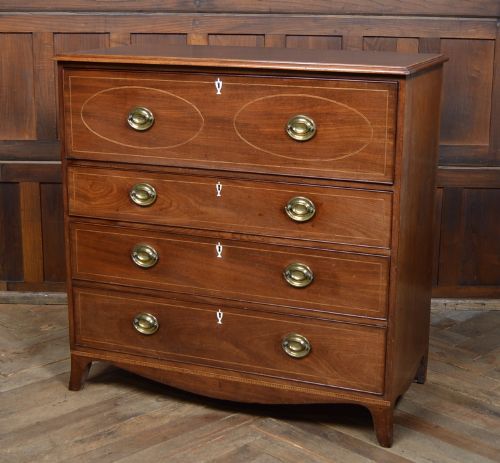
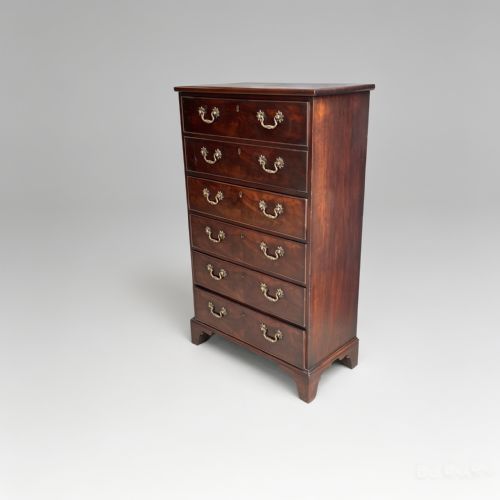
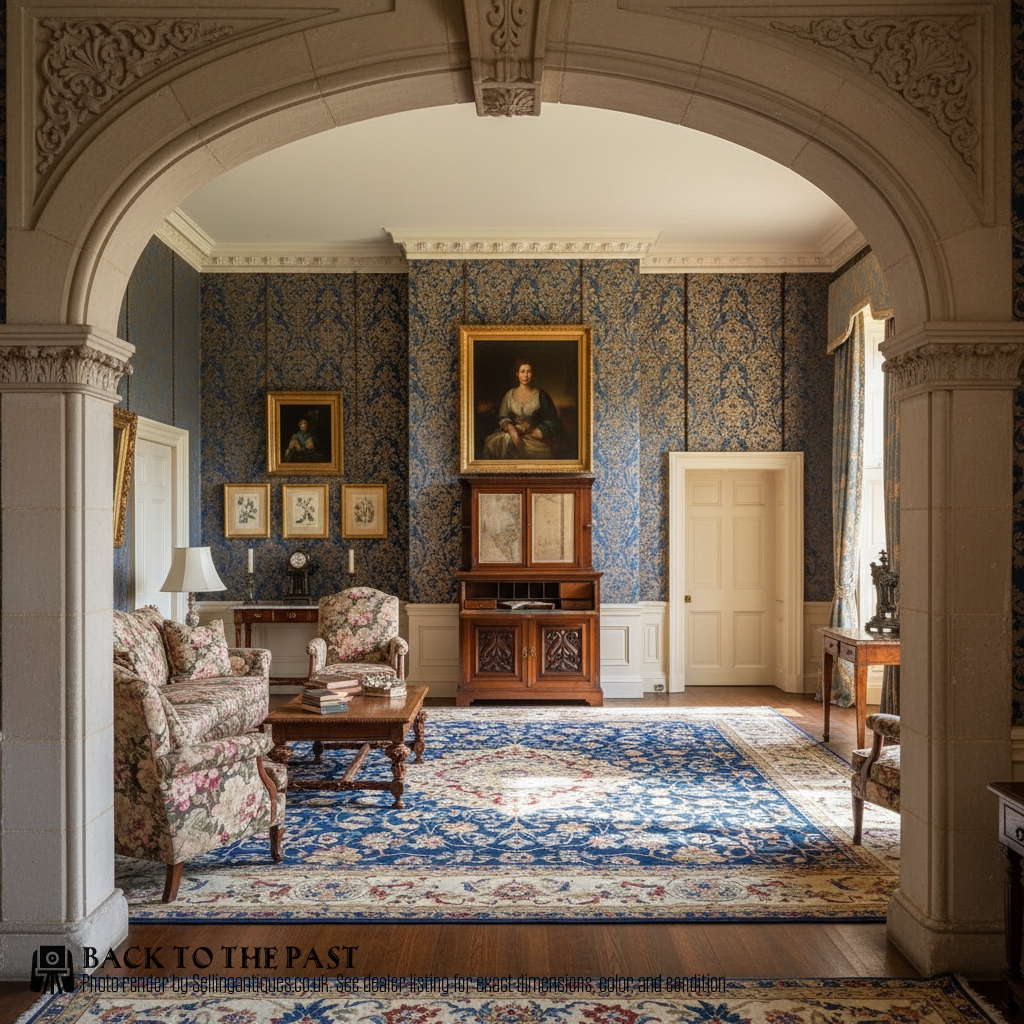
A vintage secretaire drawer encompasses compact chests, tallboys, and bookcases designed with a drop-front writing flap that conceals inner compartments. Pieces from the Georgian and Regency periods dominate the selection, alongside Victorian and Edwardian examples.
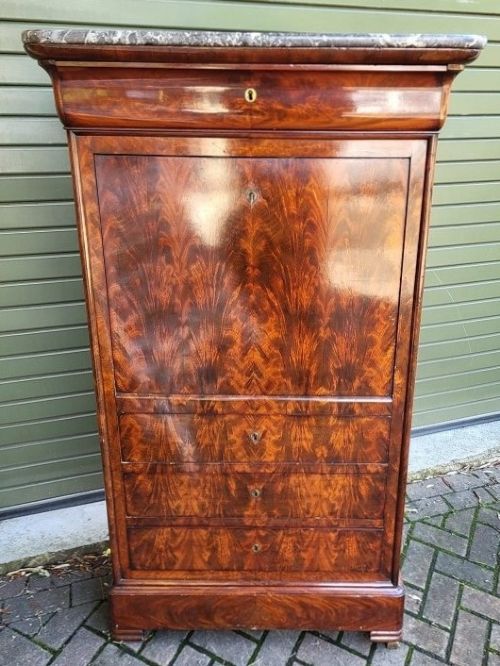
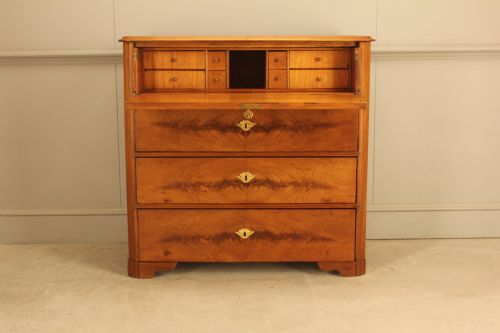
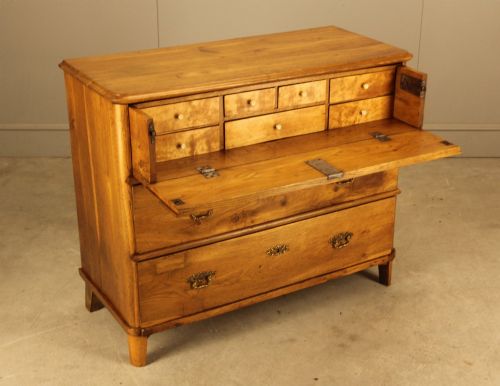
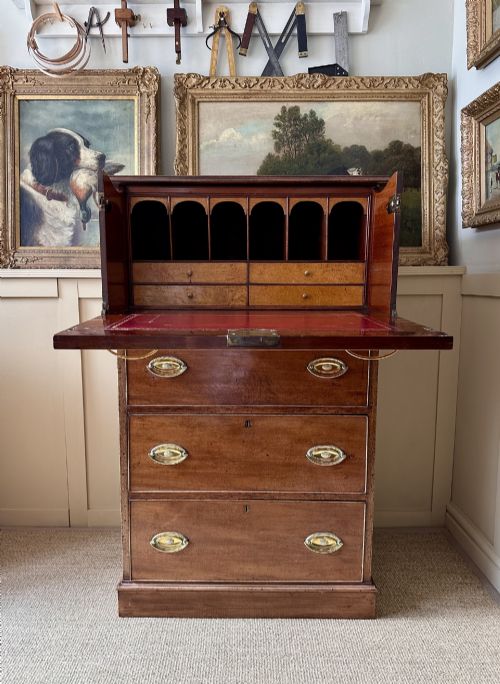
The most common form on this page is the secretaire chest of drawers, often rendered in mahogany with fitted pigeonholes and small drawers inside the fall-front. Tall bookcases and campaign cabinets also appear, extending the utility of the writing drawer into larger storage formats.
Materials and Construction
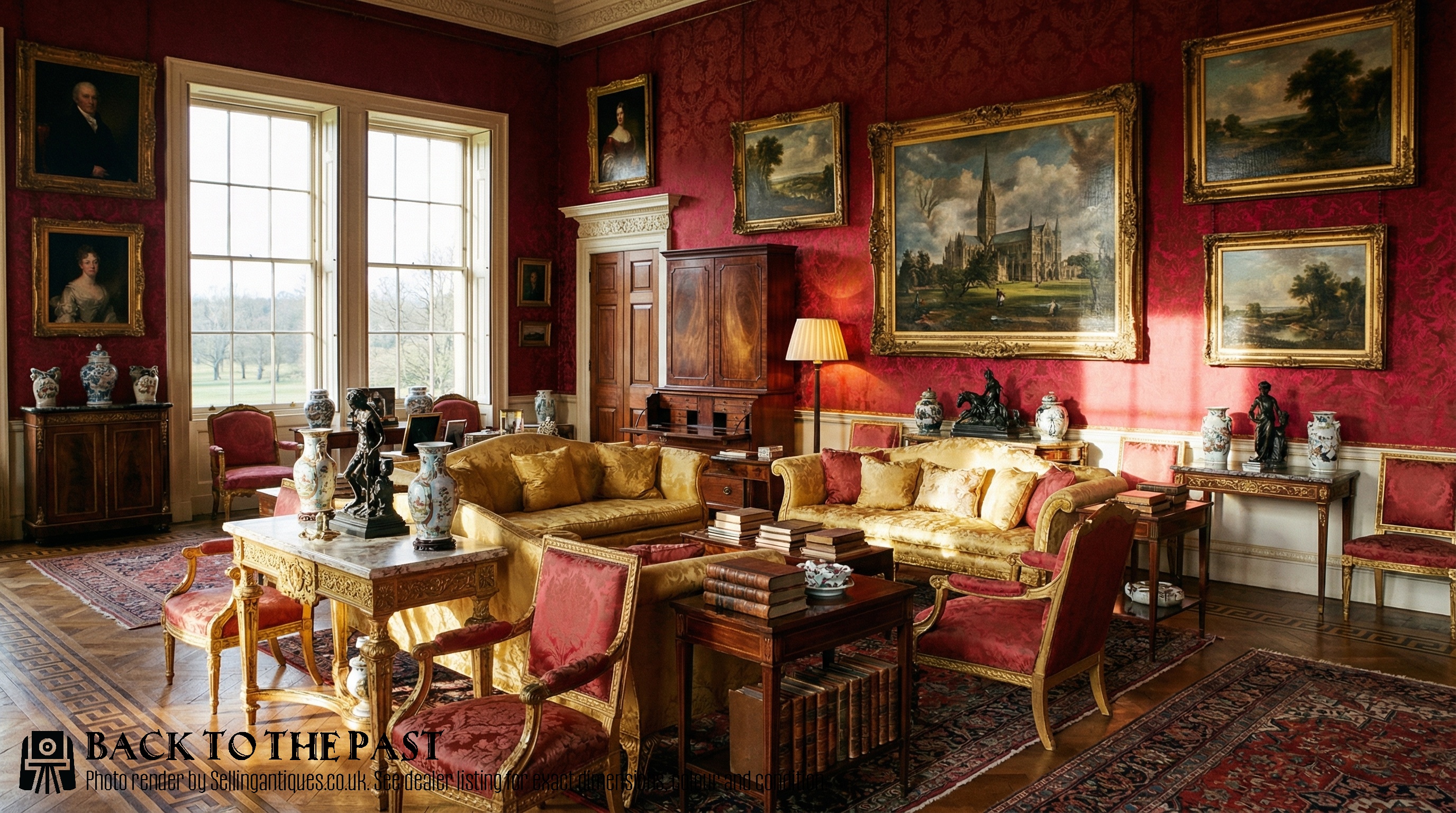
Cabinetmakers utilised dense timbers such as mahogany, walnut, and oak for the primary carcase and drawer structures, frequently embellishing surfaces with burr birch, satinwood, or figured veneers. Secondary timbers like pine appear in internal partitions and drawer linings.
Hardware typically consists of brass handles, escutcheons, and locks, while writing surfaces often incorporate inset leather or baize. French variants introduce marble tops and specialised fall-front mechanisms supported by internal brackets.
Vintage Secretaire Drawer Retail Price Guide 2026
Typical asking prices for vintage secretaire drawer among the pieces listed under this phrase on Sellingantiques today, from the lower quarter to the upper quarter. They describe what is for sale here now, not the wider market.
Listings feature mahogany, walnut, oak, and teak across Georgian, Victorian, and Edwardian periods.
Craftsmanship and Proportion
Superior examples display precise dovetail joinery in the drawer construction and careful book-matching of veneers across the drawer fronts and fall-front panels. The internal arrangement of pigeonholes, secret compartments, and small drawers reveals the maker's attention to detail.
Proportion and timber selection dictate the standing of a piece, with well-figured grain patterns and balanced drawer hierarchies commanding greater interest. Original hardware and intact writing surfaces retain the integrity of the design.
The Vintage Secretaire Drawer Glossary
- Secretaire
- A desk or chest of drawers featuring a pull-out or drop-front writing drawer. This element conceals a cluster of small compartments for letters and stationery.
- Fall-front
- A hinged panel that drops down to form a horizontal writing surface. It is held in place by internal quadrants or desk arms.
- Tallboy
- A tall chest of drawers made in two sections, placing a smaller set of drawers on top of a larger base. The upper section often incorporates the secretaire drawer.
- Campaign chest
- A modular chest of drawers built in two or more sections for transport by military officers. These pieces often feature brass corners and recessed handles.
- Pigeonhole
- A small, open compartment within a desk interior designed for sorting letters and documents. They are frequently framed by miniature drawers.
Vintage Secretaire Drawer: Frequently Asked Questions
How do I use a secretaire drawer?
Lower the fall-front panel to reveal the internal writing surface and smaller compartments. This creates a dedicated desk space while keeping your stationery hidden when closed.
Ensure the support brackets or hinges bear the weight of the drop-front before resting your arms on the leather or wood writing area.
How do I date a vintage secretaire?
Examine the secondary timbers, drawer construction, and overall stylistic markers such as bracket feet or inlaid brasses. Georgian and Regency pieces typically show hand-cut dovetails and solid mahogany linings.
Later Victorian and Edwardian examples may utilise machine-sawn elements, different secondary woods like pine, and varied veneer thicknesses.
Where should I place a secretaire in my home?
Position the piece in a study, living room, or bedroom where there is sufficient clearance for the fall-front to open fully. Measure the depth of the room to ensure comfortable seating at the dropped writing surface.
Keep wooden pieces away from direct heat sources and strong sunlight to protect the polished mahogany or walnut surfaces and inset leather.