
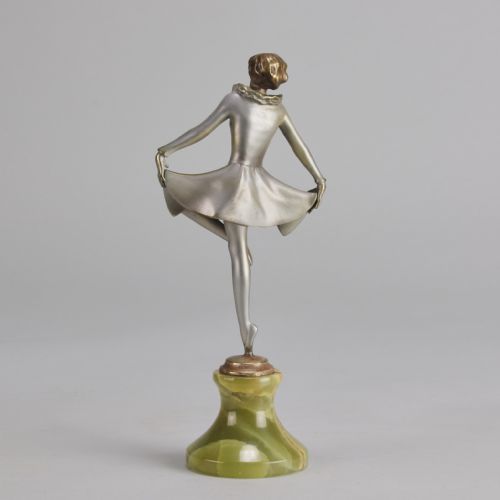

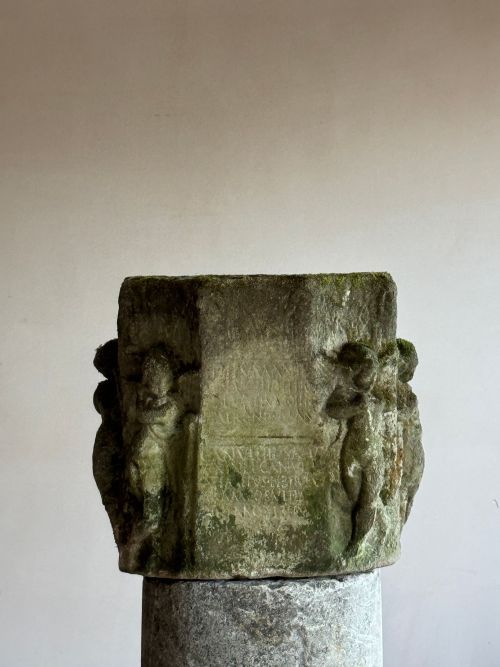
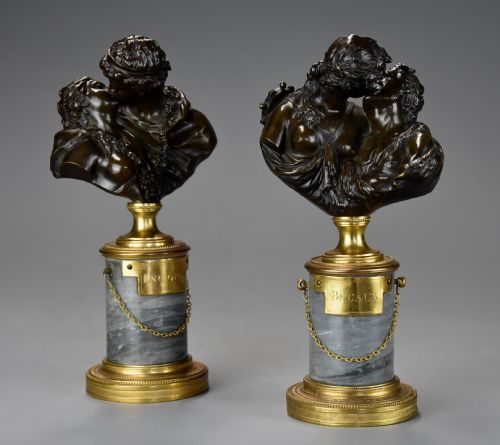
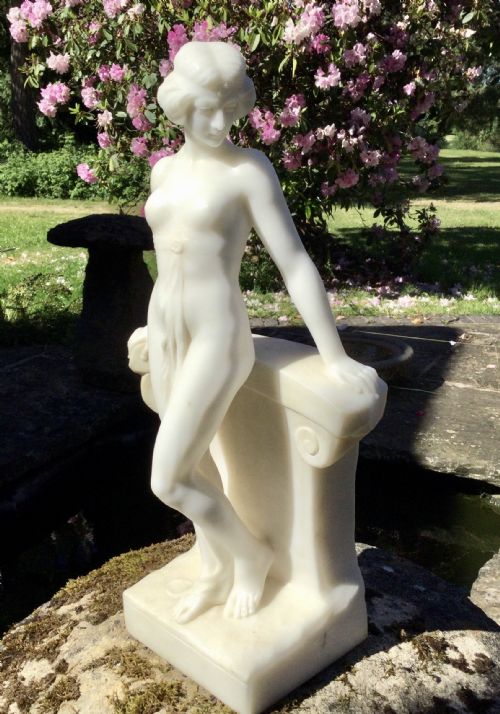




Vintage Sculpture Pedestal
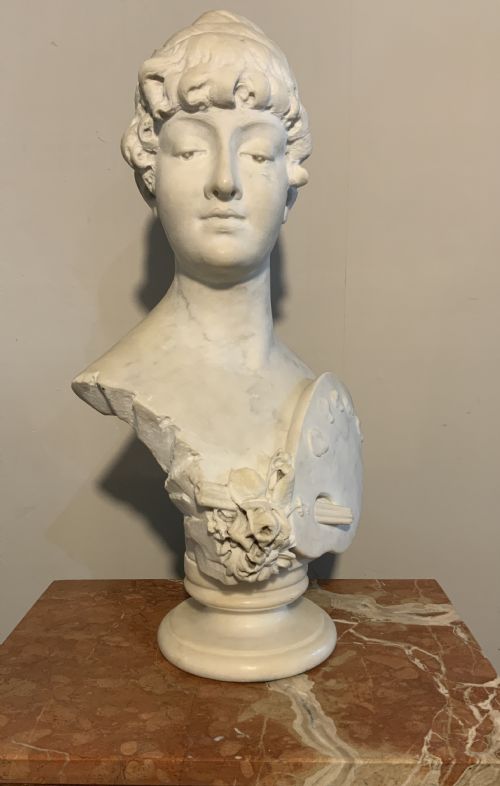
These vintage sculpture pedestal examples elevate busts and figures, bringing height and classical proportion to interior spaces.
Vintage Sculpture Pedestal
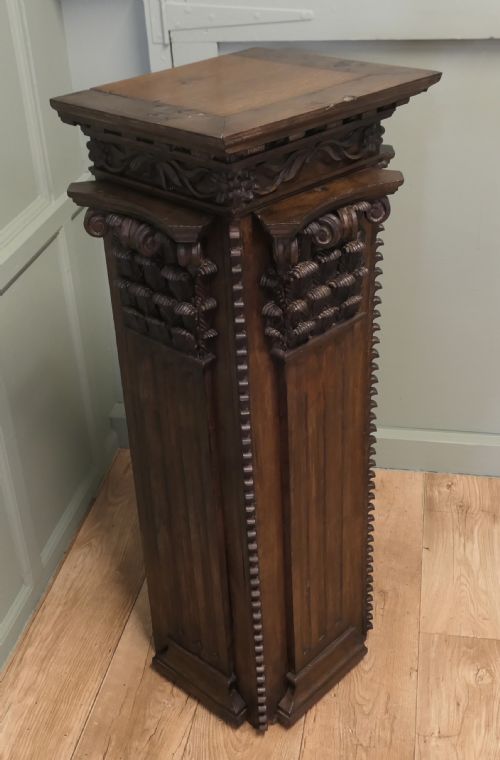
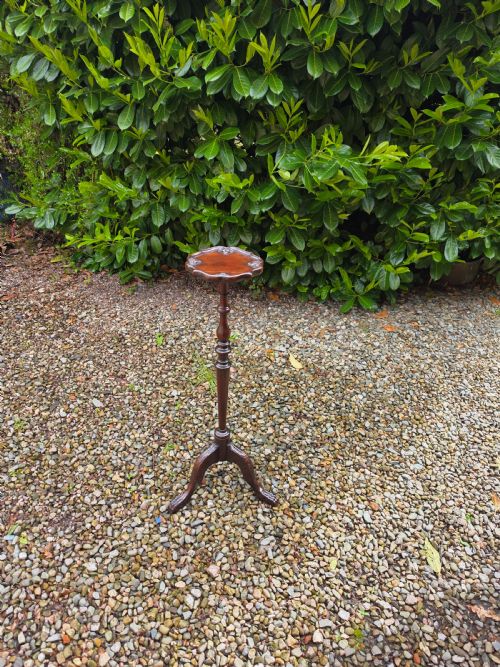
A vintage sculpture pedestal provides a raised platform to display busts, figures and decorative objects within a room or garden. Buyers searching this phrase encounter sturdy columns, carved pillars and architectural stands designed to lift art into the line of sight.
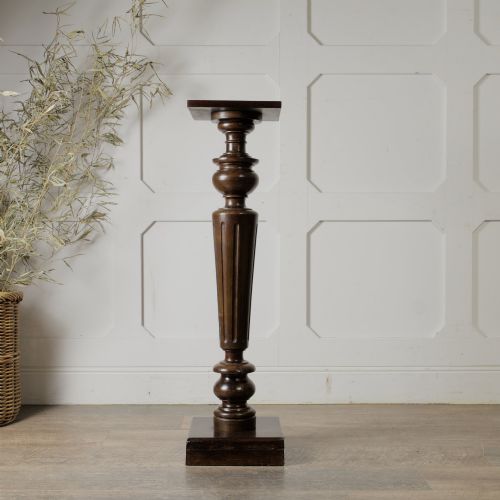
The pieces on this page span the eighteenth, nineteenth and twentieth centuries, taking forms such as cylindrical stands, fluted columns and tapered plinths. Materials range from solid timber and carved wood to heavy stone, marble and cast plaster.
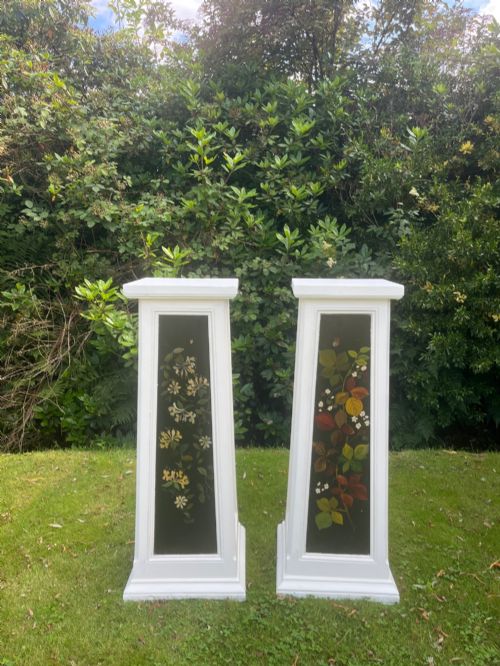
Originating across European and global workshops, these supports reflect periods including Victorian, Edwardian and Art Deco design. Many items arrive paired as matching torchieres or column displays intended for symmetrical placement.
How they were made
Craftsmen shaped these supports using traditional joinery and stone masonry, turning mahogany and oak on lathes or carving detailed capitals by hand. Wood surfaces frequently received layers of paint, gilt polychrome or dark ebonised finishes.
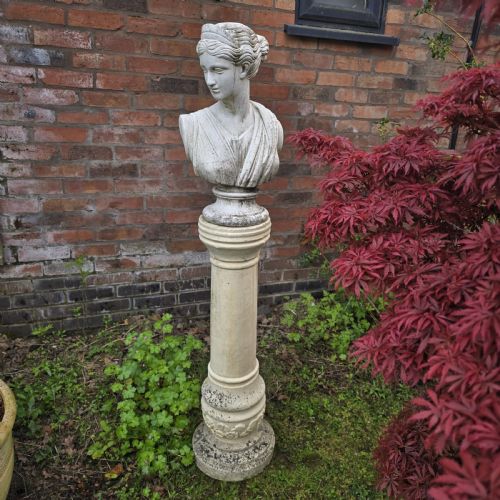
Stone and marble pieces relied on block carving, chisel work and turning on heavy machinery to achieve smooth cylindrical shafts and decorative cornices. Cast stone, reconstituted stone and plaster versions utilised moulds to capture classical relief details.
Makers applied surface embellishments such as lacquer, gesso and hand-painted pigments to wood and plaster structures, sealing the materials while adding rich decorative depth.
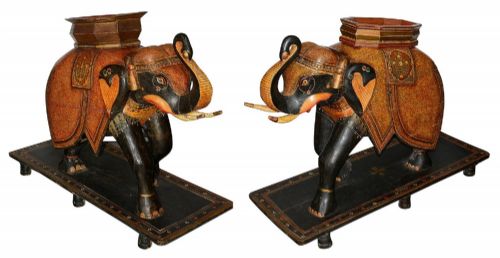
Several stands proudly elevate lacquered wooden elephants and hand-painted figural boys holding giant seashells.
What varies in quality
The standard of a vintage sculpture pedestal depends upon the integrity of its materials and the precision of its decorative carving. Solid timbers and genuine marbles carry weight and structural stability that lesser composite builds lack.
Proportion and architectural balance dictate visual success, where hand-carved capitals and crisp mouldings outclass mass-produced uniformity. Original surface treatments, such as untouched gilt polychrome or aged lacquer, preserve historical authenticity.
Joint construction and weight distribution determine whether a column safely supports heavy stone busts or bronze figures without leaning.
Josef Lorenzl·Ferdinand Preiss·Jean Antoine Houdon
The Vintage Sculpture Pedestal Glossary
- Torchiere
- A tall stand or pedestal originally designed to hold a light source or candle, frequently adapted for sculpture display. These pieces often feature slender columns suited for corners.
- Plinth
- A heavy base or slab supporting a statue, column or bust. It provides a stable foundation and visually anchors the elevated artwork.
- Chryselephantine
- A sculpture technique combining bronze and ivory, popular during the Art Deco period. Pieces using this method often rest on dedicated pedestals.
- Gesso
- A plaster-like mixture applied to wood surfaces as a base for paint or gilding. It allows craftsmen to carve intricate relief details before finishing.
- Staddle stone
- A mushroom-shaped stone support formerly used to elevate granaries off the ground. Today, these rustic stones function as garden statuary plinths.
Vintage Sculpture Pedestal: Frequently Asked Questions
What is a vintage sculpture pedestal used for?
These supports elevate three-dimensional art, busts and urns to eye level within a room. They draw focus to specific pieces while adding architectural presence to interior corners or hallways.
In outdoor settings, stone versions lift garden statues above ground level to protect the material from dampness and foliage obstruction.
How do I choose the right height?
Consider the scale of the sculpture or bust intended for the top alongside the ceiling height of the room. Taller columns suit smaller bronze figures or portrait busts to bring them into direct view.
Shorter plinths work best with life-sized or exceptionally heavy marble figures that require a lower centre of gravity.
Can these stands be placed outdoors?
Suitability for outdoor use depends entirely on the construction material. Cast stone, reconstituted stone and sandstone weather naturally in garden environments.
Wooden, painted plaster and lacquered timber pieces belong indoors away from moisture and temperature extremes to prevent warping.
How do I identify Art Deco pieces?
Art Deco columns and pedestals showcase streamlined geometric forms, exotic timbers like macassar ebony, and sleek surfaces. They frequently pair with chryselephantine figures or stylized obelisks.
By contrast, Victorian and Edwardian examples lean heavily on classical revivals, turned mahogany and ornate carvings.