




Decorative Sculpture Stand
These decorative sculpture stand pieces elevate display art, bringing structural height and classical form to interior rooms.
Decorative Sculpture Stand
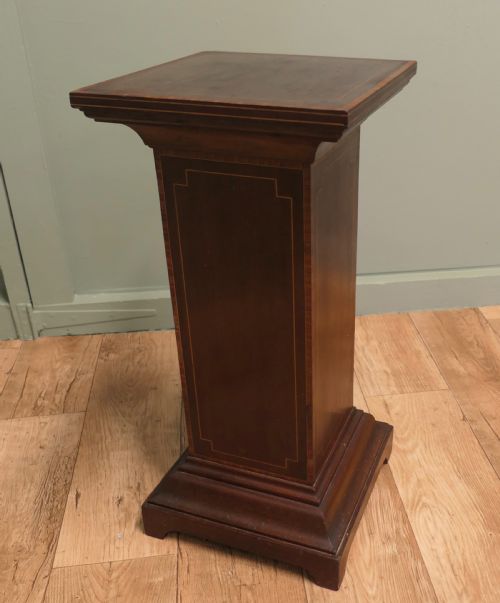
A decorative sculpture stand serves to elevate a figure, urn, or bust above floor level, drawing the eye upwards through height and proportion. The form spans pedestals, plinths, torcheres, and columns designed to support heavier art objects.
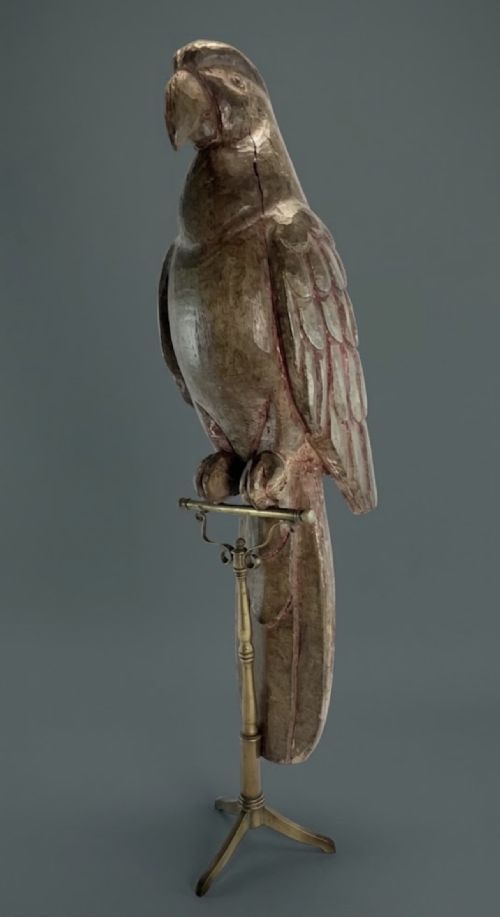
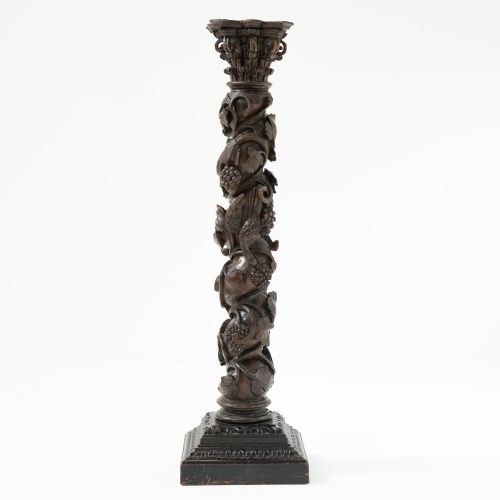
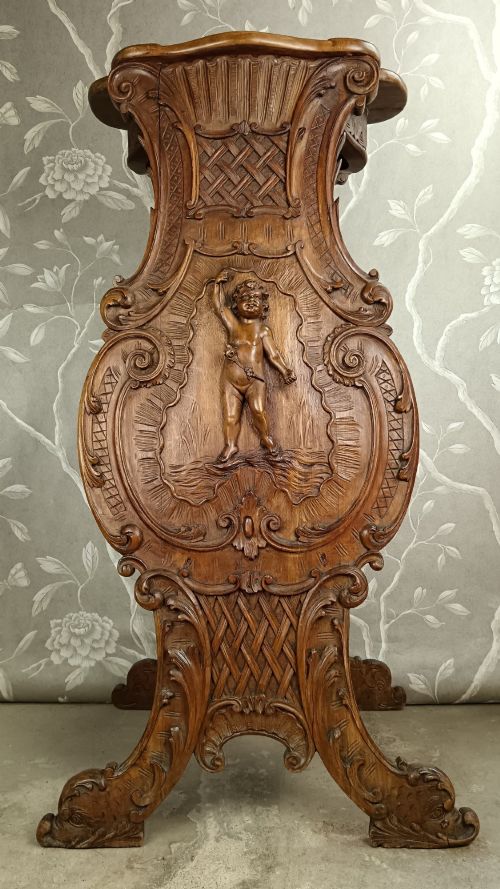
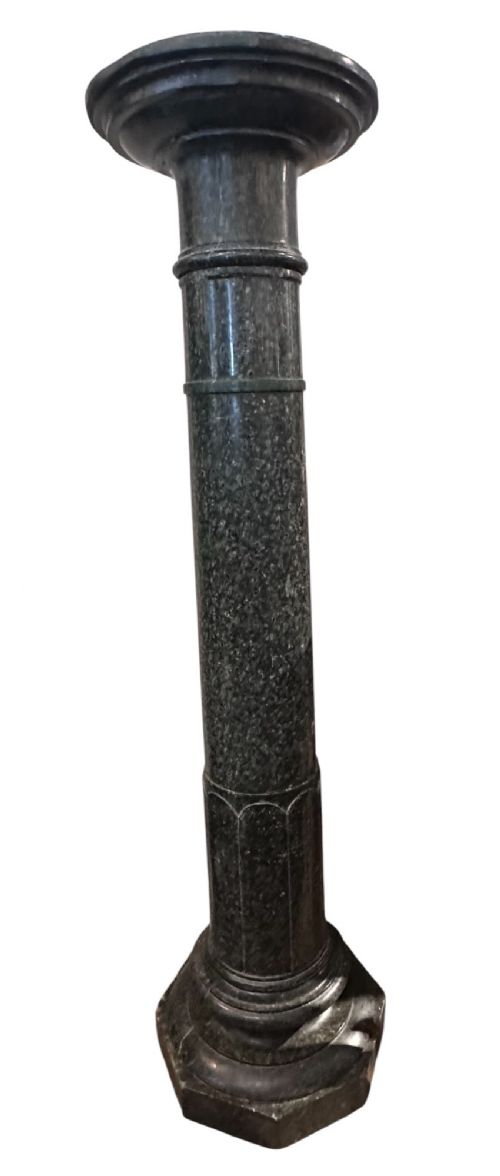
The versions met most frequently on this page originate from the nineteenth century, running from Victorian interpretations through to Art Deco designs. These pieces take the shape of fluted columns, figural standards, and carved wooden pedestals.
Makers drew on classical vocabulary, producing items in Venetian Baroque, Neoclassical, and Louis XVI styles. Such objects function simultaneously as architectural elements and as sturdy furniture bases for sculptural display.
Materials and Construction Methods
Wood serves as a primary foundation, utilised in carved walnut, oak, amboyna, and macassar ebony. Craftsmen shaped these timbers through detailed carving, often adding gesso to build up intricate surface ornament before applying paint or gold leaf.
Stone and mineral substitutes also define the material record, featuring green marble, verde antico, faux marble, and plaster. These heavier compositions provide stability for columns and torcheres carrying bronze or ceramic figures.
Surface decoration relies heavily on polychrome paint and parcel-gilt details, particularly on Venetian figural supports. Artisans combined gilding with hand-mixed pigments to achieve rich, layered finishes on wood and gesso.
Factors Differentiating Quality
Depth and precision in hand-carving separate standard utility columns from exceptional exhibition pieces. The crispness of acanthus leaves, fluting, and figural anatomy indicates the skill of the original workshop.
The integrity of surface finishes dictates overall calibre, distinguishing original gilt polychrome and natural timber grain from later overpainting. Authentic ageing in marble, gesso, and gold leaf reveals a natural patina that mass production lacks.
Structural heft and material choice govern stability and presence. Solid hardwoods, genuine marbles, and dense plaster columns command greater visual authority than lighter composite builds.
G J Lines·Bohumil Rezl·Vallauris
The Decorative Sculpture Stand Glossary
- Torchiere
- A tall stand or floor lamp designed to hold a light source or a decorative figure at height. These pieces often feature slender shafts terminating in circular or square top plates.
- Solomonic
- A column type characterised by a helical twist along the shaft, creating dynamic movement. This spiral form appears frequently in seventeenth and eighteenth-century woodwork.
- Polychrome
- Painted in several colours, typically applied to carved wooden figures and architectural elements. This technique adds vivid realism to sculptural surfaces.
- Gesso
- A plaster-like mixture applied to wood surfaces to create a smooth base for gilding and painting. It allows craftsmen to model sharp relief details before finishing.
- Plinth
- The heavy base supporting a statue, column, or pedestal. It provides essential grounding and visual balance for elevated sculptures.
Decorative Sculpture Stand: Frequently Asked Questions
What fits on a decorative sculpture stand?
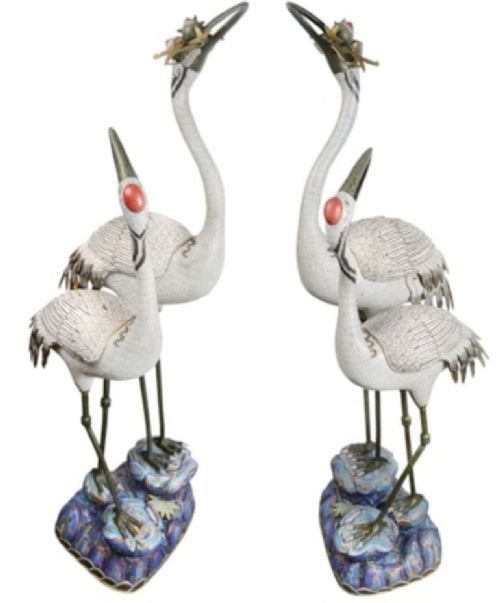
These stands accommodate busts, bronze figures, ceramic urns, and carved animals.
Weight distribution and top-plate dimensions determine which objects sit securely atop each column or pedestal.
How do I date a decorative sculpture stand?
Dating relies on material clues, tool marks, and stylistic shifts between Victorian revival, Neoclassical, and Art Deco periods.
Wood types like amboyna or macassar ebony and the composition of gesso layers also point to specific eras of production.
Are these stands strong enough for heavy marble?
Many nineteenth-century pedestals utilise solid hardwoods or genuine marble columns specifically engineered to bear heavy loads.
Checking the base construction and core materials ensures the stand safely supports dense sculptural art.
How do I clean antique carved wood stands?
Maintenance requires gentle dusting with a dry, soft cloth to protect fragile gesso and original parcel-gilt surfaces.
Moisture and modern chemical polishes should remain strictly avoided to preserve historic paint and polish.