


Vintage Scrollwork Mirror
These vintage scrollwork mirror pieces bring fluid, ornate frames into a room, offering both practical reflection and traditional craftsmanship.
Vintage Scrollwork Mirror
A vintage scrollwork mirror brings fluid, carved ornamentation into a room, capturing historical styles from the eighteenth century onwards. When you search for a vintage scrollwork mirror, you encounter pieces that range from imposing overmantels to smaller wall-hanging designs.
Italian, French, and English regional characteristics shape the visual appeal of these items. Buyers frequently find pieces reflecting Rococo revival, Georgian, and Florentine design traditions.
Materials and Construction
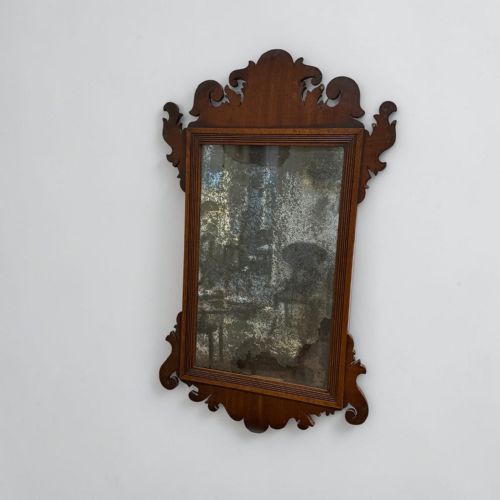
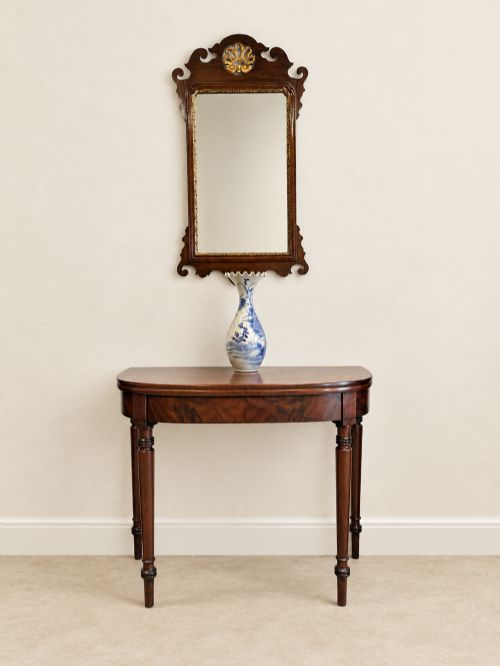
Makers utilised traditional hardwoods such as mahogany and walnut to form the structural foundations of these frames. Fretwork techniques allowed artisans to cut intricate patterns directly into the wood.
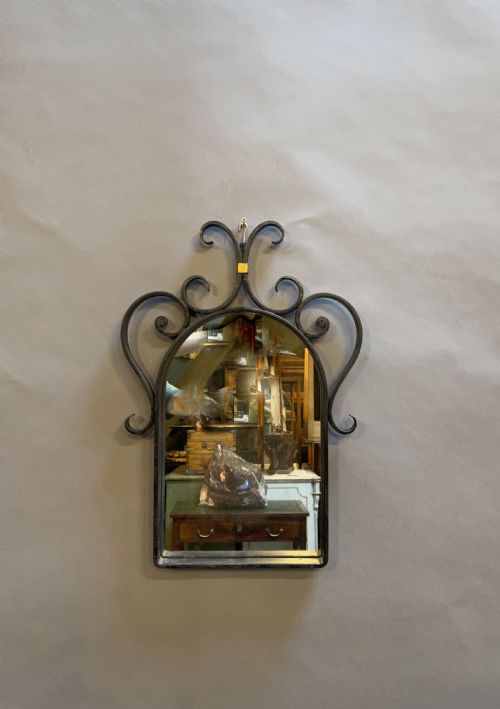
Giltwood and gesso surfaces received layers of gold leaf to achieve a brilliant metallic sheen. Brass components also appear, providing cast decorative crests and solid metal frames.
Carving was executed by hand, resulting in deep relief work and delicate scroll motifs. Glass plates were then fitted into the finished wooden or metal housings.
Factors of Quality
The depth and crispness of the hand carving distinguish finer examples from simpler production. Sharp relief work in the wood or gesso demonstrates a higher level of artisan skill.
The integrity of the gilding and the preservation of the original wood finish affect the overall character of the piece. High-quality items maintain coherent surface patination across the entire frame.
Proportion and balance in the scrollwork design determine the visual success of the mirror. Well-executed pieces show harmonious symmetry and careful attention to structural joinery.
The Vintage Scrollwork Mirror Glossary
- Giltwood
- Wood that has been coated with a thin layer of gold leaf. This finish creates a bright, reflective surface characteristic of formal period frames.
- Gesso
- A plaster-like mixture applied to wood frames to create a smooth surface for gilding. It allows for intricate moulded details beneath the gold leaf.
- Fretwork
- Ornamental woodwork executed by cutting patterns through the board. This technique produces lightweight yet elaborate borders for wall mirrors.
- Overmantel mirror
- A large mirror designed to hang specifically above a fireplace mantel. These pieces often feature wide proportions to span the width of the hearth.
- Rococo Revival
- A nineteenth-century style that emulates the asymmetrical curves and scroll motifs of the eighteenth-century Rococo movement.
Vintage Scrollwork Mirror: Frequently Asked Questions
How do I hang a heavy scrollwork mirror?
Heavy carved wood and gilt mirrors require secure wall fixings suited to the weight of the frame and glass. Professional installation into structural wall studs or masonry is recommended.
Ensure the hanging wire or integrated brackets are rated for the load to prevent any movement over time.
Are the mirror plates original?
Many period mirrors retain their original glass, which can exhibit light foxing, minor spots, or gentle silvering degradation. These natural signs of age confirm the historical character of the piece.
Replacement glass is occasionally fitted during conservation to restore clear reflection.
How should I clean a gilded frame?
Gilded surfaces require delicate dusting with a soft, dry brush to remove particles without disturbing the gold leaf. Avoid liquid cleaners and chemical solvents entirely.
Moisture can damage both gesso and underlying wood, so dry maintenance preserves the finish best.
What defines an overmantel mirror?
Overmantel mirrors are traditionally proportioned to sit above a fireplace mantelpiece. They frequently feature broader dimensions and sturdy construction designed to anchor a room's focal point.
These pieces also function effectively on large expanse walls in principal reception rooms.