

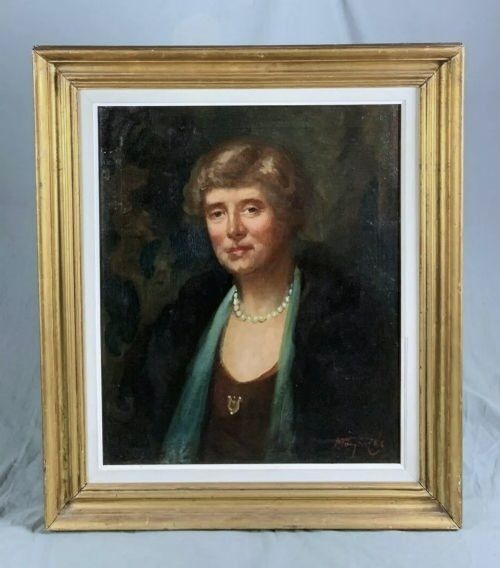


Vintage Scottish Oil Painting
A vintage scottish oil painting brings the dramatic weather, rugged glens and distinctive light of the north directly onto a wall.
Vintage Scottish Oil Painting
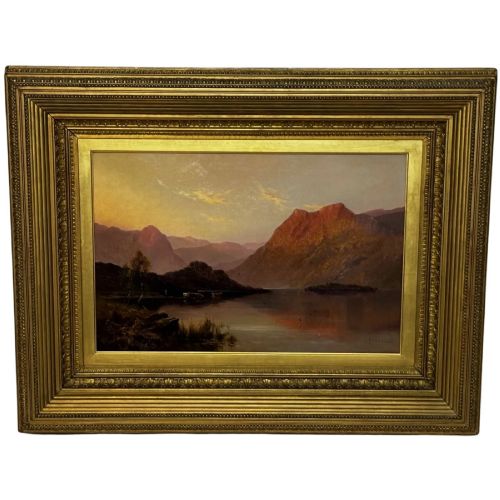
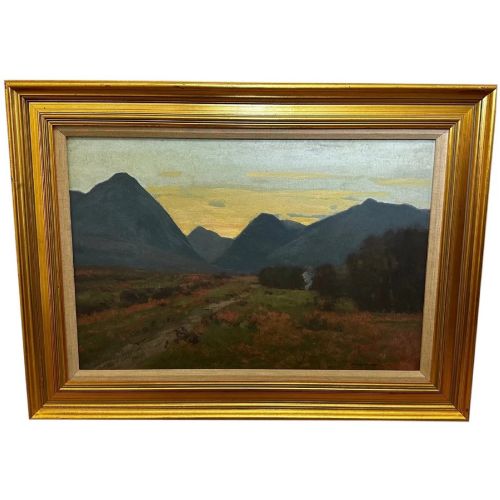
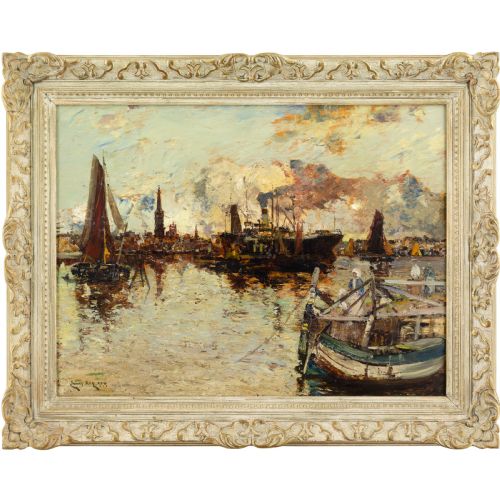
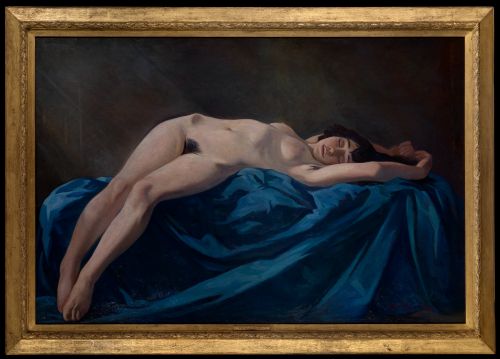
A vintage scottish oil painting captures landscapes, coastal scenes, portraits and still life studies created across various decades and centuries. Buyers searching this phrase encounter works ranging from 19th-century Victorian pastoral scenes to mid-century impressionist and modernist canvases.
The most common pieces met on this page span the late Victorian period through the mid-20th century, reflecting rural traditions, highland cattle, and loch views. Painters of the Scottish School and various impressionist movements dominate the available selection.
The physical formats vary from intimate wood panels to large-scale canvases enclosed in gilt or giltwood frames. Subjects stretch from peaceful highland pastures and mountain ranges to expressive abstracts and domestic portraits.
Materials and technique
Artists relied primarily on oil paint applied to canvas, wood panels or board. This medium allowed for rich textures, impasto brushwork, and deep colour layering suited to capturing shifting weather and atmospheric light.
Support materials shifted over time from sturdy wood panels in earlier Victorian works to woven canvas supports favoured by later impressionist and modern painters. Frames typically consist of carved wood enhanced with gilt finishes.
The inventory encompasses diverse movements including Scottish Impressionism, Post-Impressionism, Modern British, and Victorian realism.
Factors of quality
Quality rests upon the artist's handling of light, brushwork confidence and compositional balance rather than age alone. Skilled painters achieved depth and mood through deliberate impasto and precise tone rather than rigid detail.
The condition of the paint layer and the integrity of the canvas or wood panel dictate the physical standing of a work. Original framing matching the period also contributes to the coherence of a piece.
Tom Campbell·George Houston·James Kay·Archibald Kay·Henry Robinson Hall·Thomas Bromley Blacklock·William Grant Murray·John A. Houston·Donald McIntyre·John Douglas Perrett·Joseph Farquharson·William McCance·Alfred Henry Vickers·Robert Russell MacNee·Sir David Murray·Robert Gemmell Hutchinson·George Melvin Rennie·William Miller Frazer·James Torrington Bell·Andrew Kurtis·William B Dealtry·John Burns Robertson
The Vintage Scottish Oil Painting Glossary
- Impasto
- Paint applied thickly to a canvas or panel so that it stands proud of the surface. This technique allows brushstrokes to retain their three-dimensional form and catch the light.
- Giltwood
- Wood carved and covered with a thin layer of gold leaf or metallic gilt powder. Frames from the Victorian and Edwardian eras frequently utilised this finish.
- Wood Panel
- A rigid wooden board utilised as a primary support for oil painting before canvas became dominant. Panels offered a stable surface that endured across centuries.
- Scottish School
- A collective term for artists working in Scotland who shared regional influences and stylistic developments. Their output spans traditional realism through to early modernism.
- Provenance
- The documented history of ownership surrounding an artwork. Clear provenance assists in confirming the authenticity and background of a vintage piece.
Vintage Scottish Oil Painting: Frequently Asked Questions
What subjects appear in these paintings?
The subjects focus heavily on highland landscapes, lochs, coastal harbours, and domestic scenes with cattle or figures. Still life studies and portraits also feature among the selection.
Artists drew inspiration from the distinct geography and changing weather patterns found across Scotland, translating rural and maritime views into oil.
How do I date a vintage scottish oil painting?
Dating relies on stylistic clues, framing materials, signature styles, and recorded biographical dates of the artists involved. Victorian works often show tighter detail, while later pieces adopt looser impressionist or modern brushwork.
Examining the reverse of the canvas, stretcher frames, or any inscriptions left by the maker provides further chronological context.
How should I care for an oil painting?
Keep paintings away from direct sunlight, high humidity, and rapid temperature fluctuations to protect the canvas and oil pigments. Dust the surface gently with a soft, dry brush without applying pressure.
Avoid using water or chemical cleaning solutions on the paint layer or the surrounding gilt frame to prevent permanent damage.
Are these paintings supplied with frames?
Many pieces retain their original or period-appropriate gilt and wood frames, which complement the era of the artwork. Frame styles range from ornate Victorian moulded designs to simpler wooden profiles.
Product listings specify whether a particular painting includes its frame in the sale.