


Vintage Scent Bottle Silver
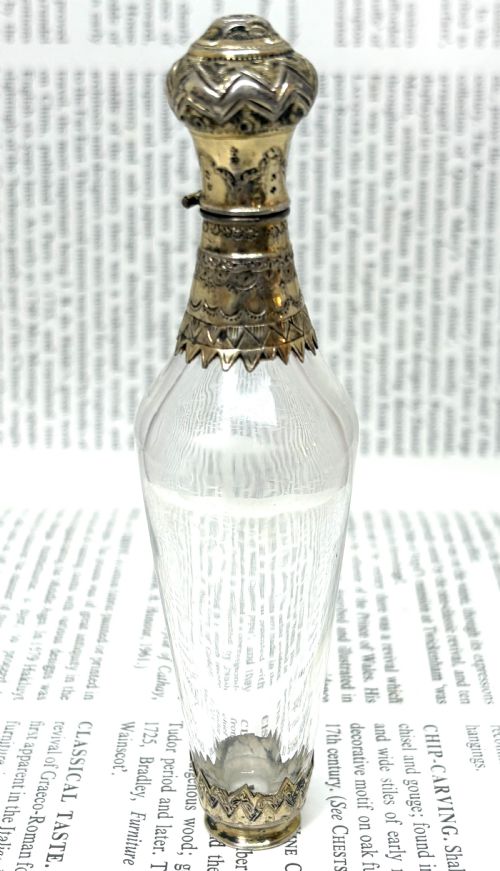
These vintage scent bottle silver pieces combine precious metal mounts with decorative glass, offering a tangible link to historical vanity habits.
Vintage Scent Bottle Silver
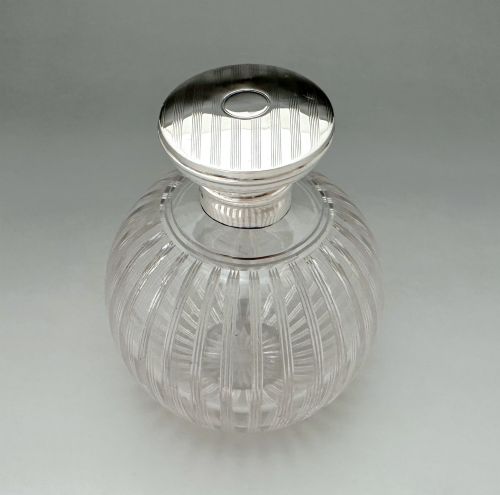
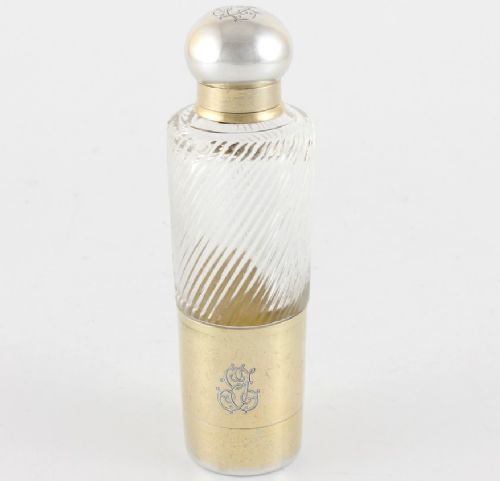
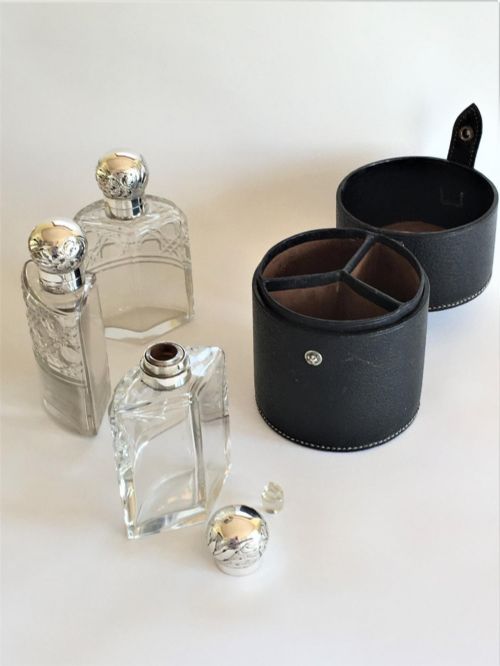
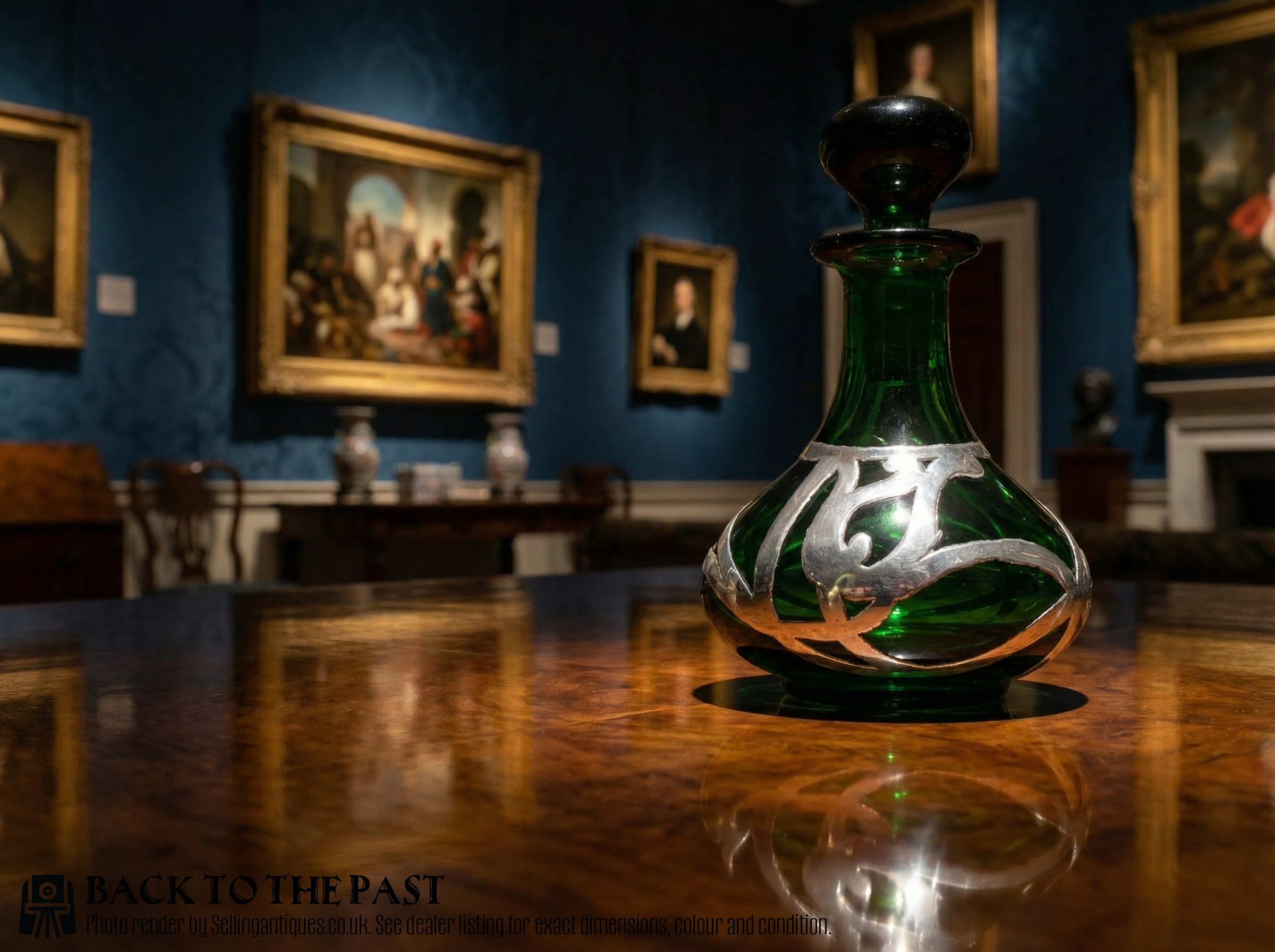
A vintage scent bottle silver search reveals small, portable vessels designed for holding personal fragrance, predominantly combining precious metal mounts with glass, crystal, or opaline bodies. These containers served the daily grooming needs of past decades, frequently appearing alongside matching vanity items or housed in fitted leather travel cases.
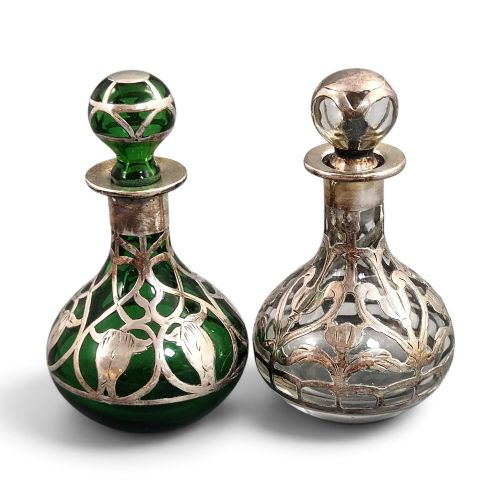
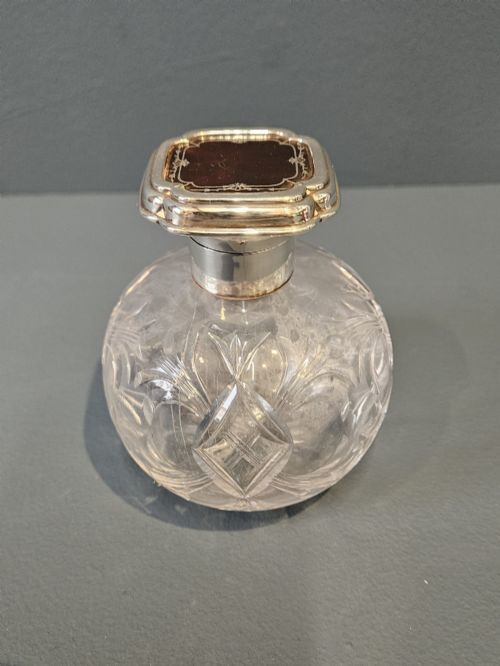
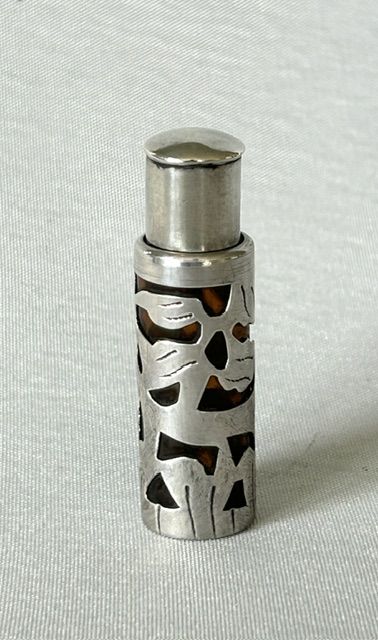
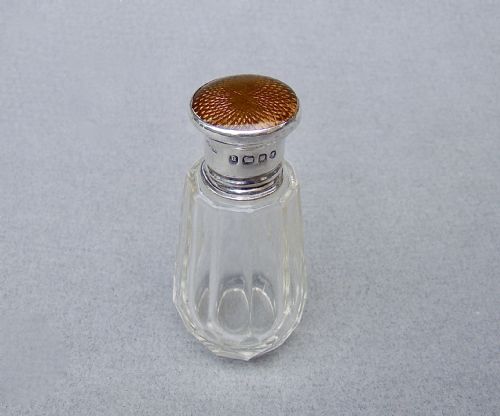
The versions most commonly met on this page date from the Edwardian and Art Deco eras, alongside Victorian examples and occasional continental imports. Buyers encounter everything from simple cut glass flasks with sterling silver screw caps to elaborate pieces overlaid with intricate metalwork or finished with coloured enamel.
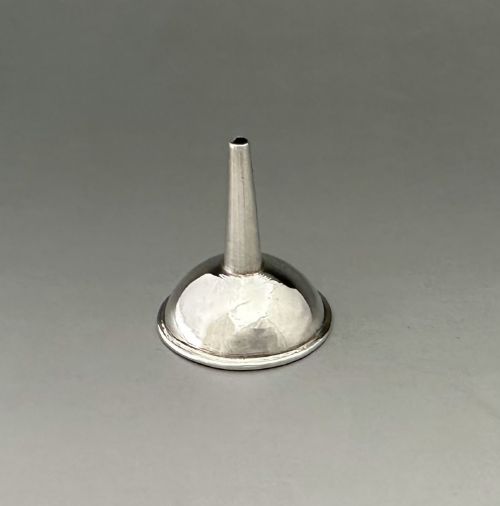
Beyond standard single bottles, the selection incorporates travel trios, atomisers, and related accessories such as perfume funnels. These objects reflect the changing manufacturing methods and aesthetic tastes spanning from the nineteenth century through the mid-twentieth century.
Materials and Construction Techniques
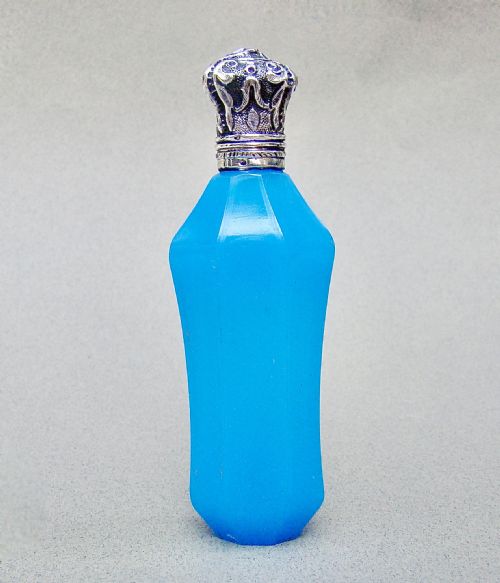
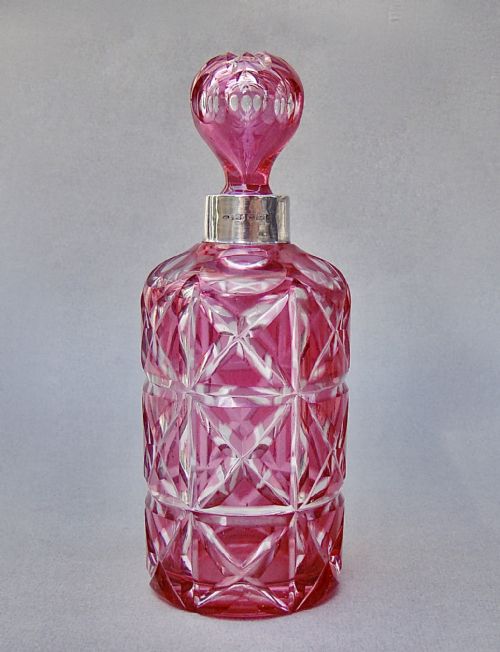
Makers combined sterling silver or silver gilt with various forms of glass, utilising cut crystal, opaline glass, and coloured glass bodies to create contrast against the metal mounts. Silversmiths formed collars, lids, and hinged caps using traditional pressing, casting, and hallmarking techniques.
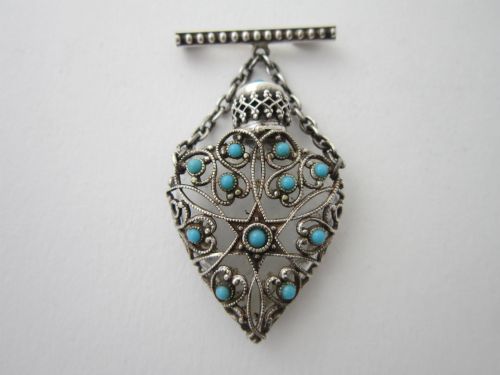
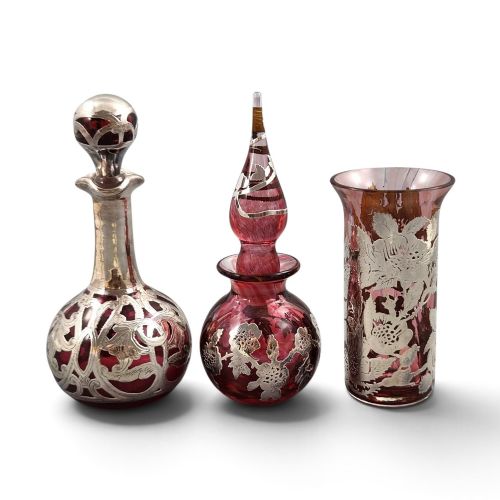
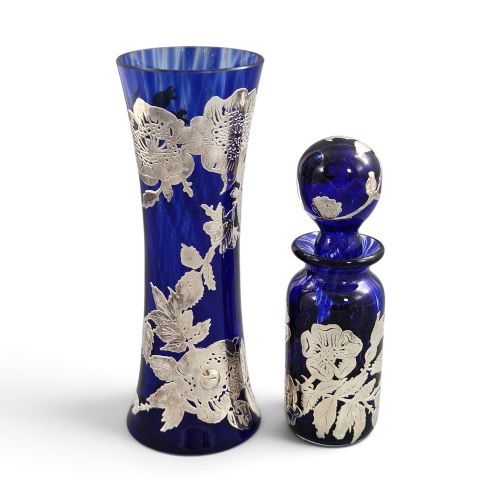
Decorative embellishments often involved applied sterling silver overlay, translucent guilloche enamel over engine-turned metal, or inset panels of polished tortoiseshell. Glass bodies were frequently mould-blown or hand-cut into multifaceted geometric and floral shapes to catch the light.
Listings feature periods spanning from the early nineteenth century through the Art Deco era, incorporating sterling silver, cut glass, tortoiseshell, and enamel.
Distinctions in Quality
Quality rests upon the crispness of the glass cutting and the weight of the silver mount, where thicker gauge metal resists denting and holds hinges securely. Superior pieces display precise integration between the collar and the glass rim, ensuring a tight seal for the stopper or cap.
Artistic execution dictates the upper tier of these objects, particularly in the fine detail of hand-applied enamel or continuous silver overlay work. Maker attribution to known silversmiths or established firms also separates standard utility pieces from exceptional decorative examples.
Tonnel Paris·Gorham·Laugharne Glass·Harold Bushell and Co·Henry Perkins·Karl Palda·G H James and Co·Barnsley and Co·Adie Brothers Ltd·Mappin and Webb·Asprey
The Vintage Scent Bottle Silver Glossary
- Sterling silver
- A silver alloy containing 92.5 percent pure silver and 7.5 percent other metals, usually copper, to increase durability. This standard metal forms the protective mounts and lids found on the majority of these bottles.
- Guilloche enamel
- A decorative technique where translucent enamel is layered over metal engraved with an intricate repetitive pattern. This finish appears frequently on the caps of Art Deco and Edwardian examples.
- Opaline glass
- An opaque or translucent glass type developed in nineteenth-century France, known for its milky pastel colours. It provides a dense, solid backdrop for silver collars.
- Silver overlay
- A process where thin sterling silver is bonded directly onto a glass or ceramic body in decorative patterns. This technique creates a tactile relief effect across the surface of the bottle.
- Old Sheffield plate
- An early composite material made by fusing a thin sheet of silver to a thicker copper base before shaping. Items utilising this method pre-date modern electroplating.
Vintage Scent Bottle Silver: Frequently Asked Questions
How were antique perfume bottles used?
These vessels held liquid fragrances or cologne for personal grooming, often tucked into handbags or displayed on dressing tables. Stoppers and inner glass dabs allowed the wearer to apply small amounts of scent directly to the skin.
Travellers utilised cased sets of multiple bottles to carry different scents on extended journeys. The secure silver caps prevented leakage while navigating horse-drawn carriages or early trains.
How do I identify the date of a silver scent bottle?
British pieces carry hallmarks stamped directly into the silver mount, including date letters, maker's marks, and assay office symbols. Consulting standard hallmarking reference books links these stamps to specific years of production.
Stylistic indicators also help establish age, such as the geometric lines of Art Deco pieces or the flowing organic motifs typical of Art Nouveau design. Glass colours and manufacturing techniques further narrow down the likely period of origin.
Are sterling silver mounts marked clearly?
Most British silver mounts feature a series of tiny stamped marks near the rim or hinge, indicating the standard of silver, the maker, and the year. Continental items may use alternative numerical marks or different national control stamps.
Unmarked metal mounts sometimes appear on older or foreign pieces, requiring visual inspection of the material properties. The absence of a hallmark does not preclude high craftsmanship, but hallmarks provide definitive historical context.
How should I display vintage scent bottles?
Displaying these items on mirrored trays or glass shelves reflects light through the cut crystal and coloured glass bodies. Grouping them by period or material creates a cohesive decorative arrangement on vanity tables.
Direct, prolonged sunlight should be avoided to protect sensitive materials like enamel and tortoiseshell from fading. Handling requires care around hinged lids and delicate glass stoppers to prevent accidental damage.