

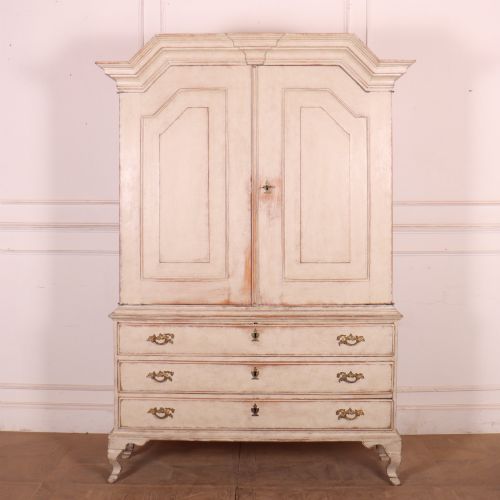

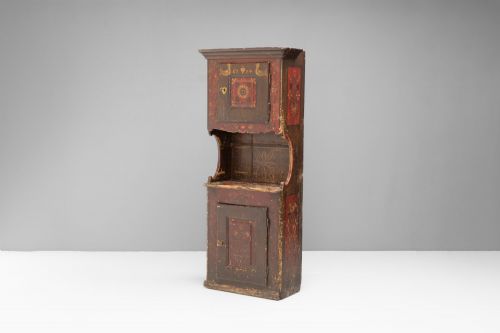

Vintage Scandinavian Cabinet
A vintage scandinavian cabinet brings functional storage and historic Nordic design to a room, offering everything from painted pine cupboards to satin birch Art Deco sideboards.
Vintage Scandinavian Cabinet
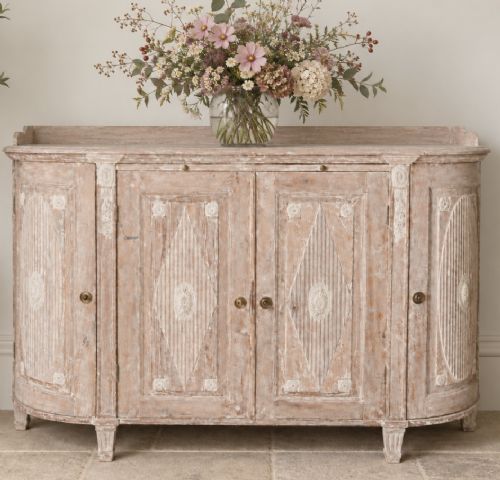
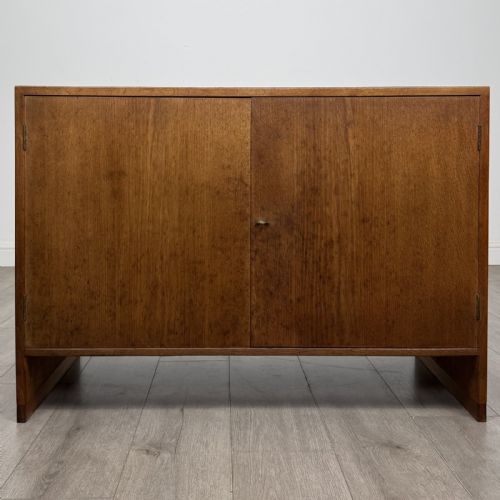
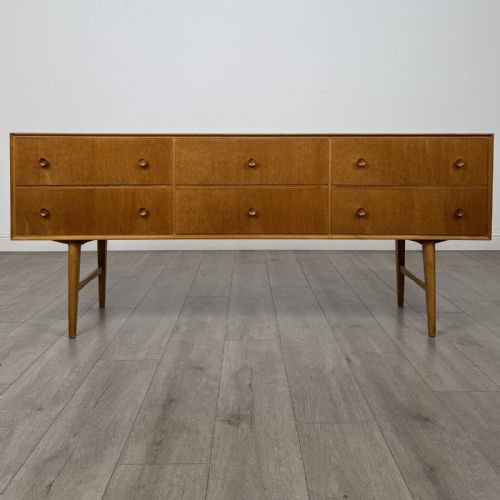
A vintage scandinavian cabinet encompasses a wide array of storage forms, including cupboards, sideboards, bedside tables, and bookcase cabinets originating from Sweden, Denmark, Norway, and the wider Baltic region. Buyers exploring this category encounter functional pieces ranging from rustic painted pine cupboards of the eighteenth and nineteenth centuries to polished walnut and burr birch creations of the twentieth century.
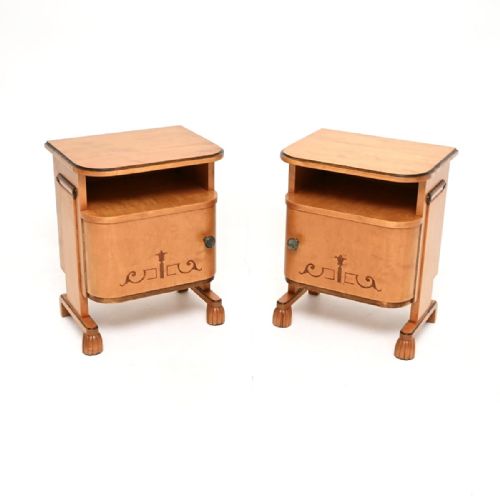
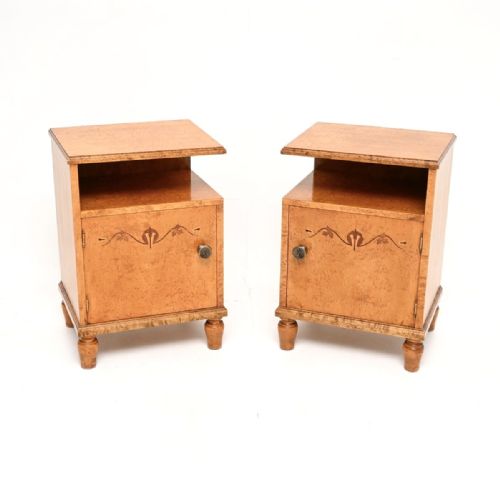
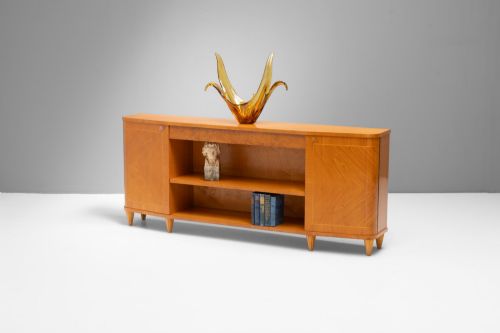
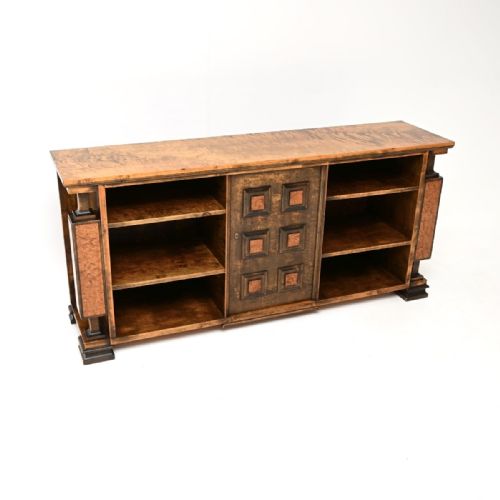
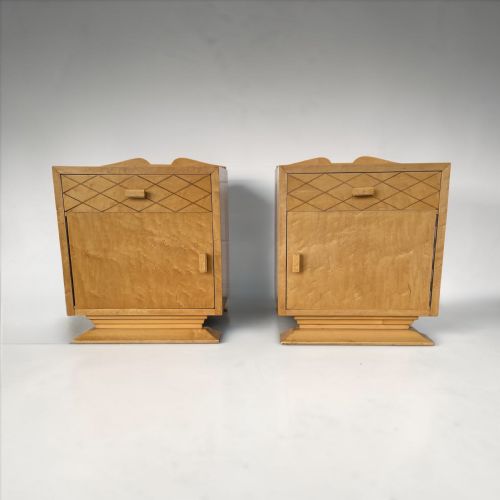
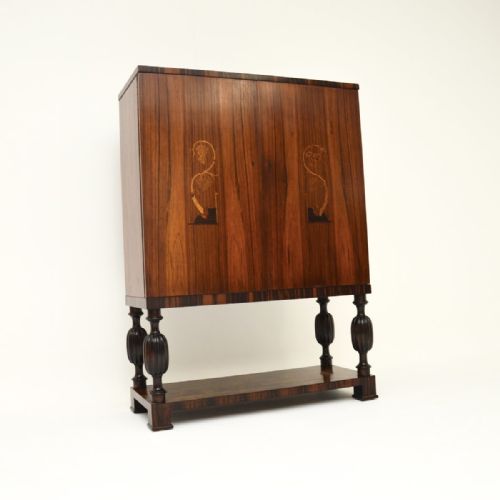
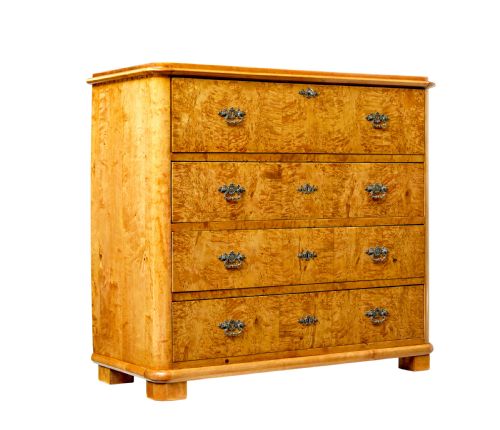
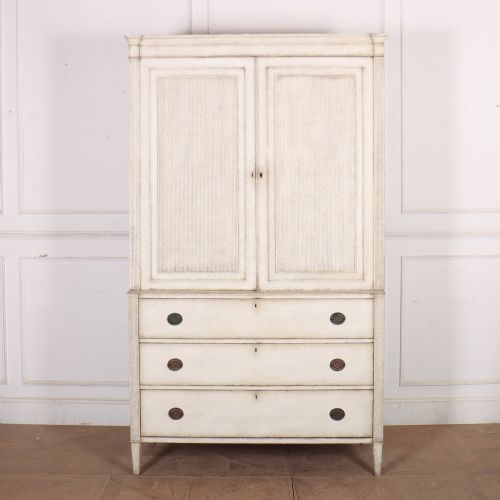
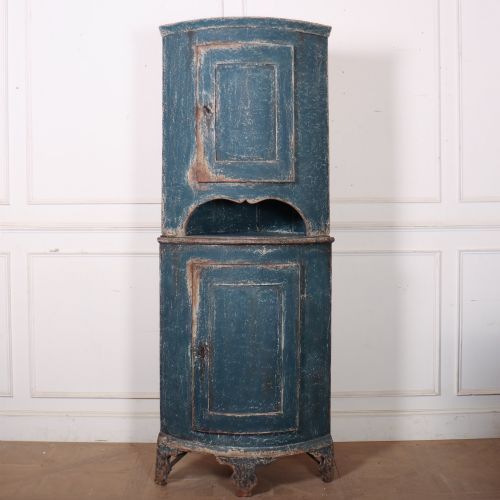
The selection on this page leans heavily towards nineteenth-century painted pine furniture and 1930s Swedish Art Deco designs in satin birch, elm, and oak. Forms vary from simple wall-hung cupboards and corner units to large linen presses, secretaire chests, and metamorphic cocktail bars.
Origins stretch across specific regional traditions, with Gustavian kitchen cabinets and Swedish country pieces appearing alongside Danish glazed corner units and elaborate bureau bookcases. Each form reflects the domestic storage needs of its period, combining practical shelving and drawers with distinct Nordic aesthetics.
How they were made
Makers utilised native and imported timbers, pairing robust structural woods like pine and oak with decorative veneers such as satin birch, burr elm, walnut, and rosewood. Solid construction methods supported utilitarian kitchen cupboards, whilst finer display pieces and sideboards received carefully matched grain patterns.
Surface decoration divides into natural wood finishes and layered paintwork, where nineteenth-century pine pieces often display ragwork or traditional painted schemes. Iron and brass hardware, from simple hinges to specialist cocktail cabinet fittings, complete the assembly.
Vintage Scandinavian Cabinet Retail Price Guide 2026
Typical asking prices for vintage scandinavian cabinet among the pieces listed under this phrase on Sellingantiques today, from the lower quarter to the upper quarter. They describe what is for sale here now, not the wider market.
Listings span pine, oak, satin birch, and elm, representing periods from the eighteenth century through to mid-century modern design.
What varies in quality
Quality rests on the selection of timber veneers and the crispness of construction, separating standard utilitarian pine storage from sophisticated Swedish Art Deco or Gustavian joinery. Grain alignment in satin birch and burr elm pieces indicates the maker's skill and ambition.
The integrity of original painted surfaces and traditional hardware dictates desirability, as untouched nineteenth-century ragwork or period brass fittings elevate a simple pine cupboard. Structural balance and proportion between cornices, doors, and plinths define the success of larger bookcase and sideboard forms.
Reno Wahl Iversen·Dyrlund·Oscar Nilsson Nordiska Kompaniet·Sandberg & Co
The Vintage Scandinavian Cabinet Glossary
- Gustavian
- The Swedish neoclassical style spanning the late eighteenth and early nineteenth centuries, known for restrained symmetry and pale painted finishes. It draws inspiration from French Louis XVI design interpreted through a Nordic lens.
- Satin Birch
- A pale, lustrous timber native to northern Europe, frequently utilised in twentieth-century Swedish furniture for its reflective golden grain. It forms the primary surface for many Art Deco sideboards and bedside cabinets.
- Ragwork
- A decorative painting technique where cloths or rags are applied to wet paint to create textured, mottled patterns on nineteenth-century pine furniture. This finish appears frequently on regional Scandinavian country cupboards.
- Secretaire
- A cabinet or chest incorporating a pull-down writing flap that conceals small drawers and pigeonholes. It merges workspace with domestic storage.
Vintage Scandinavian Cabinet: Frequently Asked Questions
How do I date a painted Scandinavian cupboard?
Dating relies on construction joints, hardware, and the character of the paint layers. Earlier eighteenth and nineteenth-century pieces often utilise hand-planed timbers and forged iron hinges beneath successive coats of traditional paint.
Later twentieth-century iterations adopt different proportions and machine-cut elements. Examining the interior construction and timber shrinkage offers further clues to the manufacturing era.
What is the difference between Gustavian and Art Deco styles?
Gustavian pieces originate from the neoclassical period, featuring symmetrical lines, fluted columns, and pale, muted paintwork. They offer a restrained, classical aesthetic suited to traditional interiors.
Art Deco designs from the 1930s embrace geometric forms, rich veneers like satin birch and walnut, and polished surfaces. These twentieth-century pieces focus on striking grain patterns rather than classical ornamentation.
Where were these cabinets placed in a home?
Kitchen cabinets and dressers served utilitarian food and crockery storage in domestic farmhouses and town houses. Linen cupboards and wardrobes were housed in bedrooms for textile preservation.
Smaller items like corner cupboards and wall cabinets maximised tight spaces in living areas and hallways. Sideboards and cocktail units functioned primarily in dining rooms and parlours for entertaining.
How do I care for a satin birch surface?
Satin birch veneer requires protection from direct sunlight and excessive moisture to prevent fading and veneer lifting. Regular dusting with a soft, dry cloth preserves the natural lustre of the wood.
Applying occasional microcrystalline wax helps nourish the timber without building up heavy residues. Avoid harsh chemical cleaners that can strip historical finishes.