



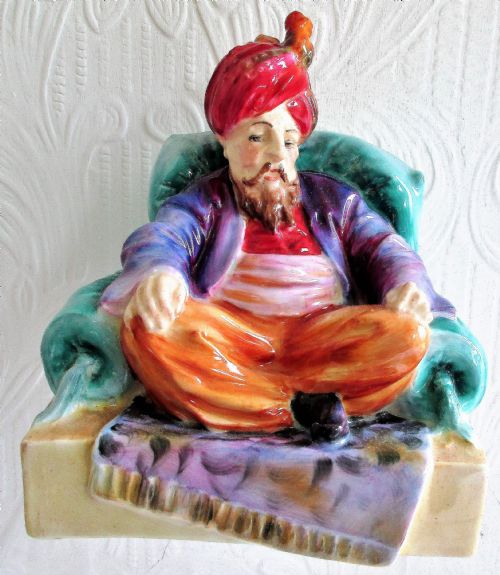
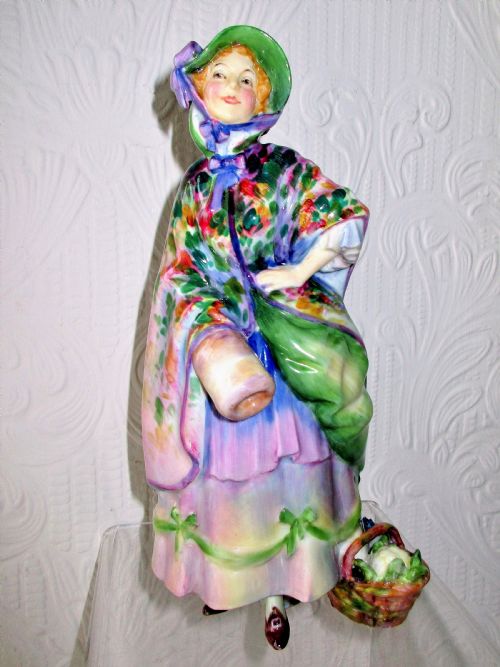
Vintage Royal Figurine
A vintage royal figurine brings sculptural presence to a room, capturing historical dress and character through fine ceramics.
Vintage Royal Figurine
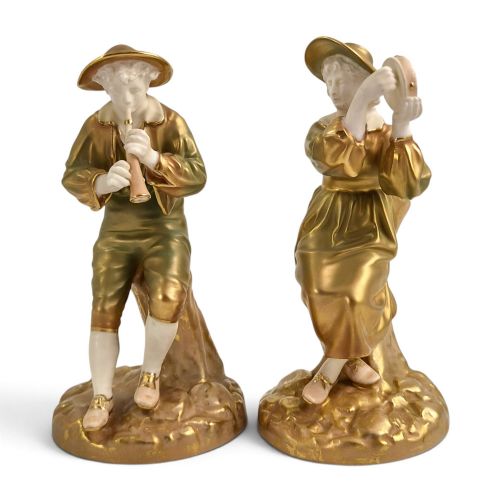
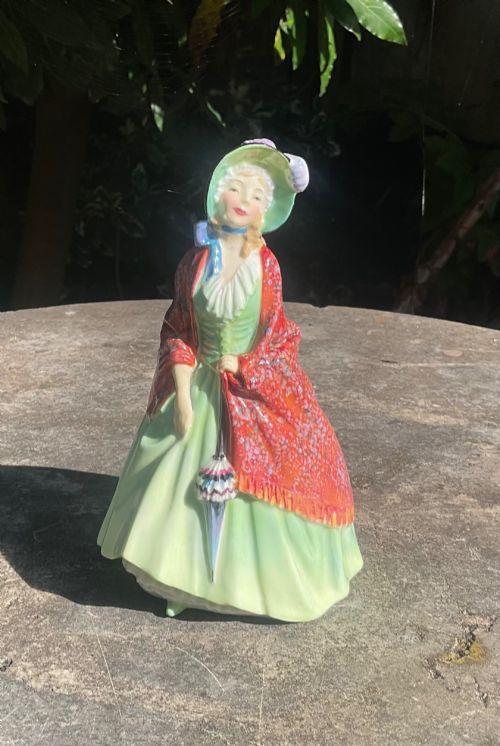
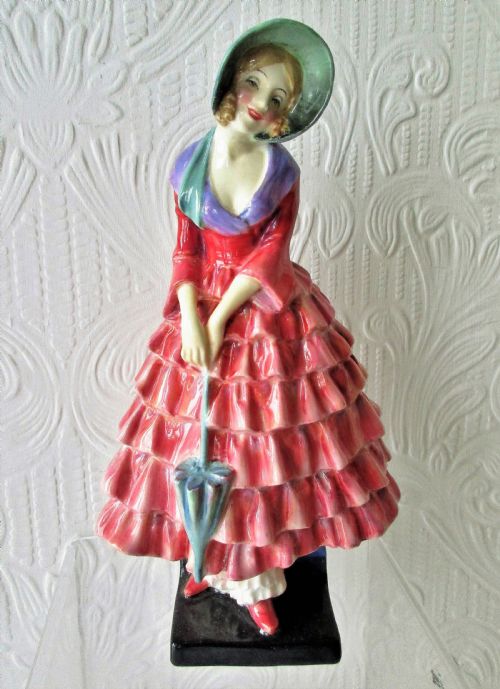
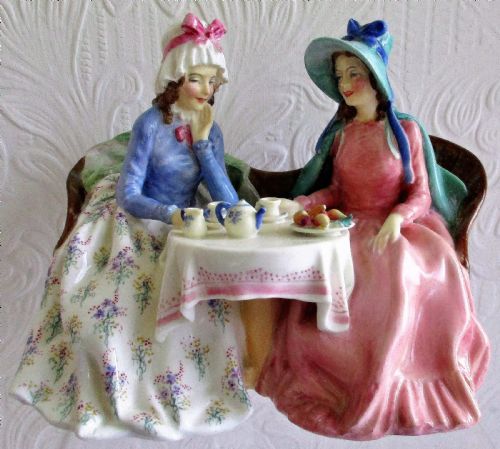
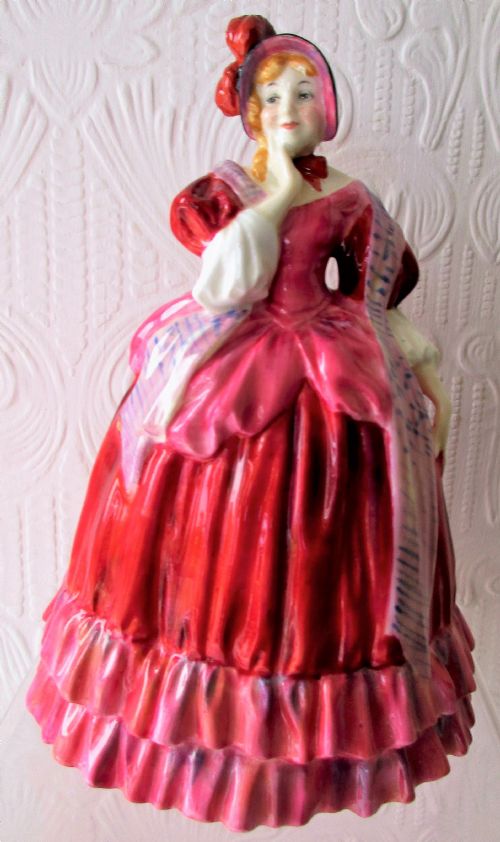
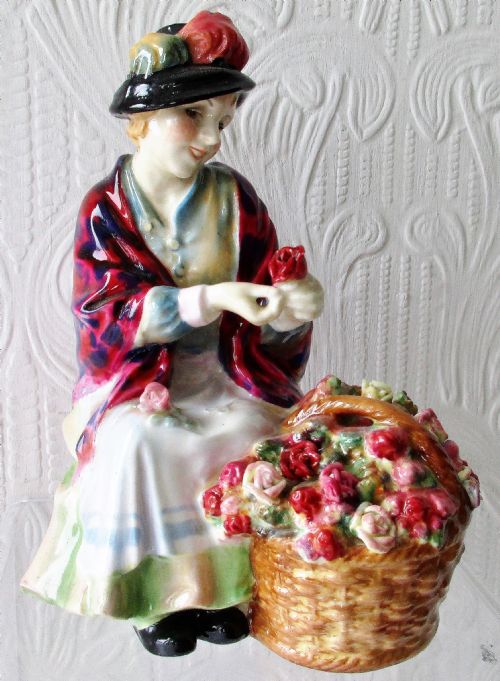
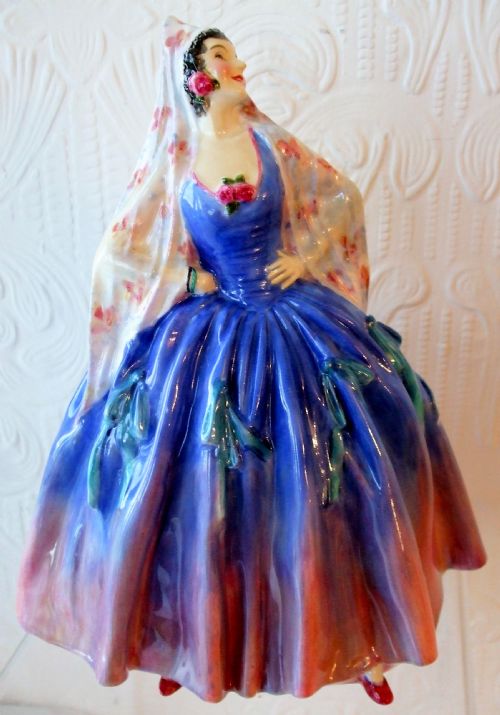
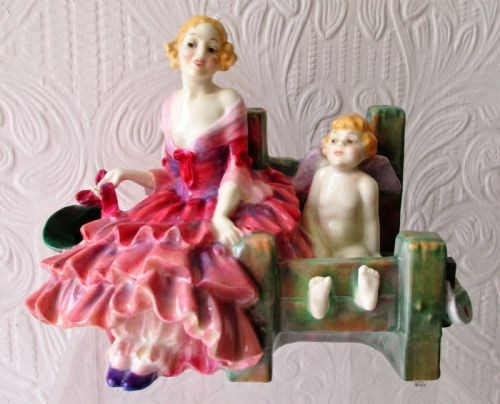
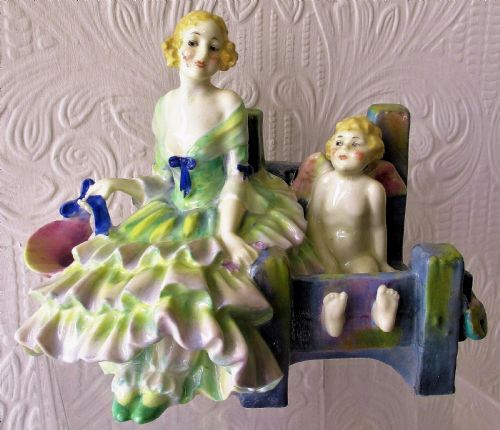
A vintage royal figurine encompasses modelled ceramic sculptures produced by prominent European factories, most frequently taking the form of named literary characters, historical figures or regional costume studies. The selection draws heavily upon early twentieth century English porcelain and Continental figures, spanning eras from the Victorian period through the nineteen-forties.
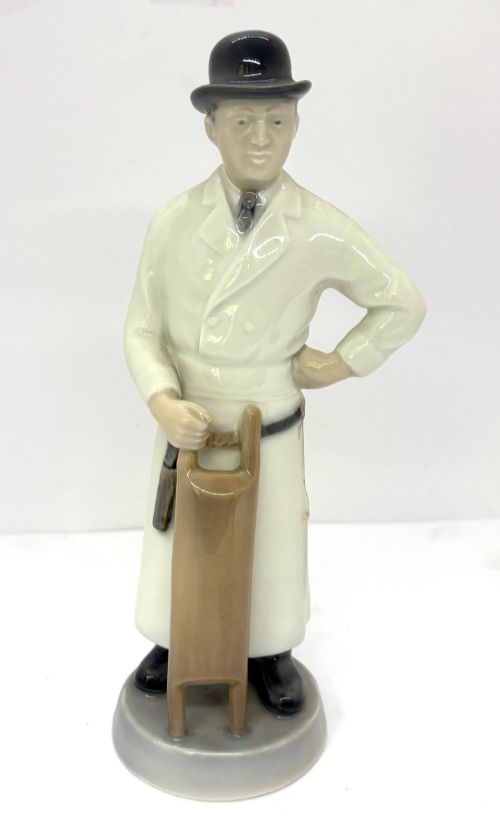
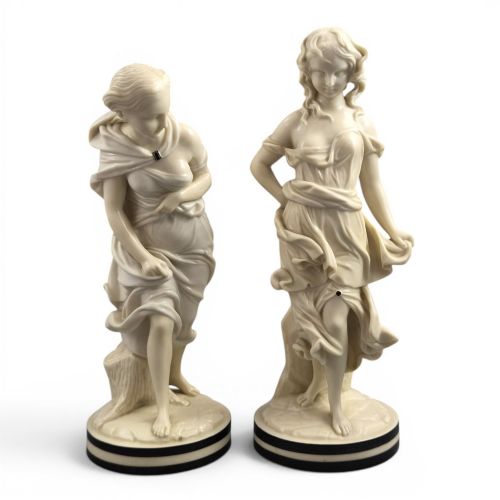
Collectors encounter diverse subjects ranging from Edwardian graceful maidens and Art Deco nudes to detailed depictions of market vendors and mythical subjects. These objects function primarily as decorative cabinet pieces or chimney ornaments, reflecting the prevailing aesthetic movements of their respective decades.
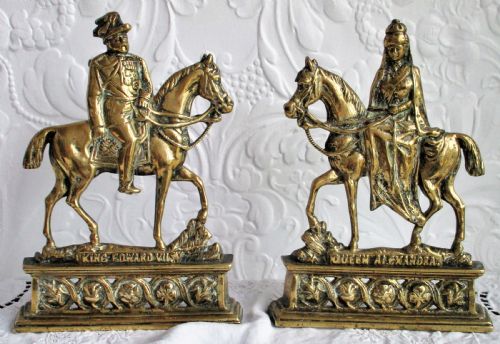
The category extends beyond single characters to include paired groups, jardinières and candle snuffers, reflecting the broad output of notable porcelain works. English porcelain figures predominate alongside Bohemian and Scandinavian manufactories, offering a comprehensive overview of European ceramic modelling.
How they were made
The creation of these figures relies upon high-fired porcelain and bone china, shaped through skilled moulding techniques and finished with hand-applied glazes. Artisans utilised enamel paints and gilt highlights to accentuate the intricate details of drapery, facial expressions and decorative accessories.
Many works incorporate gold leaf and enamel over a lustrous glaze, requiring multiple firings in the kiln to set the colours permanently. Model creators and painters applied distinct factory marks and model numbers directly to the ceramic paste before final glazing.
Vintage Royal Figurine Retail Price Guide 2026
Typical asking prices for vintage royal figurine among the pieces listed under this phrase on Sellingantiques today, from the lower quarter to the upper quarter. They describe what is for sale here now, not the wider market.
Gentle ceramic animals, including observant setters and clumsy kittens, keep permanent watch over empty mantelpieces.
What varies in quality
The reputation of the modeller and the specific factory standard heavily influence the standing of an individual piece. Early year versions and signed modeller editions generally display superior definition in the cast compared to later commercial runs.
Royal Doulton·Royal Dux Bohemia·Royal Worcester·Royal Copenhagen·Royal Capodimonte Factory·Eichwald
The Vintage Royal Figurine Glossary
- Bone china
- A type of soft-paste porcelain containing bone ash, known for its high strength, chip resistance and milky translucency.
- Chimney ornament
- A decorative ceramic or brass figure designed to be displayed on the mantelpiece above a fireplace.
- Enamel
- Opaque or transparent glass-like substance fused to the surface of porcelain through firing to provide colour.
- Gilt
- A thin layer of gold applied to the ceramic surface as leaf or liquid paint for decorative emphasis.
- Jardiniere
- An ornamental ceramic pot or stand designed to hold plants or flowers, often modelled with figurative elements.
Vintage Royal Figurine: Frequently Asked Questions
How do I identify the date of a porcelain figure?
Dating relies upon factory backstamps, impressed model numbers and registration marks stamped into the ceramic base during production.
Comparison with documented release years and known modeller signatures helps narrow the manufacturing period.
Where were most of these figures manufactured?
The majority originate from established European ceramic centres, notably English potteries and Bohemian porcelain works.
Continental factories such as Dux produced large-scale decorative groups, while English firms focused on character-driven porcelain.
How should I clean my antique ceramic figures?
Dusting gently with a soft, dry brush remains the safest method for routine maintenance of delicate porcelain surfaces.
Harsh chemical cleaners and immersion in water should be avoided to protect hand-painted enamels and gilt details.
What does an HN number mean on Doulton pieces?
The letters HN refer to Harry Nixon, an early art director at the factory, preceding a specific registration number.
This numbering system provides a chronological sequence for identifying the exact design and production era.