

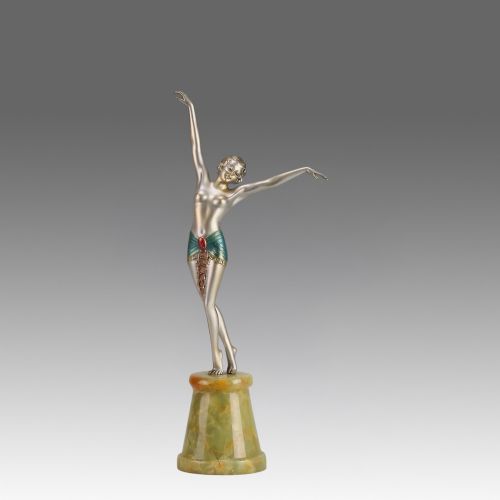


Painted Metal Statuette
A painted metal statuette brings the vigour of early twentieth-century workshops straight to your mantelpiece through lasting bronze and spelter forms.
Painted Metal Statuette
A painted metal statuette brings home the compact scale of nineteenth and twentieth-century animalier and figural sculpture. When you search for a painted metal statuette, you encounter diverse subjects ranging from exotic dancers and historical figures to golden pheasants, antelopes, lions, rhinoceroses, and pugs.
The selections available here lean heavily into Austrian animalier productions and Art Deco decorative figurines. Many of these figures double as functional items, appearing as inkwells or table lighters alongside pure sculptures.
Most examples hail from the early twentieth century, spanning decades from eighteen-sixty up through nineteen-forty. They capture the spirit of Austrian or Vienna bronze workshops as well as Imperial Russian commissions.
How they were made
Foundries cast these figures primarily in bronze or spelter before applying rich layers of paint by hand. Cold-painted bronze techniques allowed artisans to add colour directly to the metal without high-temperature firing, capturing fine details on birds and mammals alike.
Certain heavier pieces incorporate secondary materials like onyx for the bases or wood to mount the sculptures securely. Enamel accents occasionally enhance the decorative surfaces of these miniature works.
Painted Metal Statuette Retail Price Guide 2026
Typical asking prices for painted metal statuette among the pieces listed under this phrase on Sellingantiques today, from the lower quarter to the upper quarter. They describe what is for sale here now, not the wider market.
Listings feature periods from nineteen-hundred, nineteen-ten, nineteen-twenty, nineteen-thirty, and nineteen-forty alongside nineteenth-century works.
What varies in quality
The distinction between a standard workshop output and a masterwork lies entirely in the fineness of the chasing and the preservation of the polychrome surface. Superior pieces retain their original applied colours with crisp brushwork that defines feathers, fur, and facial expressions.
Base integration also signals quality, particularly where cold-painted bronze meets carved onyx or fitted inkwell mechanisms. The precision of the casting determines whether the animal form possesses true anatomical presence.
Josef Lorenzl·Fabergé·Franz Bergman
The Painted Metal Statuette Glossary
- Cold-Painted Bronze
- A method where bronze figures receive polychrome paint finishes without undergoing kiln firing. This technique produces vibrant surface details that require careful handling over time.
- Spelter
- A zinc alloy commonly utilised as a cost-effective alternative to bronze in nineteenth-century figures. It accepts patination and paint well, though it remains softer than bronze.
- Animalier
- A nineteenth-century artistic focus on the realistic portrayal of animals. Statuettes in this style capture creatures in natural, dynamic poses.
- Vienna Bronze
- Small, highly detailed bronze sculptures produced in Austrian foundries during the late nineteenth and early twentieth centuries. They are famous for whimsical or naturalistic animal subjects.
- Inkwell
- A small desk accessory designed to hold liquid ink, frequently incorporated into figural bronze and spelter sculptures. These pieces combine utility with cabinet-scale art.
Painted Metal Statuette: Frequently Asked Questions
What is the difference between bronze and spelter?
Bronze is a durable copper alloy that accepts fine chisel work and holds crisp details across centuries. Spelter is a softer, zinc-based metal that was frequently utilised as an accessible alternative for Victorian decorative objects.
Underneath the paint, spelter feels lighter and more brittle than solid bronze. You can often identify spelter by its duller resonance when tapped lightly and its tendency to show grey metal beneath worn paint.
Were these statuettes meant to be functional?
Many figures served practical roles on nineteenth and twentieth-century desks and smoking tables. Artisans cleverly integrated inkwells, table lighters, and pen holders into the sculptural designs of animals and historical characters.
Other examples were strictly decorative, intended for display on mantelpieces or within cabinet collections. Both functional and decorative versions share the same meticulous hand-painted detailing.
How can I tell an Austrian bronze from other regions?
Austrian and Vienna bronzes typically display exceptional realism combined with a distinctively rich palette of cold-painted enamels. Their subjects frequently highlight exotic wildlife, birds, and Orientalist figures created around nineteen-hundred.
Look for small foundry stamps or characteristic casting weights that distinguish these Viennese workshops from later or domestic British productions. The sheer expressiveness of the animal subjects often gives away their origin.