




Vintage Round Gold Mirror
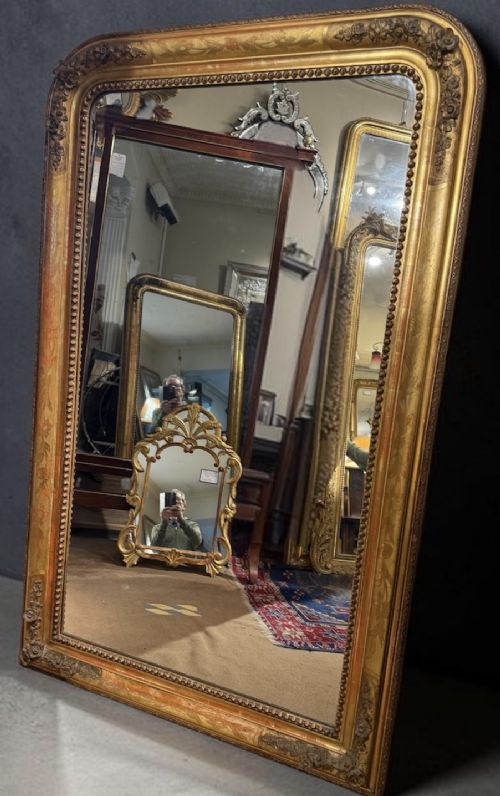
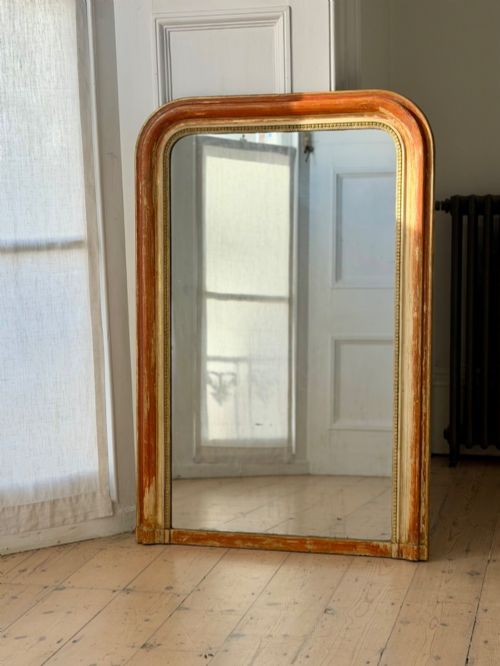
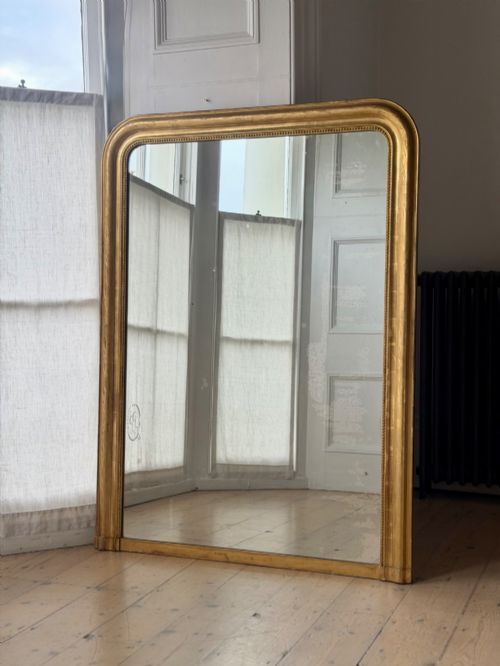
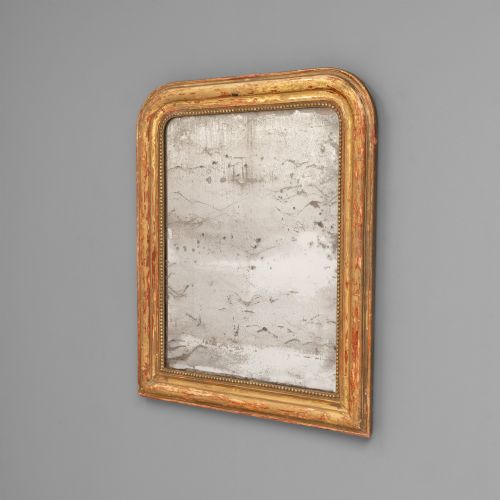
A vintage round gold mirror brings instant light and depth to a room, framing reflections in historic giltwood and brass.
Vintage Round Gold Mirror
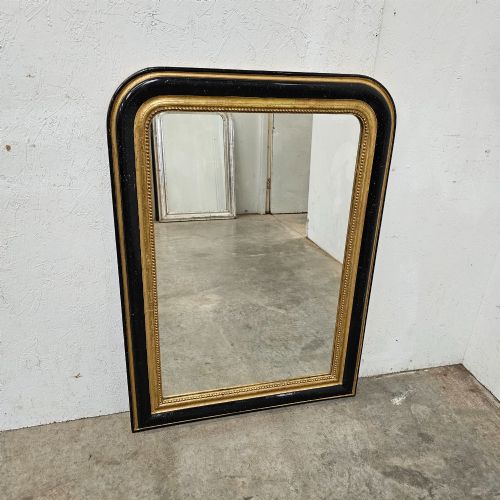
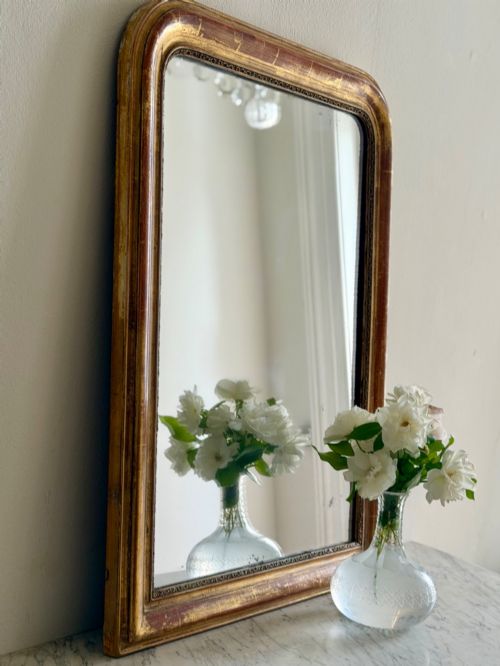
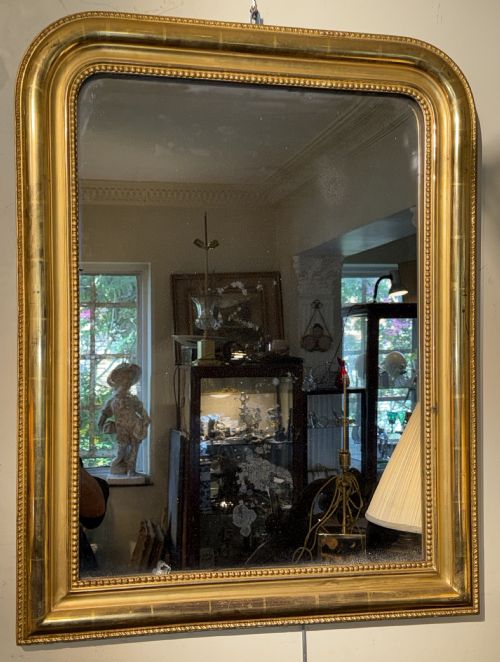
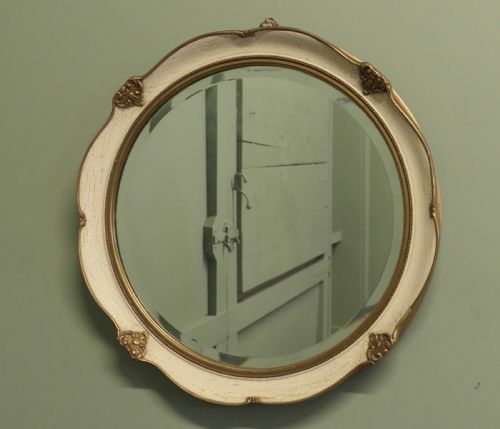
When you search for a vintage round gold mirror, you encounter circular wall plates enclosed in gilded frames that date from the Regency period through to the mid-twentieth century. These items span multiple design movements, featuring prominently in nineteenth-century convex formats and twentieth-century French styles.
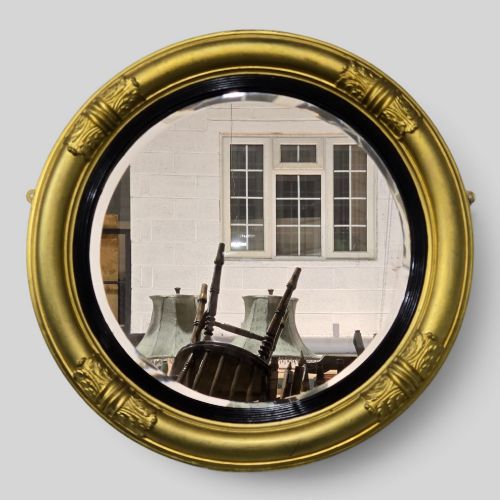
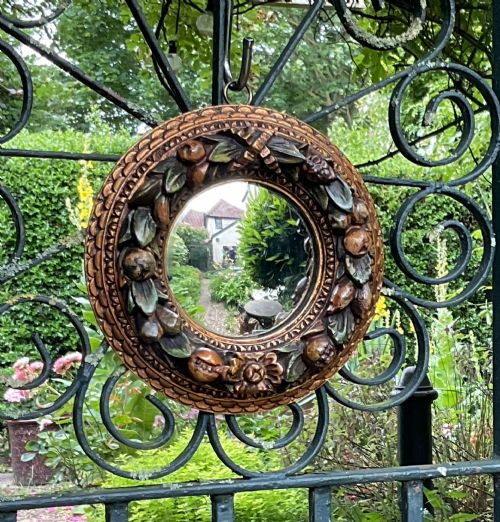
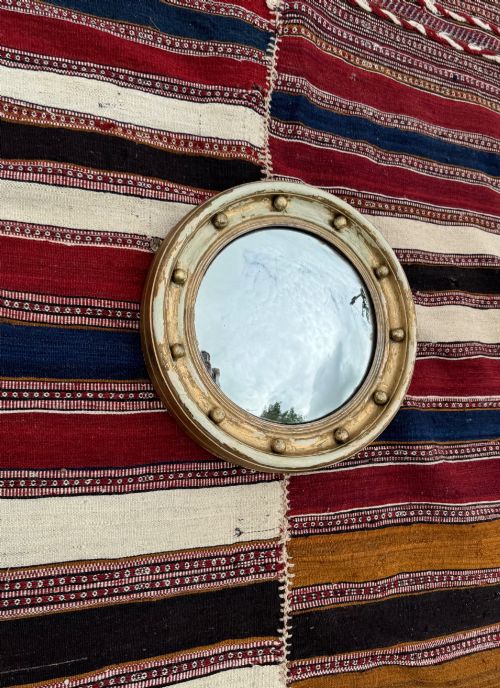
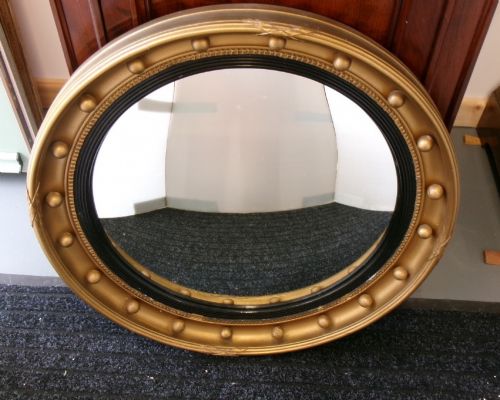
The selections available here range from small carved convex frames to grand circular wall mirrors and overmantel pieces. You will find that convex mirrors, often known as porthole or bullseye mirrors, form a substantial part of the round items presented.
Origins stretch across English workshops and French ateliers, encompassing both simple mouldings and ornate schemes with eagle crests. Each piece reflects the interior trends of its era, combining functional glass with decorative metallic finishes.
Materials and construction methods
Craftsmen built these frames using woods such as gessoed pine, ebonised wood, and solid giltwood, applying layers of gold leaf or gilt finish to the carved surfaces. The application of gesso provided a smooth base for intricate mouldings and relief details before gilding took place.
Glass production involved curved convex plates for specific circular formats alongside flat mirror plates for Louis Philippe and Victorian wall mirrors. Brass components also appear in cast frames, offering a different metallic texture compared to traditional gilded wood.
Vintage Round Gold Mirror Retail Price Guide 2026
Typical asking prices for vintage round gold mirror among the pieces listed under this phrase on Sellingantiques today, from the lower quarter to the upper quarter. They describe what is for sale here now, not the wider market.
Distinctions in quality and execution
Quality rests in the crispness of the carved details on the giltwood frame and the preservation of the original gold leaf surface. Superior examples display deep relief work and harmonious proportions, whereas simpler pieces rely on straightforward moulded profiles.
The condition of the mirrored glass itself dictates much of the character, with original silvering showing age through soft patination. Heavier construction and robust backboards further separate substantial overmantel and grand scale mirrors from lighter decorative items.
The Vintage Round Gold Mirror Glossary
- Convex mirror
- A circular mirror featuring a bulging, curved glass plate that reflects a wide, fish-eye view of the room. These pieces were historically designed to monitor activity across a dining room or parlour.
- Giltwood
- Timber that has been coated with a thin layer of gold leaf or metallic powder over a preparation of gesso. It provides a warm, reflective surface that defines historic mirror frames.
- Gesso
- A plaster-like mixture applied to wood frames to create a smooth surface for carving and gilding. This foundational layer allows for sharp, detailed ornamentation.
- Louis Philippe
- A nineteenth-century French style characterised by restrained elegance, often featuring softly rounded upper corners or circular formats. It avoids excessive ornamentation in favour of balanced, clean lines.
- Girandole
- A decorative wall mirror featuring attached candle sconces designed to multiply the flickering light of candles within a room. These fixtures combine illumination with optical depth.
Vintage Round Gold Mirror: Frequently Asked Questions
Where should I hang a convex mirror?
These circular pieces suit smaller walls, hallways, or above a mantelpiece where their wide-angle reflection can capture the entire room. Placing them opposite a window maximises the distribution of natural light.
Because of their curved glass, they work well as focal points in spaces that require visual depth without occupying a large surface area.
How do I clean a vintage gilt frame?
Dust the carved surfaces gently with a soft, dry brush to avoid disturbing the fragile gold leaf or gesso layers. Moisture and modern chemical cleaners should be kept away from historic metallic finishes.
If grime accumulates, consult a specialist conservator rather than attempting wet cleaning, which can strip the original gilding.
What is the difference between Regency and Victorian mirrors?
Regency frames often lean towards classical motifs, including convex bullseye designs framed with ebonised slip rings and moulded spheres. They reflect the neoclassical taste of the early nineteenth century.
Victorian pieces frequently adopt heavier proportions and varied revival styles, incorporating denser ornamentation and broader wooden frames.
Can I replace the mirror glass?
Original glass carries historic patination, foxing, and minor distortions that collectors value as proof of age and authenticity. Replacing it alters the character and historical integrity of the piece.
If the glass is severely damaged, any replacement should match the thickness and manufacturing traits of the original era where possible.