


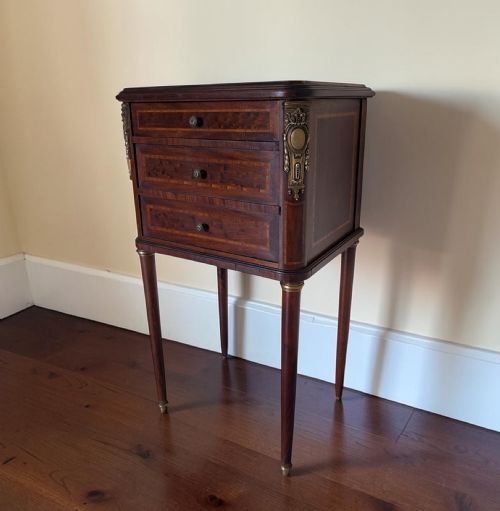
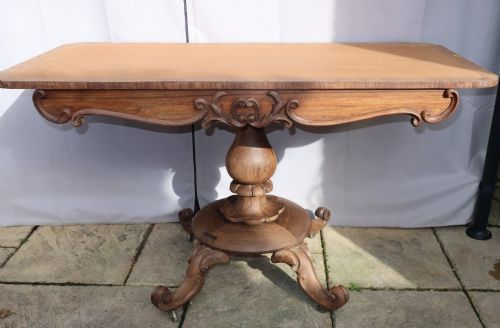
Vintage Rosewood Table
A vintage rosewood table brings dense grain and deep colour to a room, ranging from formal Regency library pieces to inlaid Anglo-Indian designs.
Vintage Rosewood Table
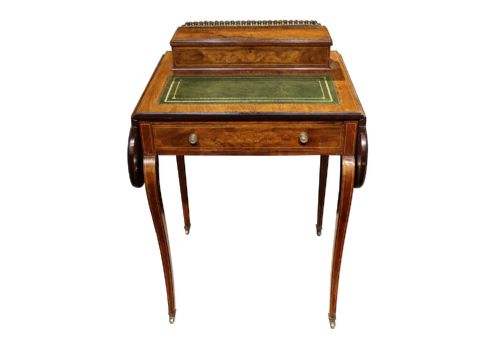
When you search for a vintage rosewood table, you encounter diverse forms spanning the nineteenth century, the Edwardian era, and the Art Deco period. The selection includes occasional tables, centre tables, coffee tables, nests of tables, and writing desks produced across Britain, France, and Asia.
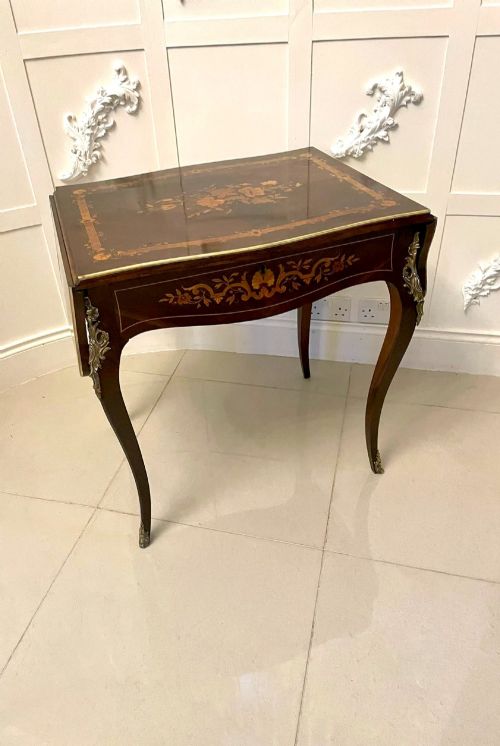
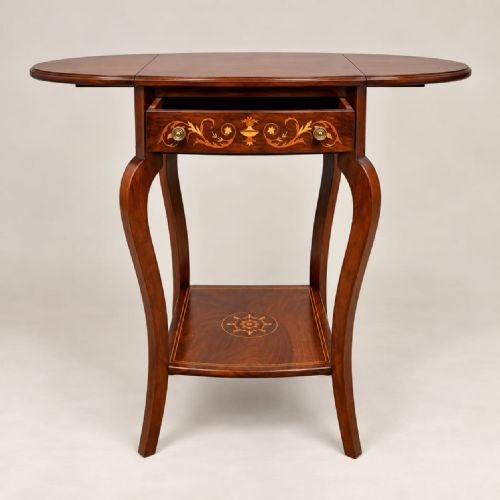
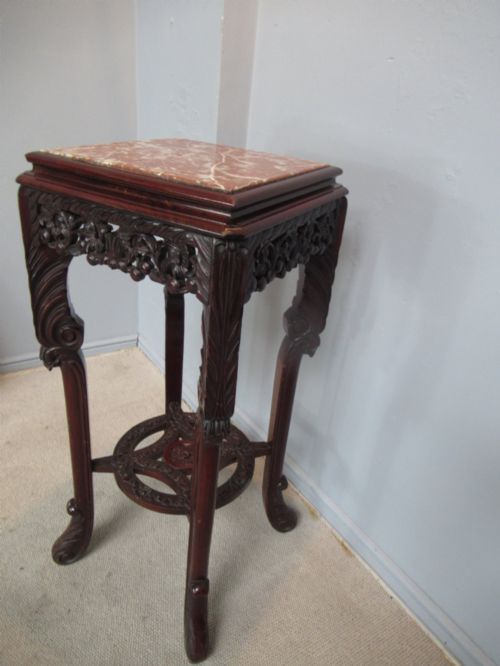
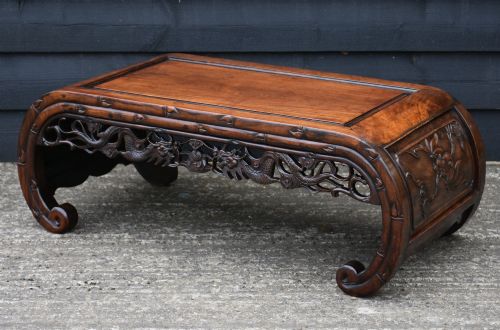
Side tables and drop-leaf occasional tables appear frequently in nineteenth-century and Victorian styles, while smaller low tables and nested sets emerge from Edwardian and later twentieth-century workshops. Alongside British cabinetmaking traditions, Anglo-Indian and Chinese export pieces contribute heavily to the available range.
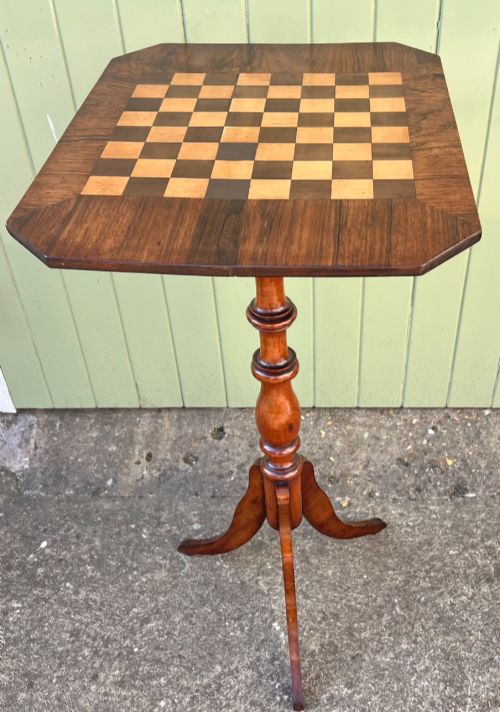
Formal dining and breakfast tables share space with compact bedside cabinets and specialised game tables fitted for chess. This variety reflects how rosewood served both grand formal interiors and eclectic domestic settings over successive generations.
Materials and construction methods
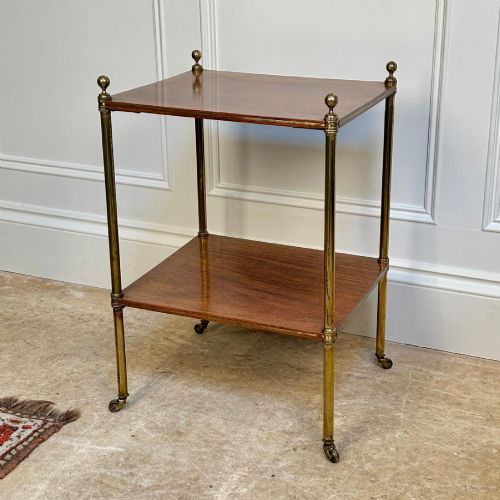
Makers utilised solid rosewood and supportive secondary hardwoods such as mahogany, applying figured rosewood veneers to primary surfaces to showcase rich grain patterns. Structural stability depended on dense timber frames, sometimes augmented by brass framing or brass inlay.
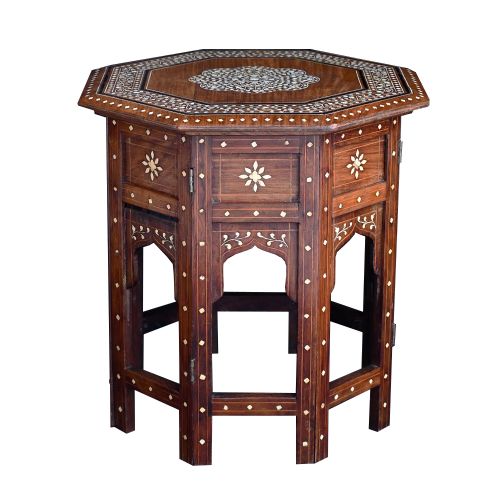
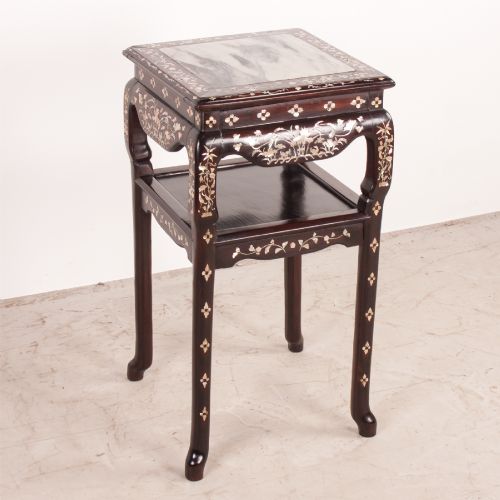
Surface ornamentation involved contrasting timbers and organic materials embedded directly into the wood. Craftsmen employed satinwood and boxwood stringing, bone inlay, mother of pearl, and marquetry pictorial panels, particularly on French and Anglo-Indian examples.
Vintage Rosewood Table Retail Price Guide 2026
Typical asking prices for vintage rosewood table among the pieces listed under this phrase on Sellingantiques today, from the lower quarter to the upper quarter. They describe what is for sale here now, not the wider market.
The listings span the nineteenth and twentieth centuries, encompassing Victorian, Edwardian, Regency, and Art Deco styles alongside Anglo-Indian and Chinese export pieces.
Distinctions in quality
The standard of a piece rests upon the crispness of its carving, the depth of the rosewood grain, and the precision of any inlay work. Superior examples exhibit seamless joints, stable movement in drop-leaves or drawers, and well-preserved decorative surfaces without extensive timber shrinkage.
Regional execution dictates much of the character, from restrained Regency brass stringing to intricate Hoshiarpur bone and hardwood carving. Pieces featuring signed elements or attributed workshops demonstrate higher levels of specialised craftsmanship.
CH. Jeanselme and Co·Barber and North of York·Émile Gallé·George Orpwood·Liberty and Co·Mallett
The Vintage Rosewood Table Glossary
- Marquetry
- Decorative veneer work forming pictures or geometric patterns using various coloured woods. It requires precise cutting and fitting of thin wood sections onto a carcase.
- Quartetto
- A set of four tables designed to graduate in size so they nest together. These pieces appeared frequently in Regency and Edwardian formal reception rooms.
- Ormolu
- Gilded bronze mounts applied to furniture edges and feet. This technique was common on nineteenth-century French luxury pieces.
- Etagere
- An open tiered piece of furniture used for displaying small objects. They are frequently found in Edwardian rosewood formats.
- Stringing
- Thin inlaid lines of contrasting wood used to outline panels and tabletops. Boxwood and satinwood were standard choices for this work.
Vintage Rosewood Table: Frequently Asked Questions
How do I care for a rosewood table?
Keep the timber away from direct heat sources and strong sunlight to prevent the natural oils from drying out and the grain from splitting. Dust regularly with a soft, dry cloth and apply occasional specialist wax nourishment.
Avoid using silicone-based polishes or damp cloths, as excess moisture damages antique French polish and traditional veneer adhesives over time.
How do I identify Regency period tables?
Regency pieces often display classical architectural proportions, sabre legs, and precise brass inlay or brass stringing. The timber selection typically emphasises dark, richly grained rosewood surfaces.
Construction details include hand-cut dovetails in any drawers and traditional timber shrinkage patterns appropriate for the early nineteenth century.
What is an Anglo-Indian table?
Anglo-Indian tables are items made in India during the nineteenth and early twentieth centuries, often combining traditional local carving techniques with British furniture forms. They frequently feature dense floral or elephant motifs.
Craftsmen utilised native timbers such as padauk and rosewood, incorporating extensive bone, ivory, or lighter wood inlay across the surfaces.
Are nest of tables antique?
Sets of nested tables, sometimes called quartetto tables, date back to the Regency period and remained popular through the Victorian and Edwardian eras. They served as versatile furniture for tea or needlework.
Later twentieth-century examples also exist, utilising the same principle of graduated sizes sliding neatly beneath the largest top surface.