





Vintage Rosewood Shelves
Vintage rosewood shelves bring warm timber tones and tiered display space to a room, spanning Regency, Victorian, and Edwardian periods.
Vintage Rosewood Shelves
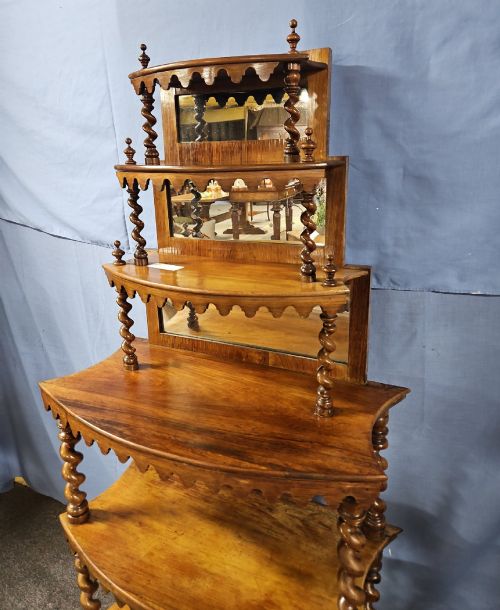
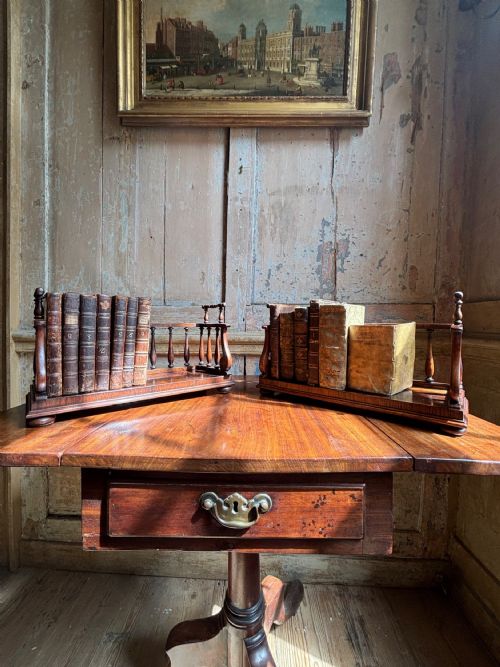
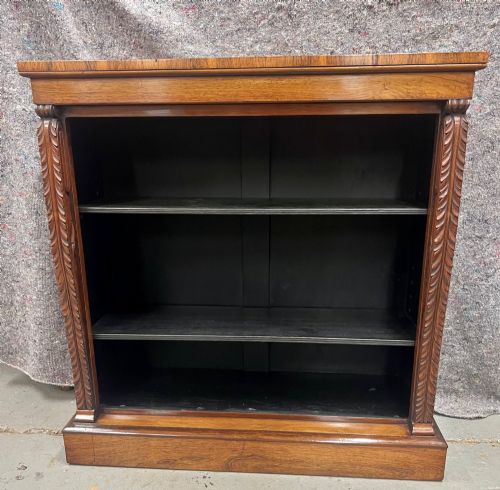
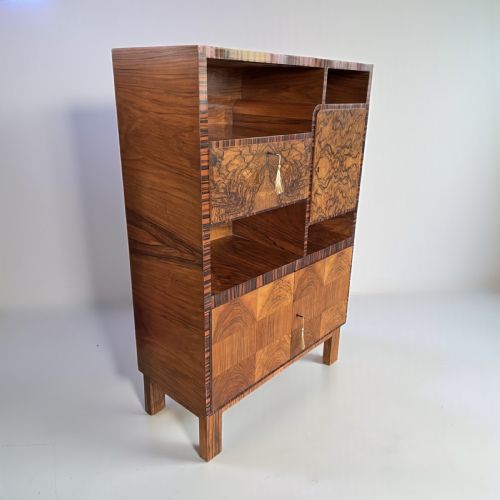
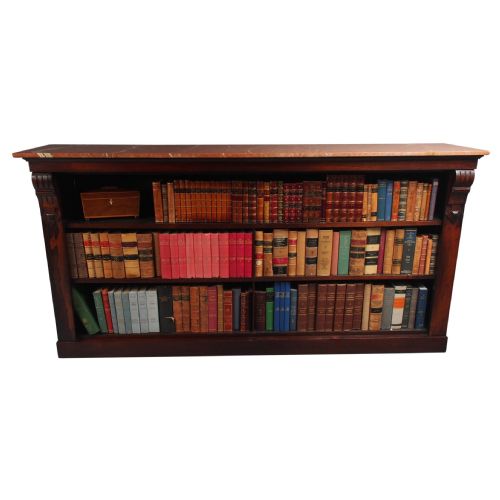
When you search for vintage rosewood shelves, you encounter diverse multi-tiered furniture designed for display and storage, encompassing open bookcases, etageres, and whatnots. The pieces originate from periods spanning the Regency era, the reign of William IV, the Victorian epoch, and the Edwardian years.
How they were made
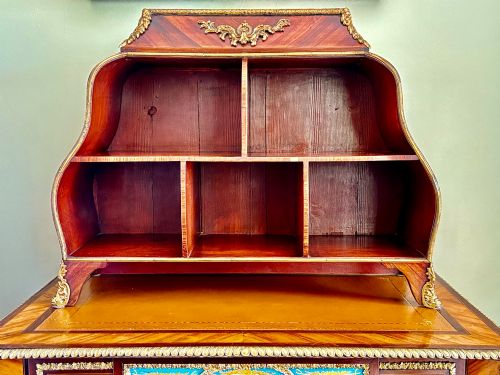
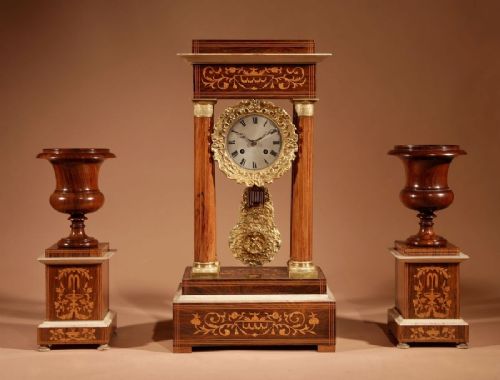
Cabinet makers utilised dense rosewood timber, often applied as fine veneers over secondary softwoods or utilised in solid form for smaller shelving units. Surfaces frequently incorporate decorative brass inlay, boxwood stringing, or intricate marquetry details.
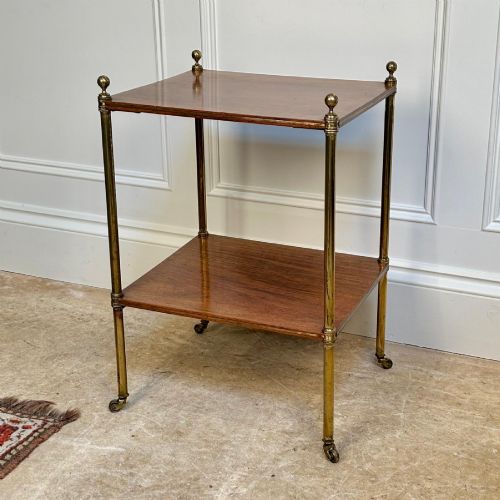
Structural elements are complemented by cast or chased ormolu mounts, brass gallery rails, and occasionally marble tops. Construction methods reflect the joinery standards of the nineteenth and early twentieth centuries, producing robust upright supports and secured tier platforms.
Vintage Rosewood Shelves Retail Price Guide 2026
Typical asking prices for vintage rosewood shelves among the pieces listed under this phrase on Sellingantiques today, from the lower quarter to the upper quarter. They describe what is for sale here now, not the wider market.
Materials paired with rosewood across these listings include brass, boxwood inlay, mother-of-pearl, marble, and ormolu mounts.
What varies in quality
The standard of execution separates standard utility shelving from masterwork display pieces, visible in the selection of figured timber veneers and the precision of inlaid brass or boxwood lines. Finer examples display meticulous attention to joint construction and balanced proportions.
Refinements such as cast ormolu mounts, integrated gallery rails, and well-executed turnings elevate the standing of a piece. The crispness of carved details on Anglo-Indian or Victorian items likewise indicates superior workshop origins.
Gillows·Samson and Son·Walker and Hall·Henry Marc·Seller of Reading
The Vintage Rosewood Shelves Glossary
- Etagere
- A set of open shelves for small objects and ornaments. These pieces typically feature multiple tiers supported by slender upright columns.
- Whatnot
- A freestanding piece of furniture with several tiers of shelves used for displaying ornaments. Mid-nineteenth century examples often combine these with lower cabinets or drawer sections.
- Bookcase
- A piece of furniture containing shelves for holding books. Open variants lack doors, presenting the book spines directly to the room.
- Marquetry
- Decorative woodwork in which strips of different woods are applied to a surface to form designs. This technique adds pictorial or geometric enrichment to rosewood carcases.
- Ormolu
- Gilded bronze used for decorative mounts and fittings. It appears on French and English pieces of the nineteenth century.
Vintage Rosewood Shelves: Frequently Asked Questions
How do I care for vintage rosewood shelves?
Keep the timber away from direct sunlight and dramatic temperature swings to prevent the rosewood veneer from drying or splitting. Dust regularly with a soft, dry cloth and avoid silicone-based polishes.
Apply a traditional wax sparingly only when the wood appears dry to maintain the natural lustre. Ensure that heavy loads on individual shelves remain balanced to protect the historical joints.
Were these shelves meant for books or ornaments?
Many structures served multiple domestic functions depending on their tier count and depth. Open bookcases and book racks held volumes, while etageres and whatnots housed decorative ornaments.
Smaller tabletop and wall-mounted versions accommodated lighter decorative items and small collectables. Larger floor-standing units handled heavier literary collections alongside display objects.
How can I tell a Regency shelf from a Victorian one?
Regency pieces often display classical restraint, incorporating precise brass inlay, architectural lines, and simulated rosewood finishes. They reflect a cleaner aesthetic influenced by antiquity.
Victorian pieces tend toward greater ornamentation, featuring carved details, four-tier configurations, and rich marquetry. The proportions and turning styles shift as design tastes evolved through the middle of the nineteenth century.
What is a simulated rosewood finish?
Simulated rosewood involves painting or graining a secondary wood, such as beech, to imitate the characteristic dark grain of genuine rosewood. This technique was common during the Regency period.
Craftsmen utilised this method to achieve a luxurious aesthetic while managing material costs. Close inspection reveals the painted grain beneath the clear protective finish.